Extreme Ways Countries Are Currently Combatting Overtourism
International travel keeps expanding, and that growth has exposed pressure points in cities, islands, and landmarks that once welcomed every arrival. Housing shortages, crowded streets, and environmental damage now define policy discussions in tourism-heavy destinations.
On that note, leaders are testing stricter tools that influence pricing, access, and behavior. Though tourism still matters economically, governments now place stronger emphasis on shielding residents, infrastructure, and fragile ecosystems.
Japan Cancels Festivals and Blocks Photo Spots
Credit: Wikimedia Commons
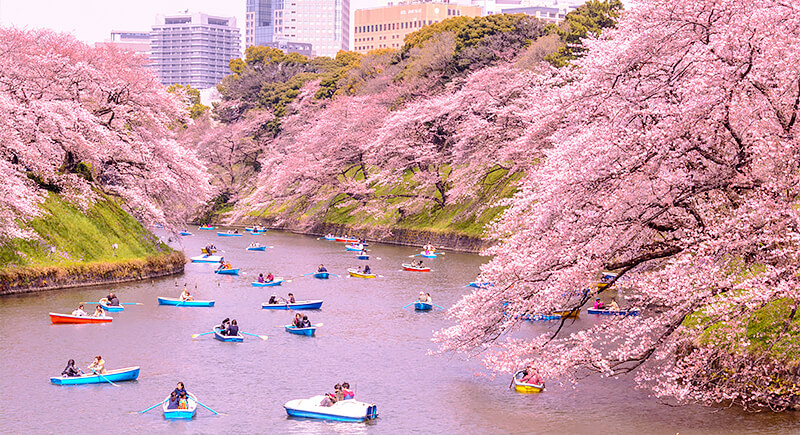
Public frustration in Japan pushed administrators toward visible action. In Fujiyoshida, officials cancelled the annual cherry blossom festival after residents reported littering, trespassing, and tourists entering private homes. The festival normally attracts about 200,000 guests, so the decision prioritized community order over revenue. Meanwhile, a mesh barrier was installed to block a Mount Fuji angle that encouraged unsafe behavior.
United States Raises Entry Fees in National Parks
Credit: Wikimedia Commons
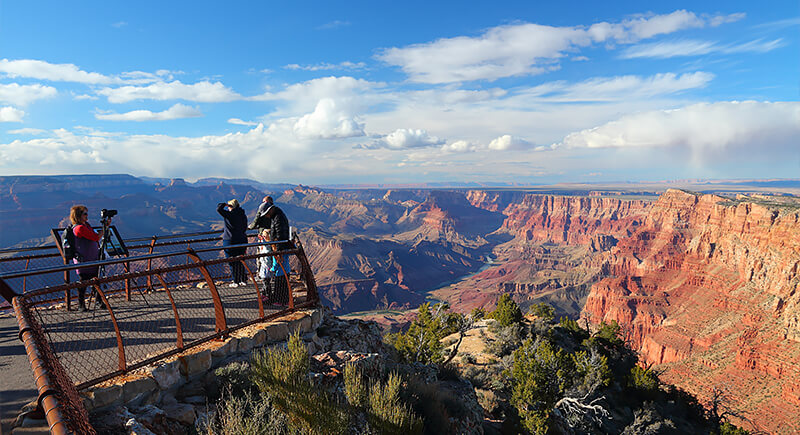
Overcrowding concentrates heavily in a small number of parks. Half of all recreation visits in the United States occur in just 25 units of the national park system. To address this imbalance, officials implemented a $100 surcharge for international arrivals at 11 major parks in 2026. The America the Beautiful annual pass now costs $250 for non-residents and $80 for citizens.
Spain Uses Artificial Intelligence in Mallorca
Credit: Canva
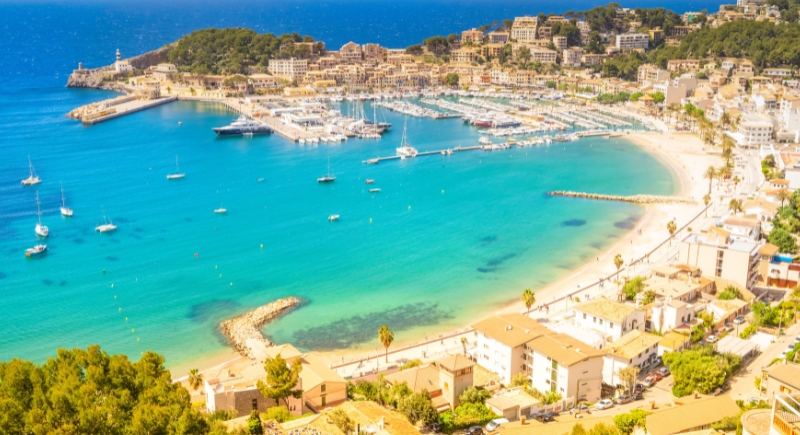
If you are planning on visiting Mallorca, you will soon encounter an AI-powered platform built into the island’s official tourism website. The system analyzes real-time visitor data and recommends less crowded times for major attractions. It also directs travelers toward alternatives such as glassblowing workshops, traditional llatra weaving, and olive oil producers.
Denmark Rewards Sustainable Tourism in Copenhagen
Credit: Wikimedia Commons
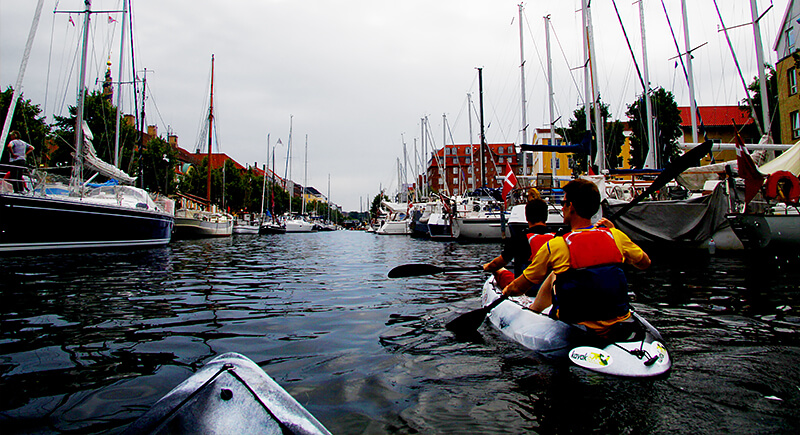
Incentives for sustainable tourism encourage visitors to act responsibly without the need for strict bans. The CopenPay initiative allows guests to earn access to activities by completing environmentally friendly actions. Participants kayak through canals while collecting litter or arrive at museums by bicycle. More than 30,000 people have joined since 2024.
Jamaica Encourages Off-Peak Travel with Rain Coverage
Credit: Getty Images
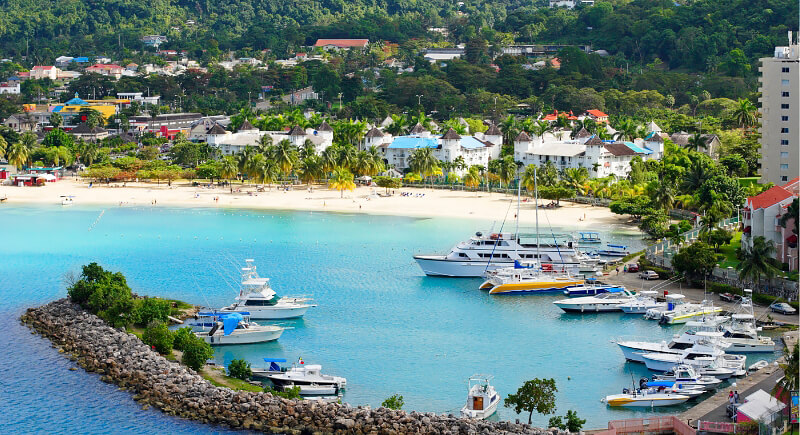
Seasonal imbalance can strain resources during peak months and leave businesses underused during slower periods. This is why tourism leaders launched rain coverage on vacation packages booked through November after Hurricane Melissa caused significant damage in 2025. If rainfall exceeds a defined threshold, travelers receive refunds while still completing their trips.
Greece and Italy Tighten Cruise Ship Controls
Credit: Wikimedia Commons
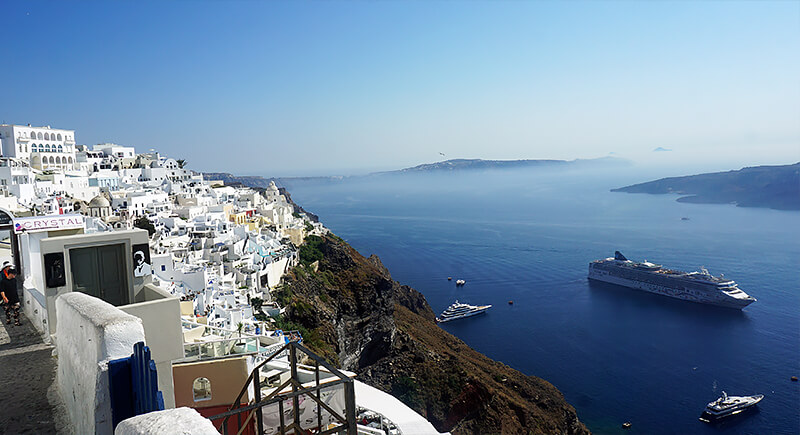
People on trips to Santorini, Mykonos, and other cruise-heavy ports tend to arrive in waves that flood compact historic centers within hours. Authorities responded with targeted restrictions to manage those surges. A €20 levy now applies to cruise passengers.
Peru and Thailand Impose Strict Timed Entry Systems
Credit: Wikimedia Commons
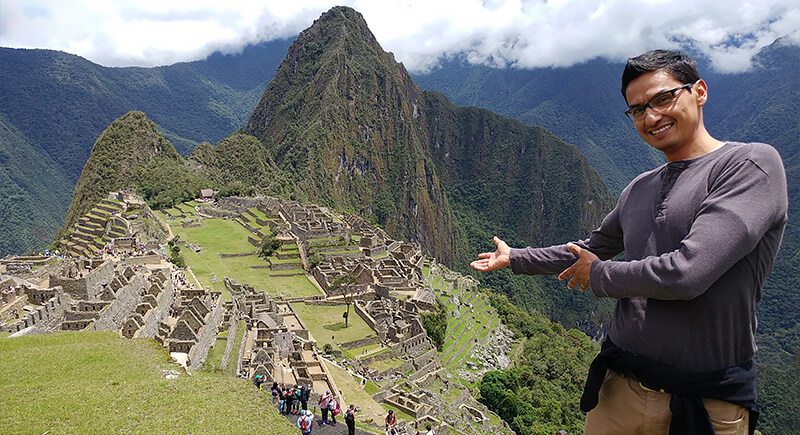
Machu Picchu operates under a strict ticketing system with designated time slots to regulate foot traffic across sensitive archaeological zones. At Maya Bay on Ko Phi Phi Leh, visits last only an hour, and authorities prohibit swimming and motorboats to preserve the coral ecosystem. These policies followed visible ecological pressure linked to heavy tourism.
Italy and Indonesia Enforce Environmental Boundaries

Credit: Getty Images
Coastal and island destinations, such as Italy and Indonesia, have strengthened physical protections. Capri plans to install a 40-buoy barrier 100 meters offshore to prevent boat damage along its coastline. On the other hand, Bali introduced a $10 tourist tax and distributed a handbook outlining acceptable conduct for foreigners.
Netherlands and Czechia Regulate Tourist Behavior

Credit: Getty Images
It is common for visitors to become disruptive in nightlife-heavy European cities, especially during large bachelor parties. Thus, Amsterdam has launched an online campaign targeting party-focused travel that uses warning videos triggered by specific search terms. Prague, on the other hand, has banned exaggerated bachelor party costumes and nighttime pub crawls after repeated complaints about noise and disorder.
Ecuador and Japan Cap Individuals in Sensitive Areas
Credit: Canva
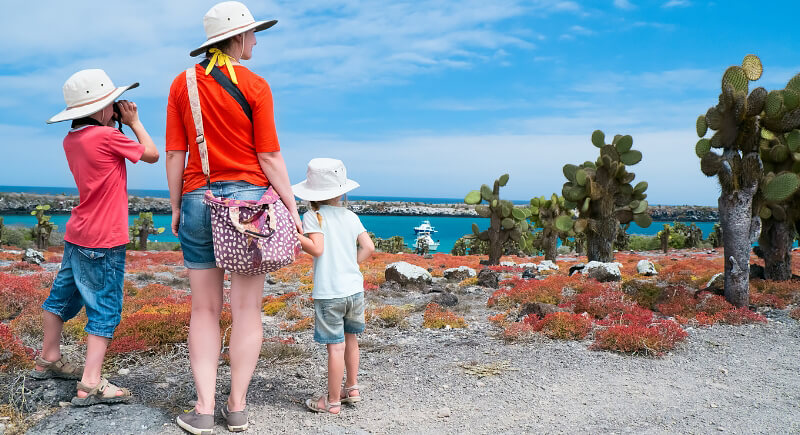
Fragile ecosystems require strict limits, which is why the Galapagos Islands have mandated guided visits in protected areas, prohibited private yachts at key sites, and restricted movement to marked trails. Visitor entry fees have increased, and are now priced at $200 for international tourists.