10 Countries That Have Changed Their Names
In recent years, a handful of nations decided it was time to change their names. The reasons vary, but each switch came with its own backstory and ripple effects. Here’s a light look at ten places that hit the refresh button on what the world calls them.
Türkiye Made It Official
Credit: Getty Images
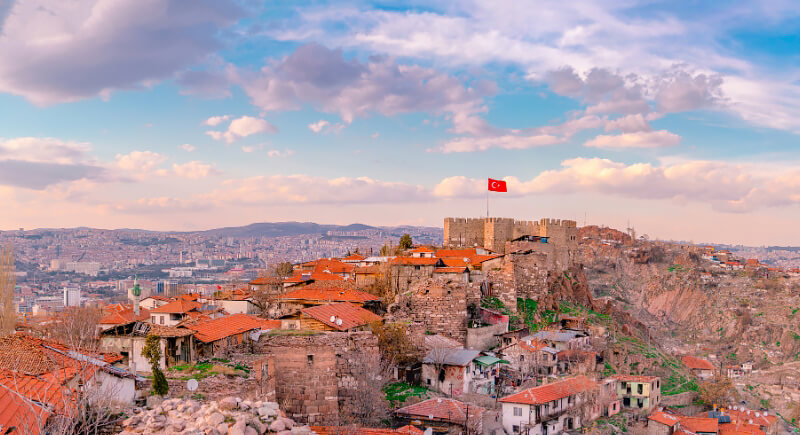
In 2022, Turkey asked the international community to refer to it as “Türkiye,” its name in Turkish. Officials said the change would better reflect national culture and eliminate the confusion with the large bird known for holiday dinners. The UN accepted the request quickly, and international organizations followed.
North Macedonia Settled a Long Debate
Credit: Canva
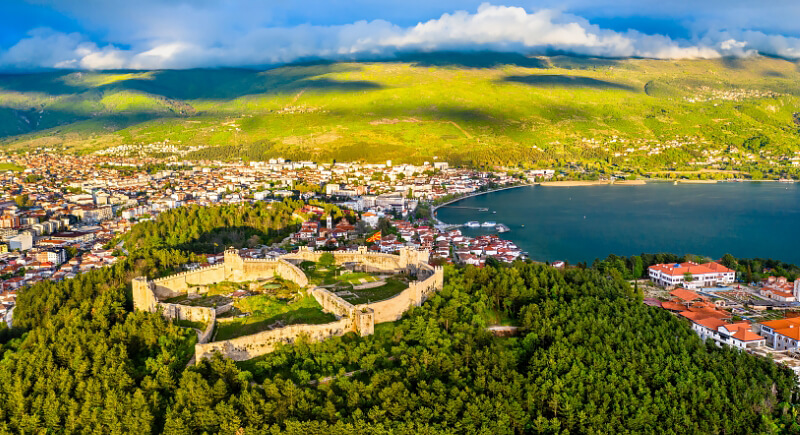
The Republic of Macedonia agreed in 2019 to adjust its name to the Republic of North Macedonia. This move was taken to resolve a decades-long dispute with Greece. The conflict centered on claims to the name “Macedonia,” which is also the name of a region in northern Greece. The new name helped clear the path for NATO membership and showed how diplomatic negotiations can reshape maps.
The Netherlands Said Goodbye to Holland
Credit: Getty Images
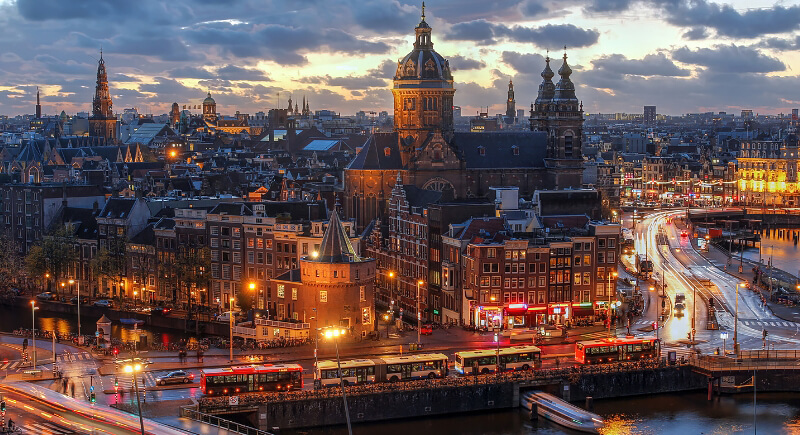
In 2020, the Dutch government officially dropped “Holland” from international use. The reason? Holland refers to only two provinces—North and South Holland—while the country includes ten more. The change aimed to give the entire nation equal spotlight and move away from stereotypes linked to just one region.
Czech Republic Went Short with Czechia
Credit: Getty Images
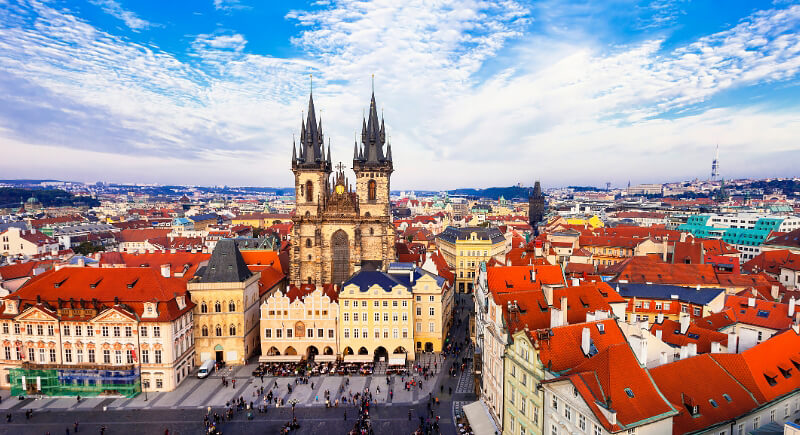
Though “Czech Republic” is still correct, the country rolled out “Czechia” in 2016 as its preferred short form. The name works better for sports jerseys and global stage events. While the update flew under the radar for some, many international organizations and companies have gradually made the switch over the past few years.
Eswatini Reclaimed Its Pre-Colonial Name
Credit: Getty Images
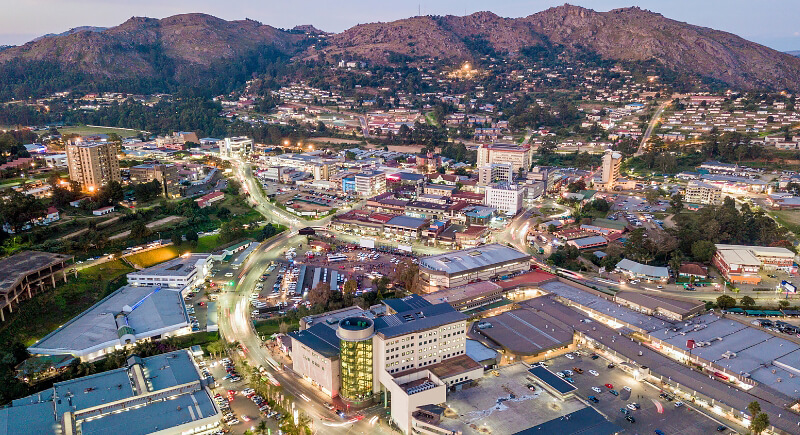
In 2018, King Mswati III marked 50 years of Swazi independence by changing Swaziland’s name to Eswatini. The new name means “Land of the Swazis” in the local language. It replaced the anglicized version imposed during colonial rule and helped clarify confusion about Switzerland.
Cape Verde Returned to Cabo Verde
Credit: Getty Images
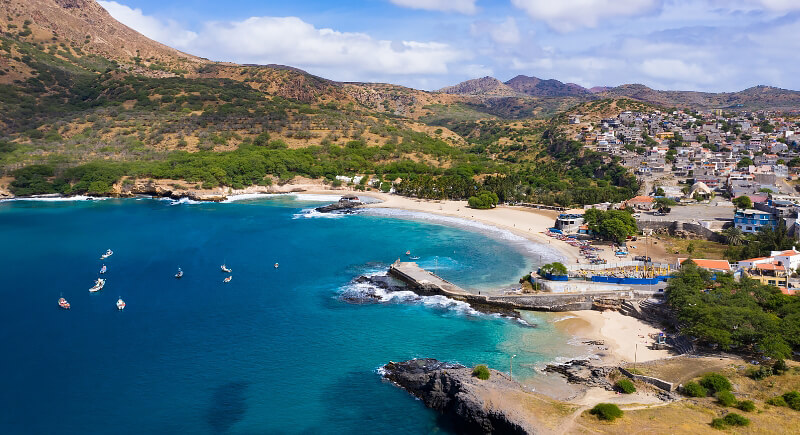
The West African island nation known as Cape Verde requested in 2013 to be referred to internationally as Cabo Verde, the name used in Portuguese. The update didn’t gain full traction globally until the following years, but the aim was clear: preserve the country’s language and maintain consistency across maps and official documents worldwide.
Timor-Leste Embraced Its Identity
Credit: iStockphoto
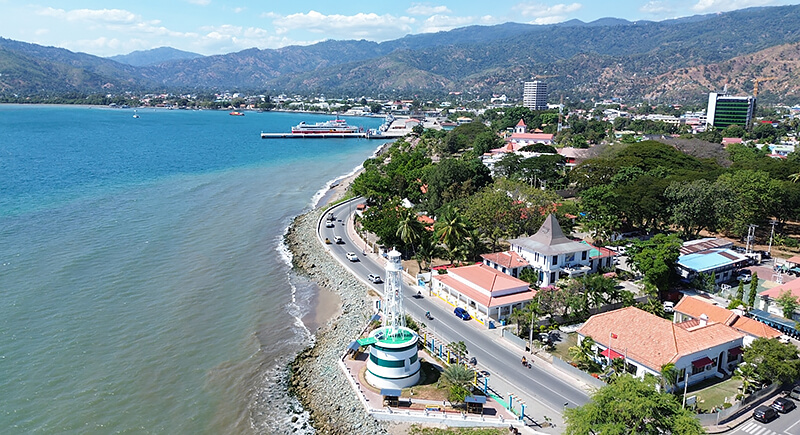
After years of Indonesian occupation, East Timor became independent in 2002 and officially adopted the name Timor-Leste, which means “East Timor” in Portuguese. From the start, this has been the country’s recognized name in global institutions. While some media outlets still use “East Timor” for familiarity, Timor-Leste remains the formal international designation.
Burma to Myanmar Remains Disputed
Credit: Getty Images
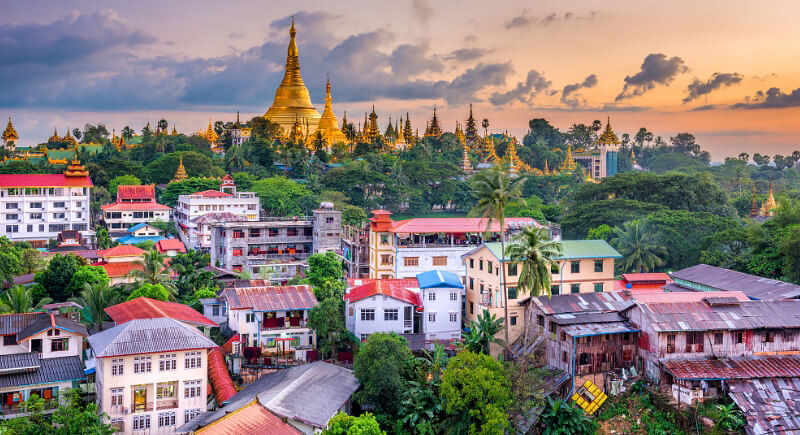
Although Myanmar replaced “Burma” in 1989, the debate over its use continues. In recent years, international usage of “Myanmar” has grown more consistent, especially in formal contexts. Still, some countries and groups prefer “Burma” to signal opposition to the government. The naming remains one of the few that continues to reflect a political stance rather than just geography.
Kazakhstan Simplified How Its Name Appears in English

Credit: Canva
Kazakhstan has not officially changed its country name, but in recent years, government agencies and tourism bodies have increasingly used “Kazakhstan” without the formal “Republic of” prefix in English-language materials. The state’s legal name remains unchanged. The shift is a branding and communication preference rather than a formal international renaming.
Sri Lanka Revisited Colonial-Era Institutional Names
Credit: Getty Images
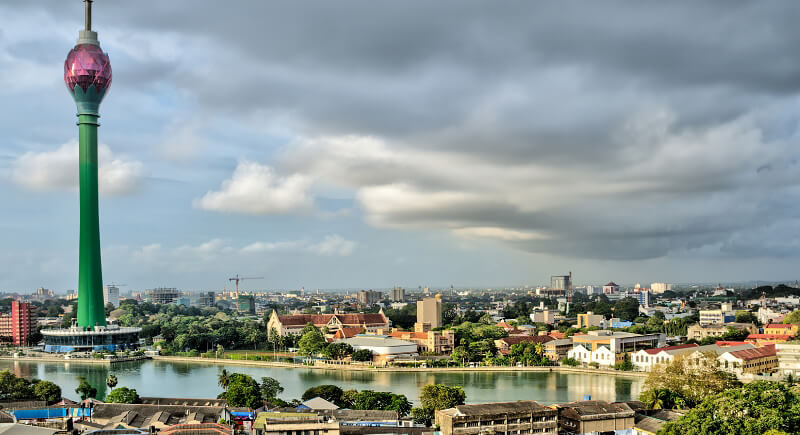
Although Sri Lanka replaced “Ceylon” as its country name in 1972, discussions in recent years have focused on whether remaining state-linked institutions should drop colonial-era names. Proposals have been raised to rename entities such as “Bank of Ceylon,” while “Ceylon Tea” continues as a globally recognized trademark. These efforts reflect ongoing debate.