10 Wild Ways Costa Rica Is Proving It Is the World’s Ultimate Nature Sanctuary
Costa Rica spent decades working on preservation through strong environmental policies and long-term planning. They treated environmental conservation as a national priority rather than a tourism slogan. For this reason, government agencies, local communities, conservation groups, and businesses continue working together to safeguard forests, wildlife, and marine ecosystems across the country.
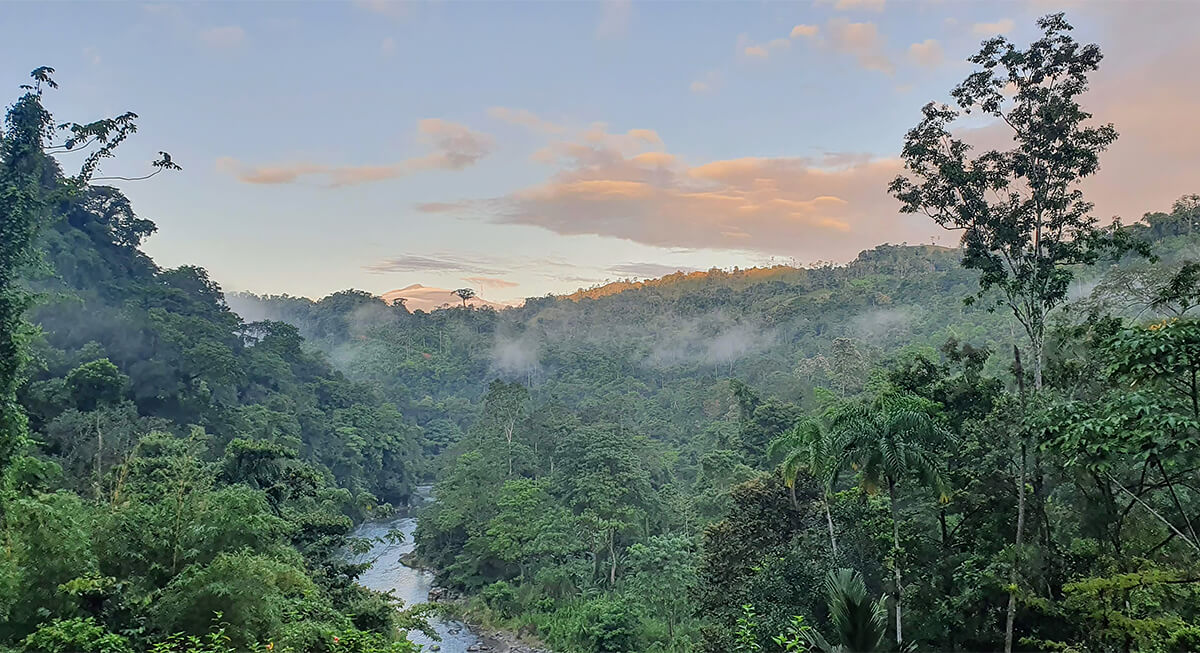
It Rebuilt Its Rainforests After Serious Deforestation
Credit: Wikimedia Commons
In the late 20th century, Costa Rica faced serious deforestation after aggressive land-clearing wiped out large sections of its rainforest. Environmental damage reached a point where national leaders could no longer ignore the problem. Conservation policies, protected land programs, and restoration projects gradually changed the country’s direction over the following decades.
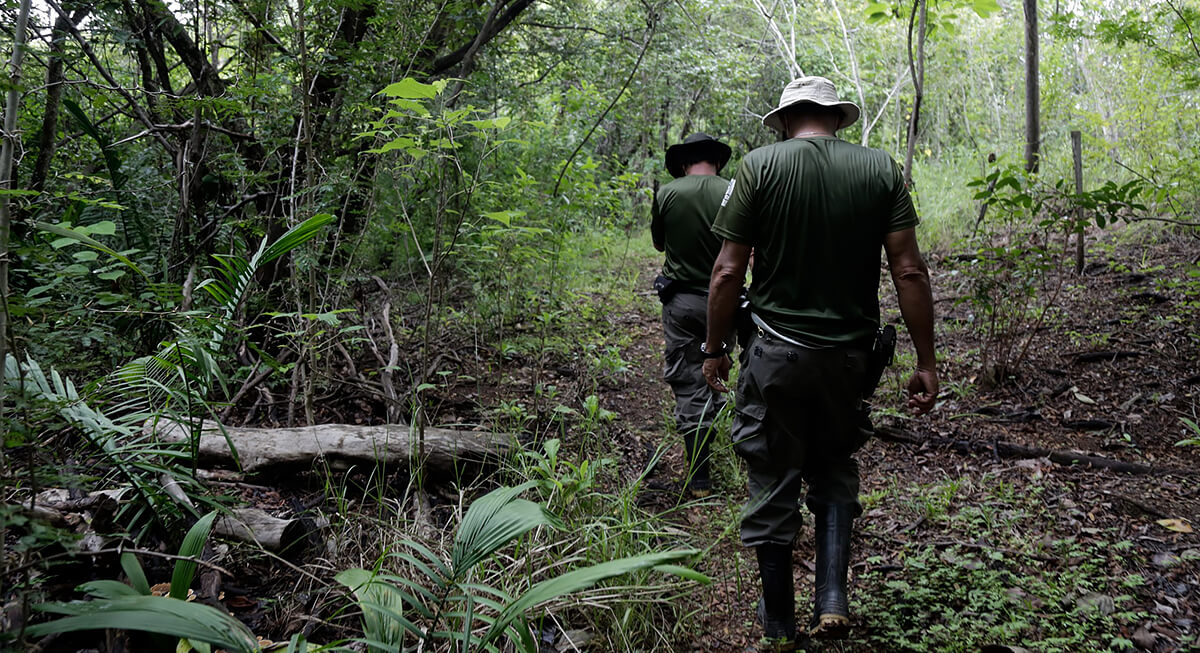
Huge Portions of the Country Stay Regulated
Credit: Dialogue Earth
Thanks to decades of conservation planning, the country now protects large areas of land through national parks, marine reserves, biological reserves, and monitored conservation zones. On your visit, you will notice these protections right away, as ranger patrols actively manage trails and sensitive habitats across many popular tourist areas.
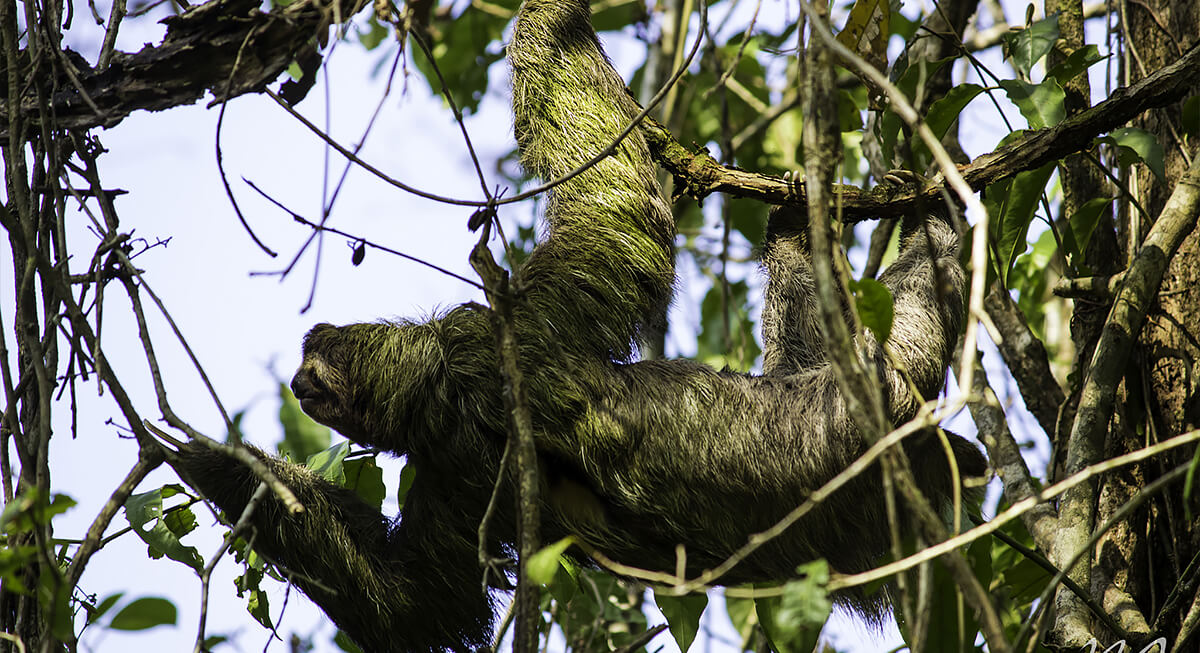
Wildlife Still Lives in Remarkably Dense Numbers
Credit: Wikimedia Commons
If you visit this country, you are likely to find wildlife almost everywhere in its protected ecosystems. Sloths and monkeys typically appear near rainforest trails in areas like Corcovado and Arenal, while scarlet macaws and toucans move through dense forest canopies around national parks and coastal reserves.
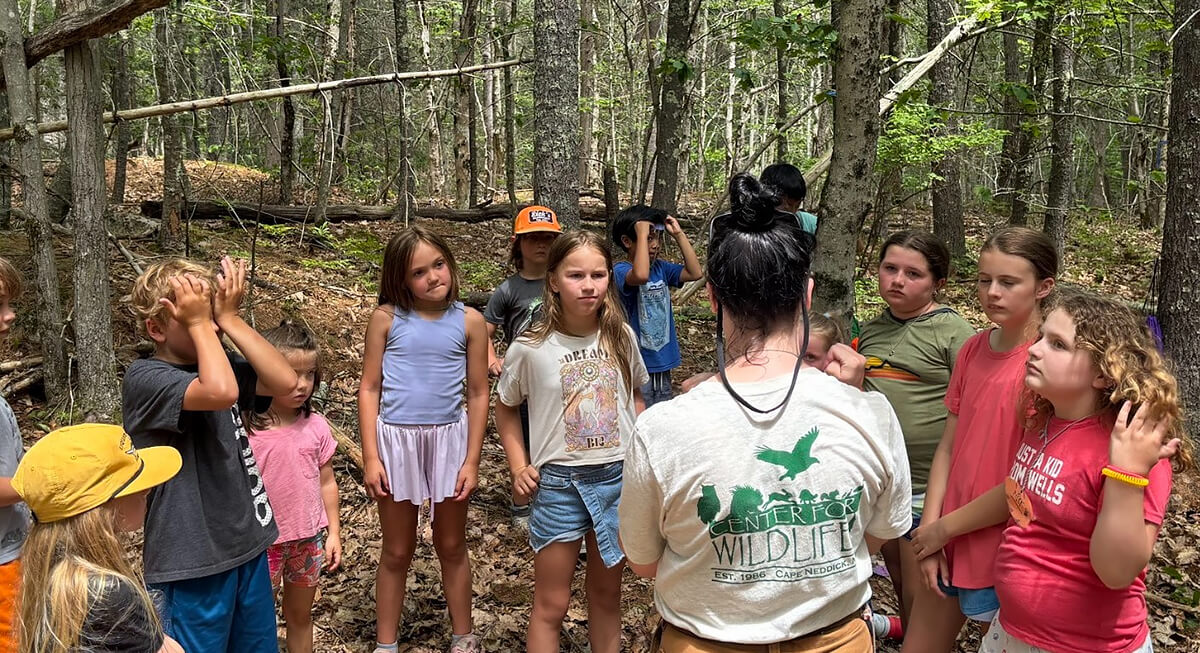
Wildlife Tourism Operates Under Strict Ethical Expectations
Credit: Instagram
Responsible tour operators will discourage you from feeding wildlife or forcing close interactions for photographs. If you end up wandering near nesting turtles or rainforest animals, be sure to follow the instructions on maintaining safe distances.
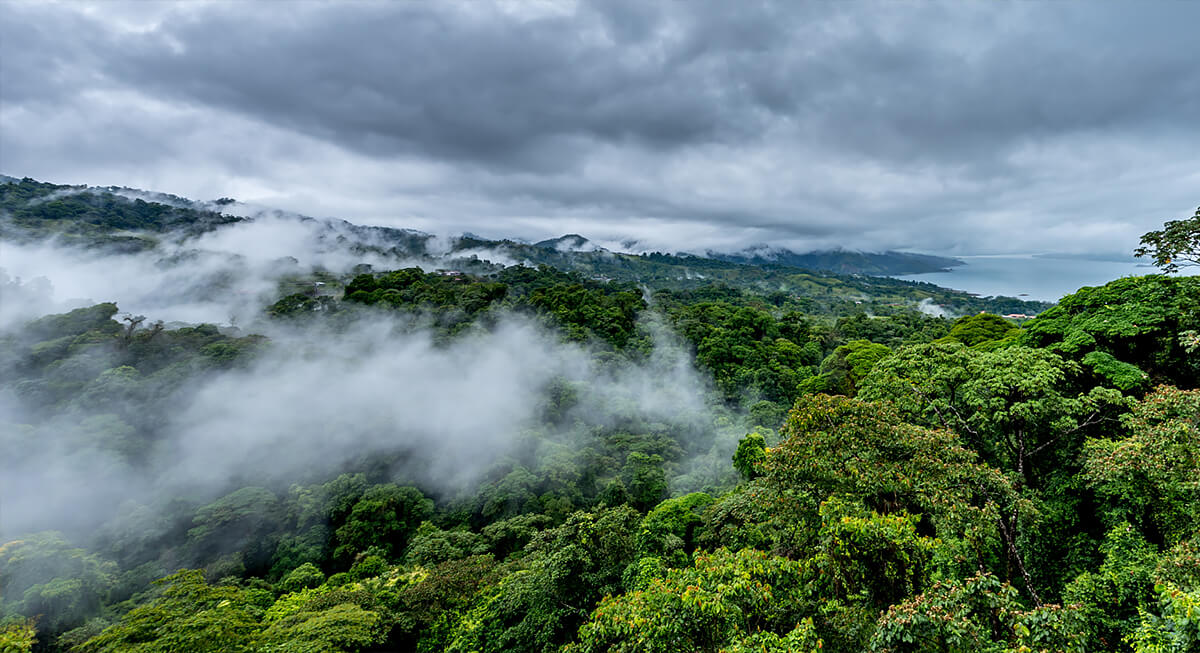
Monteverde Protects Its Cloud Forest
Credit: Wikimedia Commons
Many travelers are interested in ecology and wildlife, which explains why Monteverde Cloud Forest Reserve remains one of the country’s most visited conservation areas. You can take a guided walk around the reserve to learn about bird migration patterns, plant diversity, and cloud forest ecosystems.
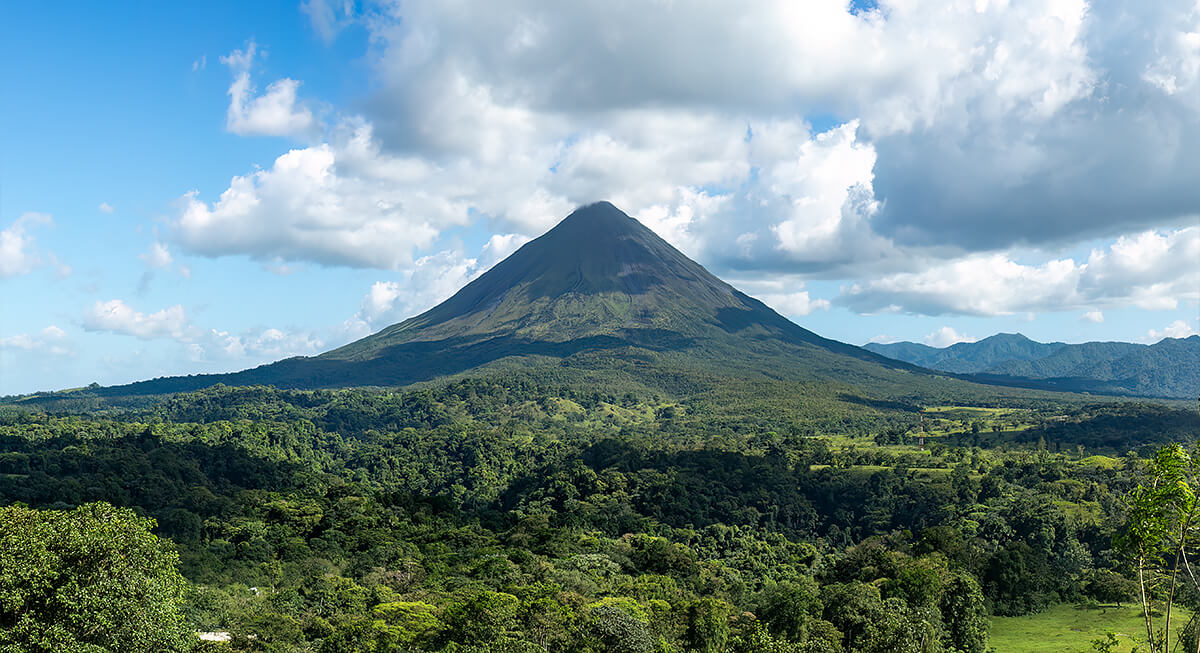
Arenal Balances Adventure with Environmental Rules
Credit: Wikimedia Commons
As one of the country’s busiest tourism regions, Arenal Volcano National Park attracts visitors seeking outdoor activities in a preserved rainforest. Travelers tend to spend time hiking through lava fields, visiting La Fortuna Waterfall, and relaxing in naturally heated geothermal hot springs.
Marine Protection Extends Beyond the Coastline

Credit: Inside Climate News
There are heavily regulated programs in the area, which cover remote islands, coastal habitats, and important whale-migration zones in restricted waters. For example, Cocos Island National Park limits visitor access through controlled diving expeditions designed to reduce disturbance around coral reefs and marine wildlife.
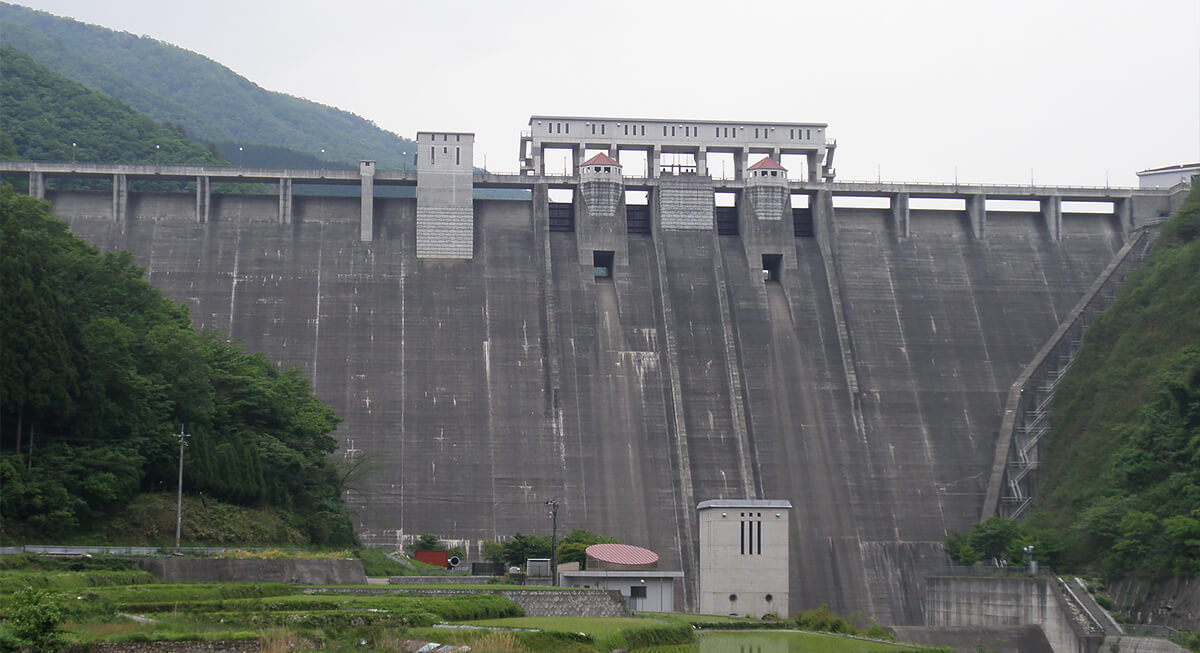
Renewable Energy Became a National Priority Decades Ago
Credit: Wikimedia Commons
Long before many countries started treating climate planning seriously, the country invested heavily in renewable energy and environmental infrastructure. Hydroelectric systems now generate much of the national electricity supply, supported through geothermal, wind, and water energy projects operating in different regions. Costa Rica also ran entirely on renewable energy for extended periods in 2015 and 2016.
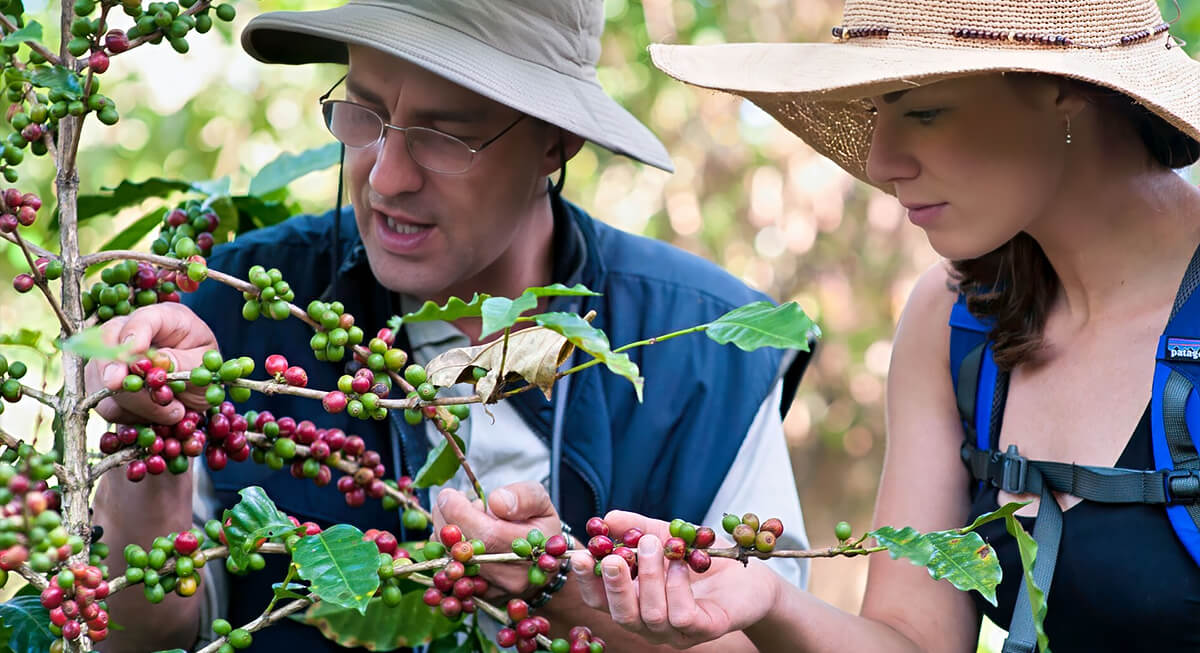
Sustainable Farming
Credit: Instagram
For coffee lovers, places like Finca Rosa Blanca show how agriculture and conservation can work closely together through environmentally responsible farming practices. The organic coffee farm uses shade-grown cultivation methods that help preserve the bird habitats surrounding plantation areas. You can use this opportunity to learn about sustainable water management and sustainability-focused production systems on the property.
Local Communities Stay Connected to Ecotourism Revenue
Credit: Instagram
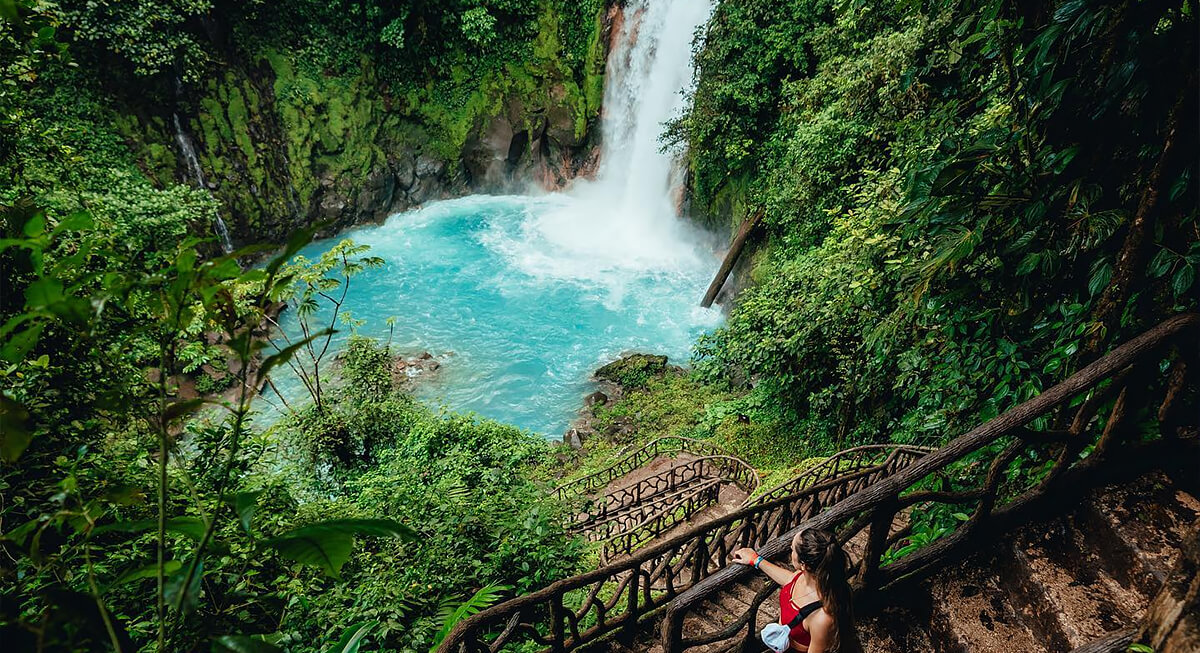
Costa Rica built much of its ecotourism economy around local guides, family-operated lodges, ecological management, and community tourism businesses. That keeps revenue connected directly to the surrounding towns and local areas. Travelers typically spend time with guides explaining wildlife behavior, forest ecology, and climate pressures. Various businesses also support local education programs and environmental protection projects through direct funding.