10 U.S. Cities with the Worst Traffic Jams
Traffic in America is officially back to testing patience. According to INRIX’s 2025 Global Traffic Scorecard, U.S. drivers lost an average of 49 hours to congestion last year, costing nearly $894 per driver and about $86 billion nationwide. As commuting rebounds toward pre-2020 levels, bottlenecks are tightening across familiar metros. These 10 cities now define the modern American traffic jam, where long stretches of brake lights are common.
Chicago
Credit: Canva
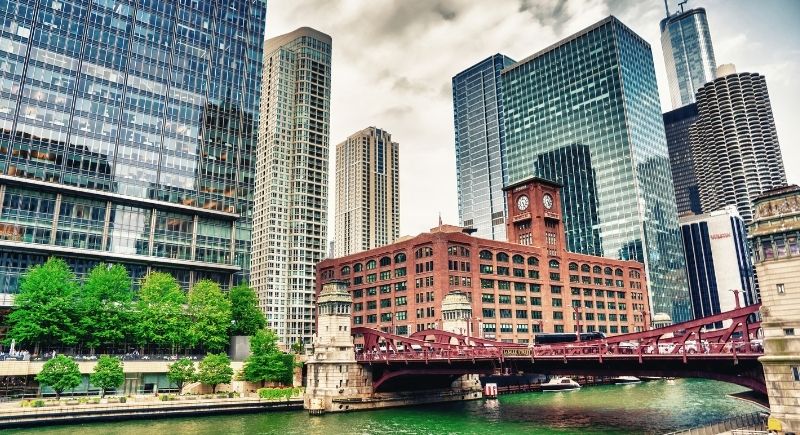
Chicago now wears the congestion crown among American cities. Drivers lost 112 hours to traffic in 2025, the worst total in the country, costing the average motorist $2,063. Lake Michigan blocks eastward travel, forcing traffic through limited corridors. Add dense rail crossings, constant construction, and major freight routes, and jams form fast. Even so-called minor incidents can paralyze downtown arteries.
New York City
Credit: pixabay
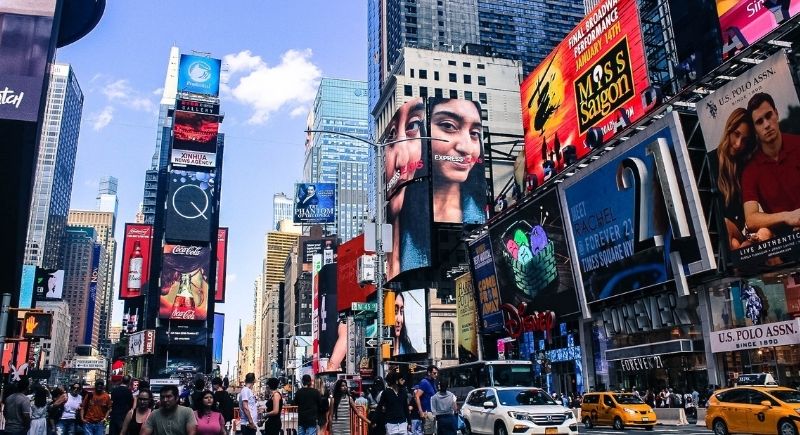
Gridlock remains ingrained in daily life in New York City. Drivers lost 102 hours to congestion in 2025, unchanged from the previous year, but still brutal. Dense neighborhoods, delivery vehicles, rideshares, and tourism keep streets packed after rush hour. Transit absorbs many commuters, but those who drive pay dearly, with congestion costing nearly $1,879 per driver annually across the metro area.
Philadelphia
Credit: Getty Images
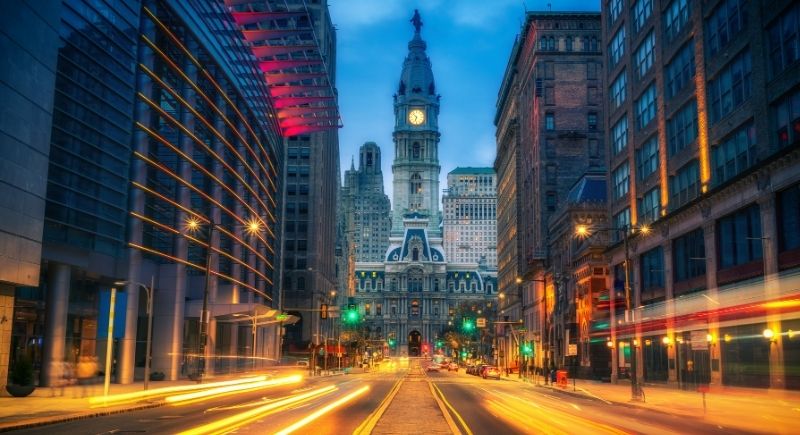
Before drivers even notice the skyline, traffic has already slowed them down. Philadelphia’s congestion problem is noticeable on corridors like I-95 and the Schuylkill Expressway, where narrow lanes are coupled with constant construction. With limited detour options and dense neighborhoods, a single disruption can stall commutes for hours.
Los Angeles
Credit: Getty Images
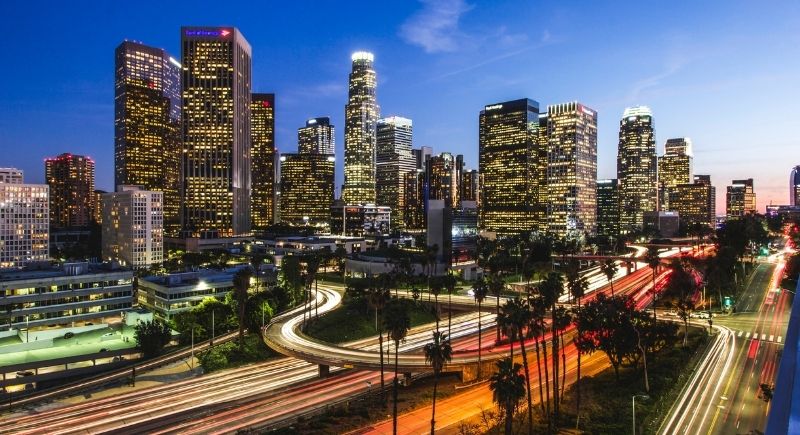
Los Angeles traffic rarely surprises anyone, but it still punishes drivers. In 2025, congestion remained among the worst in the country. While public transit exists, most of LA’s millions of residents might need a vehicle. Sprawling commutes and limited transit coverage keep freeways clogged. Despite flexible work schedules, delays persist.
Boston
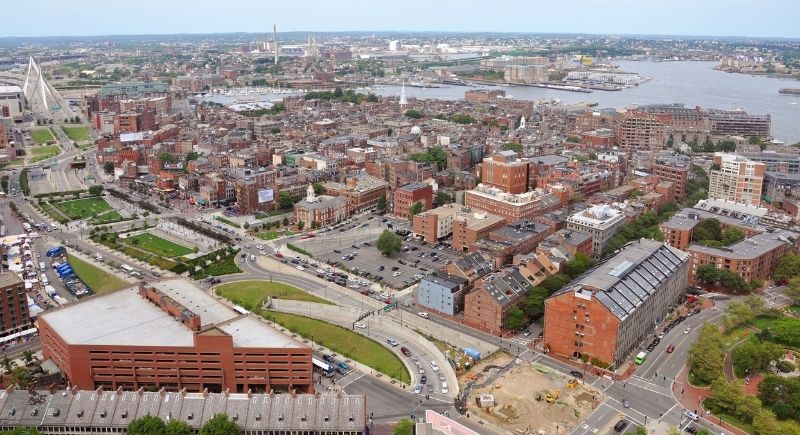
Credit: Getty Images
Try navigating Boston’s streets, and you’ll quickly realize people laid them out centuries before anyone imagined bumper-to-bumper traffic. Tunnels, bridges, and rotaries create a maze that even people who’ve lived there for decades find confusing. The Big Dig was supposed to solve everything, but congestion is still brutal. The MBTA occasionally faces issues that make driving necessary, and the water around parts of the city limits any expansion ideas.
Miami
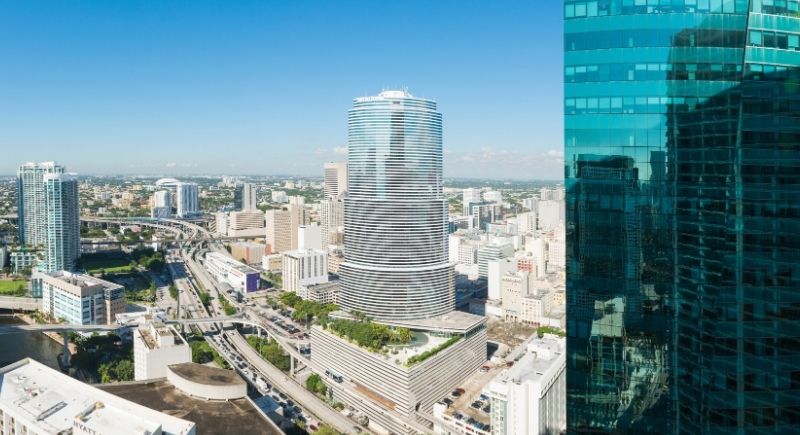
Credit: Getty Images
Tourism keeps Miami’s economy buzzing and its roads packed. Seasonal visitors, cruise traffic, and development worsen traffic congestion. Delays spike during peak travel months, but daily backups are now routine. I-95 through downtown turns into a parking lot twice a day like clockwork, and surface streets don’t offer any escape when highways are jammed. With a fatal crash rate of 11.8 per 100,000 residents, these delays come with actual danger.
Atlanta
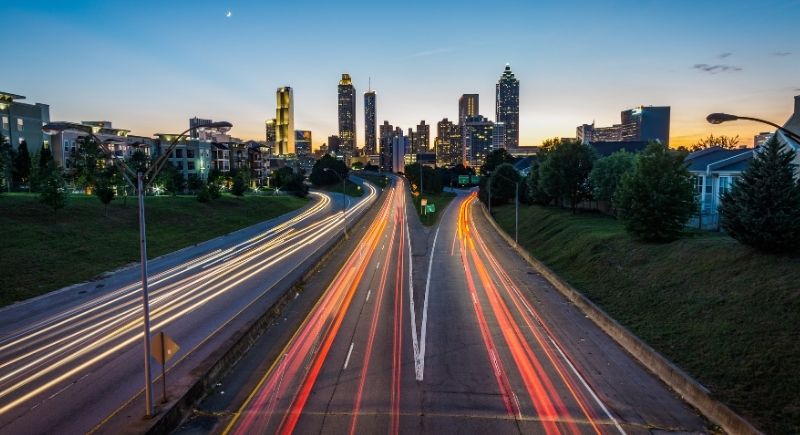
Credit: pexels
Atlanta’s massive highway network struggles to keep up with constant demand. Despite wide interstates, drivers lose several hours each year to congestion. Suburban sprawl funnels commuters into limited downtown routes, while crashes quickly trigger cascading delays. As a top U.S. business hub, companies relocating here mean additional vehicles on already overcrowded roads.
Houston
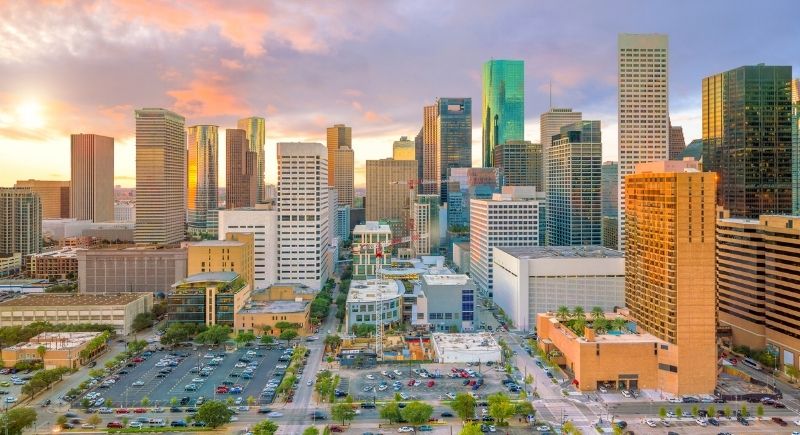
Credit: Getty Images
Everything is bigger in Houston, including the commute. The metro’s vast sprawl forces long drives, and even multi-lane freeways struggle under the load. According to INRIX, drivers lose dozens of hours a year to congestion, often triggered by crashes or sudden weather shifts. When storms hit, frontage roads flood, and options disappear.
Washington, D.C.
Credit: Getty Images
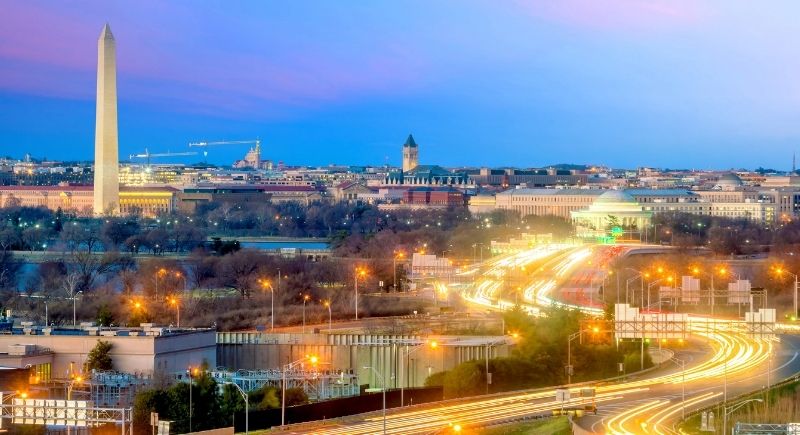
Traffic in Washington, D.C., reflects the city’s complexity. Federal offices, tourism, protests, and security closures collide daily. Drivers lose time annually to unpredictable delays. Motorcades and road restrictions can disrupt traffic flow instantly, even outside peak hours.
Seattle
Credit: pexels
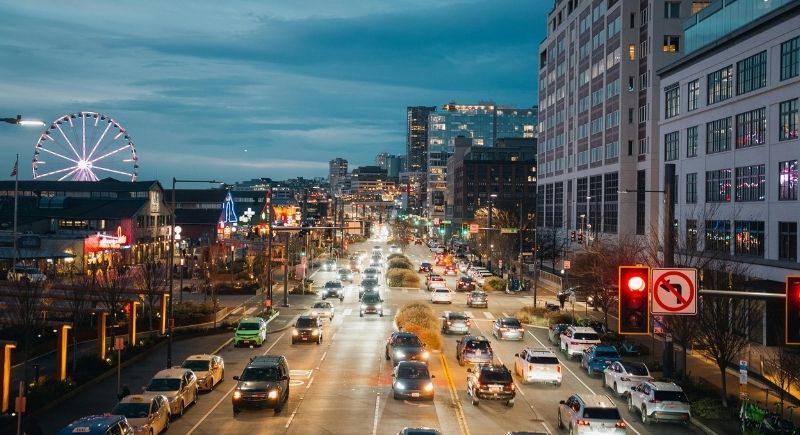
Thanks to the city’s tech boom, Seattle has packed workers into the metro area without building enough roads to handle them. With bridges and tunnels doing the heavy lifting, congestion builds quickly once volume peaks. Drivers lose more than 60 hours a year navigating chokepoints near downtown. Rain slows everything further, and a single bridge incident can freeze movement citywide.