10 Cities That Are Sinking Faster Than Venice
Most of us assume cities stay exactly where they are. The streets feel solid, the buildings feel permanent. But in many places, the ground is slowly sinking. Venice gets all the attention, yet it is nowhere near the fastest. Around the world, entire cities are settling downward at alarming rates, often faster than the sea itself is rising. For the people living there, the change is not theoretical. It shows up in cracked roads, frequent flooding, and neighborhoods that feel a little lower every year.
Jakarta
Credit: pexels
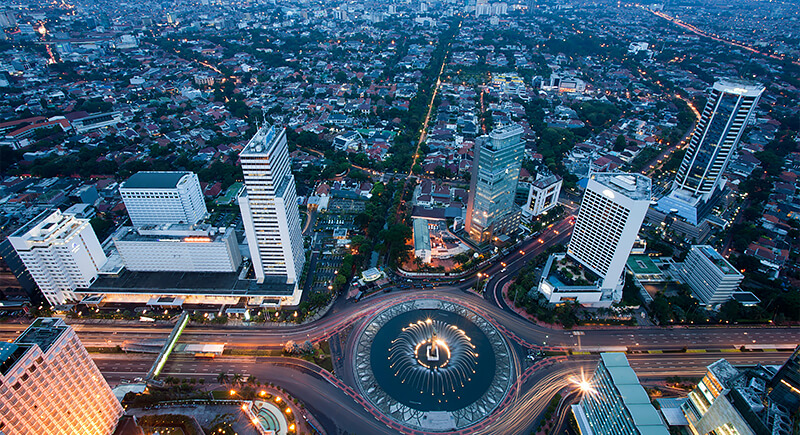
In parts of Jakarta, flooding isn’t something that only happens during major storms. Streets fill up because the land itself continues to sink. Many households rely on private wells because piped water is unreliable, and extracting that water weakens the ground below. Entire neighborhoods sink year after year, which turns basic errands into logistical problems.
Bangkok
Credit: Wikimedia Commons
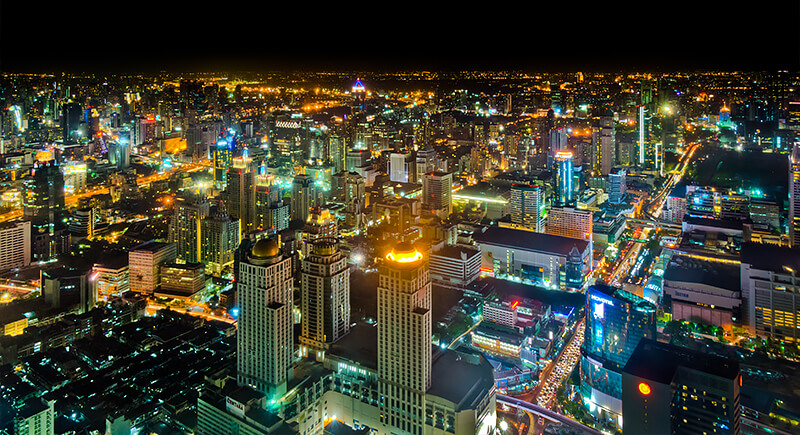
Bangkok doesn’t have much elevation to spare, which makes every small change matter. The city’s sinking shows up in how often it has to recalibrate. Roads get raised, and drainage systems are constantly adjusted. The ground moves slowly enough that nothing collapses overnight, but fast enough that long-term fixes never feel finished.
Dhaka
Credit: Wikimedia Commons
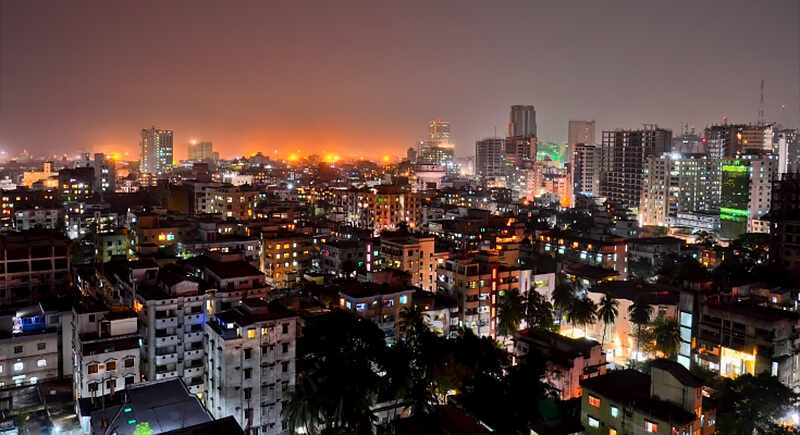
Life in Dhaka is already crowded, and sinking ground adds another layer of difficulty. The city is built on delta soil that shifts easily under pressure from constant construction and water extraction. During monsoon season, drainage systems can quickly become overwhelmed, disrupting work, school, and transportation for millions of people at once.
Manila
Credit: Wikimedia Commons
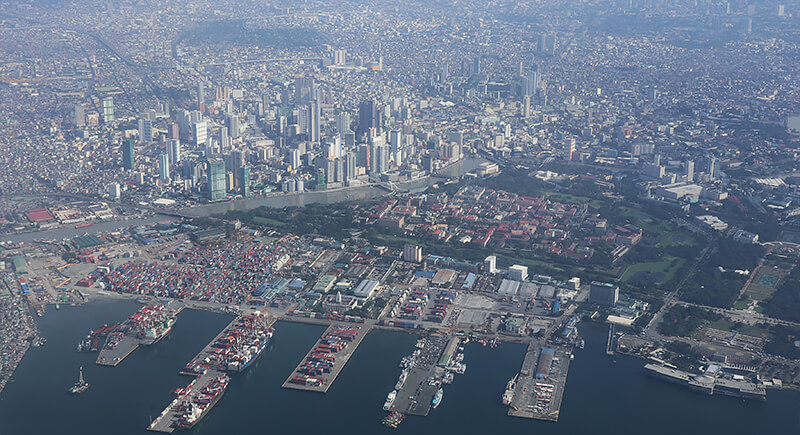
From above, Manila looks stable, but on the ground, the change is apparent. Satellite data shows certain coastal areas steadily dropping, which helps explain why storm surges now reach places they didn’t before. During typhoon season, flooding doesn’t come as a surprise, but rather a recurring disruption that people brace for.
Ho Chi Minh City
Credit: Wikimedia Commons
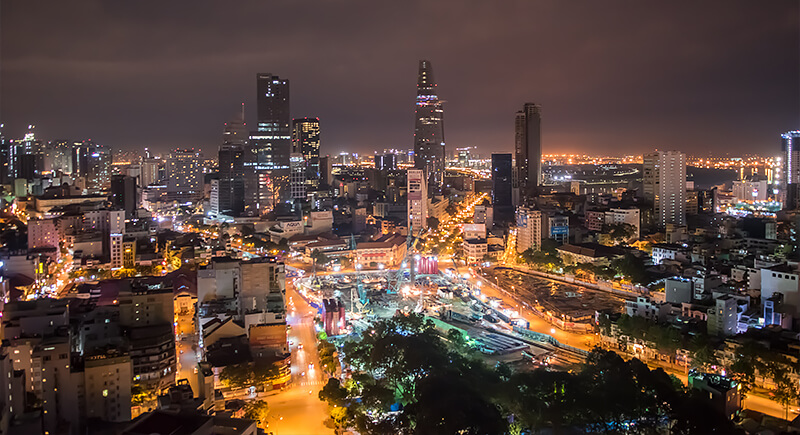
In Ho Chi Minh City, ground subsidence has become part of everyday reality. Some neighborhoods drop a little more each year. Streets drain differently, and buildings show signs of strain sooner than expected. The change shows up in ordinary details. Sidewalks no longer sit level. Puddles remain after storms. Water gathers in areas that once stayed dry.
New Orleans
Credit: Wikimedia Commons
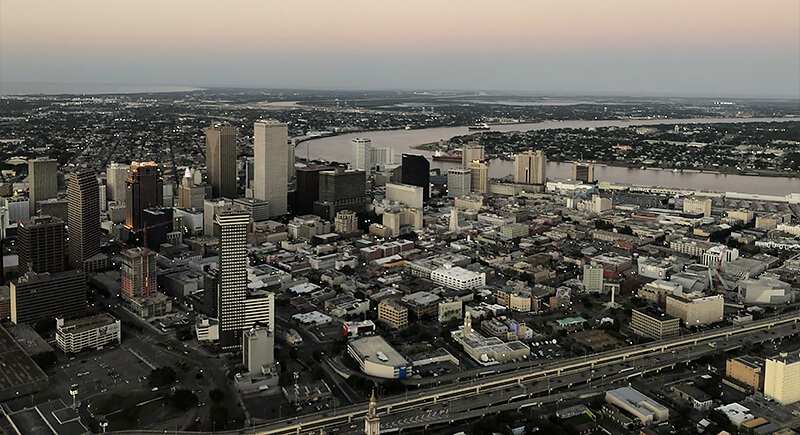
Living below sea level has always shaped daily life here, but sinking ground raises the stakes. The city is built on wetlands, and the land slowly compresses while levees and pumps work nonstop to keep water out. Maintenance never really ends, causing insurance costs to rise, while the cost of elevating homes becomes part of the long-term calculation for staying.
Lagos
Credit: Wikimedia Commons
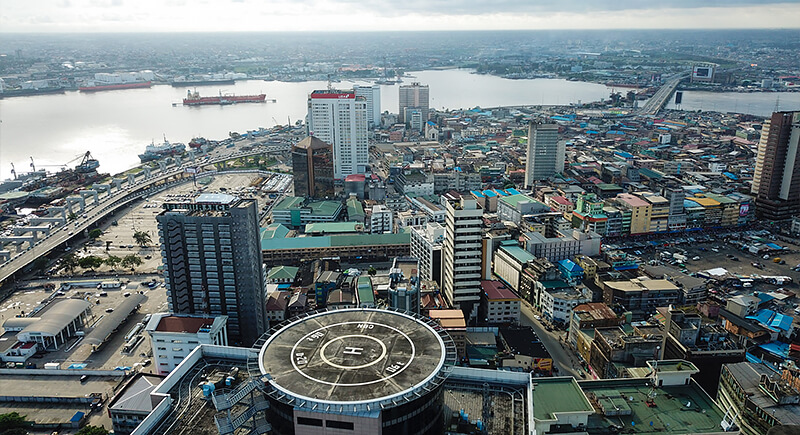
Construction in Lagos pushes outward faster than planning can keep up as people arrive in search of work, especially near the coast. The buildings go up quickly, often ahead of regulation, and pulling water from the ground makes the land less stable. When streets wash out, the impact is immediately noticeable.
Shanghai
Credit: Wikimedia Commons
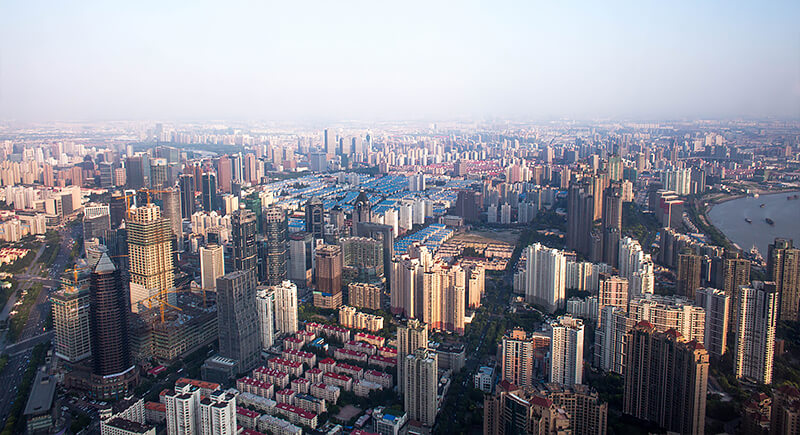
Years ago, subsidence forced Shanghai to pay close attention to what was happening underground. Heavy pumping and rapid development led to visible subsidence, which prompted strict controls that slowed the pace. Even now, the city closely monitors tiny changes as ports, subway lines, and older districts depend on that vigilance while growth continues.
Mexico City
Credit: Wikimedia Commons
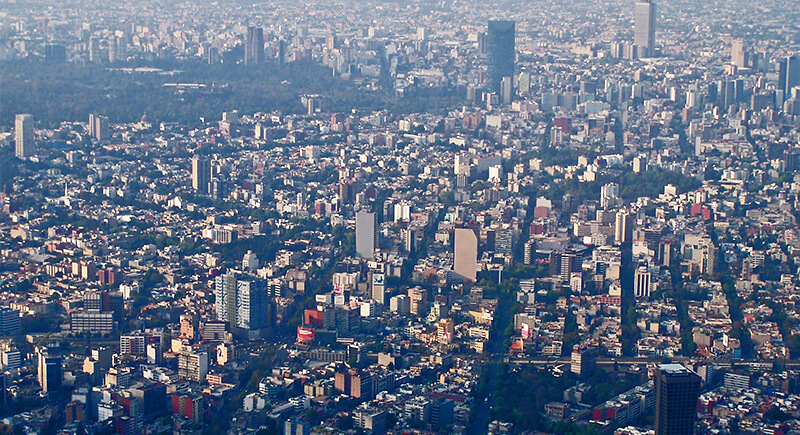
What looks solid from street level often isn’t. The city’s roots lie on an ancient lakebed, which is why it is sinking unevenly. Engineers can’t treat the city as a single problem with clear solutions. Some blocks drop faster than others, twisting roads and stressing foundations in unpredictable ways.
Alexandria
Credit: iStockphoto
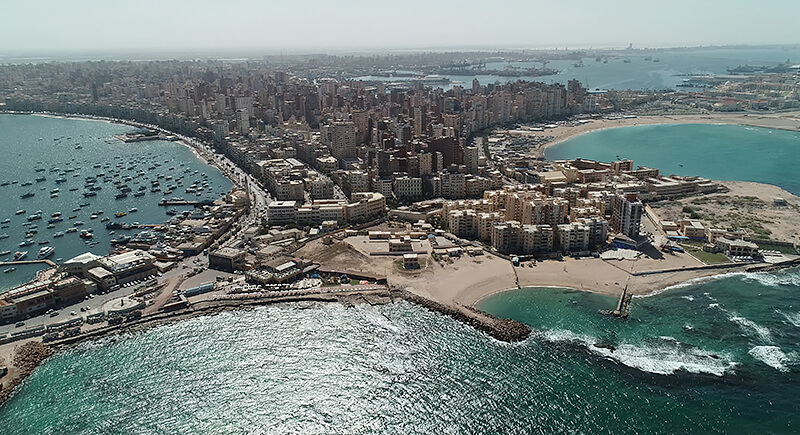
Along Egypt’s Mediterranean coast, water presses in from two directions. Rising seas meet sinking land, pushing saltwater into streets and historic neighborhoods during storms. Flooding impacts tourism, housing, and daily transportation within the city. Protecting centuries of history now competes with the practical need to keep neighborhoods dry.