9 Cities That Pay You to Move There
Getting paid to move sounds wild at first, but these programs exist for practical reasons. Some cities are losing residents. Others want skilled workers, remote employees, or new energy in empty neighborhoods. The checks are real, but they come with expectations. Here are the cities offering relocation money, and what life actually looks like once you arrive.
Tulsa, Oklahoma

Credit: Getty Images
Remote workers drawn in by a $10,000 offer quickly learn the money comes with homework. The Tulsa Remote program requires proof of outside employment and a real move within a year, with payments spread out to keep people anchored. In Tulsa, housing stays approachable, but settling in often means figuring out life beyond coworking happy hours.
Alaska
Credit: Getty Images
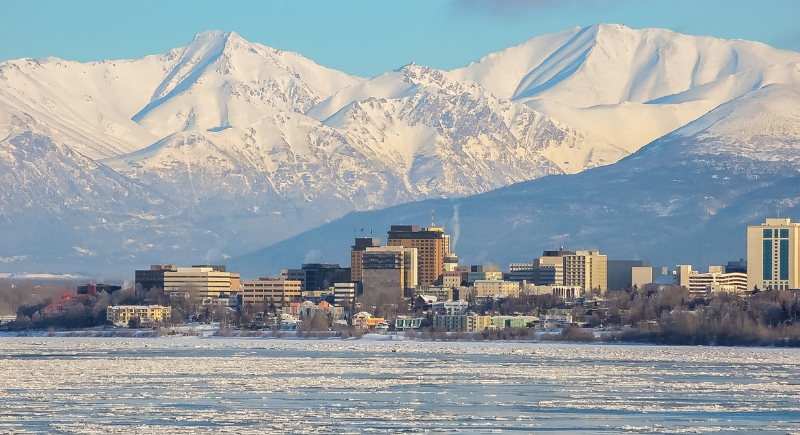
After twelve full months of living here, residents qualify for the Permanent Fund Dividend, which paid about $1,700 in 2024. That check lands differently once winter routines set in. In Alaska, daylight swings, travel costs, and isolation shape daily decisions far more than cash does.
Albinen, Switzerland
Credit: Wikimedia Commons
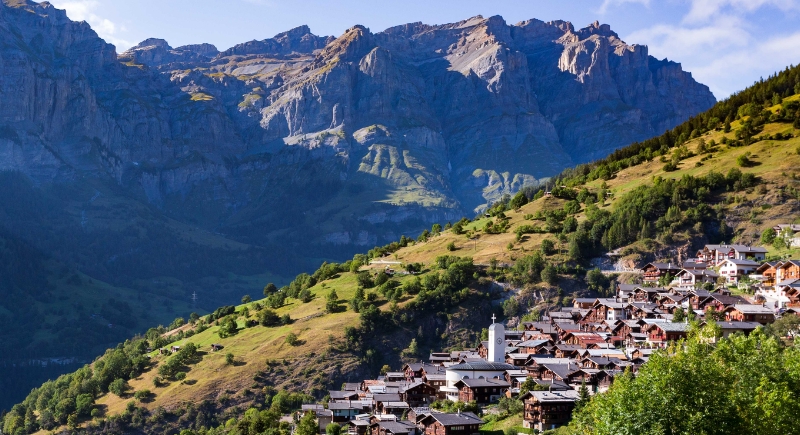
The relocation payment applies to adults under 45 who buy a home and commit to living there for at least ten years, or return the money. Property prices are lower than in nearby resort towns, but daily life is small and communal. New residents stand out quickly, and short stays rarely blend into the background.
Ambroz Valley, Spain

Credit: Wikimedia Commons
Payments can reach about $15,000, but they arrive in stages and depend on staying for at least two years. The program focuses on keeping small villages populated rather than supporting short stays. Housing is inexpensive, while daily life involves limited services and long gaps between basic errands.
Santiago, Chile

Credit: Getty Images
Start-Up Chile provides equity-free funding, visas, and workspace, but requires teams to live locally while building. In Santiago, rent costs more than many expect, while transit, universities, and dense neighborhoods make day-to-day life manageable. The program works best for people who are comfortable blending startup pressure with a full relocation.
Remote Irish Islands

Credit: Wikimedia Commons
Life here runs on tides, and the offer only makes sense once you picture the houses it’s meant for. Many have sat empty for years, reachable only by ferry and cut off when the weather turns. Ireland’s renovation grants can reach about $72,000, but only if the home becomes a real residence or long-term rental.
Quilpie, Queensland
Credit: Wikimedia Commons
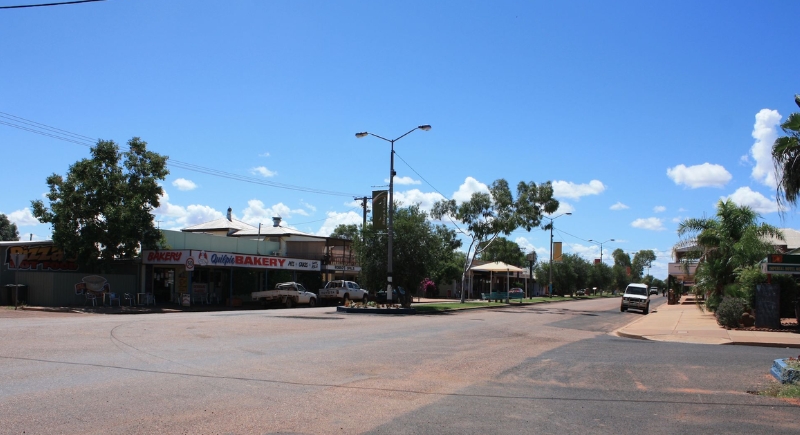
Building a house in Quilpie is part of the test, because the council’s roughly $12,000 incentive helps with construction costs, but everything else is on you, from builders to timelines. Land stays cheap, often under $50,000, yet distance shapes daily life in Quilpie. Heat, limited services, and tight-knit routines replace convenience very quickly.
Baltimore, Maryland

Credit: Canva
In Baltimore, rowhouse prices vary block by block, so the real work is learning neighborhoods. The money helps, but local knowledge matters more. This incentive tends to matter most after you’ve already started house hunting. Baltimore’s program offers up to $5,000 in closing-cost assistance, distributed by lottery and paired with mandatory classes.
New Haven, Connecticut

Credit: Getty Images
People usually encounter this incentive after losing one bid and winning another that they didn’t expect. The city’s $20,000 assistance only appears once paperwork is underway, and it quietly ties you to a five-year clock. In New Haven, proximity to Yale skews prices block by block, so the money is like insurance against overcommitting too fast.
Saskatchewan, Canada

Credit: Canva
By the time money enters the conversation, the hard part is already clear. Rural clinics across Saskatchewan struggle to retain healthcare staff once winter sets in, so grants of up to about $35,000 are disbursed over several years. Homes around $125,000 help, but the real adjustment comes from long commutes, subzero mornings, and professional isolation that no bonus fully offsets.