Chasing the Dream Along the Secret Trails of the Legendary Hollywood Sign
The first time you notice the Hollywood Sign, it usually feels underwhelming. It sits far up in the hills, smaller than you imagined, easy to miss if you’re distracted for even a second. Then you make your way into Griffith Park and start walking, and everything changes. What looked distant and flat suddenly feels real, like something you can actually reach if you’re willing to put in a bit of effort.
That’s where it gets interesting. You can’t just walk up to it from anywhere. Residential streets in the Hollywood Hills are restricted, so you have to start from proper trailheads and follow public routes. It slows you down in a good way. Instead of snapping a quick photo and leaving, you end up committing to the walk, and that shift makes the experience feel more personal.
A Landmark That Keeps Its Distance
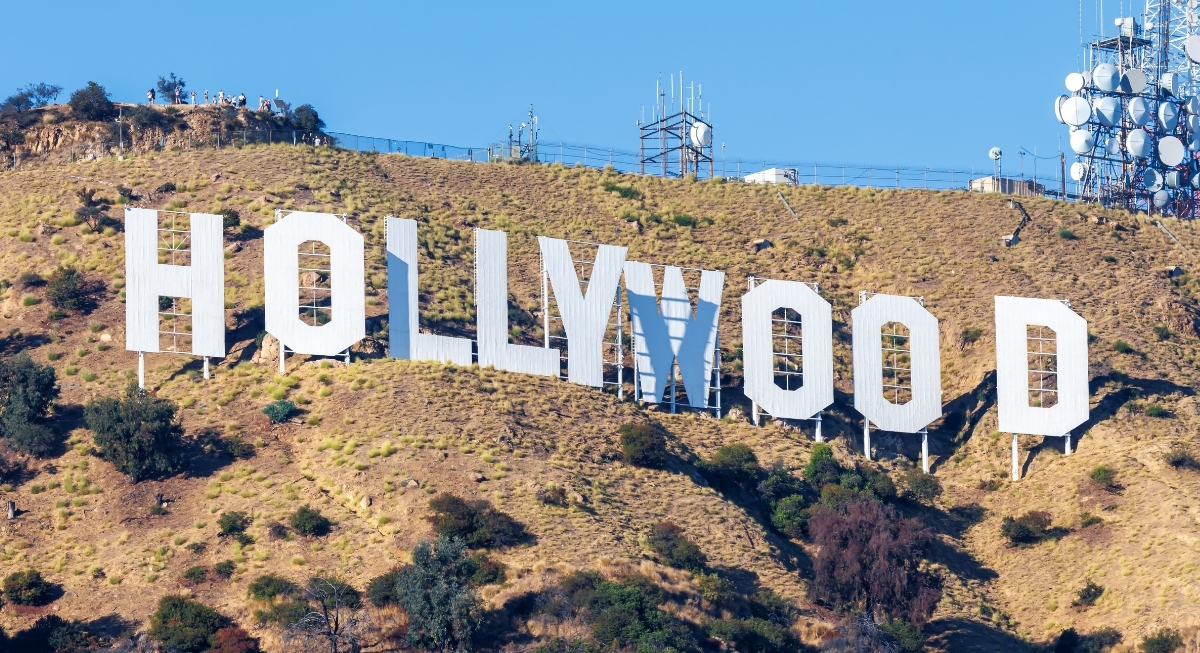
Image via Canva/Markus Mainka
Even though the letters are 45 feet tall and the whole thing spans about 450 feet, the Hollywood Sign has a way of looking smaller than you’d expect. This is mostly due to the scale of the Santa Monica Mountains.
Because of security and preservation, you can’t actually touch the letters. There are fences, cameras, and plenty of signs that make it clear the area is off-limits. This restriction actually helps the experience. Instead of a crowded platform right at the base, you end up searching for the best ridge or the highest peak to get a clean line of sight. It keeps the landmark feeling slightly untouchable, which preserves the mystery a bit.
The Trails Change Everything
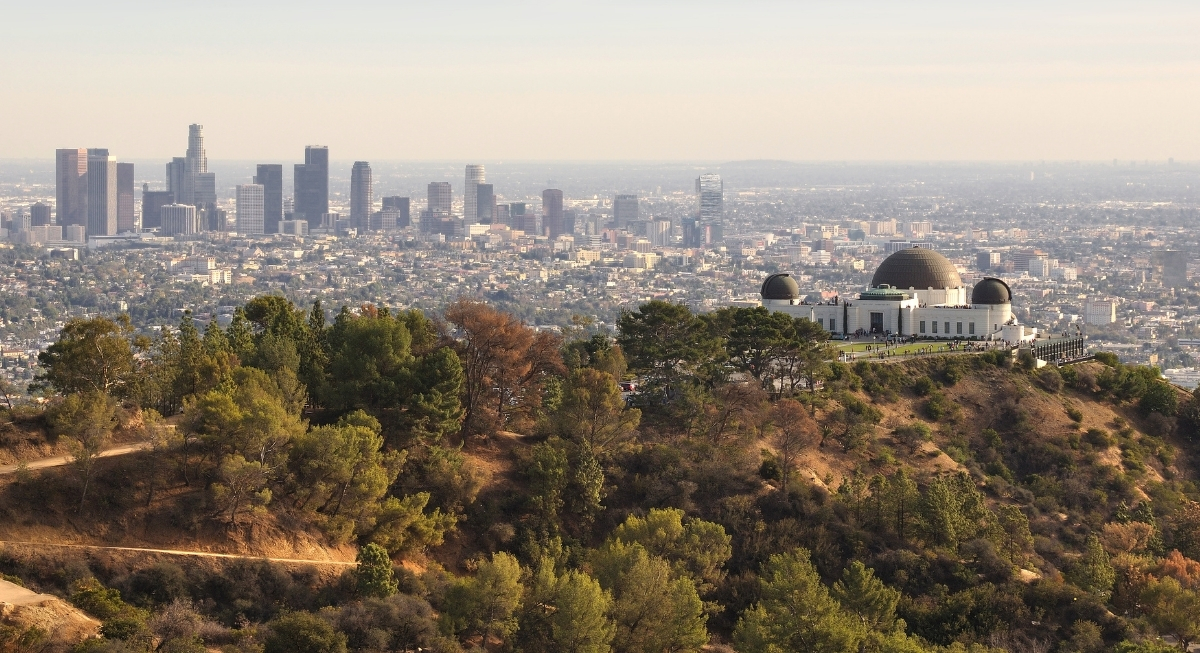
Image via Canva/chonesstock
Everything changes once your boots hit the dirt. Griffith Park is massive, and the trails leading to Mt. Lee don’t offer a straight shot. If you take the Brush Canyon Trail or start near Canyon Drive, the sign plays hide-and-seek. You’ll hike for twenty minutes and see nothing but sagebrush and dust, then you’ll round a corner and the “H” will suddenly tower over the ridge.
These paths aren’t necessarily grueling, but they are honest. The sun is usually unforgiving, and the incline is steady enough to make you appreciate your water bottle. It feels like a real hike, which grounds the whole “Hollywood” fantasy in something tangible and physical.
Paths That Feel Personal
The trail you pick changes everything. Stick to the main dirt roads and you’ll have company the whole way. Take a smaller turnoff, though, and it starts to feel different. The noise fades, the pace slows, and for a while, it’s just you moving through the hills. You’ll pass a few locals walking their dogs or runners squeezing in miles before the day picks up, and the Hollywood Sign becomes something in the background rather than the main event.
There’s no single “right” way to do it. You can keep it easy on the paved paths or push yourself a bit on the steeper, narrower trails. Either way, the sign doesn’t show itself all at once. It comes into view in pieces, and that gradual buildup is what makes it stay with you.
When The View Finally Lands
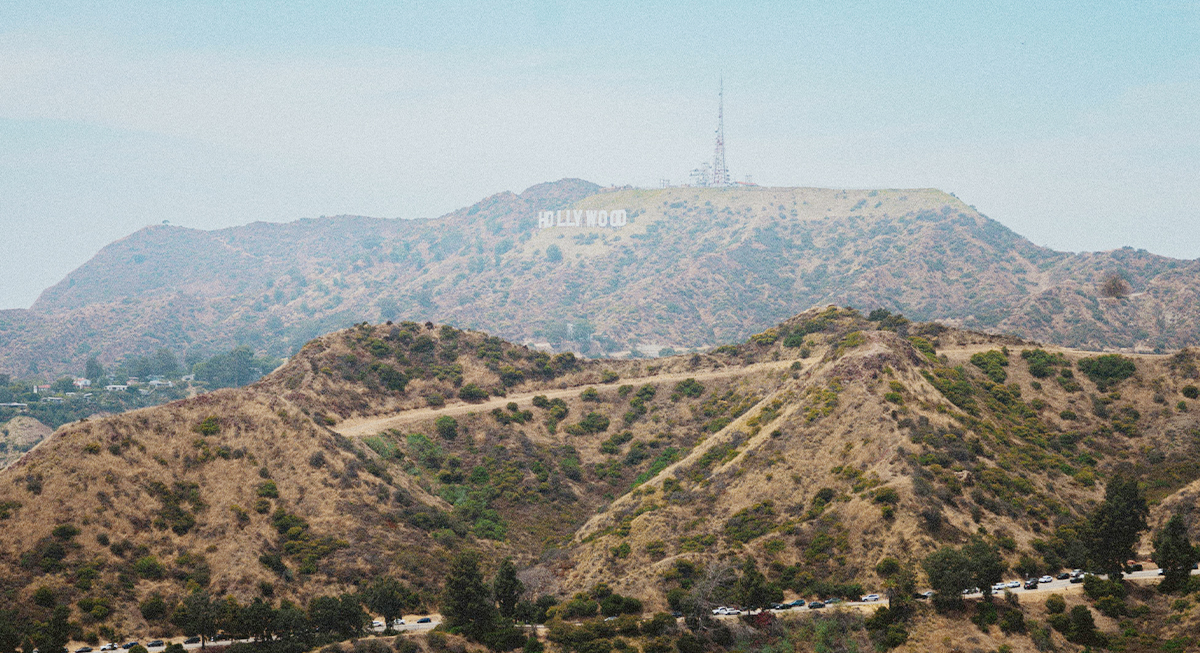
Image via Pexels/Martii Tolentino
The real payoff comes at the top of Mount Lee, right behind the Hollywood Sign. You stand at the back of it, looking through a chain-link fence as Los Angeles stretches out toward the Pacific Ocean. It flips the usual view. You’re not looking up anymore.
By then, the sign isn’t the main thing. The walk, the climb, and the time it took to get there matter more. You don’t get the view all at once, and that’s what makes it stay with you.