Top 10 Biggest Snowstorms Registered in Central Park
Snowfall in New York City is officially measured in one place: Central Park. Since 1869, that single stretch of green has served as the city’s weather memory, logging storms that shut down transit and reshaped winter expectations. The biggest snowstorms are defined as dumping at least 12 inches, according to the National Weather Service. These 10 storms are at the very top of that record and show how often history repeats itself.
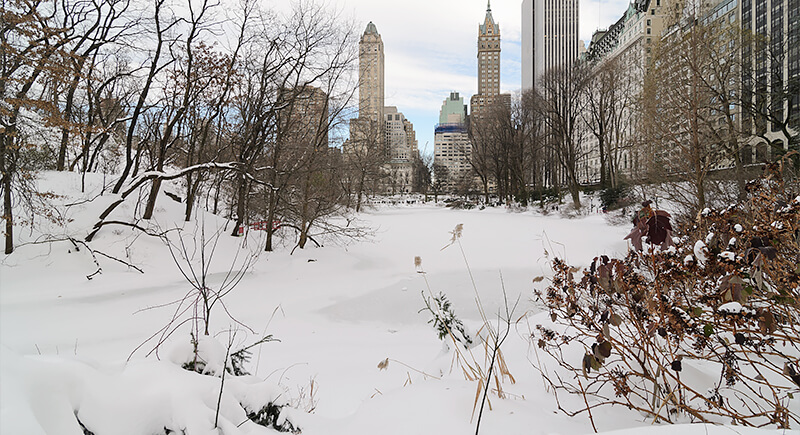
January 22–24, 2016 (27.5 inches)
Credit: Wikipedia
January’s 2016 blizzard reset expectations for modern winter storms in New York City. Central Park recorded the highest snowfall ever measured there, prompting a citywide travel ban. Subway service shut down completely, roads emptied, and plowing focused on emergency routes. Snow fell over several days.
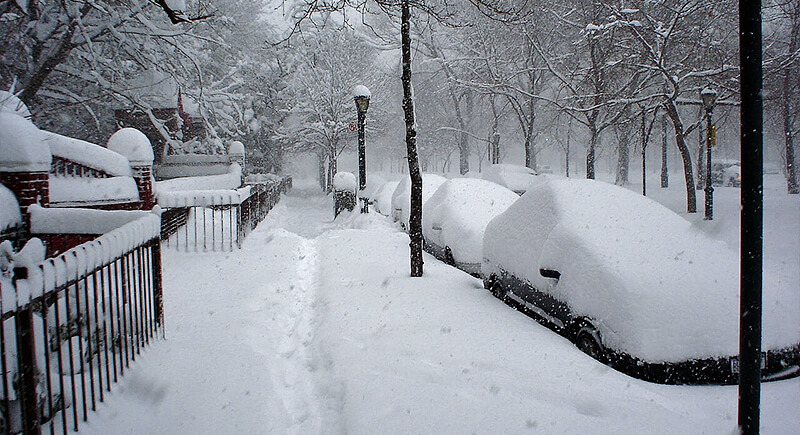
February 11–12, 2006 (26.9 inches)
Credit: Wikipedia
Heavy snowfall dominated mid-February in 2006, pushing Central Park totals near the top of the historical record. At the time, the storm ranked second all-time and strained snow-removal resources across the city as crews worked extended shifts amid cold overnight conditions throughout operations. Snow fell continuously for almost two days, with little mixing.
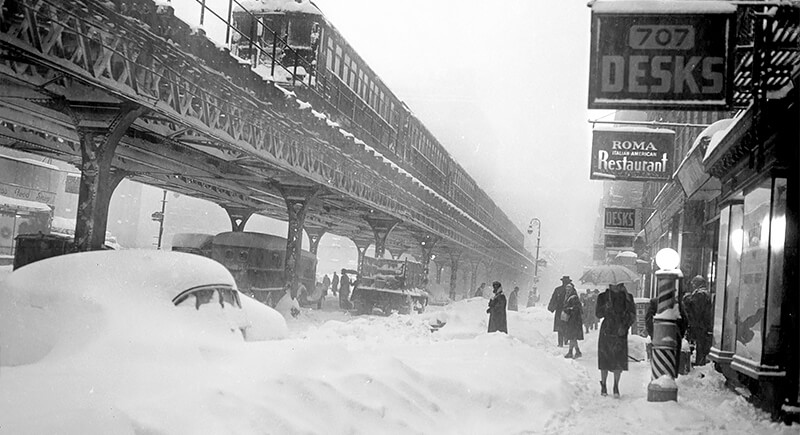
December 26–27, 1947 (26.4 inches)
Credit: nydailynews
Residents returning from holiday travel in 1947 faced one of the city’s worst surprises. Central Park experienced one of its largest snowfalls, with forecasting tools offering little warning. Streets clogged quickly, cleanup lagged, and towering snowbanks lingered into January.
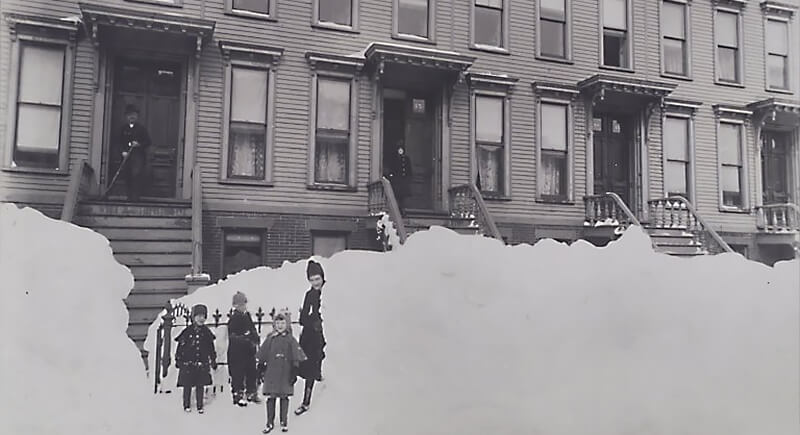
March 12–14, 1888 (21.0 inches)
Credit: Wikipedia
The March 1888 blizzard arrived with relentless snow and strong winds that overwhelmed 19th-century infrastructure. Central Park logged one of its earliest extreme totals as rail travel stopped and communication lines failed. Food deliveries slowed, and streets vanished under drifts, as the storm reshaped how cities planned future transportation following widespread urban disruption across the northeastern United States.
February 25–26, 2010 (20.9 inches)
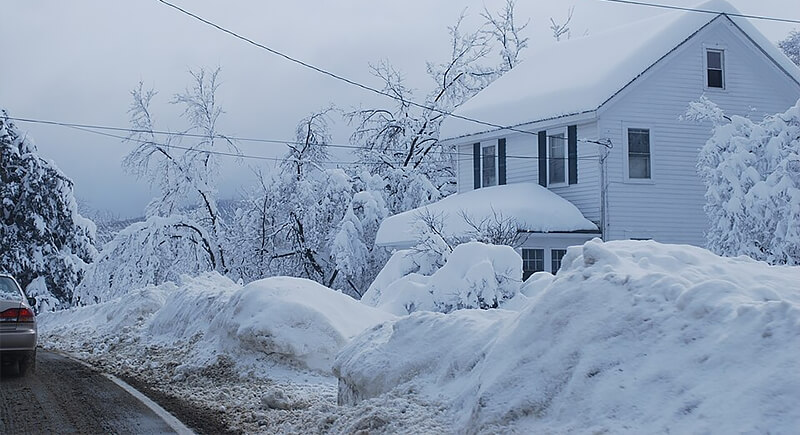
Credit: Wikipedia
A late February system in 2010 added to an already exhausting winter season. Central Park recorded one of its largest totals after several earlier storms narrowed streets and sidewalks. Plowing crews faced limited space to move snow, which made cleanup slower and more complicated than the final snowfall count suggested.
January 7–8, 1996 (20.2 inches)
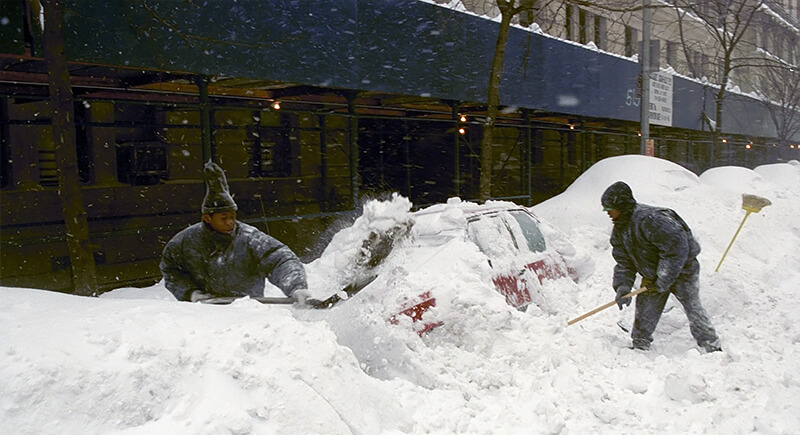
Credit: nydailynews
Early January 1996 brought a storm that shut down daily life across the Northeast. Central Park saw one of its most disruptive snowfalls as transit systems closed and schools stayed dark for days. Melting snow later triggered flooding and extended the storm’s impact well beyond the initial accumulation period across surrounding regions, including coastal communities and inland river basins, nationwide.
December 26–27, 2010 (20.0 inches)
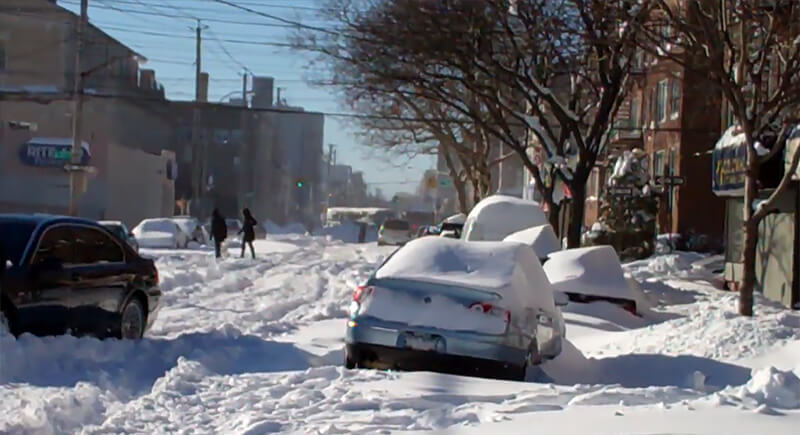
Credit: Youtube
Another holiday storm closed out 2010 with significant snowfall in Central Park. Accumulation accelerated overnight, catching travelers mid-journey and delaying post-Christmas returns. Cleanup stretched for days, drawing criticism as residential streets remained buried while main roads received priority attention from city officials, and residents were frustrated by uneven plowing progress amid freezing temperatures across outer boroughs and nearby suburban regions.
February 16–17, 2003 (19.8 inches)
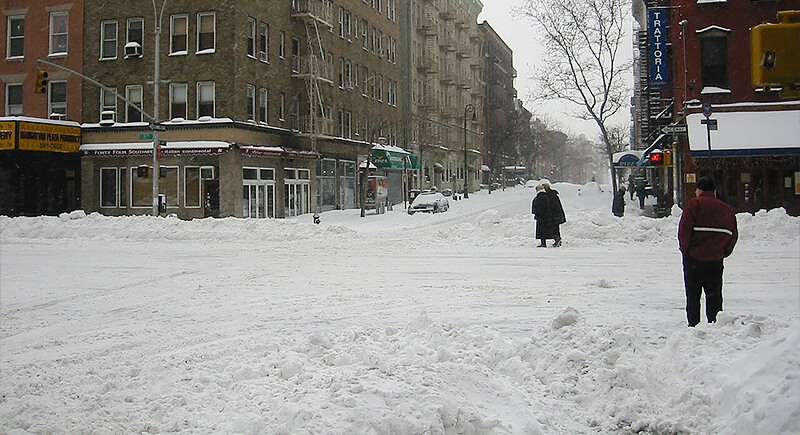
Credit: Wikipedia
Presidents’ Day weekend in 2003 coincided with one of the region’s most memorable winter storms. Central Park logged a top-tier snowfall while travel plans unraveled. Heavy snow stretched across the Northeast, placing the event among the most geographically extensive blizzards of its decade, affecting major cities from Washington, DC, through New England during prolonged snowfall regionwide that weekend.
January 26–27, 2011 (19.0 inches)
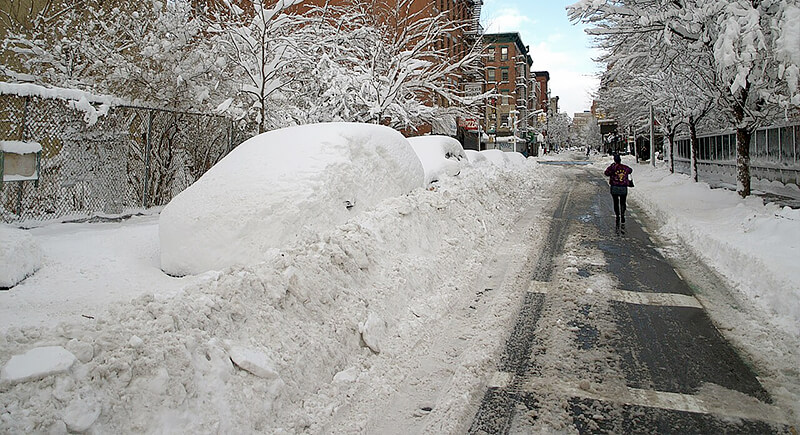
Credit: Wikipedia
Snow piled up quickly during a fast-moving system in late January 2011. Central Park recorded one of its highest overnight accumulations as snowfall rates intensified after dark. Morning commutes were abandoned, and plows struggled to keep pace during the most intense hours amid limited visibility and rapidly deteriorating street conditions throughout the city and surrounding metropolitan areas.
January 22–24, 1935 (18.1 inches)
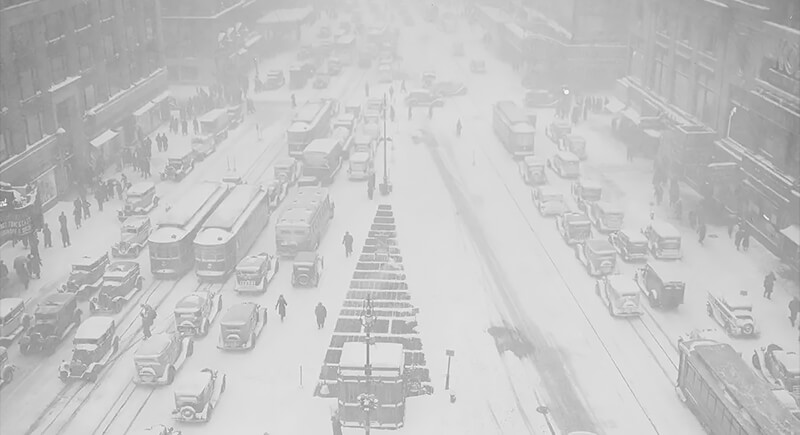
Credit: nydailynews
Slow, steady snowfall characterized the January 1935 storm. Central Park’s accumulation built over multiple days, eventually ranking among the largest totals of its era. For decades, the storm served as a benchmark whenever heavy snow blanketed the city during winter events, as recorded by official observers maintaining long-term weather records since the 19th century within Central Park’s citywide archives.