8 Caribbean Islands That Are Actually Safer Than Miami
Miami is often associated with beaches and nightlife, but crime statistics show that some neighborhoods experience higher-than-average violent crime. In contrast, several Caribbean islands maintain stronger safety records, particularly in areas where most visitors spend time. These places combine low violent crime rates, visible security, political stability, and healthcare systems capable of handling serious emergencies.
Anguilla
Credit: Wikimedia Commons
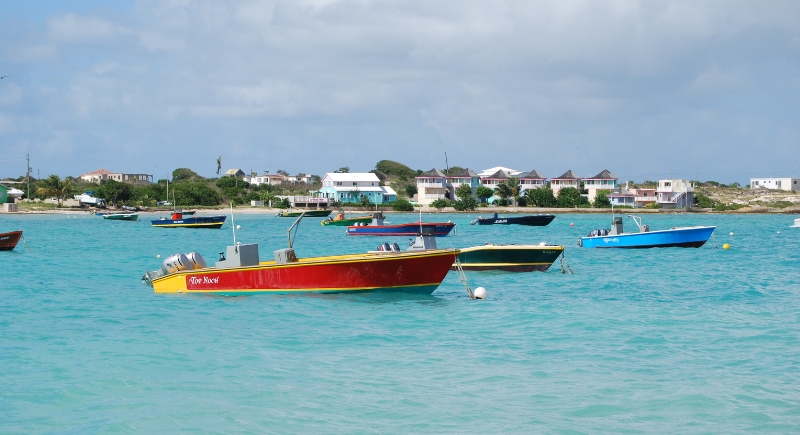
This island regularly reports fewer than two serious crimes per 1,000 residents each year. Police response times remain under ten minutes because there is a single main road and limited sprawl. Visitors often walk between beach hotels and restaurants after dark without issue, as supported by travel surveys. The local hospital handles routine emergencies and uses daily airlifts to Puerto Rico for complex care.
Cayman Islands
Credit: Wikimedia Commons
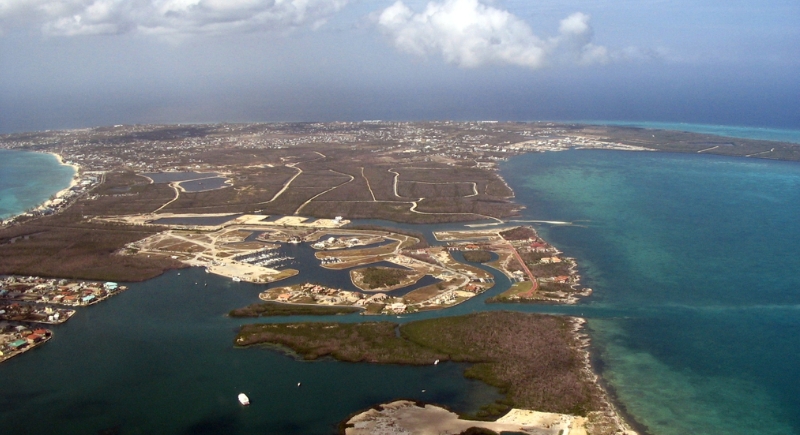
Strict gun laws help keep violent crime low across Grand Cayman, where most visitors stay. Uniformed officers patrol Seven Mile Beach on foot and by bike until midnight. The island operates a cardiac center and hyperbaric chamber that meet United States medical standards.
Bonaire
Credit: Wikimedia Commons
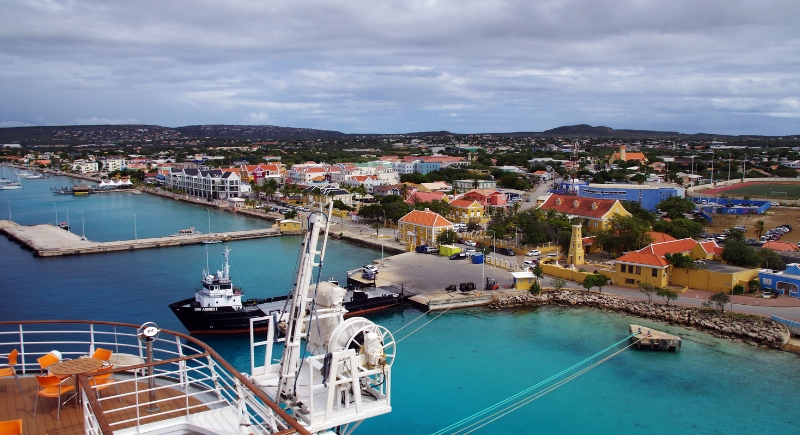
Bonaire stands out for its low level of violent crime and a strong sense of respect for property. The island lies outside the main hurricane belt, which reduces the kinds of emergencies that can overwhelm local services elsewhere. Roads are well-maintained and clearly marked. For serious medical needs, care is closely linked to the Netherlands.
Turks and Caicos
Credit: Getty Images
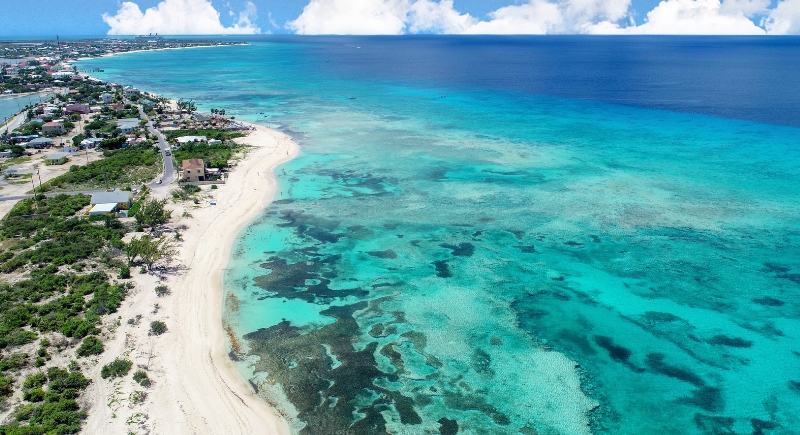
Following a brief spike in crime in 2022, the expansion of policing led to a 40% drop in robberies by 2024. Grace Bay Beach now has a daily police presence and better lighting along restaurant areas. Providenciales offers both public and private medical facilities with modern equipment.
Barbados
Credit: pexels
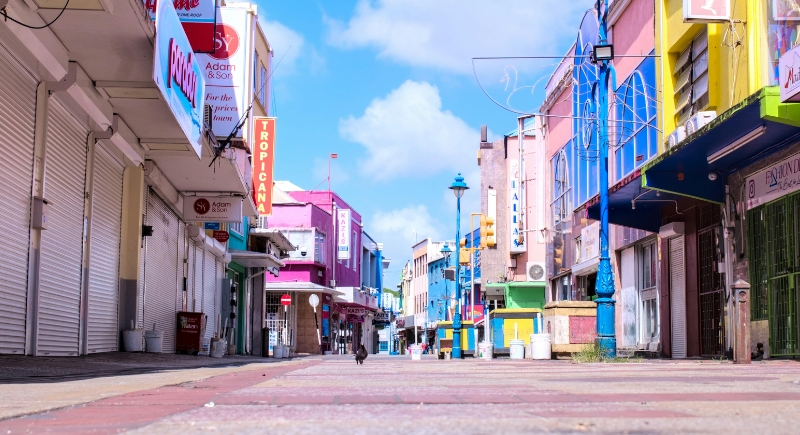
Barbados takes visitor safety seriously, with a dedicated Tourism Police Unit that regularly patrols hotel districts on scooters and in marked vehicles. The Queen Elizabeth Hospital offers comprehensive trauma care, a rarity for an island of this size. Barbados has also avoided a major hurricane since 1955, which has contributed to its long-term stability.
Saint Barthelemy
Credit: Wikimedia Commons
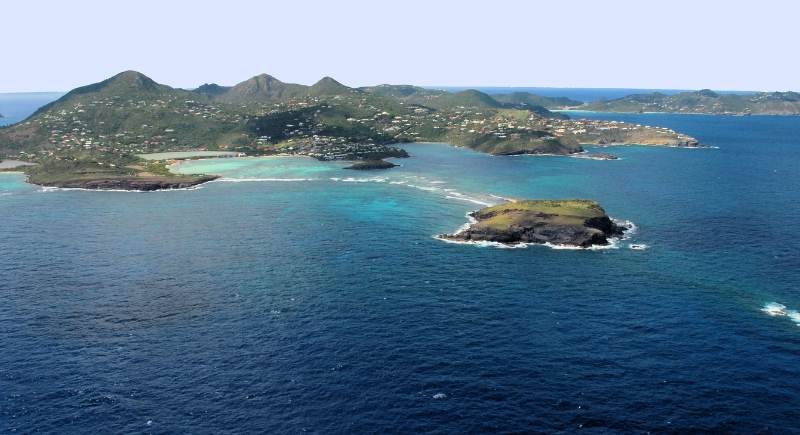
Saint Barthelemy’s French law enforcement and a small population keep violent crime close to zero. The island lacks large cruise ports, which limits crowd-related crime. Medical care follows French national standards, including helicopter evacuation options.
Antigua
Credit: Wikimedia Commons
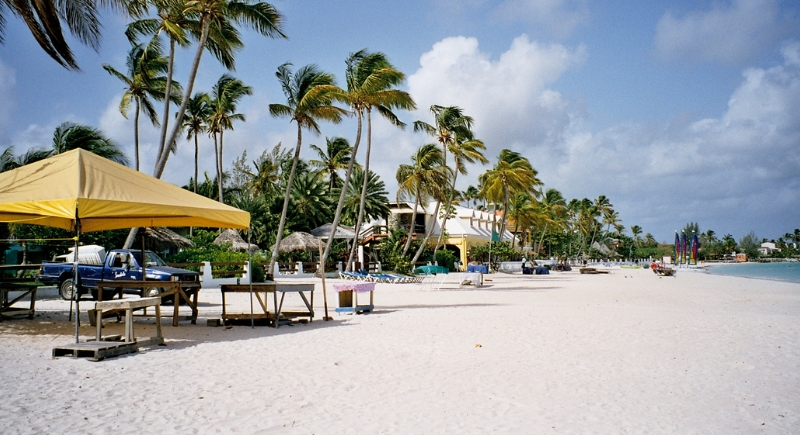
Crime has dropped by about 50% over the past decade, largely due to the expansion of CCTV and community policing. Permanent police posts are located at cruise ports and historic harbors. Mount St. John’s Medical Centre ranks among the best-equipped public hospitals in the eastern Caribbean.
British Virgin Islands
Credit: Wikimedia Commons
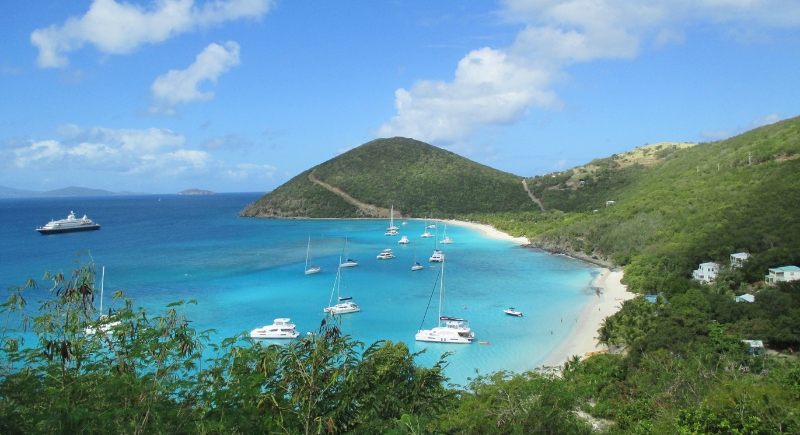
Police infrastructure improved significantly following the 2017 hurricanes, resulting in faster response times. Officers use high-speed boats to reach charter yachts quickly, which reduces maritime crime. Road Town Hospital expanded its services by opening new clinics on the outer islands.
Martinique
Credit: Getty Images
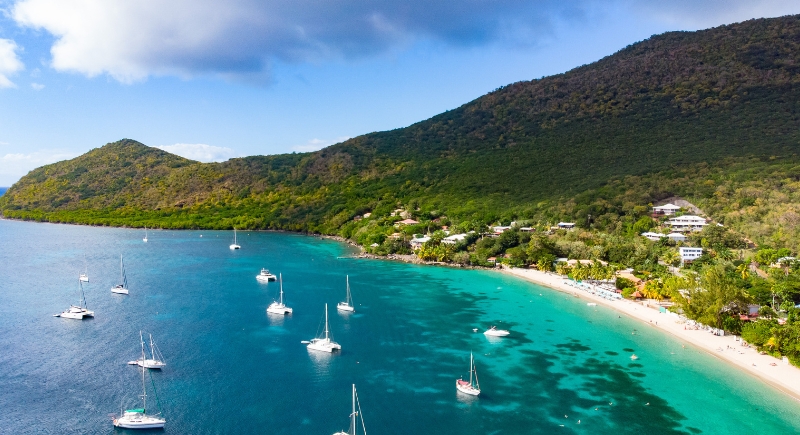
Crime levels mirror those of rural France rather than of a major American city. French gendarmes patrol in marked vans across tourist and residential areas. Hospitals meet European standards and include multiple decompression chambers for divers.
Dominica
Credit: Getty Images
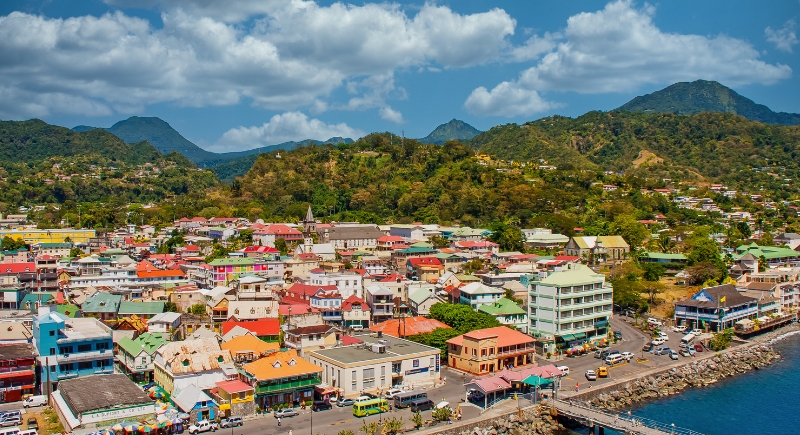
Small-village life fosters informal community oversight that discourages serious crime. Tourist police now accompany major hiking routes following a single incident in 2023. The main hospital in Roseau upgraded its emergency department with support from the World Bank.