How to Take a Camper Van Trip Like a Professional
A camper van trip is one of those things that sounds simple in theory—just pack a bag, start the engine, and hit the road. However, the difference between a chaotic scramble and a smooth ride often comes down to what happens before you even leave the driveway. These tips are for anyone aiming to travel smart, stay safe, and make the most of the road ahead.
Skip Hard Luggage Altogether

Credit: pexels
Suitcases with stiff shells take up more space than they earn. Duffle bags are the better call since they’re flexible, lightweight, and easier to shove into tight corners. You’ll be moving gear constantly as you convert beds and shuffle supplies. With duffles, you spend less time playing a frustrating game of rearrangement and more time enjoying the actual trip.
Maps Still Matter

Credit: pexels
Digital maps may be convenient, but they don’t always hold up when cell service disappears in the middle of nowhere. A paper map can be your backup plan, and in some cases, your only one. Plus, it’s easier to use when planning routes at camp, and you won’t drain your phone battery flipping between apps.
Don’t Cook While in Motion

Credit: Canva
Trying to make breakfast while the van barrels down a highway is a mistake people only make once. Open flame, boiling water, and sharp utensils should never be part of a moving vehicle’s scenery. Wait until you’ve parked somewhere stable before firing up the stove.
Pre-Book the Popular Campsites
Credit: Getty Images
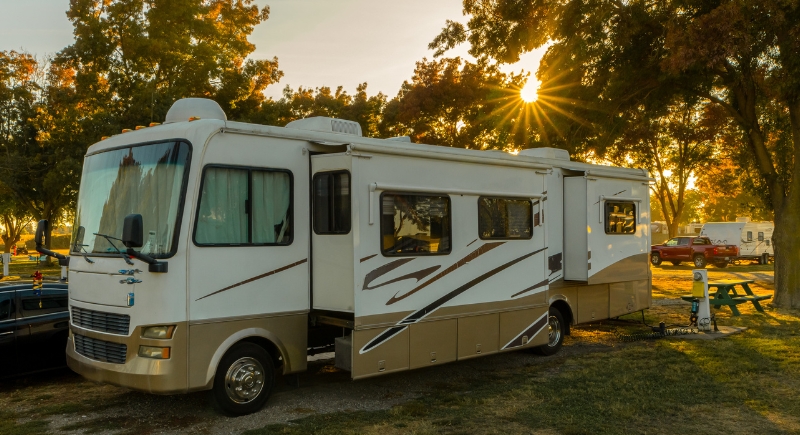
The best spots fill fast, especially in national parks during peak seasons. If you’re hoping for a lake view or a shaded lot near a trail, you’ll want to lock that down weeks ahead. Reservation platforms like Recreation.gov or Hipcamp can help you secure reliable locations without scrambling at the last minute.
Travel With Basic Tools and Safety Gear
Credit: pixelshot
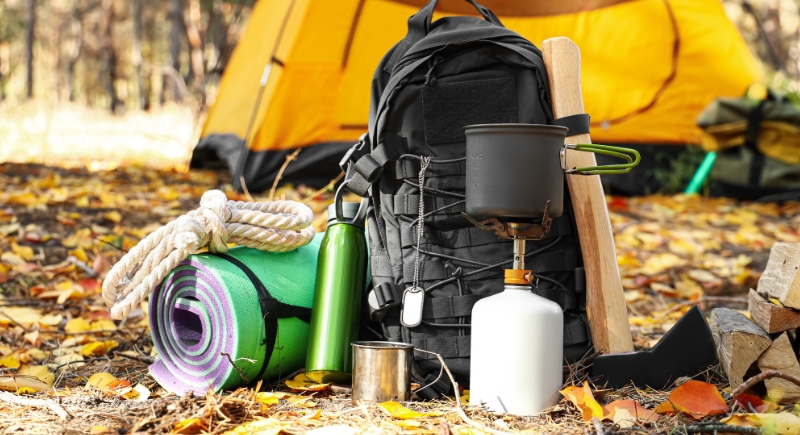
A compact toolkit and jump starter aren’t overkill. They’re the reason a flat tire doesn’t turn into an overnight crisis. Include essentials like a first aid kit, flashlight, and fire extinguisher. If you’re planning to venture off-road or into remote areas, traction boards and a backup power bank will serve you well.
Know Where to Dump and Refill
Credit: Canva
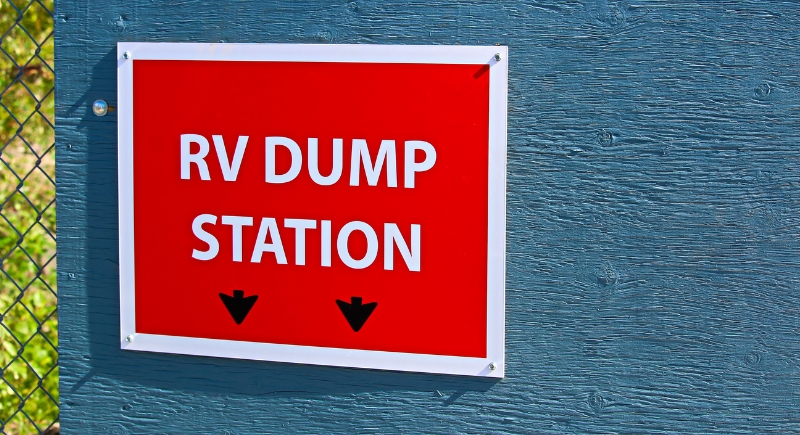
Van life comes with water logistics. Clean water tanks and toilet waste all need regular attention. Apps like iOverlander or Campendium often list the nearest dump stations. Avoid putting this off—trying to brush your teeth without fresh water or a place to rinse is a problem that’s easily avoided with a little planning.
Pack for Rain, Even in Summer
Credit: Getty Images
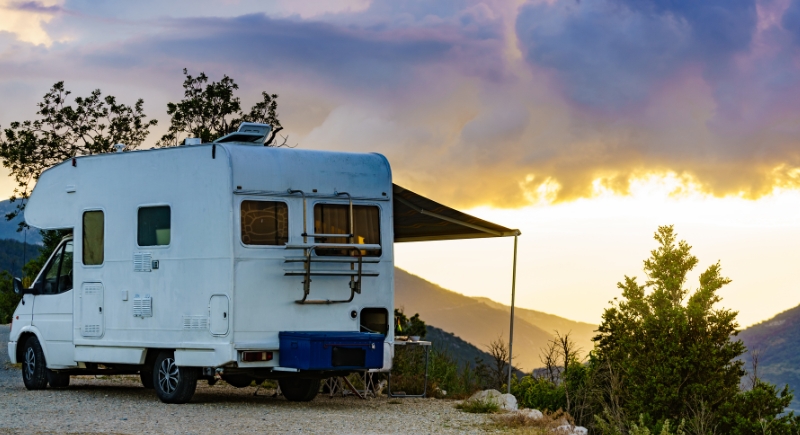
Weather forecasts change fast, and van interiors don’t mix well with wet clothes and damp gear. A rain jacket, waterproof boots, and an absorbent towel should always be within reach. Cold fronts in mountainous areas or coastal regions can roll in unexpectedly, so having warm layers on standby can make the difference.
Think Twice Before Crossing Borders With Strangers
Credit: Getty Images
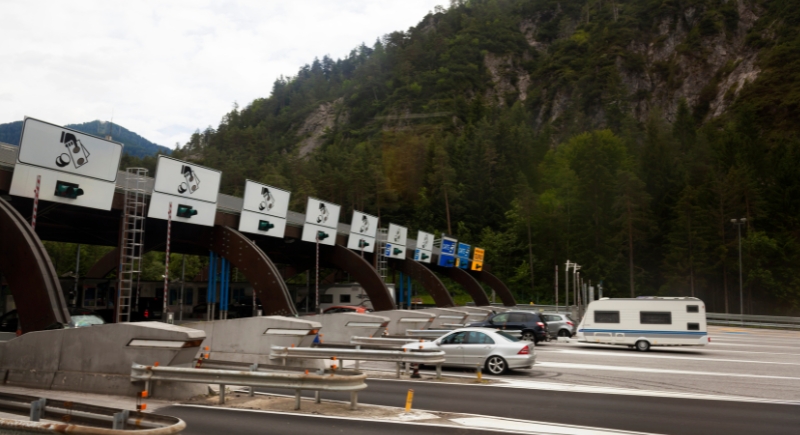
Carpooling apps can be useful, especially for sharing costs, but it’s not always worth the gamble. Border crossings introduce legal risks you may not expect. One traveler was fined €800 after unknowingly transporting someone carrying drugs. Always know who you’re giving a ride to, especially when passports and checkpoints are involved.
Use Campsite Directories for Free Stops
Credit: Facebook
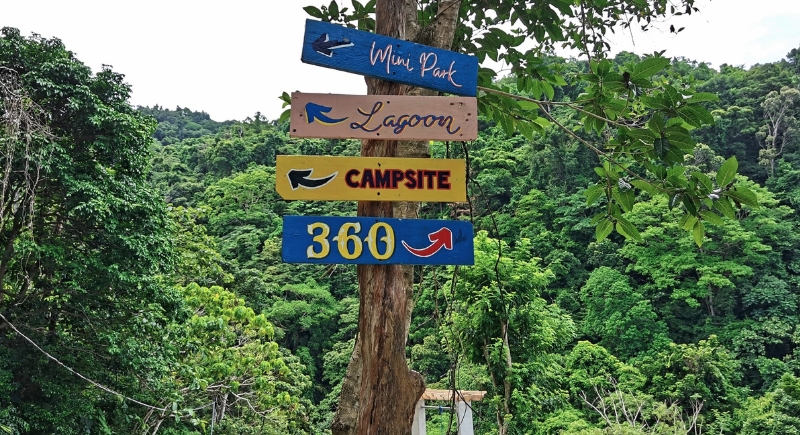
Not every night requires a formal campground. Resources like Brit Stops (UK) or Harvest Hosts (US) list farms and small businesses that let camper vans stay overnight. France has roadside spots called “aires,” and some countries allow limited wild camping. Just make sure to follow local rules.
Make Room for Spontaneity

Credit: Getty Images
Itineraries help, but flexibility is where the real memories often come in. A roadside sign might lead to a swimming hole you didn’t know existed. A detour could land you at a local festival or overlook at sunset. Leave some gaps in your plans—you’ll thank yourself when something unexpected turns out to be the highlight.