Travel Habits Often Associated With a Lower-Middle-Class Upbringing
How people travel often says more about their past than their preferences. For many raised in lower-middle-class homes, travel was about making the most of what you had. That mindset stays.
Having said that, these behaviors don’t mean someone’s being cheap. They just want to avoid the risk-factor and be more prepared. Understanding these travel patterns offers a window into how upbringing shapes choices, even long after circumstances change. And they’re more common than you think.
Packing for Self-Sufficiency, Not Convenience
Credit: Getty Images
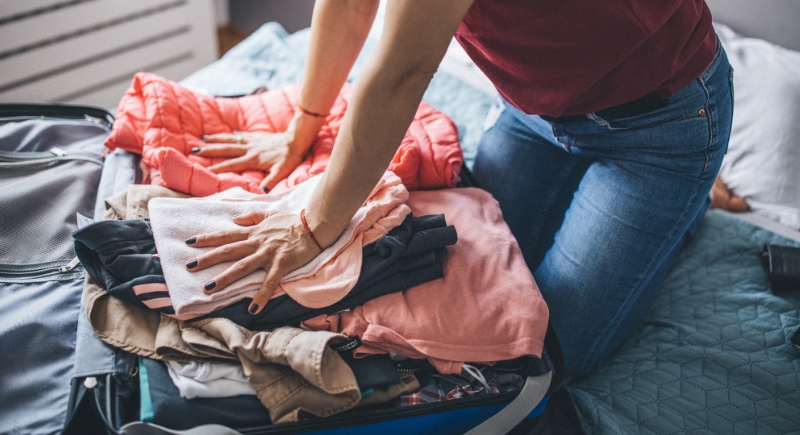
Suitcases often reveal someone’s background. Travelers who grew up with financial limits may bring extra shirts, pain relievers, zip bags, or even duct tape. This is because replacements weren’t always an option when I was growing up. Packing light isn’t appealing when improvising later might cost more than you’re willing to risk.
Treating Food as a Budget Anchor
Credit: Getty Images
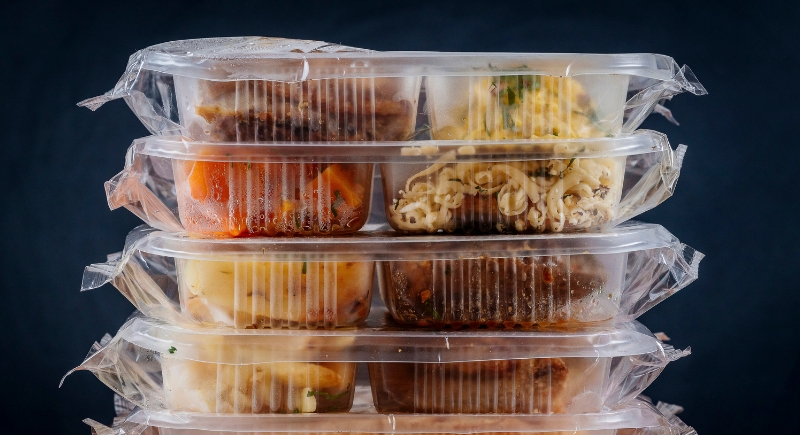
Hotel breakfasts, grocery store meals, and packed snacks are a method to control costs and eliminate surprises. Skipping restaurants also helps with predictability and keeps routines intact, even if it means missing out on more memorable food moments.
Booking Flights Based Purely on Price
Credit: Getty Images
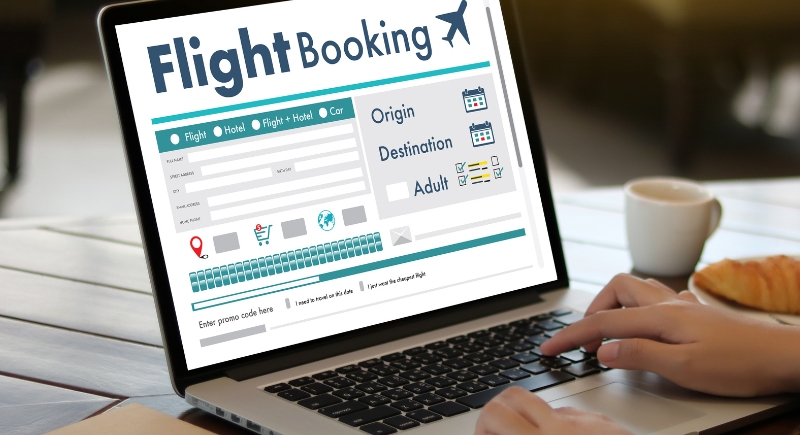
Opting for the 5 a.m. layover or three connections doesn’t always have to do with chasing adventure. It’s often a habit formed early where savings come first, even if it adds hours or makes you miserable. The approach tends to prioritize what’s cheapest on paper, rather than what makes the trip better overall once time and energy are invested.
Relying on Public Transit by Default
Credit: Canva
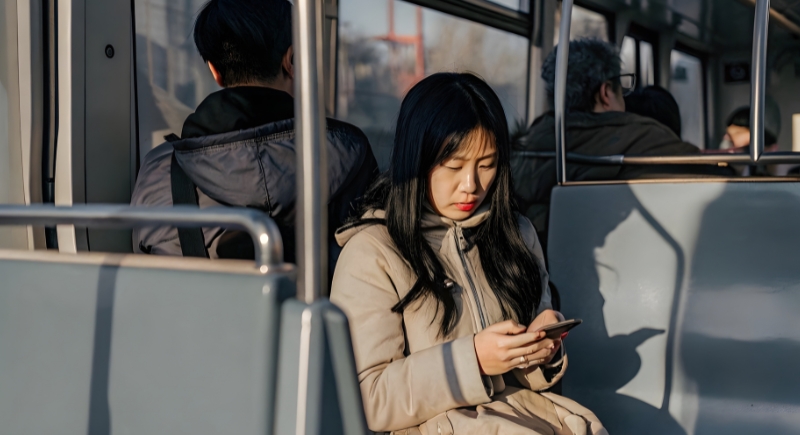
Learning unfamiliar subways or bus routes comes naturally to travelers who were raised to stretch every dollar. Public transit is often the first choice, as rideshare apps can feel like a luxury. Even if it takes longer, it feels like the responsible move.
Souvenirs That Serve a Purpose
Credit: pexels
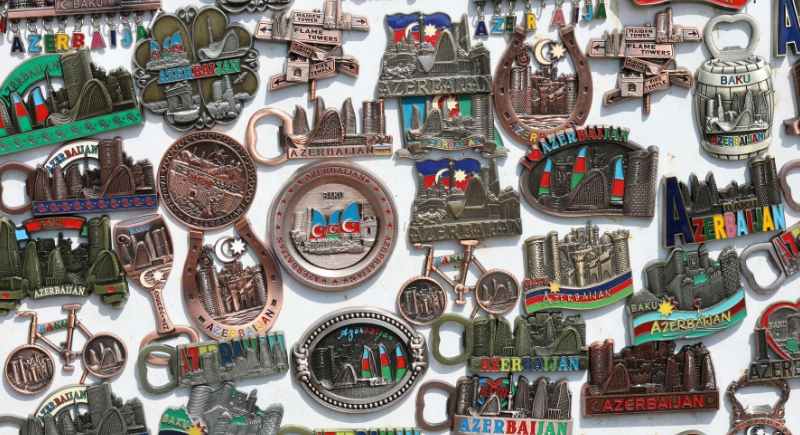
Instead of decorative trinkets, travelers from lower-middle-class households often bring back items they’ll actually use: dish towels, small tools, or notebooks. A souvenir should justify its cost beyond memory—it should serve a function. The practicality reflects a value system where purchases always have to “earn their keep” .
Detailed Itineraries That Minimize Risk
Credit: Getty Images
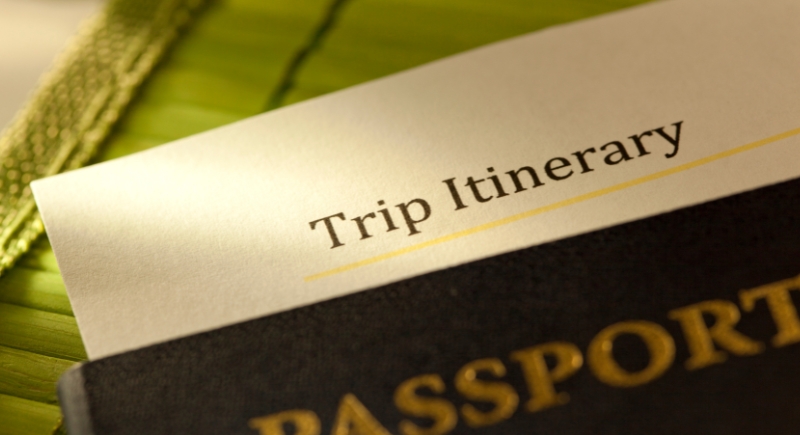
For many, travel is loosely scheduled. For others, it involves spreadsheets, printed confirmations, offline maps, and a tight daily plan. This habit comes from the need to avoid surprise fees, missed stops, or getting stuck without a plan. Overplanning is its own form of financial defense.
Avoiding Tipping to Keep Costs Predictable
Credit: Africa Images
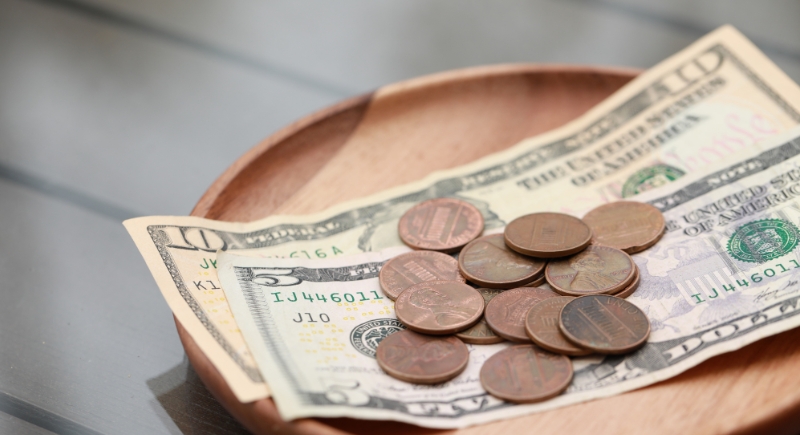
Tipping cultures vary wildly, and not everyone raised with tight budgets was taught the nuances. Skipping tips or under-tipping may reflect confusion or discomfort with unpredictable extra costs. In some cases, people from lower-middle-class households still see tipping as optional, especially abroad, even if that causes friction.
Evaluating Lodging on Price Alone

Credit: pixelshot
Budget travelers often learn the hard way that the cheapest room can mean bad sleep, long commutes, or surprise fees. Still, choosing the lowest rate can feel instinctual because growing up, that’s what you did. Factoring in total value (location, amenities, transportation costs) often comes later, after enough rough stays.
Sharing Meals to Stretch the Budget
Credit: Canva
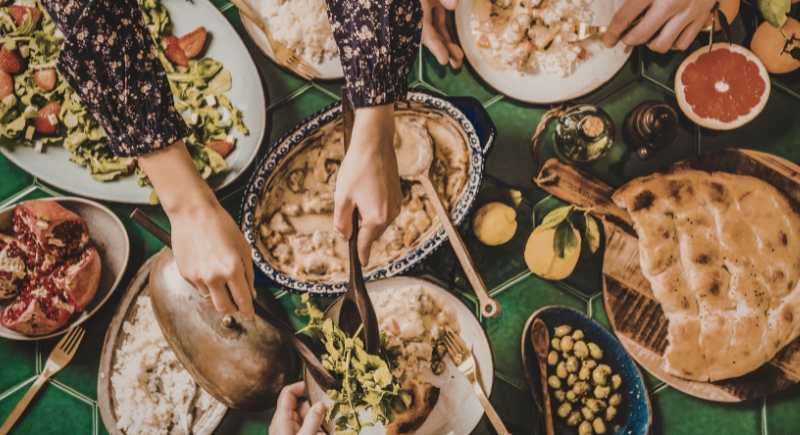
Ordering one large dish is a tactic that saves on food, tip, and sometimes time. Many travelers with modest upbringings automatically calculate what can be shared without seeming stingy. It’s a way to ensure the experience doesn’t stretch the budget thin.
Building Time Buffers Into Every Step

Credit: Getty Images
Missing a bus as a kid could mean missing work, school, or dinner. That sticks with people. So when traveling, they might arrive hours early at the airport, double-check connections, and leave big buffers between events. It’s a habit formed from real consequences, and it usually makes trips run smoother.