10 Breathtaking Reasons the Beartooth Highway is the Ultimate “Wow” Road Trip
Many scenic roads offer sweeping views and memorable stops. Beartooth Highway actually delivers on both. This 68-mile stretch between Red Lodge, Montana, and Yellowstone’s northeast entrance climbs nearly 11,000 feet and changes constantly along the way. One minute, there are pine forests and waterfalls. A few miles later, the road reaches open tundra that looks more like Alaska than the lower 48. The drive is unpredictable in the best possible way.
The Road Climbs Into Another Climate
Credit: Wikimedia Commons
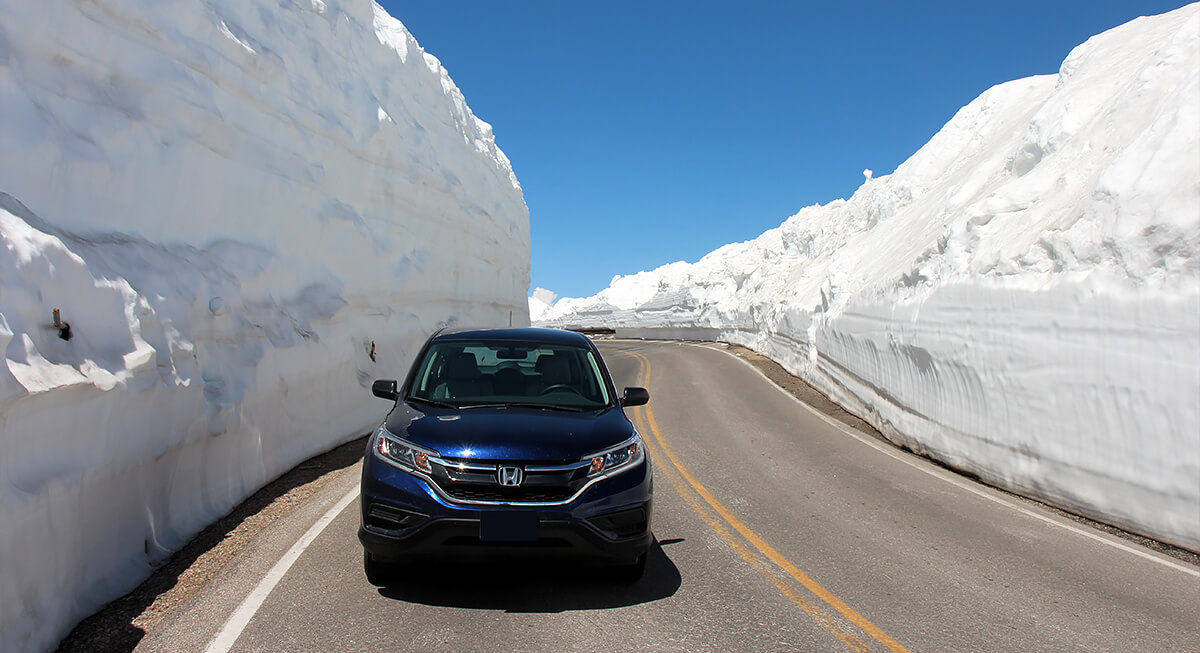
Drivers start around 5,000 feet and eventually reach Beartooth Pass at 10,947 feet. The elevation gain changes the scenery fast. The thick forests fade into rocky tundra where snowbanks remain deep into summer. Temperatures also swing during the drive. A sunny morning in Red Lodge can turn windy and cold near the summit.
The Pull-Offs Are Better Than Most National Park Overlooks
Credit: Wikimedia Commons
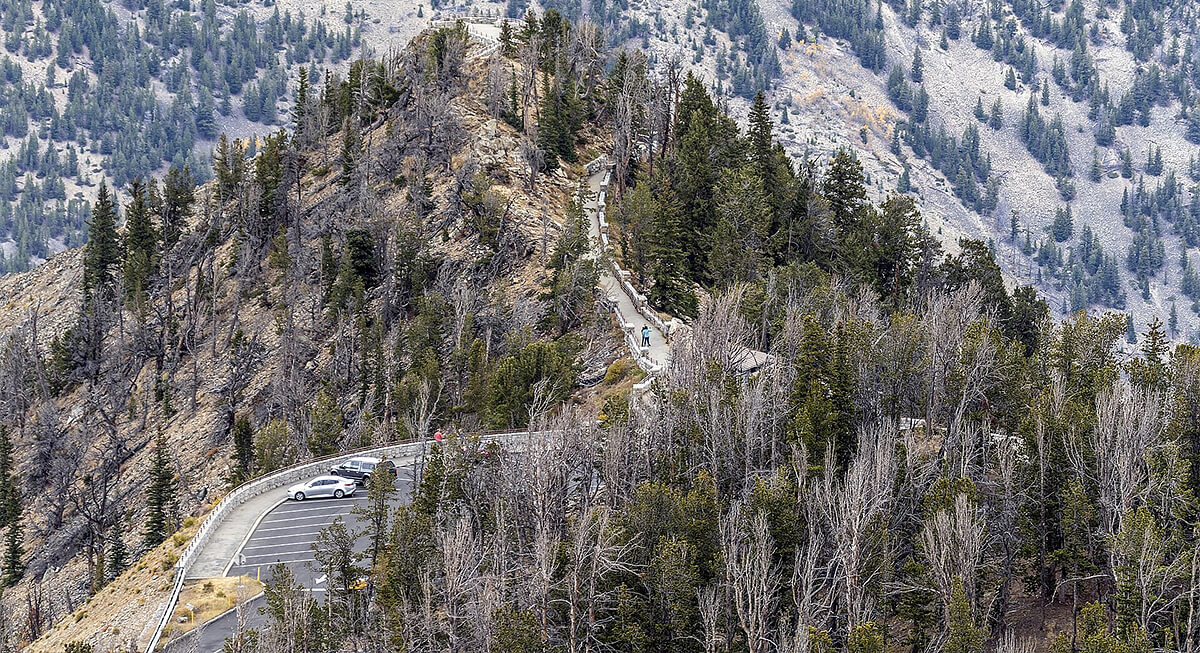
A surprising part of the Beartooth experience is how little effort it takes to get to the views. Drivers can pull over almost anywhere and see alpine lakes or distant peaks within seconds. Rock Creek Vista Point remains a favorite.
The Highway Feels Different Every Few Miles
Credit: Wikimedia Commons
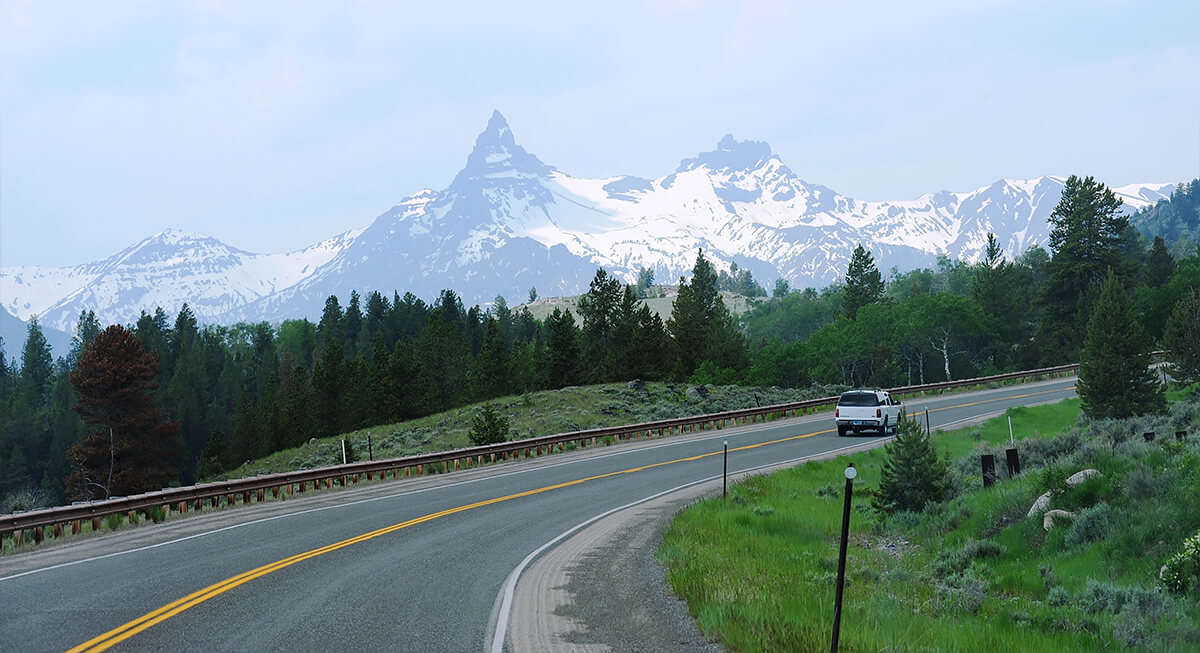
Beartooth Highway travels through forests, climbs across bare plateaus, passes frozen lakes, and then dips into valleys lined with wildflowers. Drivers never spend too long looking at the same type of landscape. This constant shift keeps the route engaging.
Snow In July Feels Completely Normal Here
Credit: Instagram
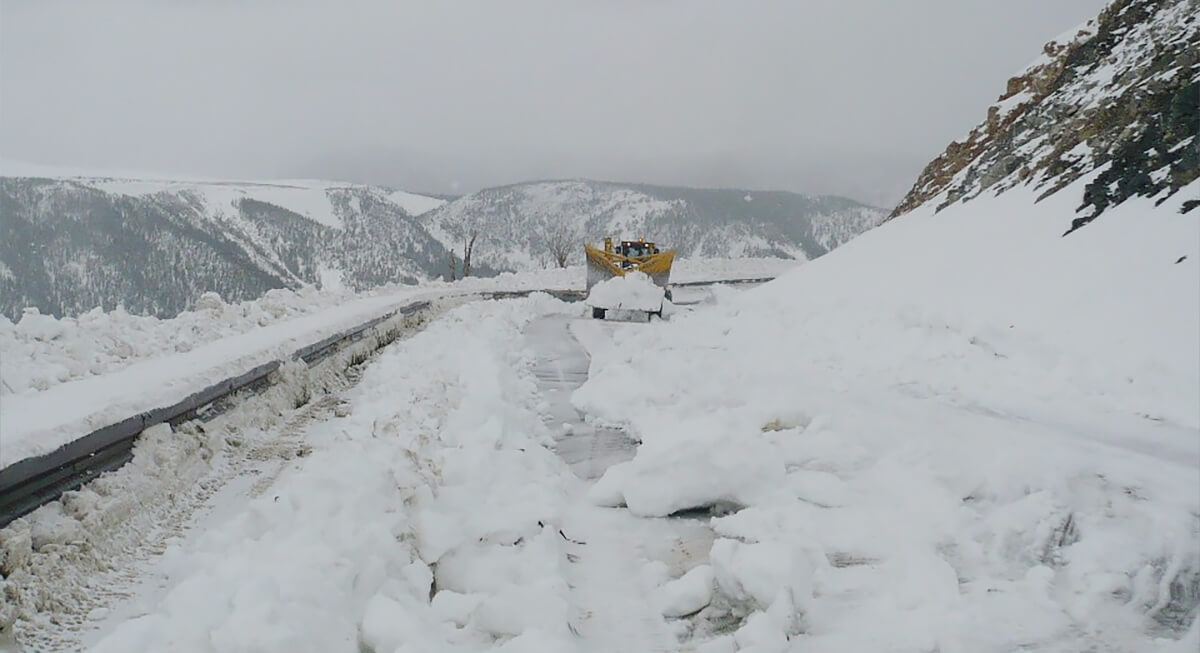
Heavy snowfall forces seasonal closures every year, usually between October and late spring. By July, patches of snow still cling to shaded slopes and frozen edges of alpine lakes. It’s a complete contrast to other highways.
Wildlife Sightings Happen Without Much Warning
Credit: Instagram
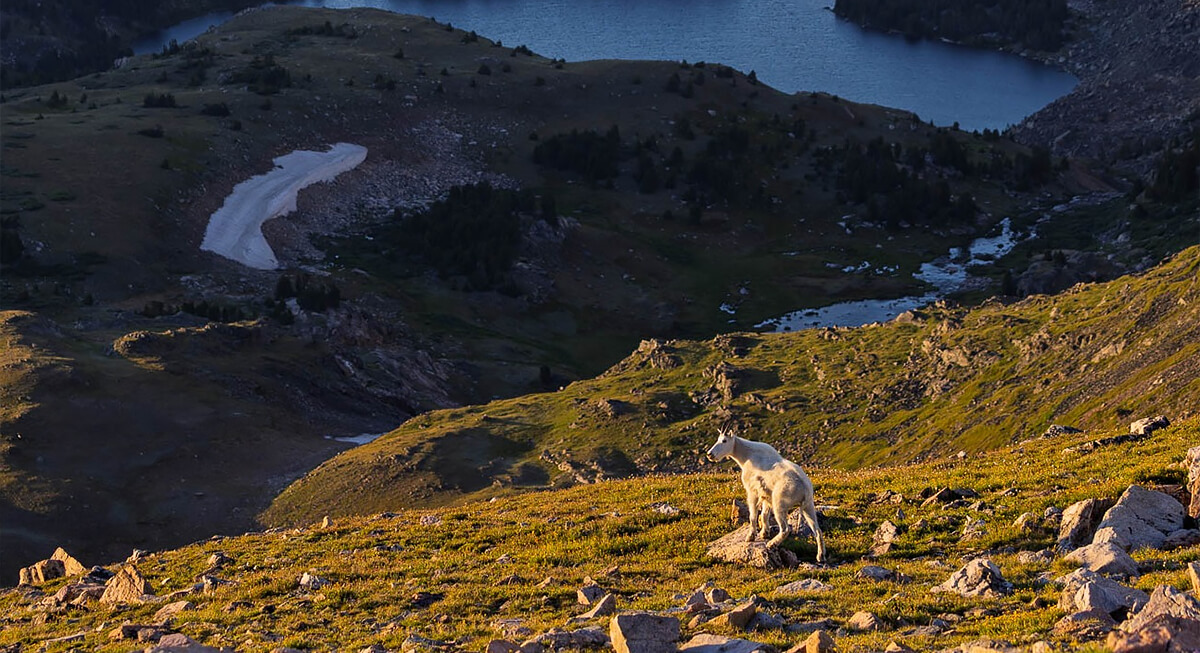
Mountain goats, marmots, moose, black bears, and bighorn sheep all live near the highway corridor. Wildlife appearances are natural. A marmot can pop up beside a pullout during lunch. Moose occasionally wander near roadside streams.
The Switchbacks Make The Drive Feel Like An Event
Credit: Instagram
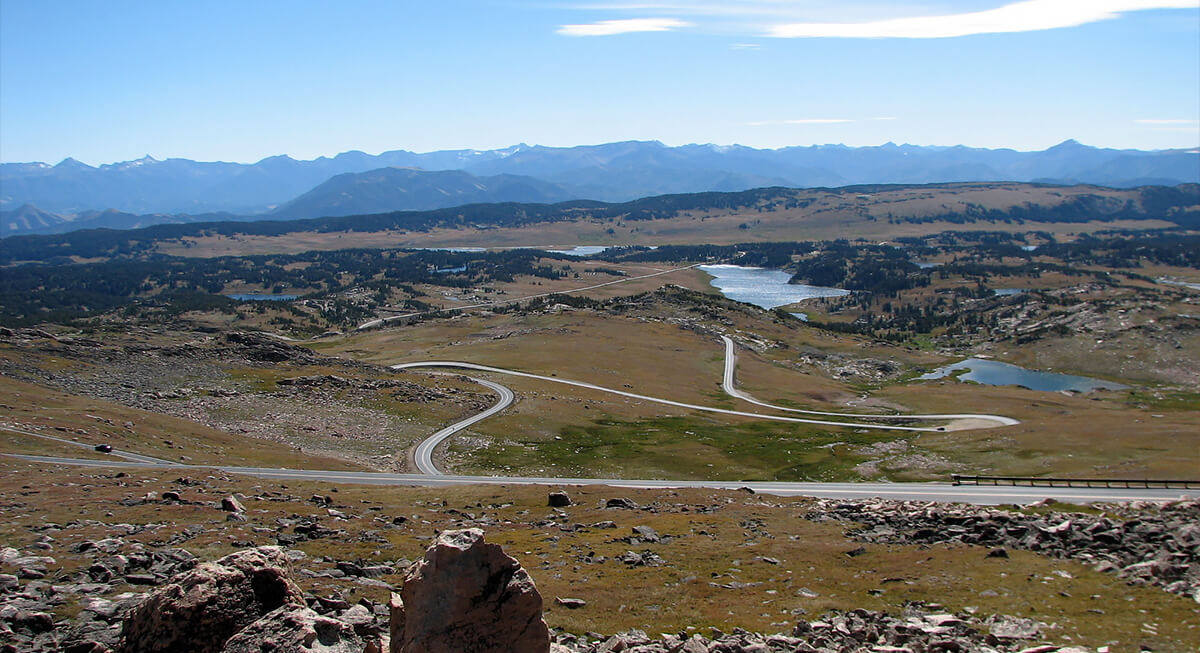
The highway has enough sharp curves and steep grades to keep drivers fully awake. Sections near the summit climb through dramatic switchbacks that reveal wider views after every turn. Truckers use low gears during descents because some grades hit double digits. Drivers uncomfortable with mountain roads may grip the steering wheel a little tighter here.
It Connects Perfectly With Yellowstone Adventure
Credit: Wikimedia Commons
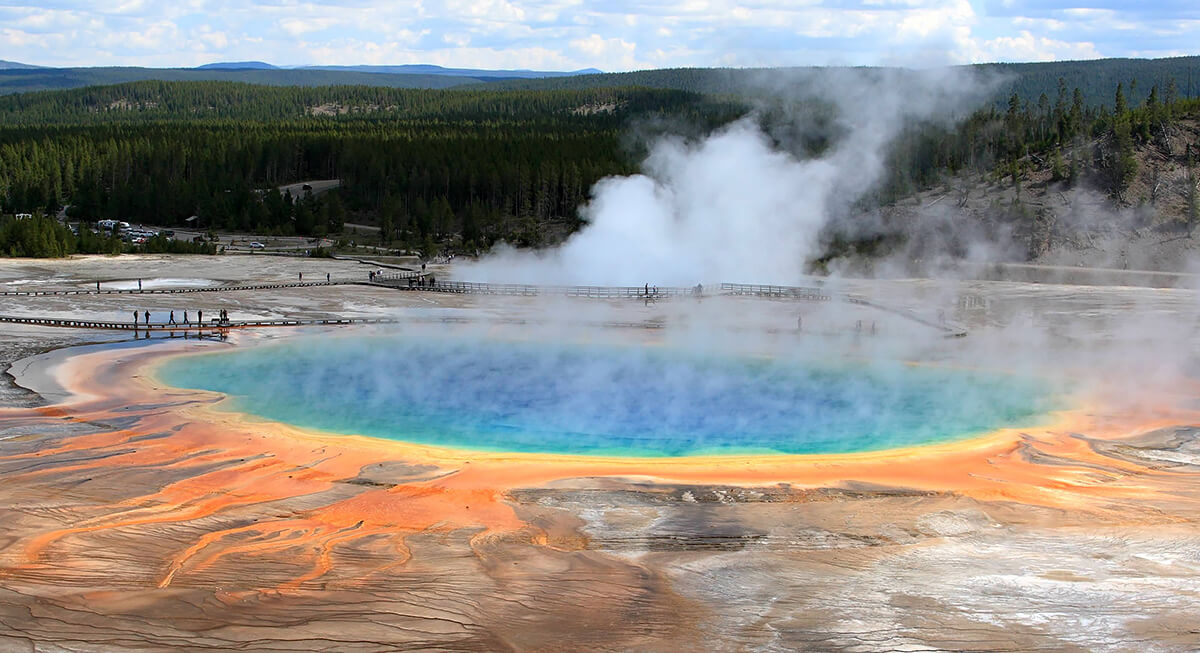
Many visitors use the Beartooth Highway as an entrance route into Yellowstone National Park. The northeast entrance near Cooke City is quieter than Yellowstone’s busier gates during summer. The setup creates a smoother transition into the park experience.
Tiny Stops Along The Route Add Personality
Credit: Wikimedia Commons
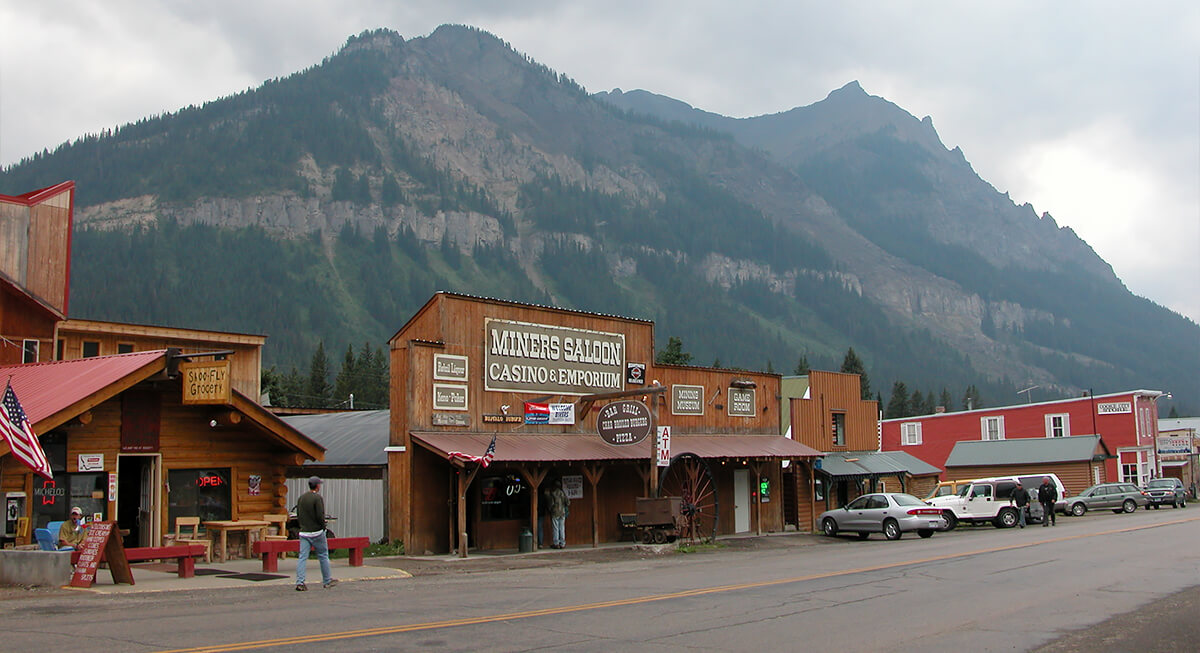
Places like Cooke City and the Top of the World Store still have a rough-around-the-edges mountain road atmosphere. Travelers stop for coffee, snacks, fuel, or weather updates before continuing toward Yellowstone. Those little breaks matter because the drive can easily stretch into a full-day outing.
The Highway Has Serious Engineering History
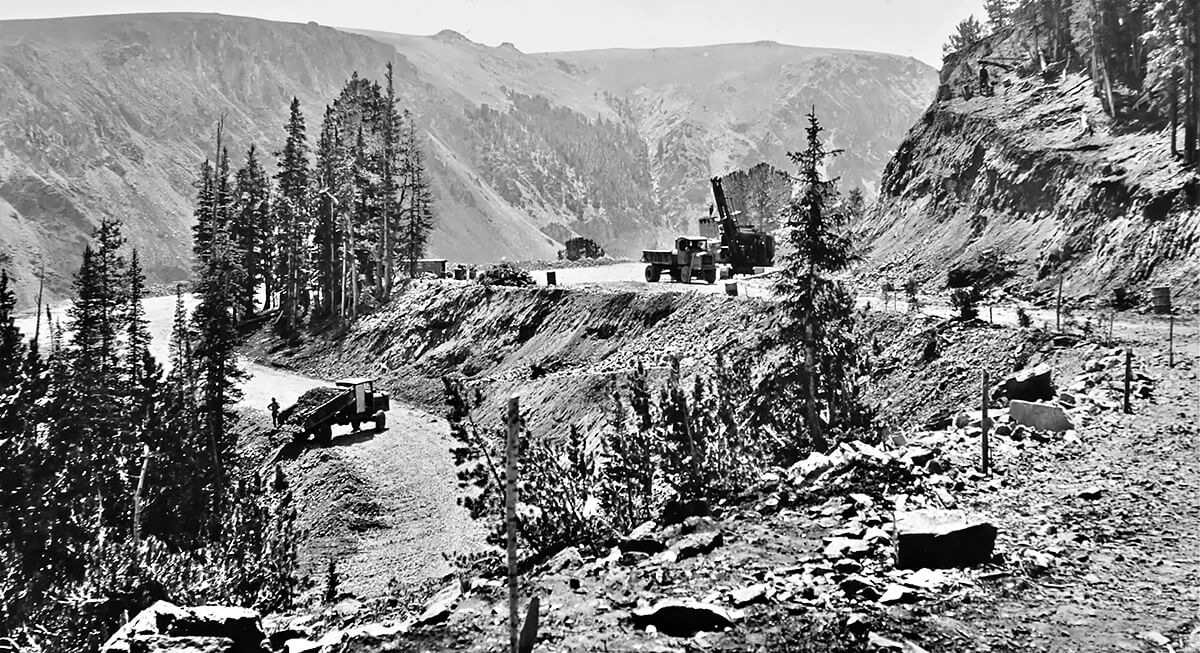
Credit: Raised in the West Magazine
Construction crews started building the route in the early 1930s, and the finished highway quickly earned attention for its extreme elevation and rugged terrain. The project cost about $2.5 million at the time, which was a huge investment during the Great Depression. It becomes easier to appreciate how ambitious the road really was nearly a century ago.
It Still Feels Like A Real Road Trip
Credit: Wikimedia Commons
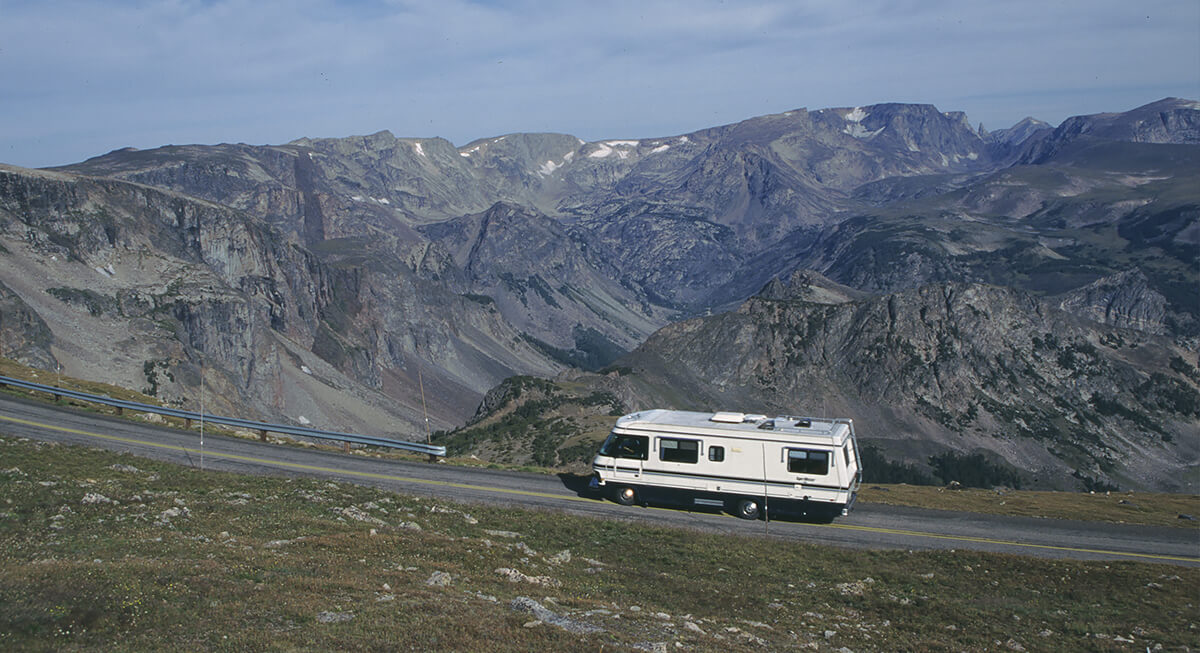
Beartooth Highway still carries some unpredictability. Gas stations are limited. Cell service disappears in places. Weather forecasts occasionally miss the mark by miles. Travelers spend more time watching the road and the scenery than looking for attractions on their phones.