10 “Blue Zones” Where People Live the Longest (And What They Eat)
People in certain corners of the world consistently live into their 90s and 100s without the usual barrage of age-related illnesses. These places, known as “Blue Zones,” aren’t guided by fads or extreme diets. Their eating habits are low-key and rooted in routine and seasonal rhythms. Here’s where people are living the longest and exactly what’s on their plates.
Ikaria, Greece
Credit: iStockphoto
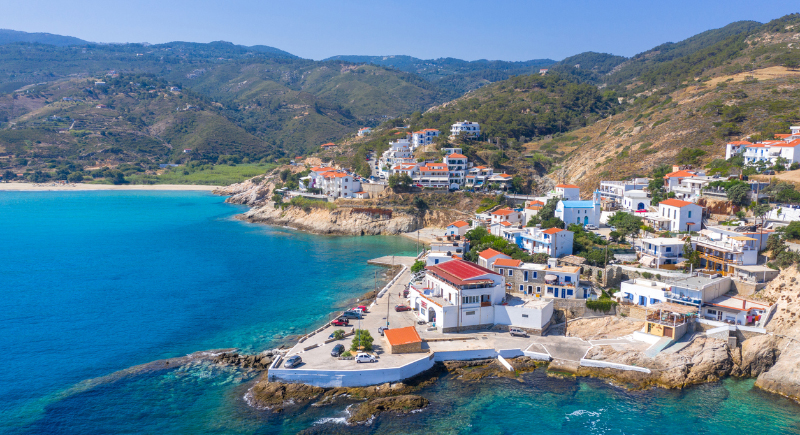
Residents of this Aegean island sip herbal tea and eat lots of legumes. They follow a Mediterranean-style diet but with fewer processed grains and a lighter hand with dairy. Goat’s milk, lentils, olive oil, and sourdough bread are often consumed. Many grow their own food, so their meals reflect what’s in the backyard.
Okinawa, Japan
Credit: pexels
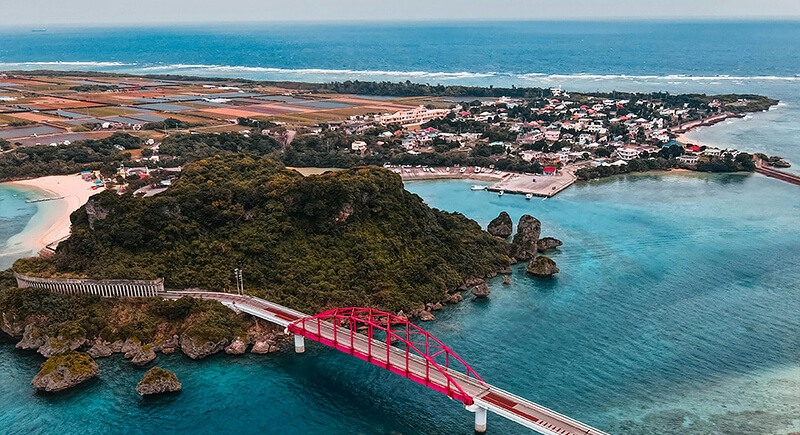
Sweet potatoes play a bigger role in Okinawan history than rice ever did. Alongside them, locals enjoy tofu and turmeric. Meals are built on light, plant-forward dishes eaten slowly and in small portions. The 80% full rule, “hara hachi bu,” is still practiced by older generations. It’s not just what they eat but how they eat that makes a difference.
Nicoya Peninsula, Costa Rica
Credit: Wikimedia Commons
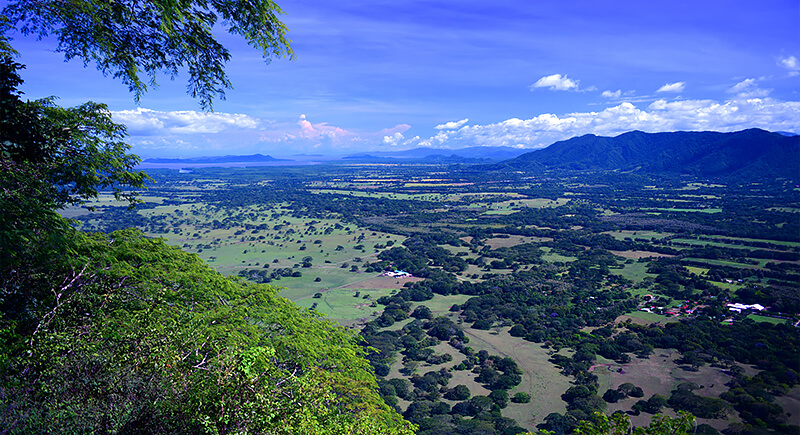
In Nicoya, people stick to simple combinations like black beans and corn tortillas. Breakfast often looks like lunch: gallo pinto, a mix of rice and beans, cooked with onions and herbs. Water from calcium-rich wells may help, too. Many locals keep working outside well into old age, which adds regular movement and sunshine to the mix.
Loma Linda, California

Credit: Wikimedia Commons
This American Blue Zone centers around a community of Seventh-day Adventists who tend to skip meat and caffeine. Their diets revolve around fruits, vegetables, whole grains, and plenty of nuts. Meals follow biblical principles, with lentil soups and whole-wheat bread. A strong sense of faith shapes the culture just as much as the food does.
Ogliastra, Sardinia
Credit: Wikimedia Commons
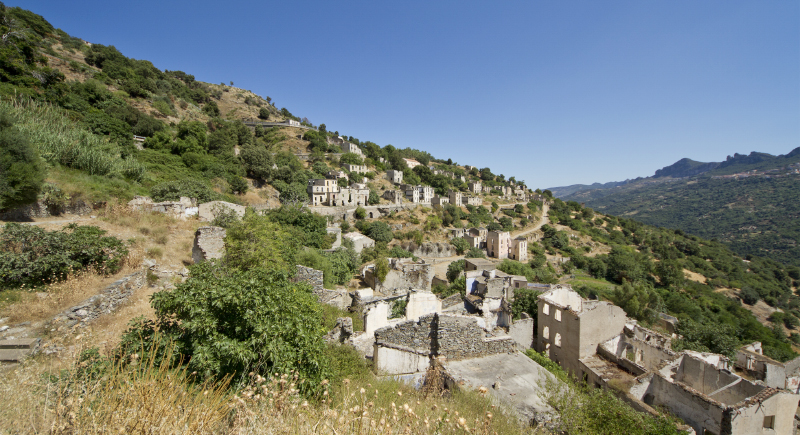
Sheep’s milk cheese and sourdough bread anchor the Sardinian table. The mountain villages in this region are where you’ll find the world’s highest concentration of male centenarians. Physical labor like herding and farming doesn’t stop at retirement, and neither does cooking with olive oil and beans. Meat is rare, often only on Sundays or holidays.
Cilento, Italy
Credit: iStockphoto
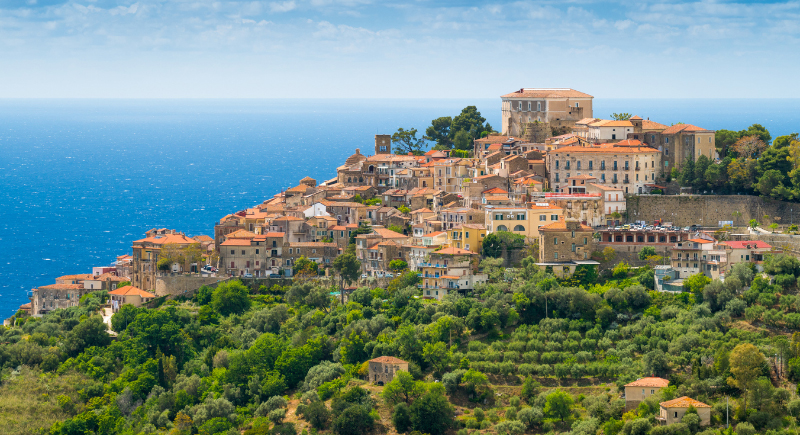
This region in southern Italy inspired parts of the Mediterranean diet, made famous worldwide. Meals include artichokes, anchovies, wild herbs, and olive oil. Centenarians here grow much of their own food and often cook with ingredients like chickpeas and barley. Their recipes have barely changed in decades, and neither has their habit of long, communal meals.
Barbagia Highlands, Sardinia
Credit: Getty Images
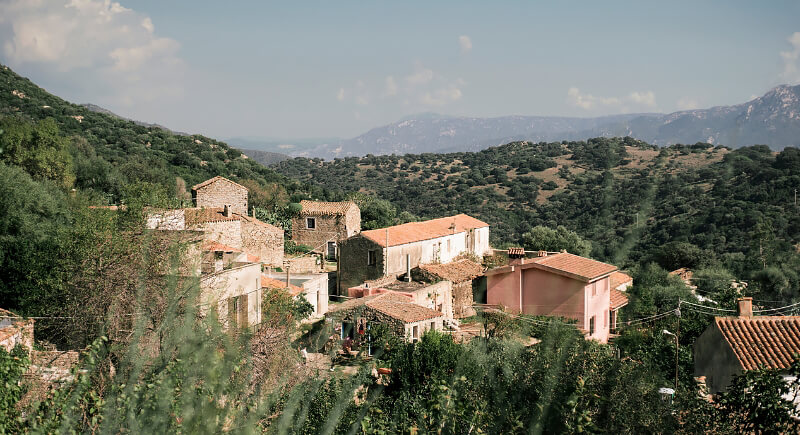
Unlike other Sardinian areas, this inland zone sticks to hearty soups and goat’s milk yogurt. Traditional dishes often use fava beans and wild fennel. The terrain demands walking, and that’s part of everyday life. Meat is reserved for special events. Drinks with dinner are common, but so is gathering with friends to eat slowly and laugh often.
Ikaria (Mountain Villages)
Credit: Wikimedia Commons
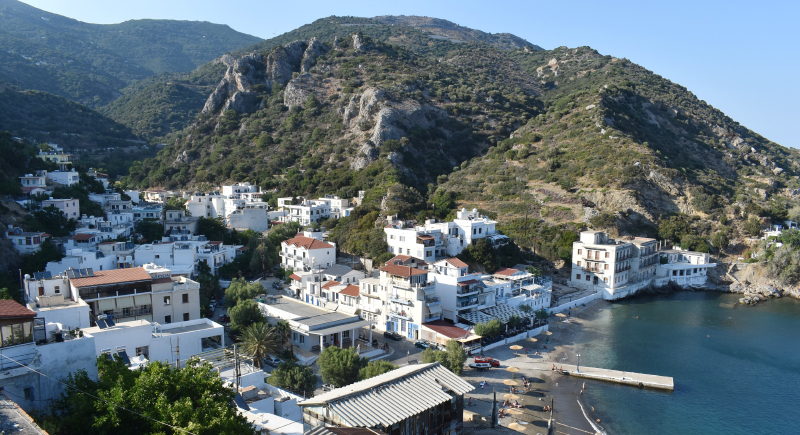
Away from the coastal areas, villagers in Ikaria cook a bit differently. Their diets rely heavily on foraged greens, such as dandelion and wild leeks. Chickpeas and local honey make frequent appearances. Meals are often cooked over fire and eaten late. Afternoon naps are a norm, and late-night gatherings are, too, usually with a shared dish at the center.
Puglia, Italy
Credit: Wikimedia Commons
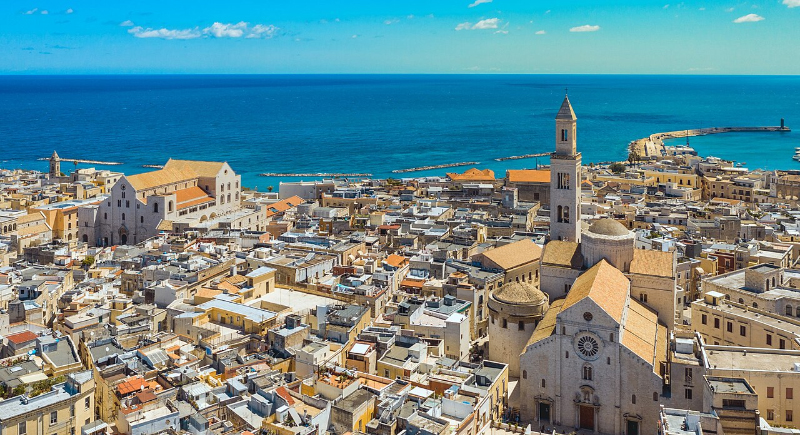
Though not officially one of the five core Blue Zones, this southern Italian region consistently ranks among the highest in longevity. Diets here rely on legumes like fava and lentils and olive oil by the liter. Many still follow traditional cooking passed down through generations. Red meat is rare, but seafood, especially anchovies and sardines, is common.
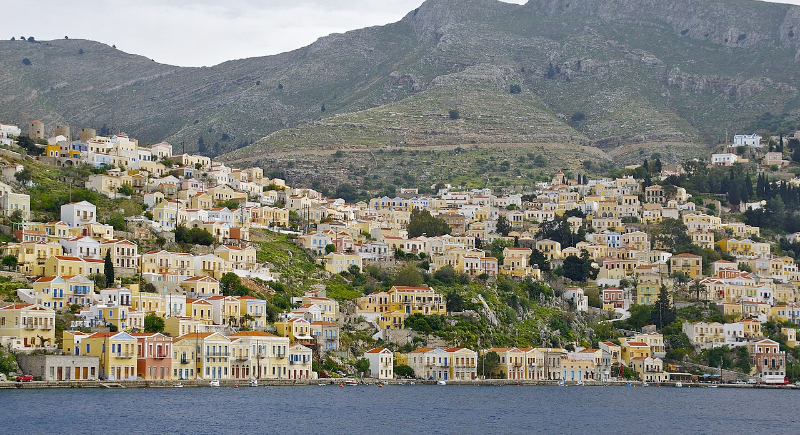
Symi, Greece
Credit: Wikimedia Commons
Far less known than Ikaria, Symi’s older residents stick to sun-dried figs, lentils, wild greens, and grilled sardines. Meals come from local soil and sea, often flavored with rosemary or bay. Snacking isn’t a big thing; people eat when hungry and walk everywhere.