A Look Back at the Biggest Winter Storms in the Last Century
Winter storms still have a talent for humbling the United States, even in an era of satellites and instant alerts. In January 2026, Winter Storm Fern pushed snow, ice, and dangerous wind chills across more than 30 states, reviving bitter memories. As people look forward to months of sharing tales of survival and solidarity, we analyze ten storms from the past century that stand out for their scale, impact, and consequences.
The Armistice Day Blizzard of 1940
Credit: Wikimedia Commons
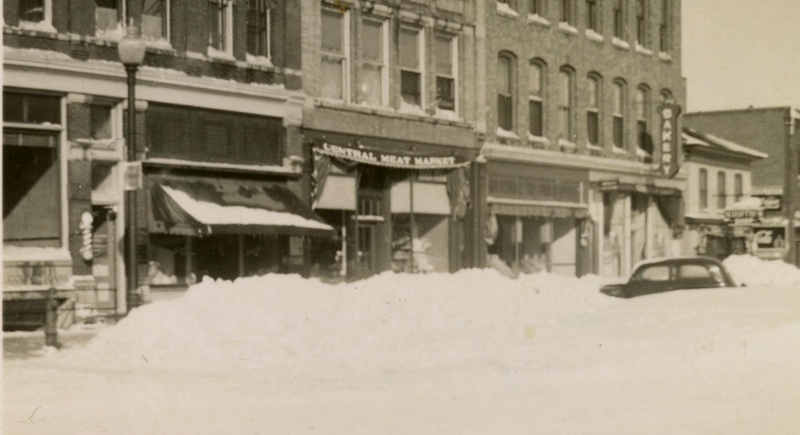
This storm hit the Upper Midwest on November 11. One hunter who got stranded during the blizzard said telephone poles were the only things visible above the snow. Over one million turkeys died, and the total death toll reached around 150. Forecasting operations relocated from major cities and became more localized, helping communities receive accurate warnings.
The Great Appalachian Storm of 1950
Credit: Weather Underground
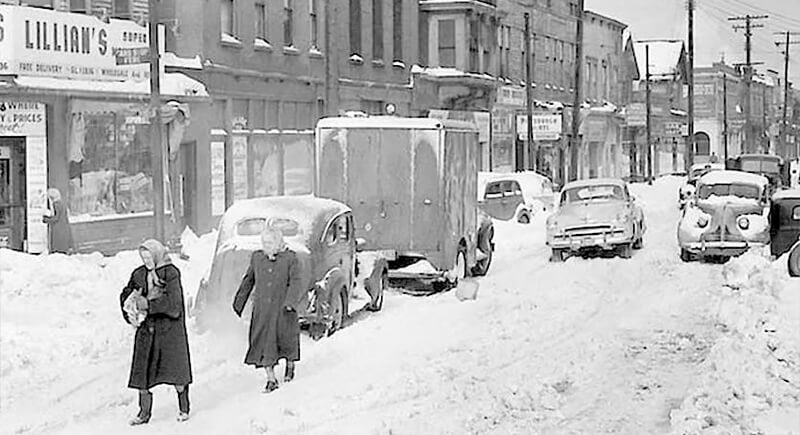
This Thanksgiving weekend storm affected 22 states and earned a reputation as a meteorological benchmark. Snow piled up to 62 inches in parts of West Virginia and Pennsylvania. Winds reached 160 miles per hour, snapping trees and power lines. Nearly one million customers lost electricity, and at least 383 people died.
The Chicago Blizzard of 1967
Credit: Wikipedia
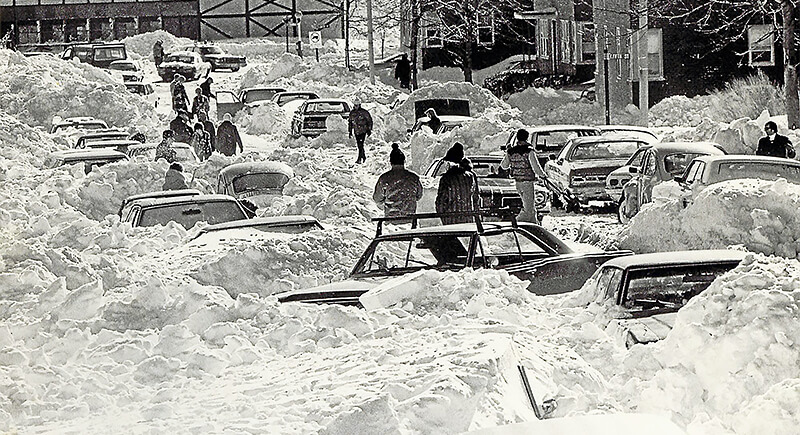
On January 26 and 27, Chicago witnessed 23 inches of snow as wind gusts hit 53 miles per hour. What made this storm particularly nasty was the timing. Days earlier, temperatures had been warm and pleasant before the sudden snow dump. Hundreds of students spent the night sleeping at school because buses couldn’t get them home.
The Blizzard of 1978
Credit: Wikipedia
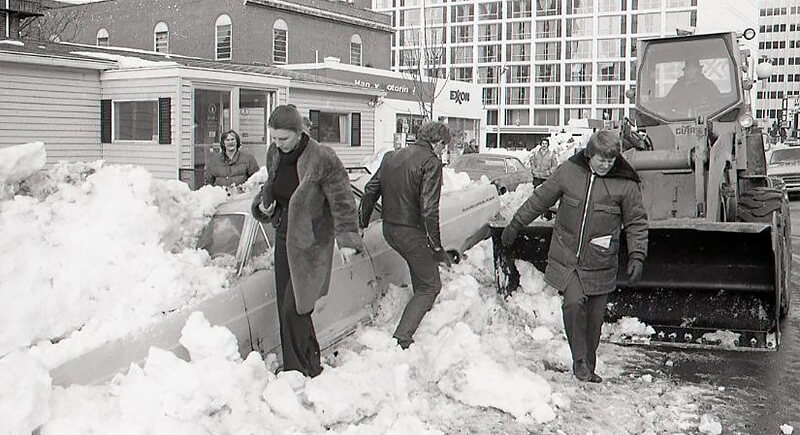
The Blizzard of 1978 slammed Ohio and much of the Great Lakes with extreme cold and relentless snow. The National Weather Service later described it as a once-in-a-lifetime storm and a benchmark for future winter events in the region. Wind chills dropped to minus 50 degrees Fahrenheit. Cincinnati recorded seven inches of new snowfall on top of nearly 14 inches already on the ground. The storm caused an estimated $2 billion in damage nationwide and led to 70 deaths.
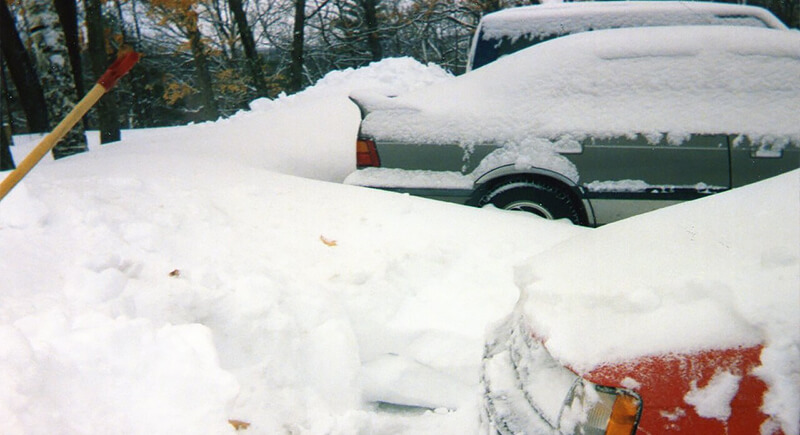
The Storm of the Century, 1993
Credit: Wikipedia
This March monster stretched from Florida to Maine, touching more than 100 million people. Snow fell along the Gulf Coast, while Appalachian peaks endured hurricane-force winds near 100 miles per hour. NOAA later rated it a rare Category 5 winter storm. Syracuse logged nearly 43 inches of snow. Coast Guard crews on rescue operations described Atlantic swells as chaotic and akin to washing-machine turbulence.
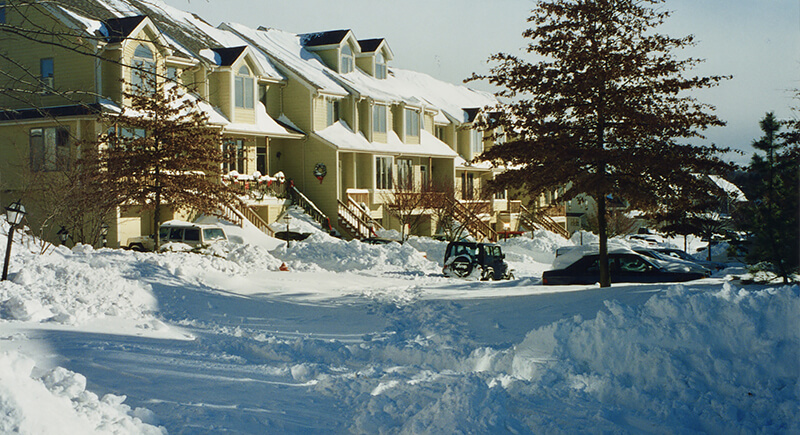
The Blizzard of 1996
Credit: Wikipedia
President Bill Clinton declared nine states, plus D.C., as disaster areas during this five-day nightmare. Residents in several states witnessed snowstorms that were around 20 to 30 inches deep. “The Washington Post” reported that forecasters got fooled when the snow paused long enough for some to declare it over. Then 40 mph winds roared back with more snow. The final death toll reached 154.
The Presidents’ Day Storm of 2003
Credit: Youtube
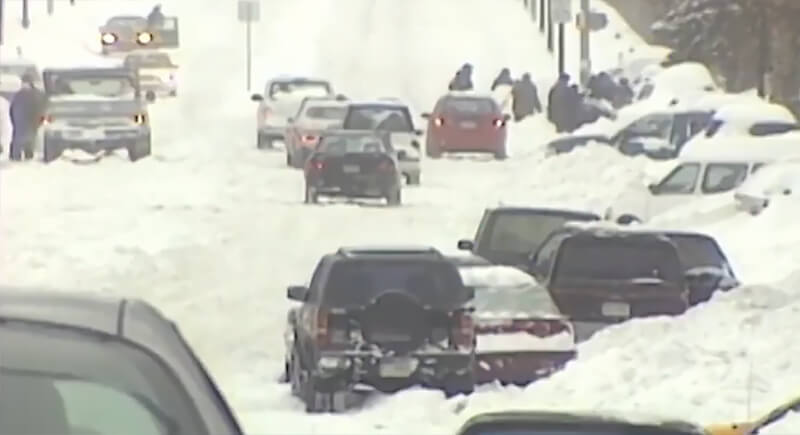
A rainstorm swept into the Northeast in mid-February and collided with arctic air. The result? Three days of chaos, including Presidents’ Day itself. Maryland suffered snowstorms that made a state highway supervisor say the landscape looked “more like Siberia than Maryland.” Boston broke its single-day snowfall record with 27.5 inches in just 24 hours. Flights got canceled, and around 28 people died.
Snowmageddon, 2010
Credit: Wikipedia
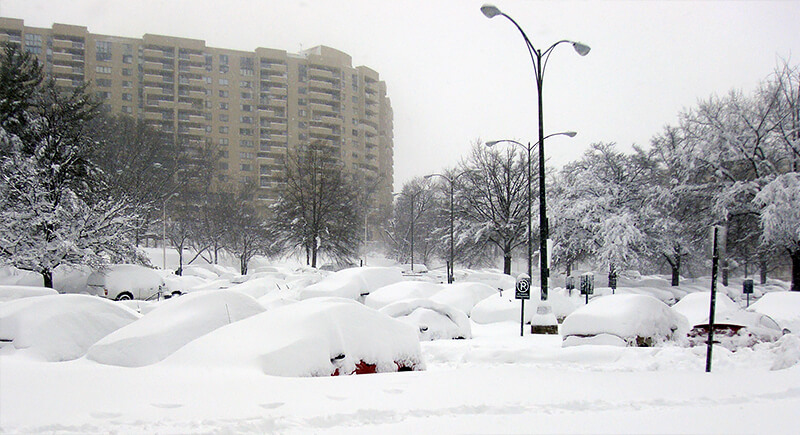
Snowmageddon brought Washington, D.C., to a halt on February 5 and 6, 2010. Snow fell for nearly 30 hours, dropping more than 32 inches of heavy, wet snow at Dulles Airport. The weight triggered widespread power outages and caused churches and an airport hangar to collapse. Virginia, Maryland, Delaware, and Pennsylvania declared states of emergency. City agencies later expanded snow-removal fleets after the storm exposed major gaps in preparedness.
The “Snovember” Storm of 2014
Credit: Youtube
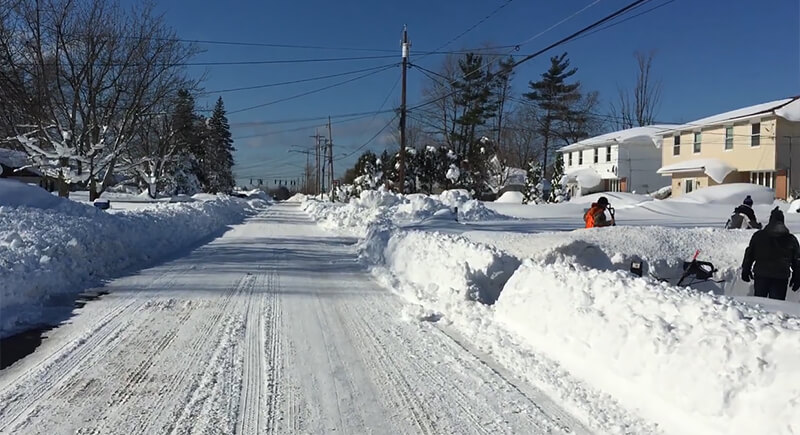
Buffalo got buried under more than seven feet of snow starting on November 17. Highways shut down, and over 10 people died. The Weather Channel reported that Lake Erie worsened the situation because it remained relatively warm while cold air swept in from the north. That temperature clash created an ungodly amount of snow. Temperatures in many US states dropped below freezing at some point during the storm.
The Polar Vortex of 2019
Credit: Instagram
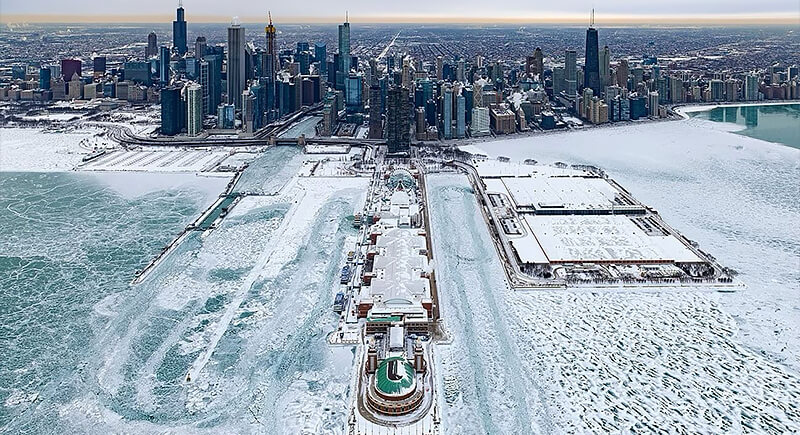
The Polar Vortex of 2019 sent Arctic air across North America in late January, killing 21 people and breaking temperature records throughout the Midwest. Rockford, Illinois, fell to minus 31 degrees Fahrenheit, while wind chills in Minneapolis–St. Paul dropped to around minus 55. Hospitals treated hundreds of cases of frostbite and hypothermia. The event showed that extreme cold alone can cause a major winter disaster without heavy snowfall.