Big Changes Coming to Dining in Florence With Ban on Outdoor Seating
Big changes are coming to dining in Florence. Beginning in 2026, the city will ban outdoor restaurant seating on 50 historic streets and piazzas and impose stricter rules on more than 70 additional locations across its UNESCO-listed center. The decision reshapes how food and public space intersect in one of Europe’s most visited cities, but the biggest questions are why and how.
Where Outdoor Seating Will Be Banned
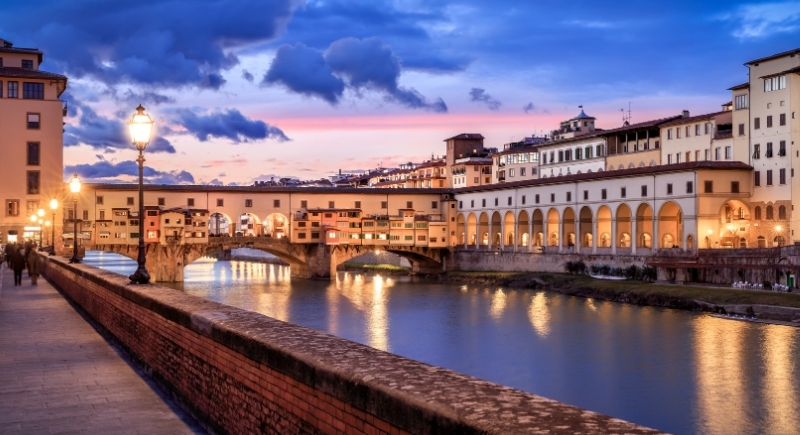
Image via Getty Images/Fani Kurti
The ban targets historic, narrow streets and landmark areas where tables have expanded into pedestrian space. Confirmed locations include areas around Palazzo Vecchio, Ponte Vecchio, and the Piazzale degli Uffizi. These zones are at the heart of Florence’s protected core, where foot traffic is heaviest, and streets are often only a few meters wide. In these areas, restaurants and bars will no longer be permitted to place tables outdoors. Indoor dining remains unchanged.
Beyond the outright ban, 73 additional streets will face tighter controls. Seating may still be allowed, but with limits on umbrellas, awnings, plexiglass barriers, fences, and coverings. The aim is to reduce the footprint of dining areas and keep pathways clear.
City officials have indicated that large, permanent-looking installations introduced over recent years will be rolled back. Requirements may vary by street.
Why The City Is Acting Now
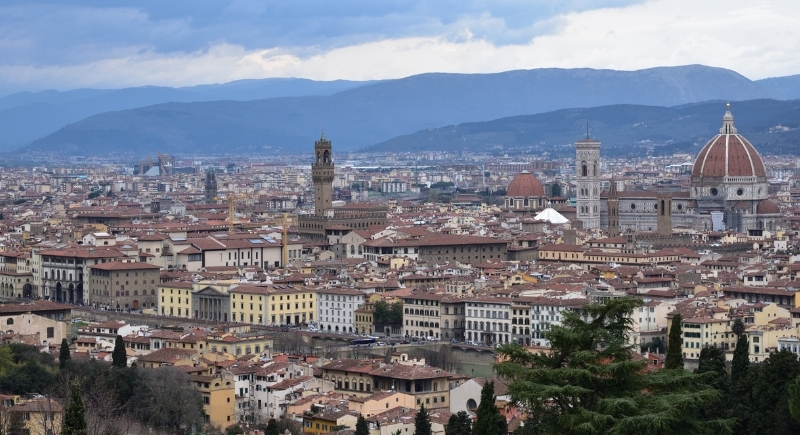
Image via Canva/Aflo Images
Outdoor seating expanded sharply during the Covid period, when temporary permissions became common across Europe. In Florence’s center, those temporary setups persisted. Residents raised concerns about congestion on streets used daily by locals, workers, and emergency services.
City leadership has framed the new rules around protecting public space and historic fabric while improving walkability. Tourism officials have said the measures are intended to balance hospitality with the daily functioning of the city.
What This Means For Restaurants
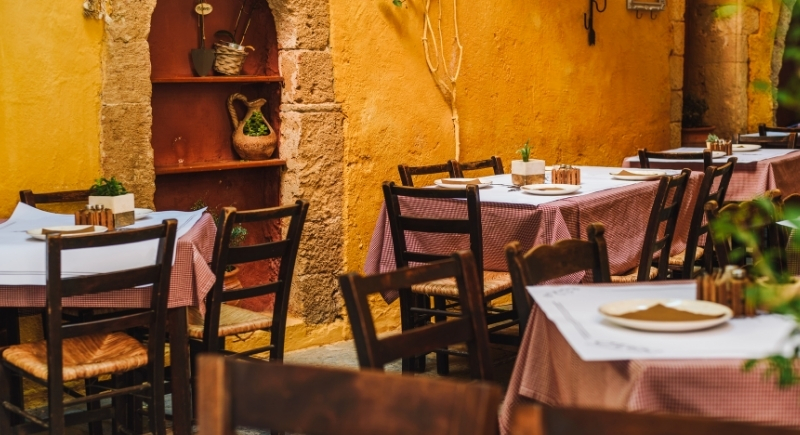
Image via Getty Images/MilaDrumeva
Restaurant owners have warned that outdoor tables contribute significantly to revenue, particularly during warmer months. Smaller, locally owned trattorias in the historic core are expected to feel the change most acutely, as indoor capacity is often limited by building size and preservation rules.
At the same time, the policy does not eliminate outdoor dining citywide. Establishments outside the most sensitive zones will continue to operate terraces, subject to updated regulations.
What Diners Can Expect In 2026
The seating ban follows other steps Florence has taken to manage crowding and daily use of its center. In recent years, the city has restricted key boxes used for short-term rentals, limited tour guide loudspeakers, curbed golf cart traffic in historic areas, and enforced picnic bans near major landmarks.
These measures signal a tightening approach to how public space is used.