Beyond the Spa Day as Global Destinations Race Toward a $900 Billion Wellness Frontier
Luxury hotels used to focus on the obvious things: bigger rooms, rooftop pools, expensive cocktails, and views designed for photos. Now the selling point is just as likely to be a sleep specialist, a recovery room, or a wellness program built around stress, energy, and long-term health. Some resorts even offer blood testing or metabolism-focused retreats alongside the spa menu.
Wellness tourism passed the half-trillion-dollar mark in 2025, and forecasts expect it to move beyond $900 billion by 2030. Hotels, resorts, and tourism boards are all reacting to the same thing. People are getting tired of vacations that leave them exhausted. More travelers want trips that help them rest, reset, and come home feeling better than when they left.
Hotels Want a Bigger Role in Guests’ Lives
A massage and cucumber water used to qualify as a wellness package, but that standard has gone now. The Four Seasons Hotel Philadelphia recently expanded its wellness offerings with a private Sky Garden spa featuring red light therapy, infrared sauna treatments, and fitness technology.
In London, The Marylebone pairs overnight stays with ice baths, deep tissue recovery sessions, and supplement-packed wellness kits designed for high-performance travelers.
Hotels have figured out that affluent guests want health routines to follow them everywhere. Royal Mansour Tamuda Bay in Morocco built a 45,000-square-foot Medi-Spa around sleep quality, nutrition, emotional wellness, and metabolic balance.
Switzerland’s La Réserve Genève still relies heavily on longevity programs developed in collaboration with anti-aging specialists, including medical consultations and cellular regeneration plans spanning multiple days. The language around hospitality has also changed: you will see Hotels increasingly talking like private wellness clinics, except with ocean views and Michelin-level room service.
Burnout Became a Travel Trend
Market researchers point to rising stress levels, lifestyle-related illnesses, and burnout among younger professionals as major drivers behind the category’s growth. Online travel platforms also helped normalize wellness-focused trips.
Social media and shows like The White Lotus helped bring luxury wellness further into mainstream travel. Silent retreats, hydrotherapy pools, and wellness programs became part of the appeal instead of something limited to niche health resorts.
The Wellness Arms Race Is Getting Weird
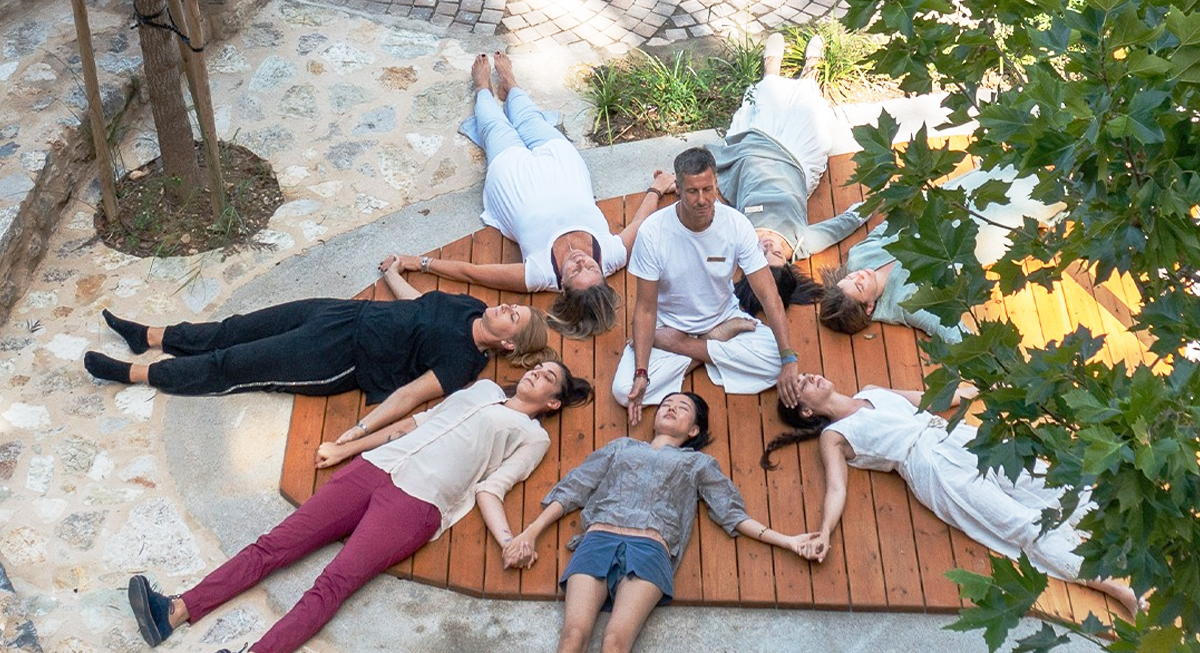
Image via Facebook/Euphoria Retreat. A holistic wellbeing destination spa in Greece.
At ARIA Resort & Casino in Las Vegas, spa suites pair red light therapy with CBD treatments and Himalayan salt stone massages. The Langham in New York focuses heavily on sleep science and advanced Korean skincare treatments that can cost up to $1,800 per session.
In Greece, Euphoria Retreat combines leadership coaching with ancient healing philosophies aimed at women executives dealing with stress and exhaustion.
Even wellness travel now stretches beyond fitness classes and spa treatments. Anthology of Athens combines wellness services with lectures on Greek philosophy, mythology, and ancient healing practices. Luxury resorts increasingly want guests to leave with more than rest alone.
Luxury hospitality once competed on service and scenery. Now destinations compete on recovery metrics, hormone balance, nervous system regulation, and sleep quality. The spa day still exists, but it has silently turned into something much bigger, much pricier, and far more ambitious.