Beyond the Coastline and Into California’s Newest Natural Wonders With Three Brand New State Parks
California road trips usually follow the same familiar routes. Most travelers either hug the Pacific Coast Highway or head straight for the Sierra Nevada, while the long stretches in between are treated as places to drive through rather than places to stop. That’s starting to change.
For the first time in more than a decade, California is adding three new state parks, and none of them are along the coast or tucked into the redwoods. Instead, these parks highlight the heart of the state and give travelers new reasons to explore its river corridors, open landscapes, and Central Valley communities.
A New Direction For California’s Parks
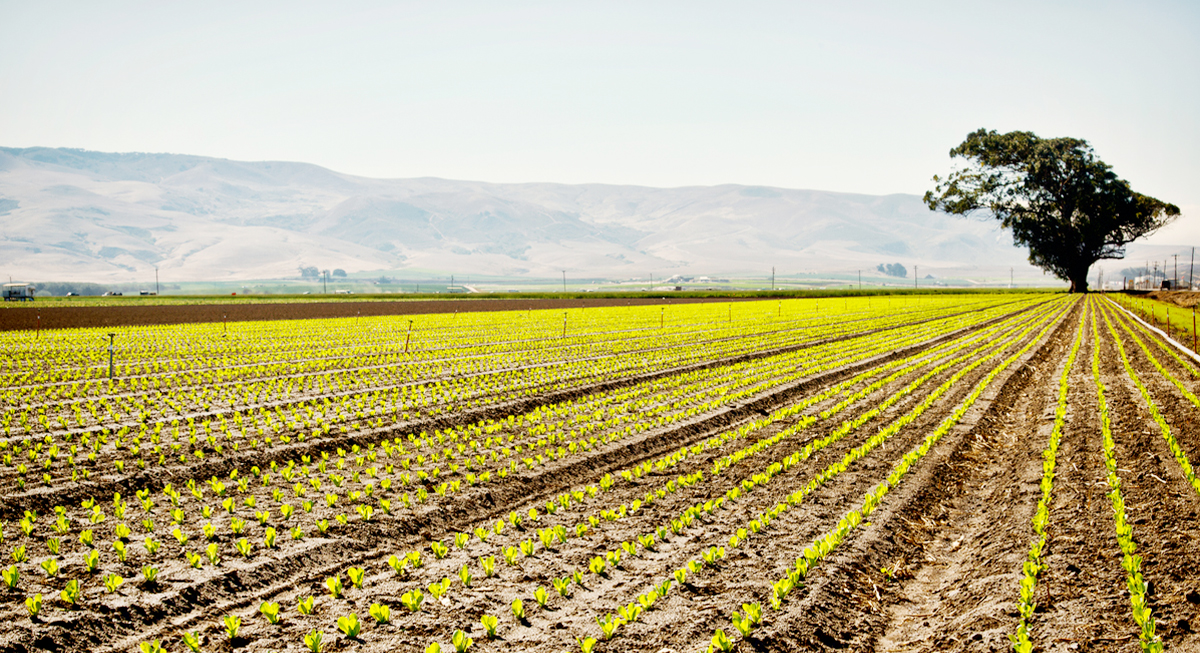
Image via iStockphoto/shippee
The California State Park system is already massive, but it has always had a slight geographic tilt toward the edges. If you live in the Central Valley, getting to a state park has historically meant a long drive toward the ocean or the mountains.
The state is now trying to fix that imbalance by pushing to bring nature closer to where millions of people actually live. By shifting the focus inland, the park system is finally filling in the blank spots on the map and making sure that outdoor recreation isn’t just a luxury for people living on the coast.
Three New Parks With Distinct Roles
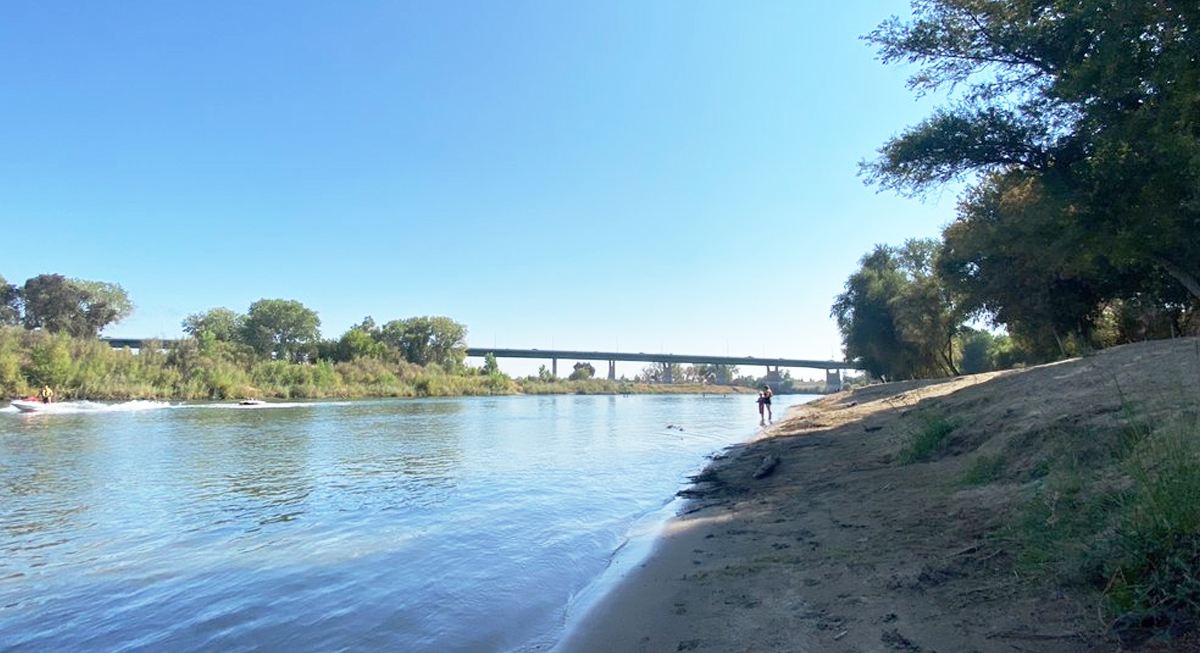
Image via Yelp/Elva C.
These parks may all be new additions to the state system, but each one serves a very different purpose.
Feather River Park in Yuba County matters because the county has never had its own state park before. The park is located along the river’s natural floodplain and gives locals a nearby place to fish, kayak, walk, and spend time outdoors without leaving the area.
Near Fresno, the San Joaquin River Parkway takes a different approach. The state is connecting smaller properties along the river instead of creating one massive park in a single spot. The result is a long green corridor with more space for wildlife, trails, and public river access.
The Dust Bowl Camp project near Bakersfield centers on restoring the landscape. Officials removed old berms so the river could spread naturally across the plains again, which helps wetlands and habitats return. People can still hike and boat there, but the park also shows how damaged land can slowly heal over time.
Faster Expansion With A Clear Plan
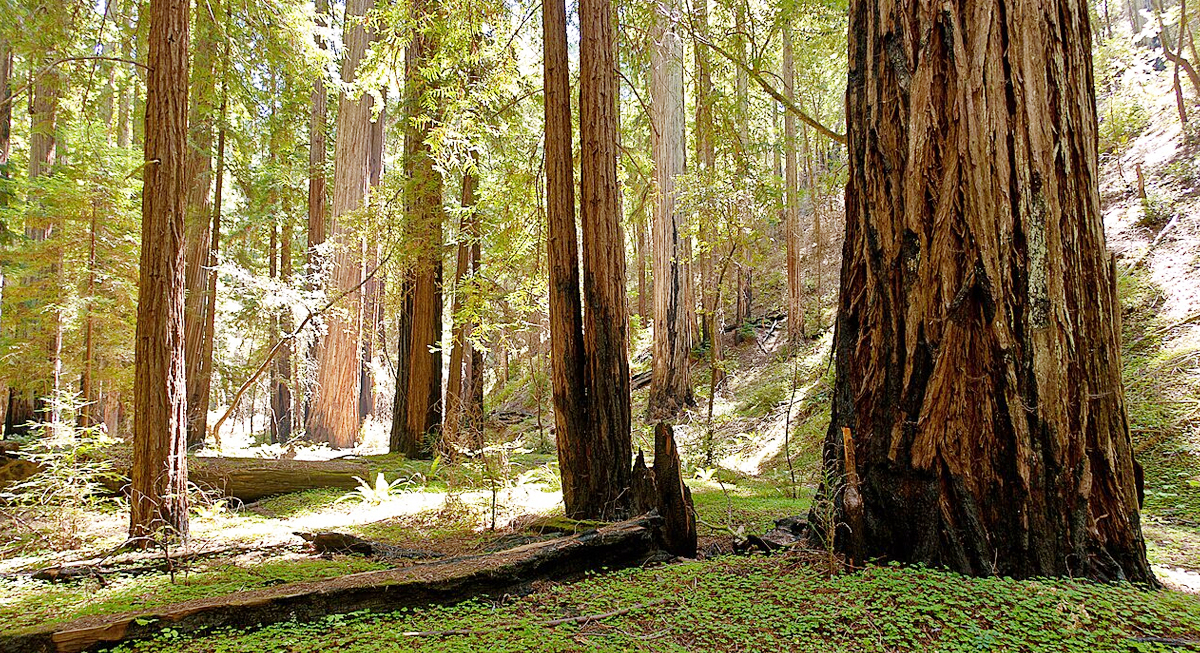
Image via Wikimedia Commons/David Eppstein
One reason these projects are moving faster than most new state parks is because the state already had a starting point. A lot of the land was already publicly owned or managed by conservation groups, which cut out the long stretch of real estate negotiations that usually slows projects down for years.
That means officials can spend less time dealing with paperwork and more time building trails, restrooms, and river access. The same thing is happening at some older parks too. Places like Montgomery Woods and the South Yuba River are quietly expanding as more nearby land gets added over time.
Rethinking The California Route
Filling the gap in the Central Valley is a matter of fairness as much as conservation. By opening these parks, the state is meeting its goal to protect 30% of California’s land by 2030 while also giving families in the valley a backyard they’ve been missing for generations.
The next time you plan a trip across the state, the map will look a little different. These new parks invite you to slow down in places you used to just drive through. The coastline will always be there, but California is finally proving that its heart is just as worth visiting as its edges.