Florida Beaches With the Absolute Best Shelling and Barely Any Crowds
Low tide on a beach can fill previously empty areas with whelks, scallops, olives, and sand dollars. These are pushed ashore overnight by Gulf currents. And in Florida, the beaches known for the best shelling are rarely the busiest parts of the coastline. Many of them are located beside tidal passes, barrier islands, wildlife preserves, or ferry routes, where development is limited, and there aren’t large crowds.
Regular shell hunters pay attention to storm movement, wind direction, and tide charts because conditions can shift fast from one morning to the next.
Bowman’s Beach, Sanibel Island
Credit: Getty Images
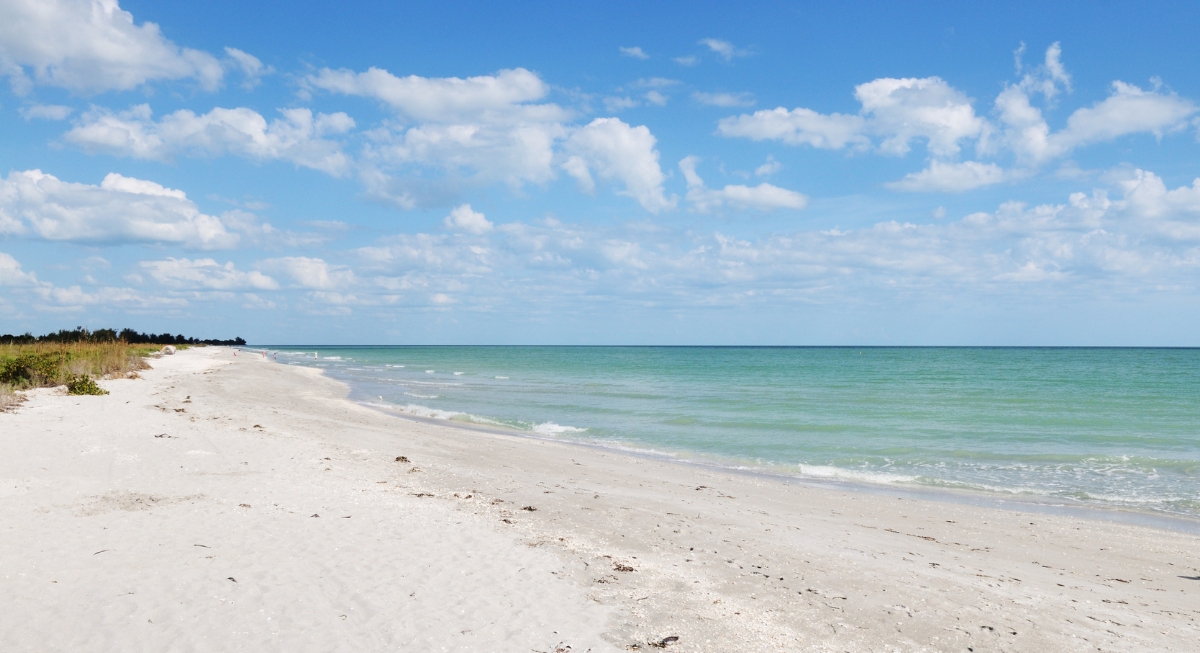
After parking at Bowman’s Beach, visitors first cross a long wooden walkway lined with dunes and coastal vegetation before the Gulf comes into view. Families hauling coolers and umbrellas spread out before reaching the shoreline, which leaves shell hunters with more room than nearby resort beaches. Sanibel’s east-west position also helps because Gulf currents push shells toward shore. Olive shells, tulips, cockles, and lightning whelks collect along the wrack line after rough weather. Around sunrise, the beach fills with people bent forward in the famous “Sanibel Stoop.”
Tigertail Beach, Marco Island
Tigertail Beach, Marco Island
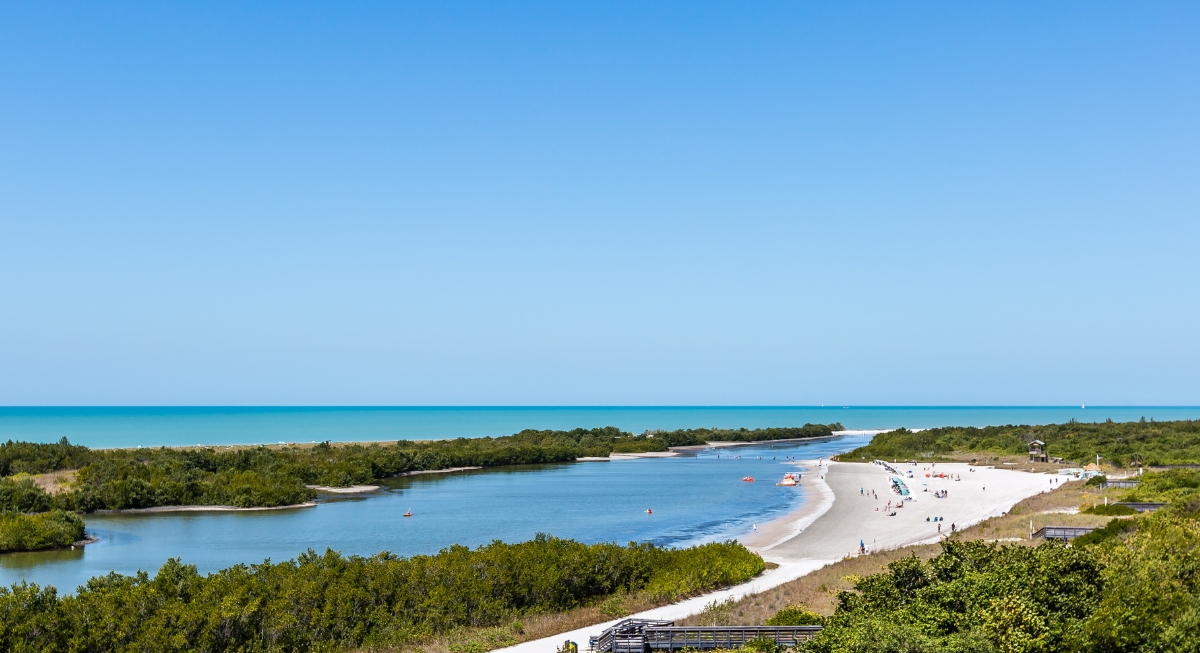
Wet legs are part of the Tigertail Beach experience. The best shelling area can be found beyond a shallow lagoon. Fish move here through grassy water, and shorebirds work the edges. Many people stop before crossing, so the outer beach is quieter than many Gulf Coast spots nearby. The beach has a wide, open feel once people reach the Gulf side, with fewer distractions. Shells gather along tidal edges shaped by sandbars, wind, and changing water levels.
Cayo Costa State Park
Credit: Getty Images
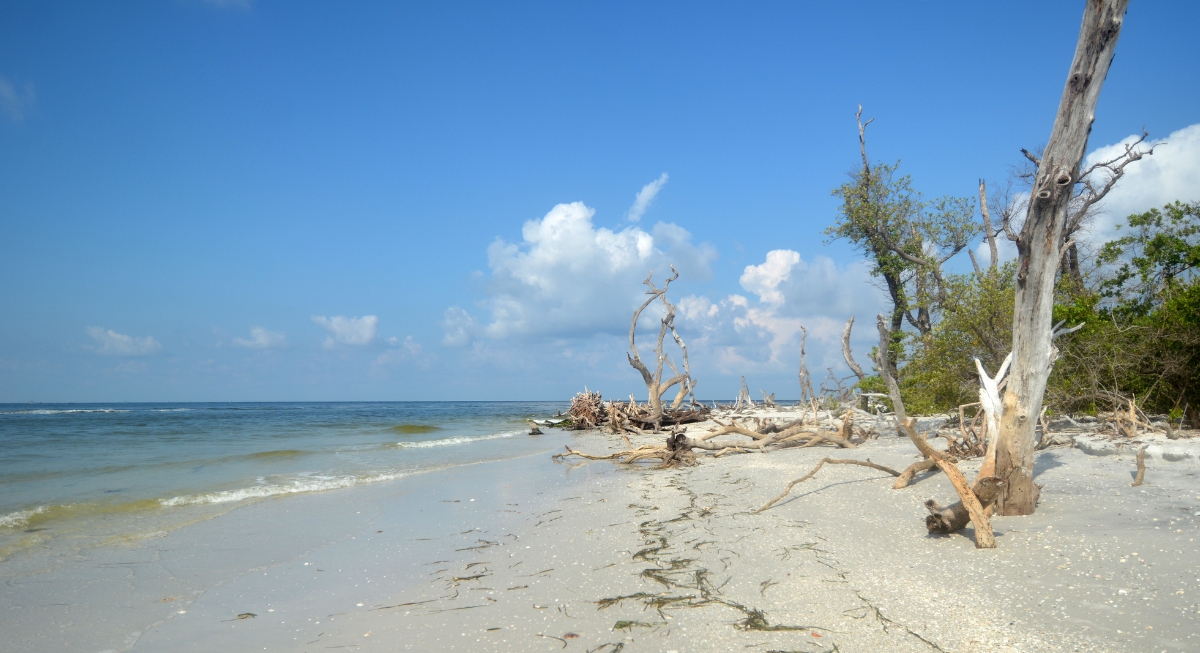
No roads cut across Cayo Costa State Park, and the island still looks much closer to old coastal Florida than resort-heavy parts of the Gulf Coast. The isolation also changes the shelling experience, as vast stretches of the beach are lightly picked over compared to more accessible Gulf beaches. After storms, cold fronts, and strong west winds, you can find alphabet cones, tulips, lightning whelks, and occasional lion’s paws pushed ashore overnight. Many collectors walk farther from ferry drop points because shell deposits become thicker where fewer visitors stop. Overnight campers used to enjoy a quieter version of the park, but cabins and tent sites are no longer available.
Caladesi Island State Park
Credit: flickr
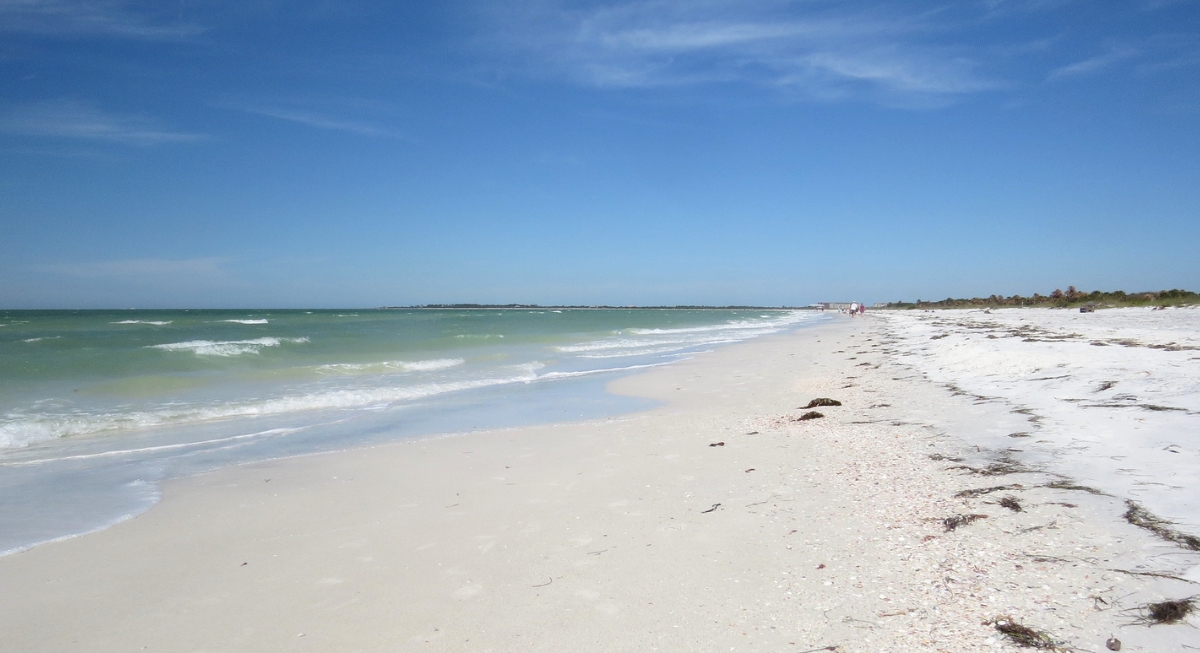
Kayakers sometimes reach Caladesi Island through mangrove tunnels or by boat from the Clearwater area. Oystercatchers pick through wet sand, and pelicans pass low over the surf. Low tide changes the beach dramatically by exposing sandbars and shallow wash zones where olives, scallops, coquinas, and smaller Gulf shells collect overnight. Storm movement and tidal shifts also reshape where shell lines form from one day to the next, which keeps regular collectors checking conditions before arriving. Caladesi also has one of the few remaining untouched barrier island ecosystems along Florida’s Gulf Coast, with dunes, pine flatwoods, and salt marshes packed into a relatively small protected area.
Jupiter Island Beaches
Credit: Getty Images
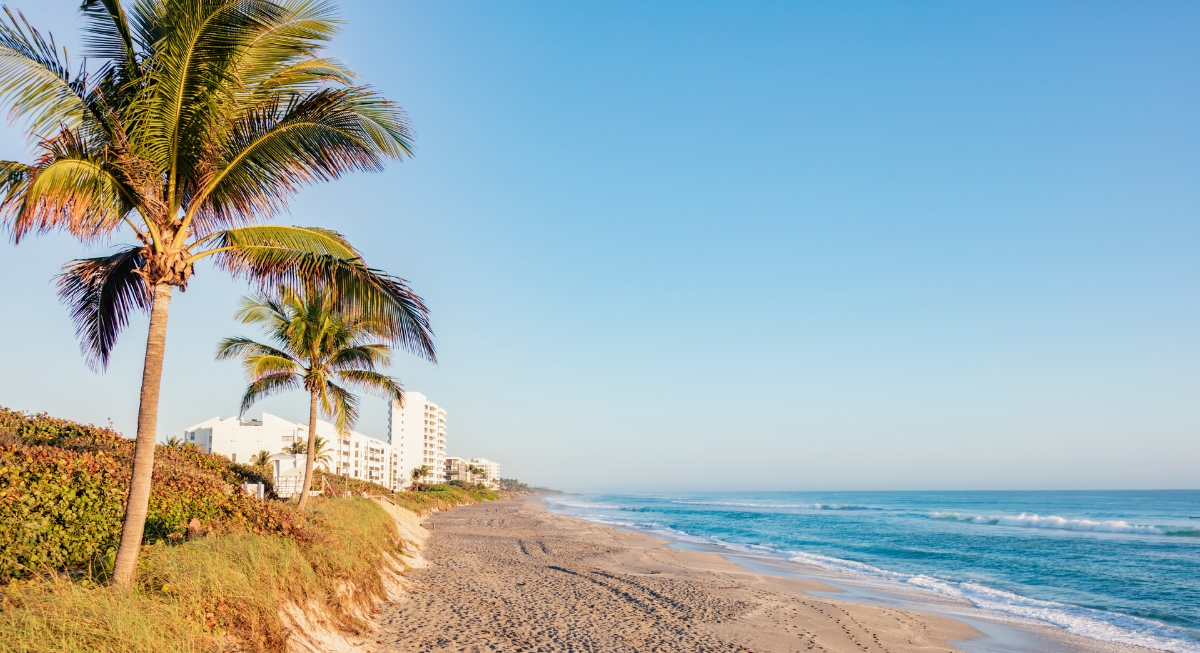
Atlantic shelling is a different experience, and Jupiter Island shows that. Waves hit harder, surf runs rougher, and limestone formations break up the sand near areas like Coral Cove Park. Shell hunters look for coquinas, lion’s paws, and sand dollars moved around by Atlantic currents. Parts of the coastline are close to sea grape thickets, dunes, and wildlife habitat connected to Hobe Sound National Wildlife Refuge. Early mornings matter because incoming surf can bury smaller finds within hours. The area also draws surfers, shore fishermen, and wildlife photographers.
Don Pedro Island State Park
Credit: Getty Images
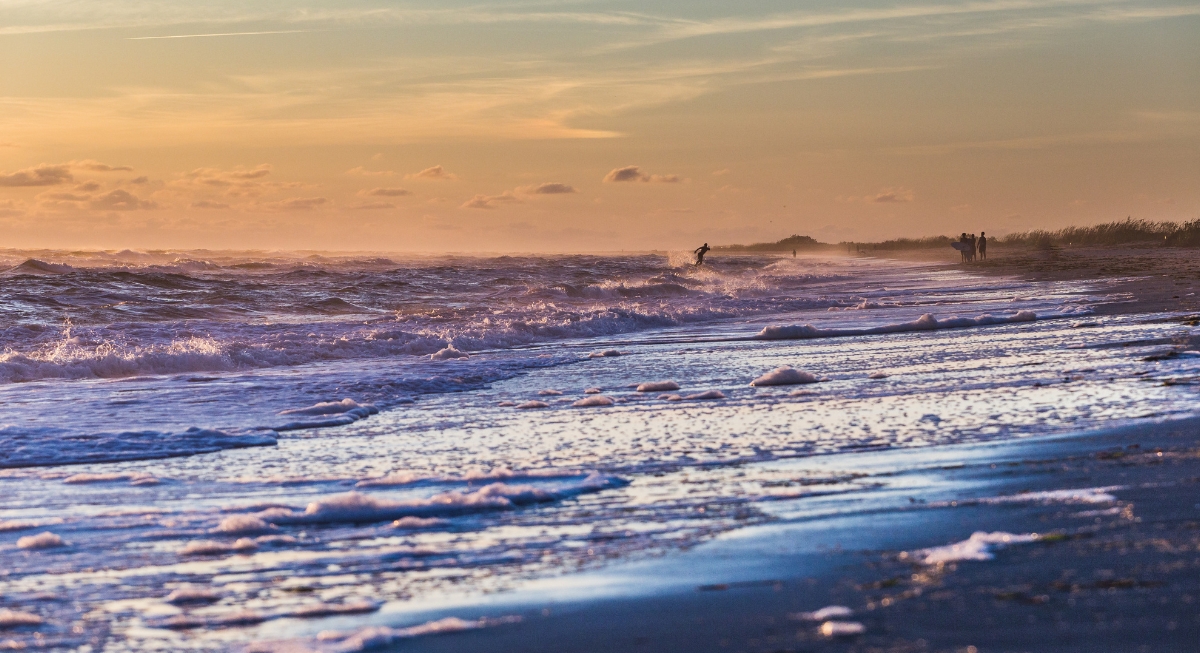
Don Pedro Island State Park draws a different kind of shell hunter because the beach combines Gulf shell hunting with fossil hunting. People do not just scan for intact whelks and tulips here. They also crouch near darker shell piles searching for small fossilized shark teeth buried between broken fragments after shifting surf. The island’s narrower shoreline changes fast with tides, so shell deposits can appear concentrated in one section one morning and nearly disappear by afternoon. The shallow estuary waters surrounding the island support fish nurseries and coastal bird populations.
Lovers Key State Park
Credit: Wikimedia Commons
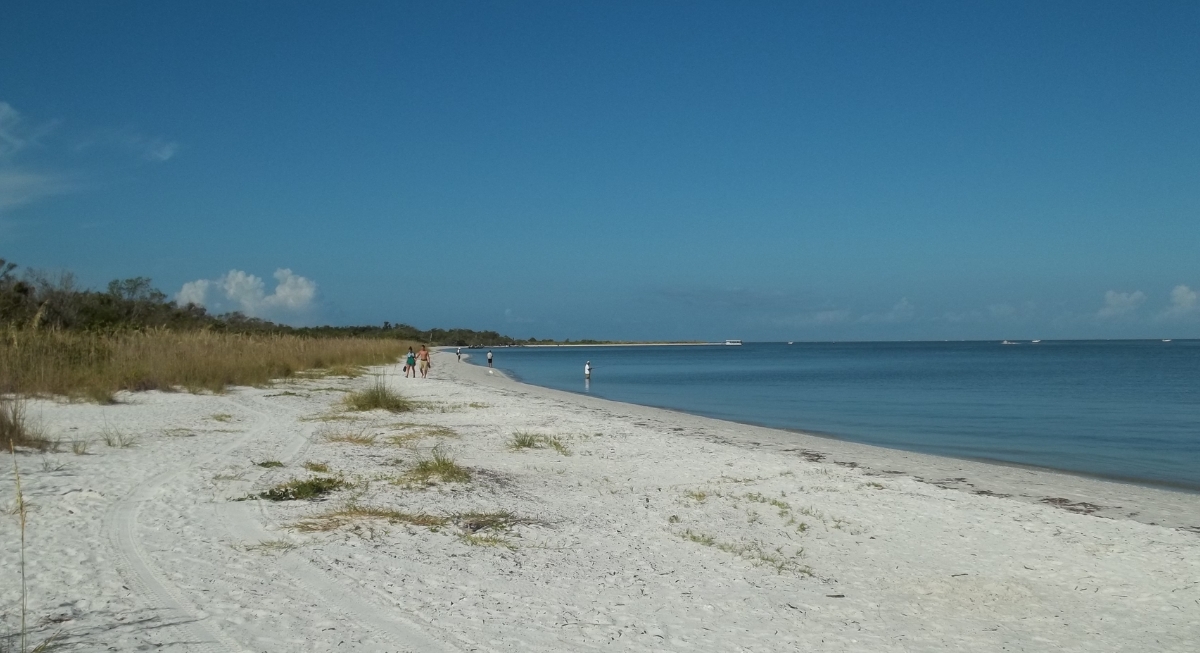
Lovers Key was accessible only by boat for years before roads eventually connected the islands to the mainland. The park now encompasses barrier islands, mangrove forests, estuaries, tidal lagoons, and the Gulf shoreline, all packed into one protected coastal system. Conditions change fast after wind and storms, with shell lines sometimes appearing in completely different sections overnight. Early mornings draw shell hunters to shallow sandbars and wet wash zones in search of olives, scallops, fighting conchs, tulips, and whole sand dollars.
Ten Thousand Islands
Credit: Getty Images
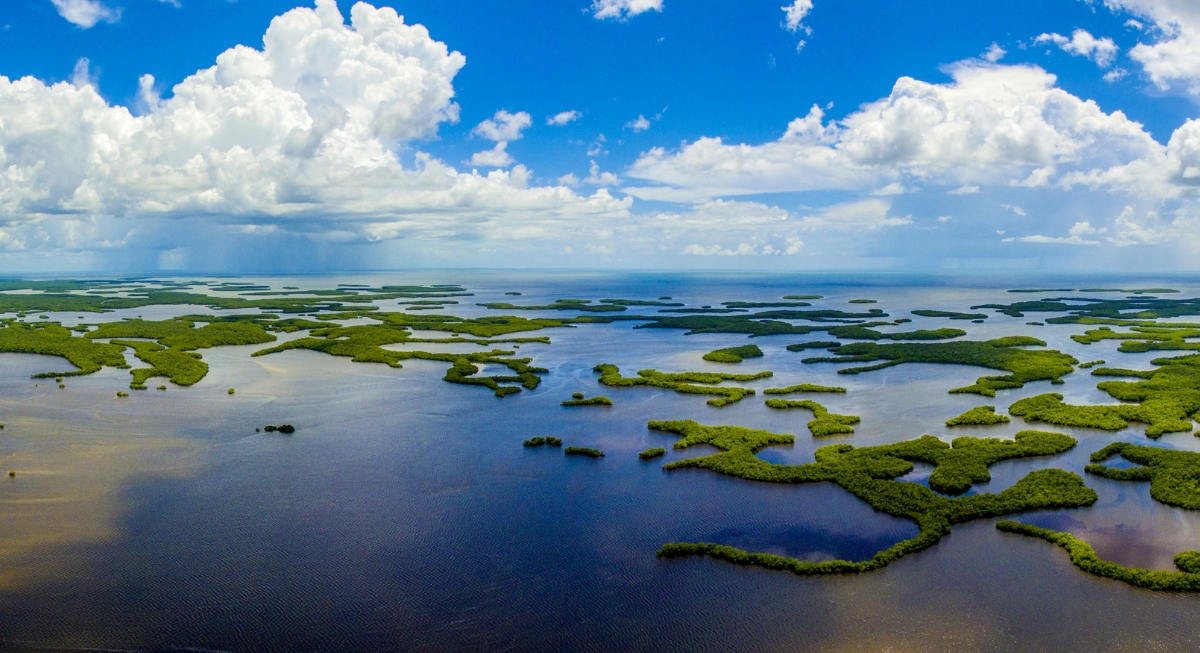
Maps barely prepare you for the Ten Thousand Islands. Mangrove-covered islands dot the waters south of Naples and create narrow waterways. It also creates hidden beaches, oyster bars, and shelling flats reachable by boat. Local captains watch the weather closely because a single overnight storm can shift where shells gather. Dolphins surface beside small boats moving through the channels, and roseate spoonbills pass over the mangroves.
Big Talbot Island’s Boneyard Beach
Credit: Getty Images
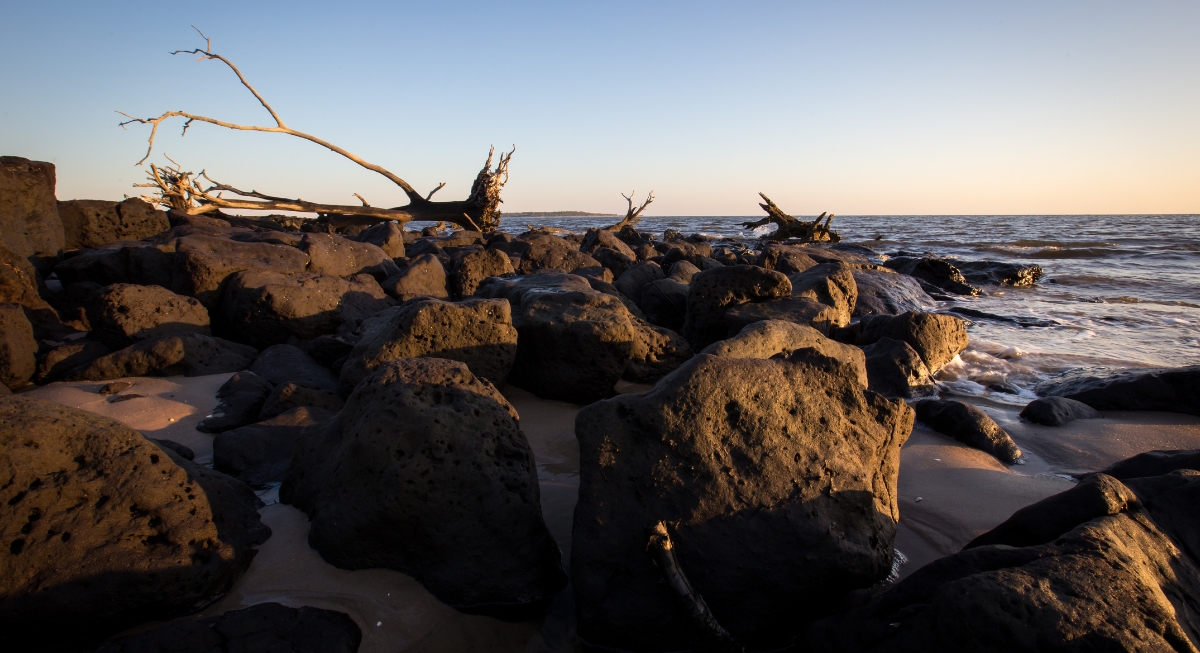
Boneyard Beach does not look like the glossy Florida beach most travelers expect. Massive driftwood trees lie across the shoreline, with exposed roots shaped by years of Atlantic erosion. Some trunks are half-buried near the surf, while others rest at sharp angles above darker sand and broken shell deposits. Shelling here has a rougher Atlantic character than the cleaner Gulf Coast beaches farther south. Around the driftwood and erosion pockets, collectors can find coquinas, clam shells, and other weathered Atlantic finds.
Blind Pass Beach, Sanibel-Captiva
Credit: Getty Images
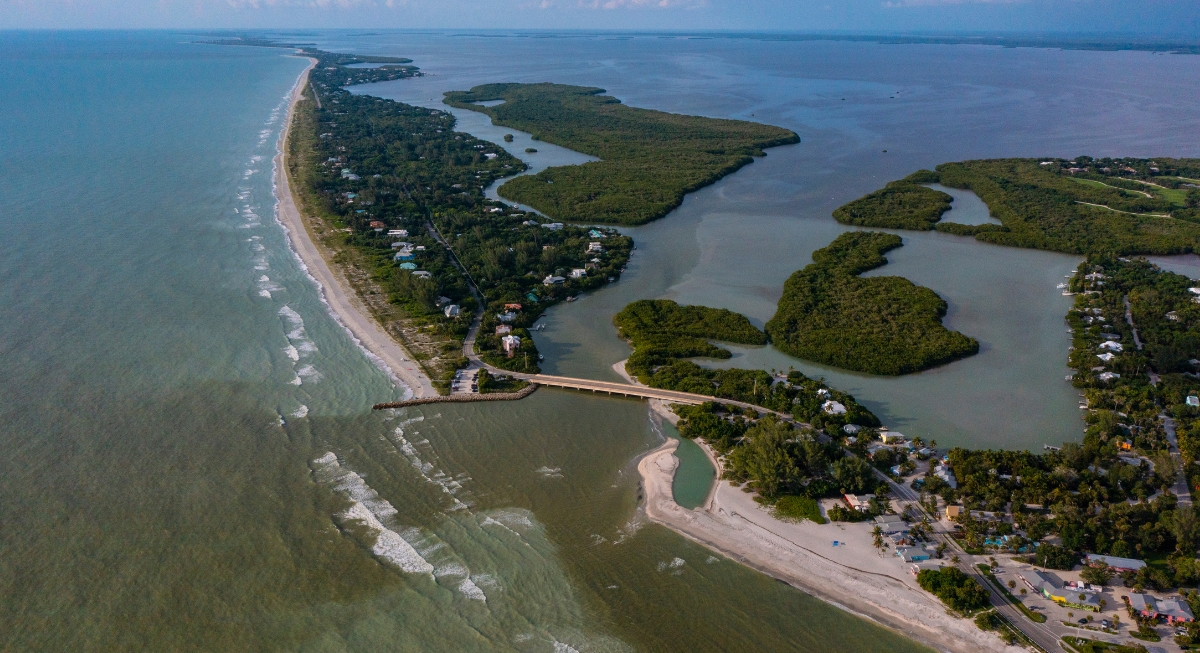
Strong tidal currents drive everything at Blind Pass Beach. Water flows between Sanibel and Captiva Islands through a narrow pass that constantly reshapes the shoreline and redistributes shells after changing tides and storms. Whelks, tulips, olives, and scallops collect heavily after rough surf pushes material through the pass. The area also has a long fishing history tied to the bridge and the nearby moving water. Shorebirds gather along the edges of the pass searching for small fish trapped by changing currents.