Best Historic Small Towns You Need to Visit in Connecticut
Across Connecticut, visitors can find compact town centers, river villages, coastal boroughs, and old farming communities with history dating back to the 1600s. Some places still have stone houses, colonial greens, burying grounds, and early settlement sites within walking distance of everyday shops and restaurants. There are also maritime museums, Revolutionary War connections, old ferries, law school history, antiques districts, art collections, and preserved estates.
Wethersfield
Credit: Wikimedia Commons
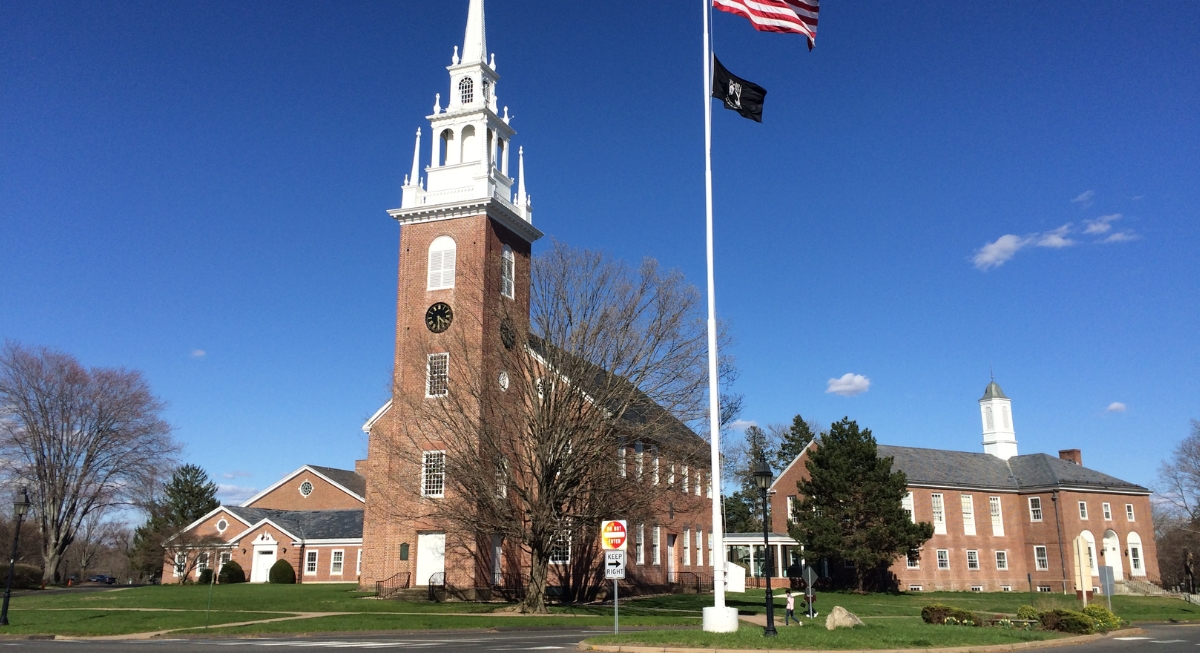
Old Wethersfield has one of Connecticut’s most walkable historic districts, with colonial homes, old burying grounds, museums, churches, and shops gathered along Main Street. The Webb-Deane-Stevens Museum includes three 18th-century houses, including the Joseph Webb House, where George Washington met French commander Rochambeau in 1781. The town also has a deeper and darker colonial history tied to early witch trials.
Guilford
Credit: Wikipedia
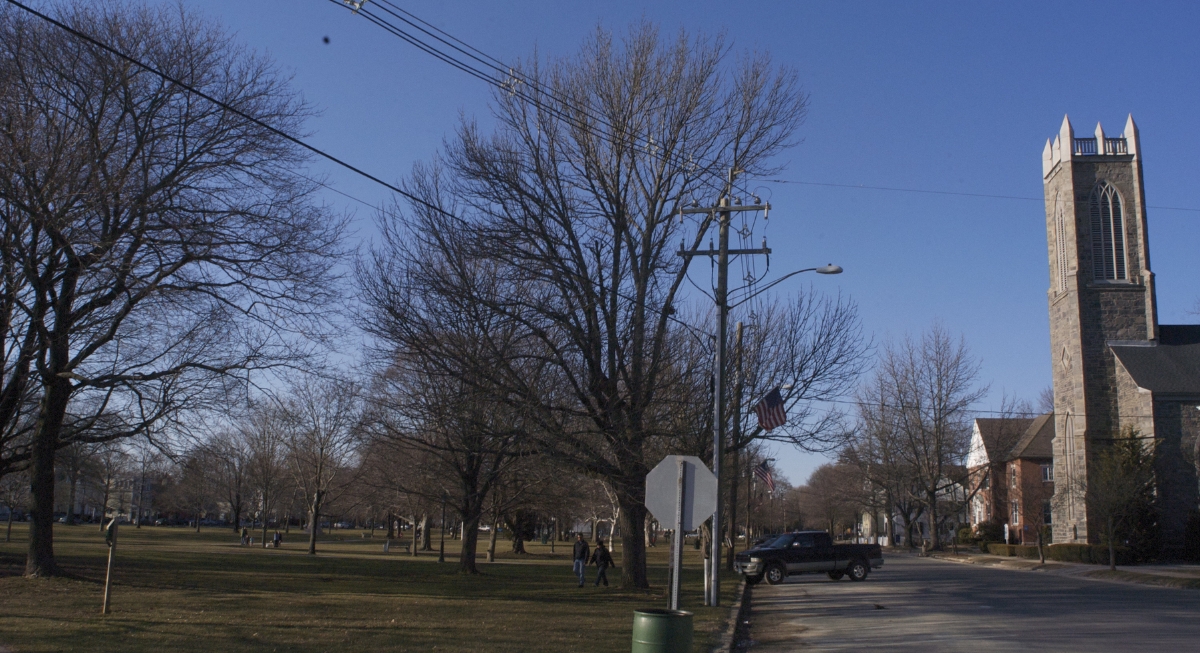
Built in 1639, the Henry Whitfield House is a major part of Guilford’s identity. It is widely recognized as Connecticut’s oldest house and New England’s oldest stone house. Its thick stone walls once served as defense. The building gives visitors a direct look at settlement, religion, fear, and survival. Around the town green, Guilford has churches, civic buildings, old homes, local shops, and a compact center.
Litchfield
Credit: Wikimedia Commons
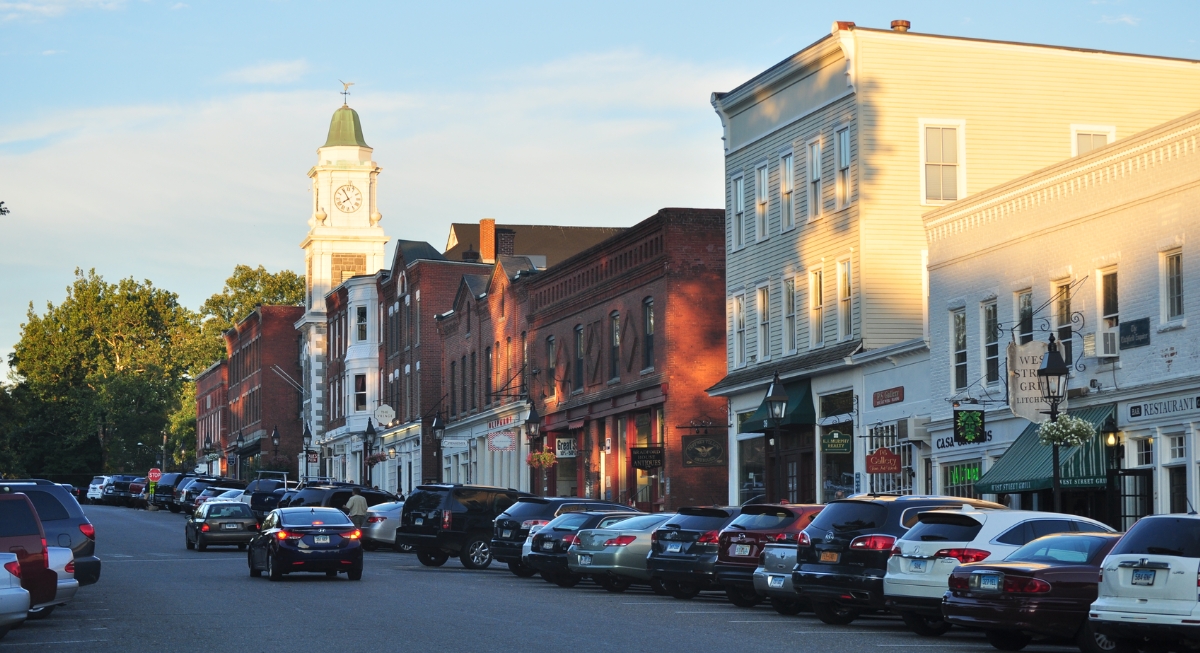
Litchfield has a polished New England village setting. The town was incorporated in 1719 and later served as a Revolutionary War supply point and stopover for American troops. Its town green still anchors the center, with churches, shops, old homes, and civic buildings arranged around the public square. The Tapping Reeve House and Litchfield Law School also stand out. Founded in 1784, the law school is widely described as the first in the United States.
Essex
Credit: Wikimedia Commons
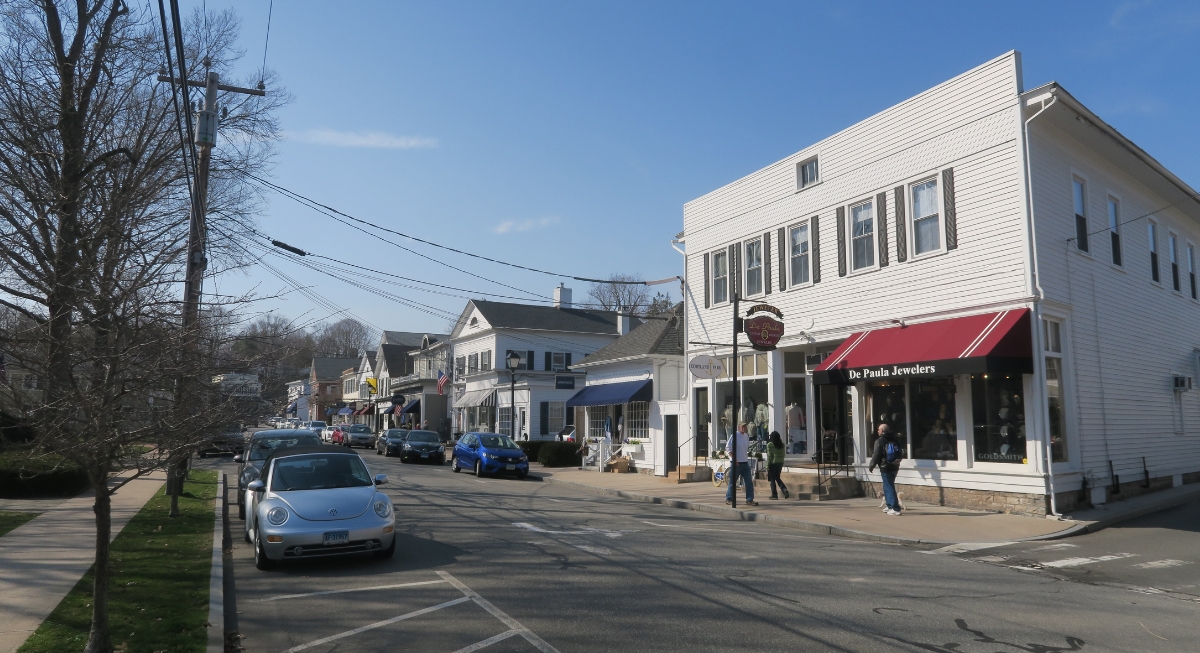
Essex has a strong connection to the Connecticut River. The Connecticut River Museum is located in a 1878 steamboat warehouse on the waterfront and covers the river’s role in indigenous life, shipbuilding, trade, transportation, and recreation. The Griswold Inn is just a few minutes away. This inn dates to 1776 and remains one of the country’s oldest continuously operated inns.
Mystic
Credit: Wikimedia Commons
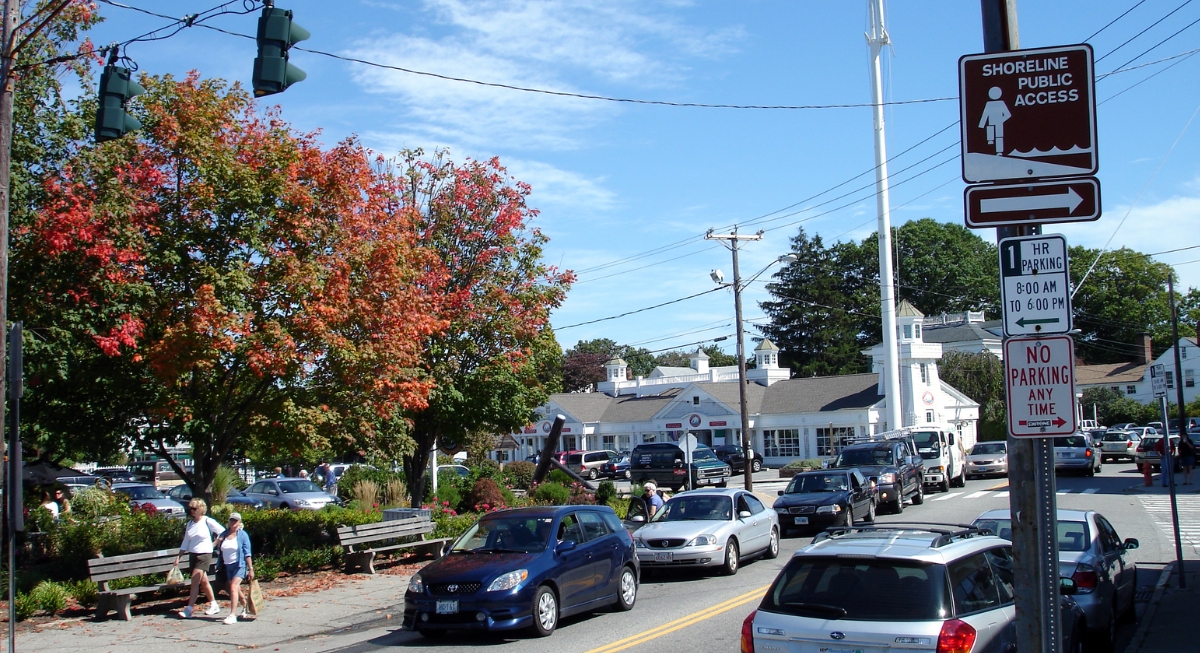
Technically, Mystic is a village, but it remains one of Connecticut’s most memorable small-town destinations. Mystic Seaport Museum gives visitors access to historic vessels, working shipyard exhibits, waterfront buildings, and maritime collections. Visitors can board old ships, watch demonstrations, and learn how seafaring shaped daily life along Connecticut’s coast. The surrounding village has restaurants, a famous drawbridge, and old storefronts.
Stonington
Credit: Wikimedia Commons
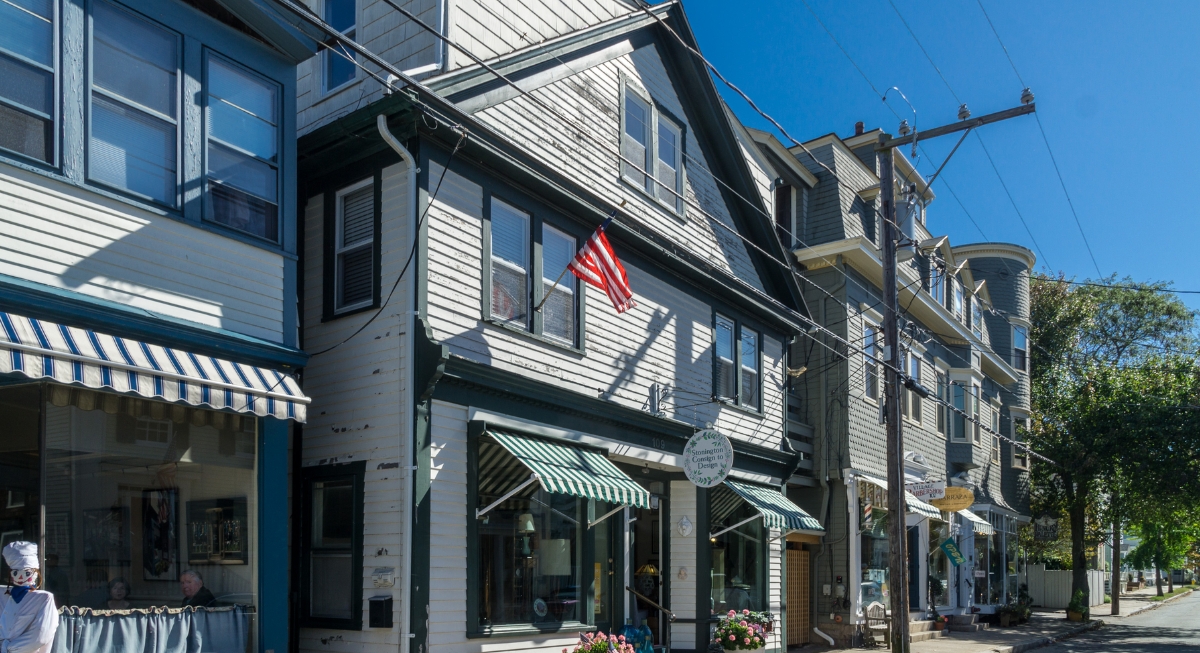
The Old Lighthouse Museum is located at Stonington Point, where visitors can look toward Fisher’s Island Sound and Little Narragansett Bay while learning about the town’s maritime past. The lighthouse opened as a museum in 1927. Beyond the museum, the borough has narrow streets, captain’s houses, small shops, restaurants, and working waterfront views packed into a small area.
Old Saybrook
Credit: Tripadvisor
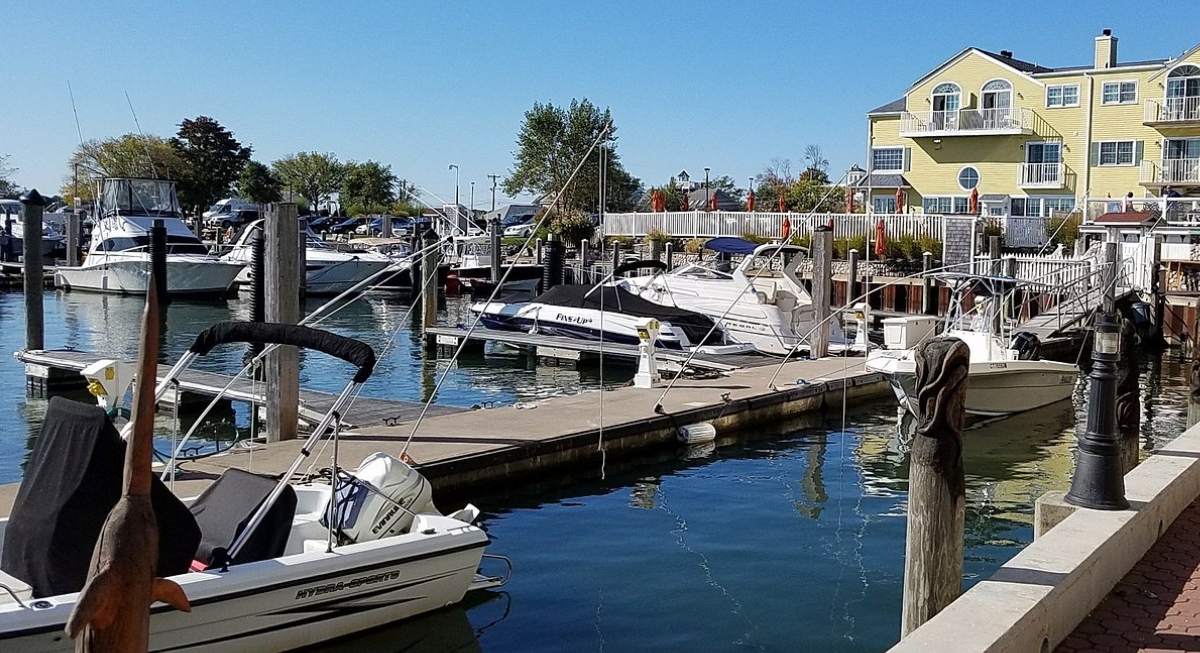
Old Saybrook is where the Connecticut River meets Long Island Sound. That location made the town important during early colonial settlement. English settlers established Saybrook Plantation in 1635 and built a fort to guard the river entrance. Fort Saybrook Monument Park keeps that history accessible near the water. Old Saybrook is especially rewarding for visitors who like history connected to geography, since the river mouth helps explain the town’s early strategic value.
Chester
Credit: Wikipedia
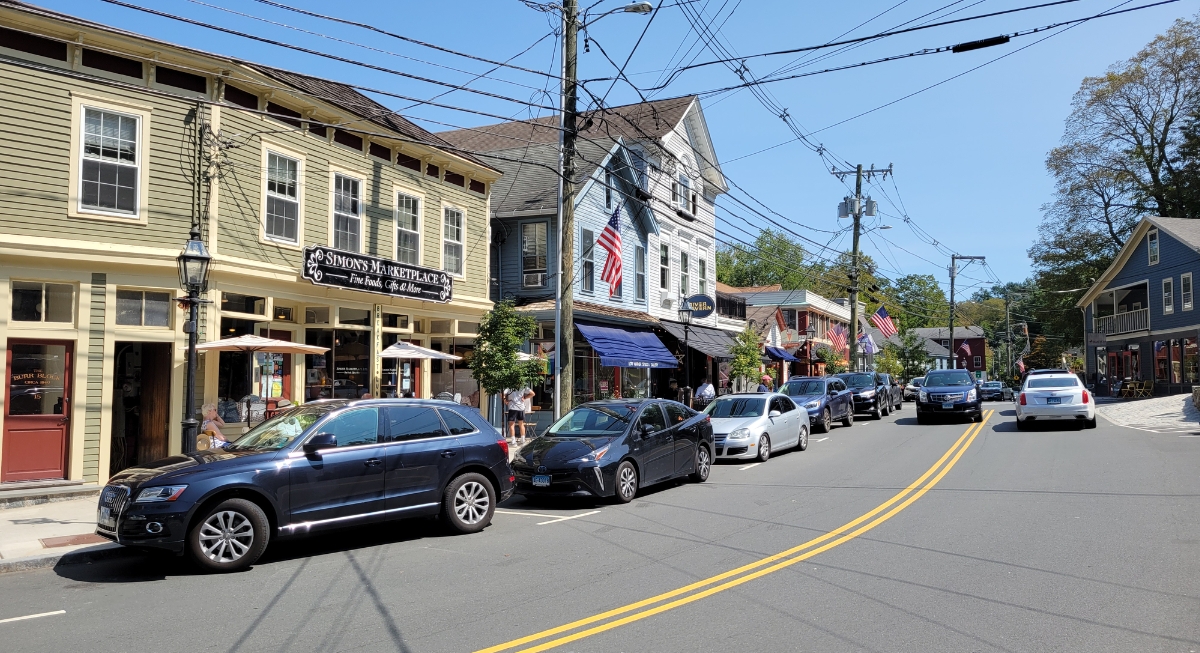
The Chester Museum at The Mill is located on a 19th-century industrial site near Pattaconk Brook. It depicts the small-scale manufacturing that shaped many communities in the Connecticut River Valley. The Chester-Hadlyme Ferry has roots going back to 1769 and still carries passengers across the Connecticut River seasonally. The village center has galleries, restaurants, old buildings, and a relaxed Main Street.
Woodbury
Credit: Wikimedia Commons
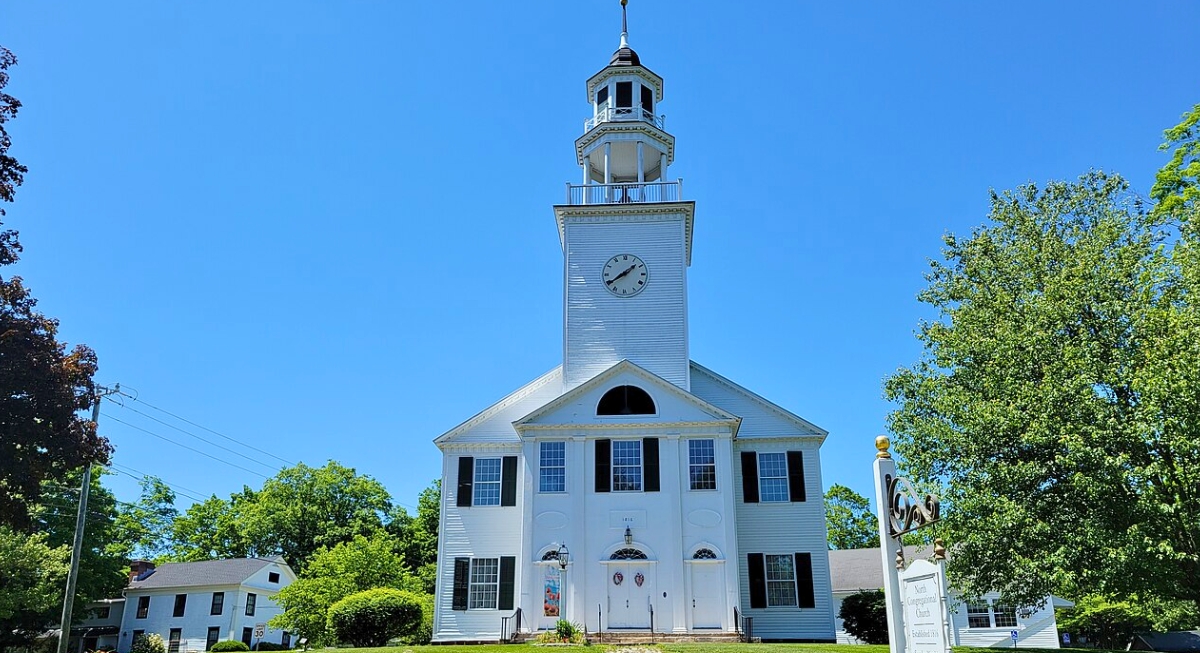
Along Woodsbury’s Main Street, old homes, churches, antique shops, and local businesses create recognizable village corridors in western Connecticut. The town was settled in the 1670s, and preserved buildings and older storefronts still show that layered past. The Glebe House Museum shows colonial-period furnishings and ties to Episcopal Church history.
Farmington
Credit: Wikimedia Commons
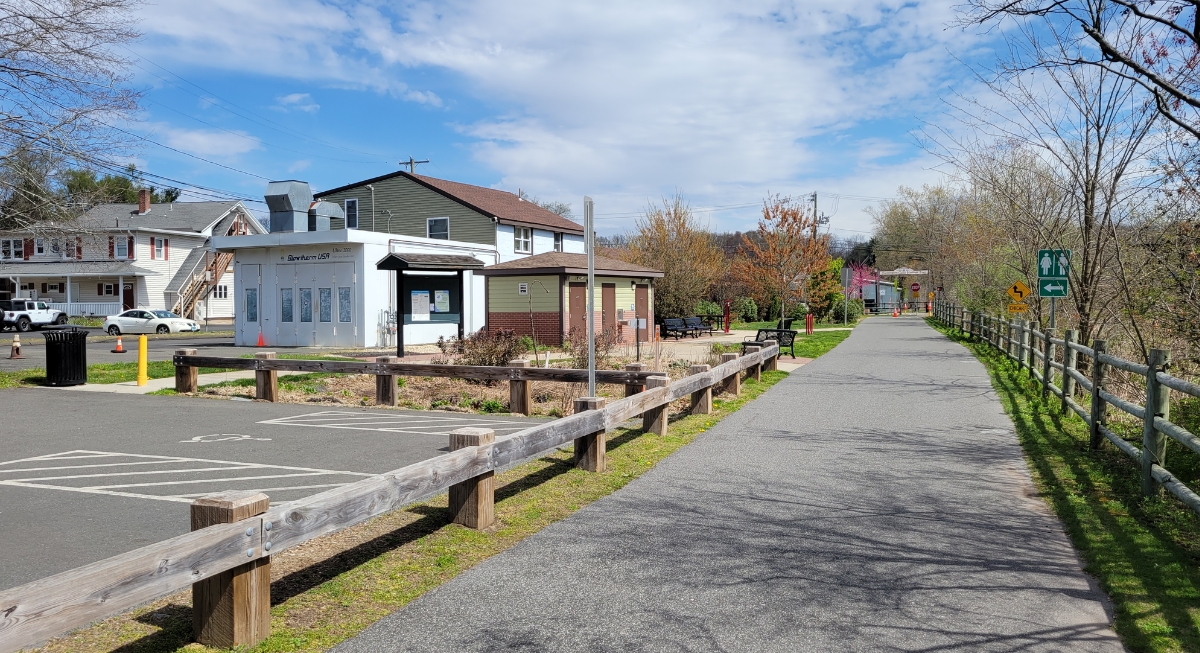
Farmington preserves a 1901 Colonial Revival house on a 152-acre estate, home to major works by artists such as Monet, Manet, Degas, Cassatt, and Whistler. The house itself was designed by one of the country’s early female architects. Domestic life from a much earlier period can be observed at the Stanley-Whitman House. This town also belongs on Connecticut’s Freedom Trail because the Mende captives from La Amistad stayed in Farmington in 1841 after the Supreme Court case.