Beijing Has a ‘Traffic Jam Rescue’ Service That Is Absolute Genius
More than 21 million residents move through Beijing’s road network, squeezed by geography, growth, and daily demand. Traffic delays regularly stretch into hours, disrupting workdays, flights, and emergencies. Over the years, extreme gridlock has pushed residents to look for paid shortcuts that save time rather than money. One solution quietly gained attention by offering a direct escape from standstill traffic for a fixed fee. It also promised time, the one thing traffic never gives back.
Delay Turns Into a Market
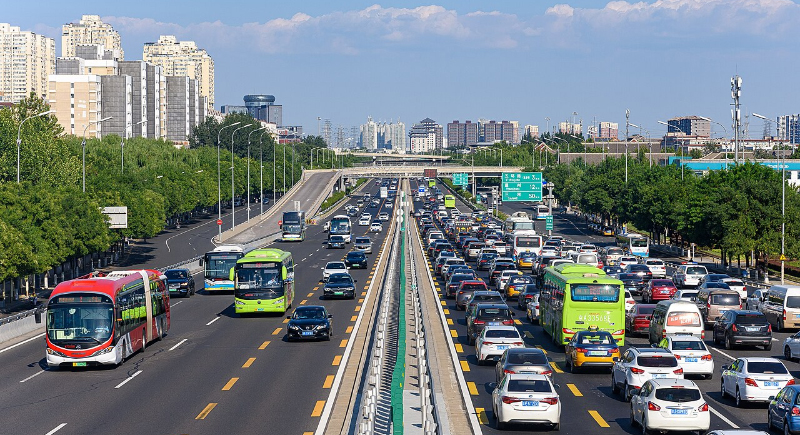
Image via Wikimedia Commons/N509FZ
Traffic pressure in Beijing created an opening for a service that treated delay like a solvable problem rather than a fact of life. The basic pitch centered on speed and certainty. For a fee of about $60 to $65, a stranded driver could buy a way out of standstill congestion. This framed the service as a last resort, not a novelty.
This was not a government project or a flashy startup push. It existed in a gray area where convenience meets desperation. People paid because the math worked. Two hours stuck versus a short ride and a salvaged schedule.
How the Rescue Actually Worked
The mechanics were simple and bold. Two people arrived on a motorcycle. One stayed with the vehicle. The other took the passenger. Lane splitting and side routes did the rest. The motorcycle slipped through traffic gaps that cars could never touch. The passenger reached the destination. The car followed later.
That division of labor made the idea function. Motorcycles already moved differently through Beijing traffic. The service leaned into that reality rather than fighting it. No rerouting apps. No traffic updates. Just a physical bypass.
The Price of Trust
Image via Getty Images/amriphoto
Handing a car to a stranger came with obvious tension. So did climbing onto a motorcycle in dense traffic. Safety concerns hovered over the entire concept. Those concerns eventually caught up with at least one operator.
A service known as Dingding Yueche gained attention around 2015. It charged about 400 yuan per trip, roughly $65 at the time. Interest surged, then cooled. Reports pointed to safety and trust issues as reasons it shut down within months. Fear of theft lingered. Comfort levels varied. The idea proved clever, yet fragile.
Why Beijing Bred the Idea
Several factors made this possible in Beijing. Road capacity struggled to keep pace with rapid urban growth. Mountains boxed the city on three sides, limiting expansion. Public transit carried millions each day, though many commuters still relied on private vehicles. These pressures collided during peak hours.
In that environment, unconventional fixes gained traction. Jam rescue fits a pattern seen across megacities. When infrastructure lags, improvisation fills the gaps. Some solutions last. Others burn bright and vanish.
The service reportedly found fans beyond Beijing, including in Jinan, the capital of Shandong province. Interest followed the same arc. Curiosity rose. Stories spread. Doubts followed close behind. Trust remained the biggest hurdle. Convenience only works when people feel safe handing over keys and control. The uneven lifespan of these services added to their mystique. Accounts alternated between the present tense and past tense. That uncertainty became part of the story.
A Concept Bigger Than One City
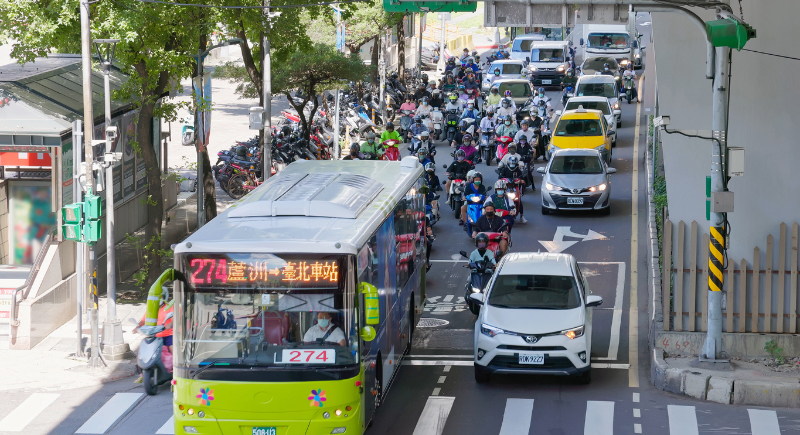
Image via iStockphoto/PonyWang
The appeal of jam rescue stretches beyond China. The concept fits on paper. Execution would demand oversight, insurance, and cooperation with local authorities. The margins would stay thin. The risks would stay real. Still, the idea refuses to fade. It captures a universal wish shared by commuters everywhere. Escape the jam. Save the day. Pay the price. Beijing did not solve the traffic. It simply exposed how far people will go to outrun it.