10 Reasons the World’s Most Beautiful Street Has Absolutely No Cars
Most famous streets have signs, traffic lights, and honking taxis. Venice took a different path. The Grand Canal lacks standard street equipment, painted lanes, and curbside parking. Still, the city moves smoothly. Boats glide past historic palaces while pedestrians cross over stone bridges. The water handles a lot of daily transit. So, while it may look unusual, the world’s most beautiful street works perfectly fine without pavement or cars.
It Grew Across A Lagoon
Credit: Wikimedia Commons
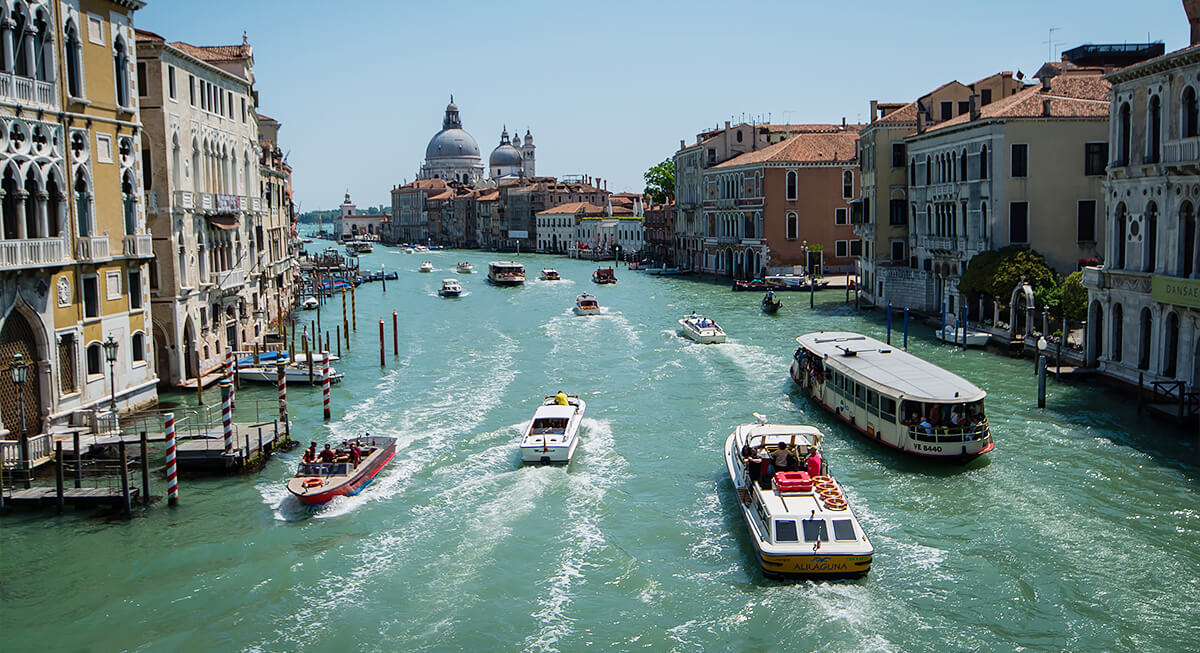
Venice was built across 118 small islands in a shallow lagoon. Water was never an obstacle to avoid. It was the easiest way to travel. Canals connected local neighborhoods long before paved roads existed. The Grand Canal naturally became the main highway because it fit the environment. A standard street map would have ignored the one resource Venice had plenty of: water.
Boats Became The Daily Habit
Credit: Wikimedia Commons
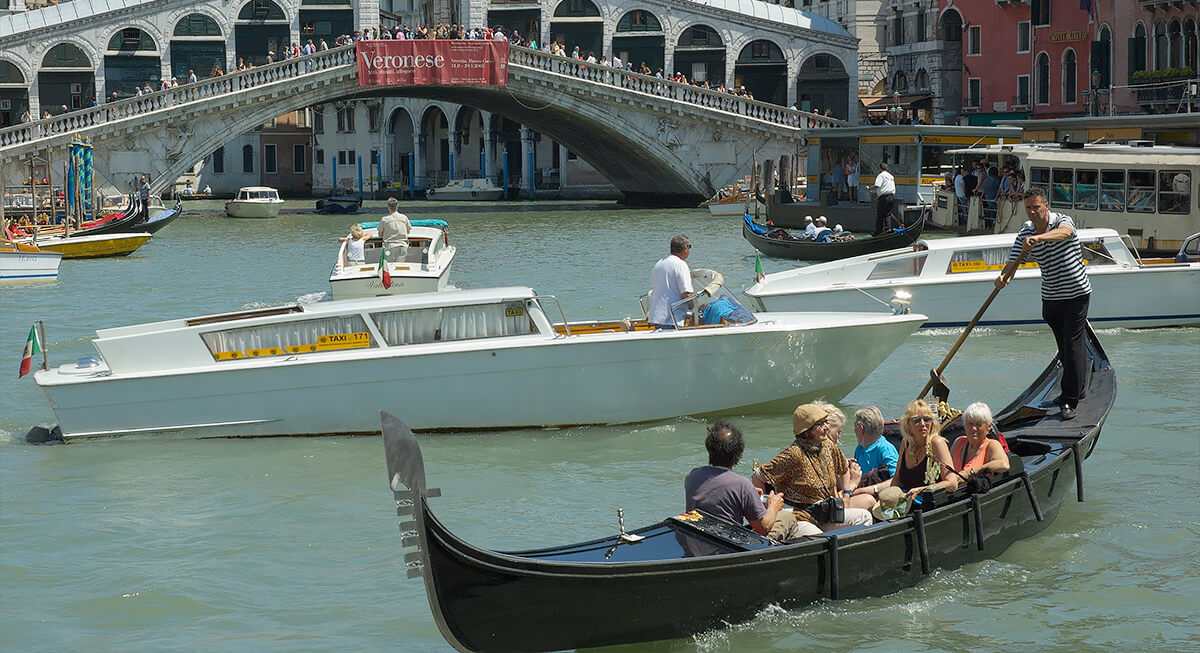
For centuries, Venetians traveled by boat to homes, markets, and churches. The historic center still depends heavily on water transport and walking. The Grand Canal also works like a busy main street in another city, with deliveries arriving by boat, taxis floating up to the sidewalk, and public water buses pulling into stations without needing wheels.
The Palaces Wanted A Water Entrance
Credit: Wikimedia Commons
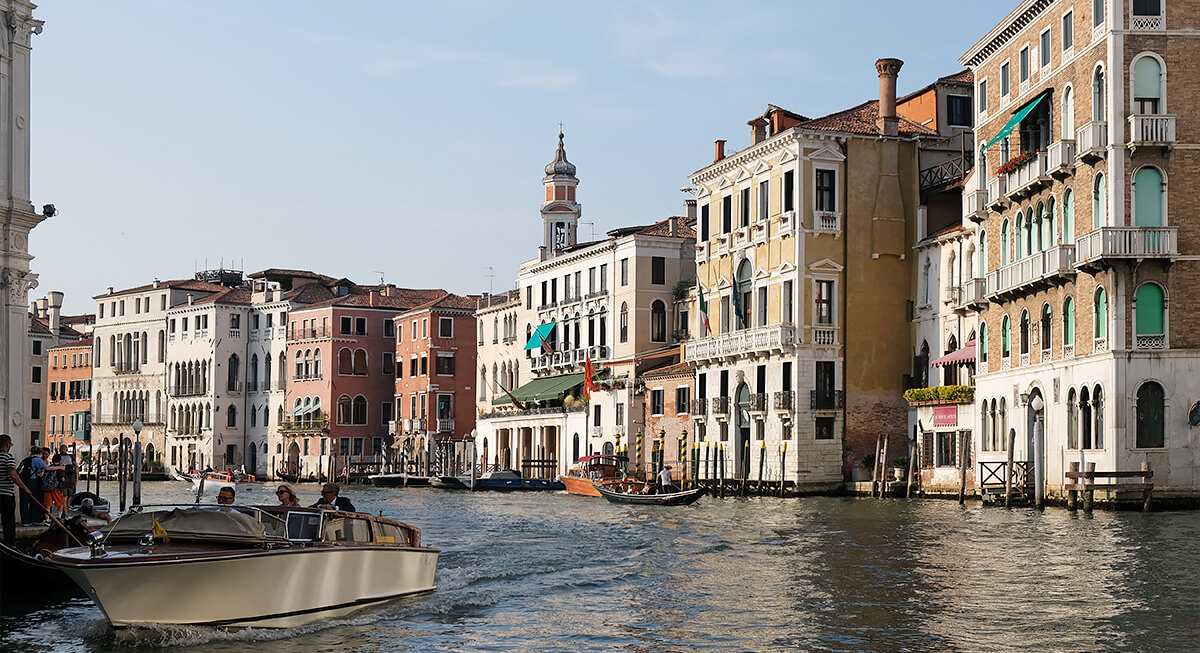
Standing along the Grand Canal reveals the city’s true priorities. Many grand homes face the water because important guests historically arrived by boat. Beautiful arches, elegant balconies, and detailed stone carvings served as an expensive welcome sign. The canal was the ultimate address for showing off, especially when wealthy families wanted everyone to notice their success.
The Ground Was Never Meant For Traffic
Credit: Wikimedia Commons
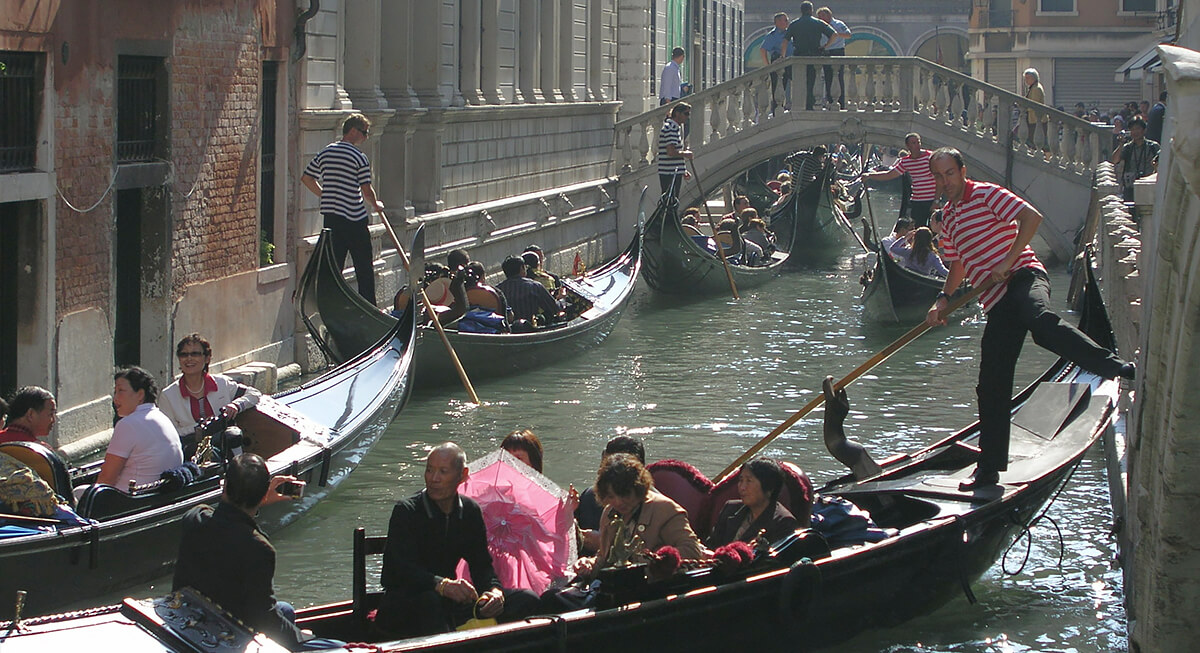
Many of the historic buildings in Venice are supported by wooden posts driven deep into the soft lagoon mud. This clever engineering helped support heavy structures in a wetland area. Builders never designed these fragile foundations for cars, parking lots, or heavy traffic.
Rialto Turned Water Into Business
Credit: Wikimedia Commons
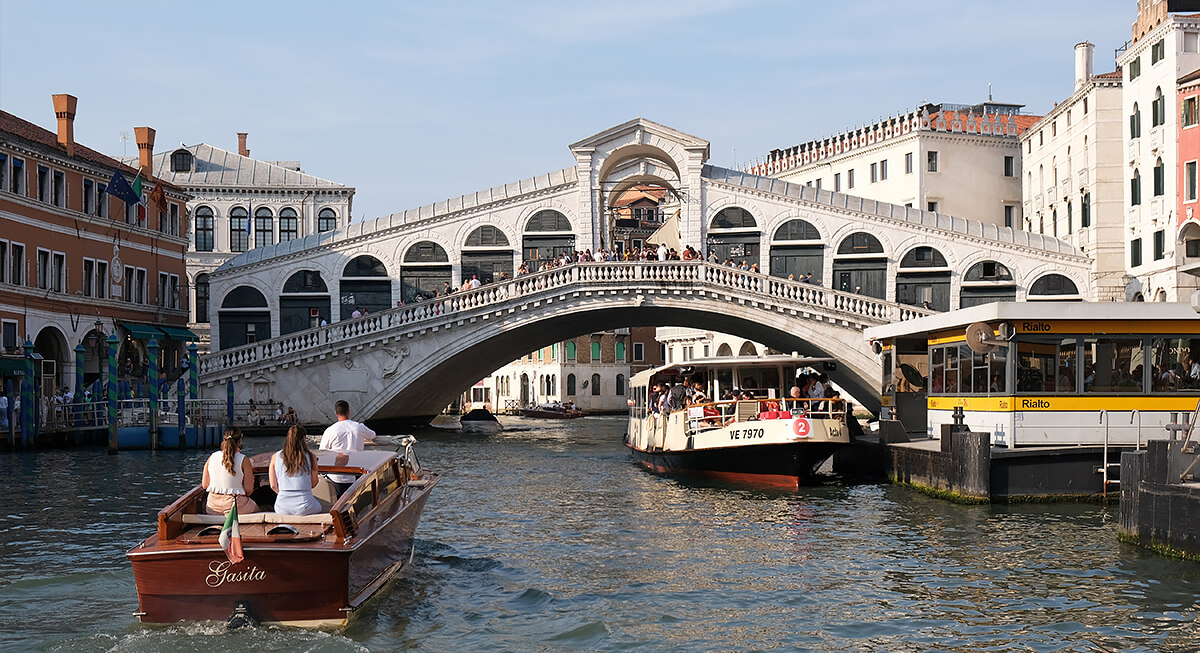
The Rialto area grew into one of the main trading centers in Venice, powered by the busy Grand Canal. Early merchants moved goods by boat, markets attracted crowds, and wealthy families wanted to live near the action. Commerce gave this famous waterway a real purpose long before tourists arrived for vacation.
Walking Keeps The City Human
Credit: Wikimedia Commons
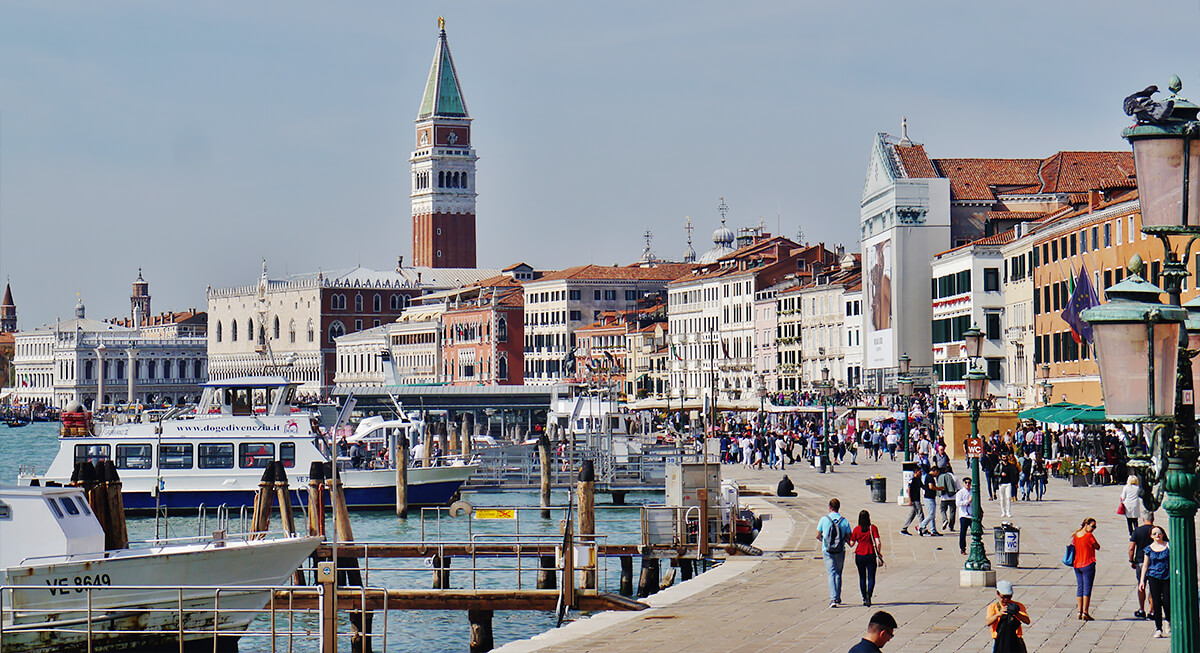
A trip through Venice features narrow lanes, sudden turns, small bridges, and the Grand Canal appearing without warning. Cars would ruin this memorable experience. Walking keeps the city close by letting people notice beautiful doorways, water levels, shop windows, and footsteps on stone. The journey matters because Venice forces people to slow down.
The Bus System Floats
Credit: Wikimedia Commons
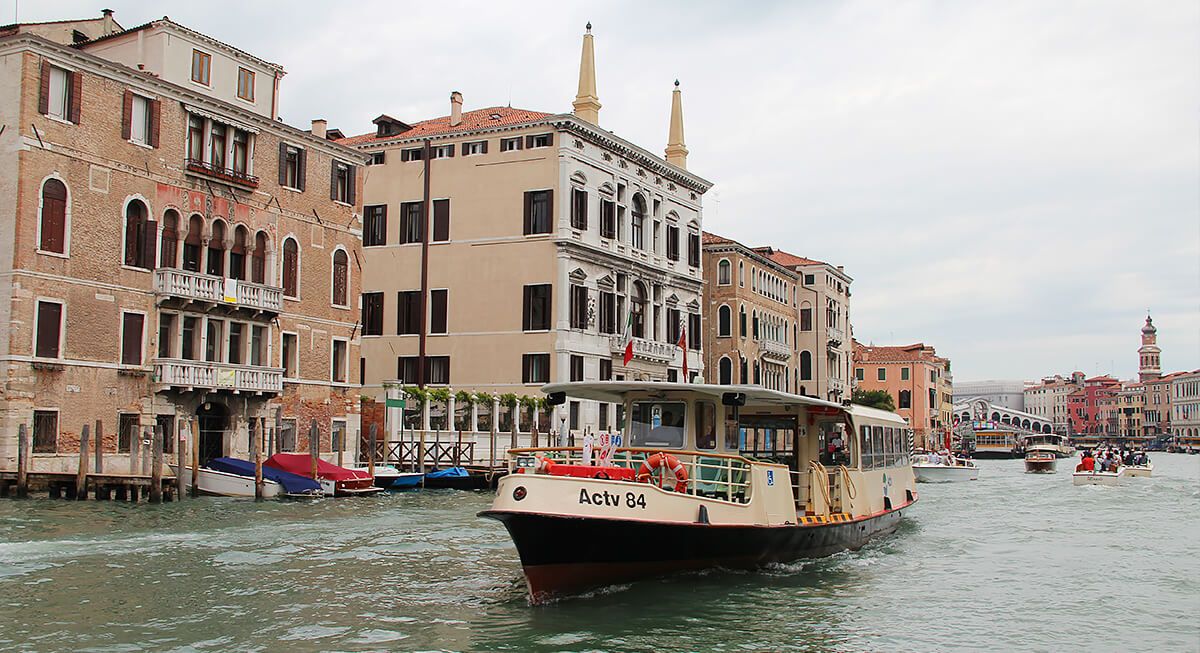
The city relies on water buses called vaporetti for public transit. These boats travel along the Grand Canal, carrying workers, locals, and tourists across the city. They are practical, busy, and a normal part of daily life. The system should only feel strange to people who expect buses to have wheels.
Bridges Do The Crossing Work
Credit: Wikimedia Commons
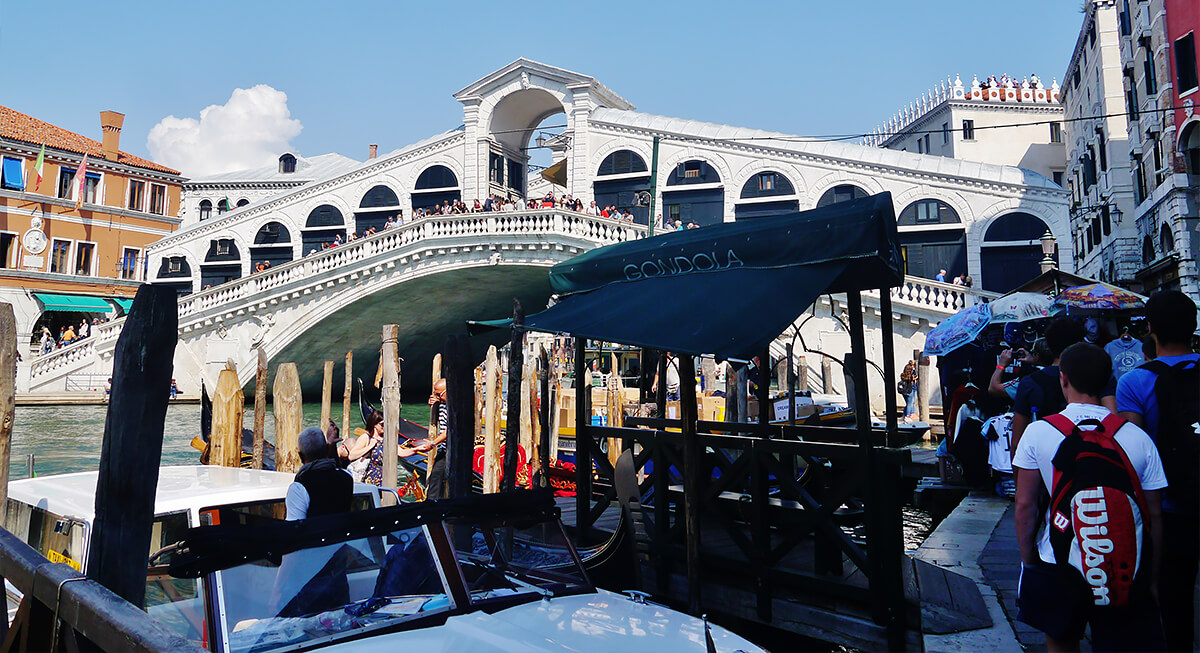
The Rialto Bridge shows how Venice avoids busy traffic intersections. People cross above the Grand Canal while boats cruise safely underneath. The bridge was built in the late 1500s and is the city’s most famous crossing. The stone arch even has built-in shops, because Venice never wastes a good location.
The View Needs Open Water
Credit: Wikimedia Commons
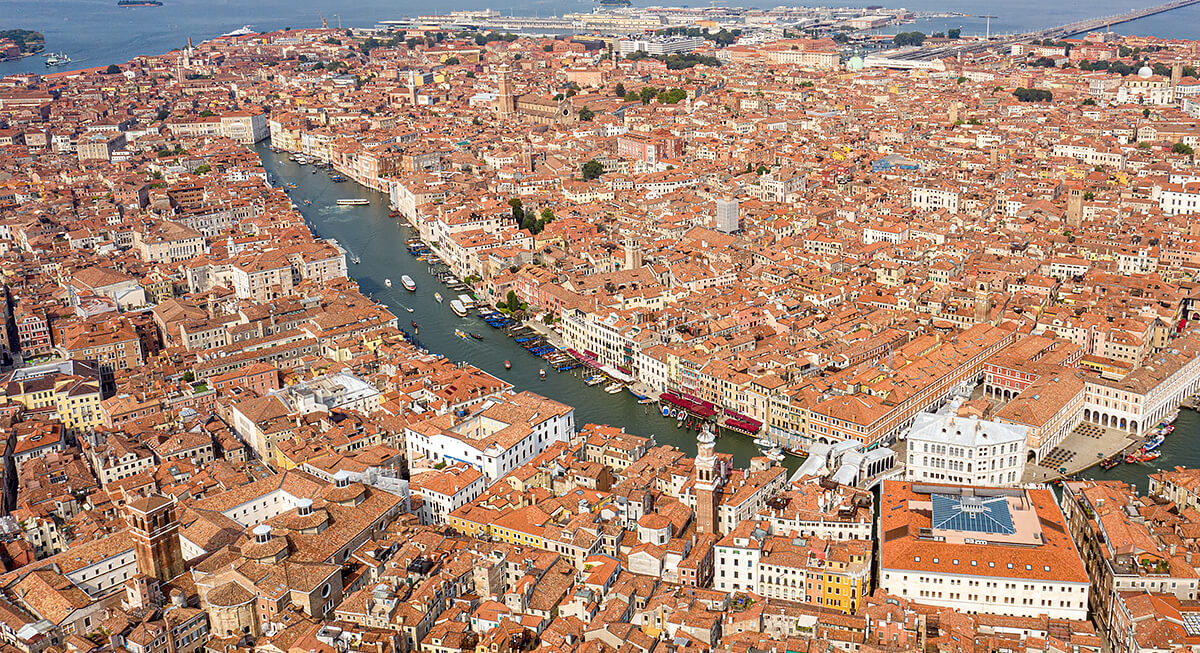
The Grand Canal owes its famous appearance to the open water between its banks. Historic palaces face each other across the waves while boats glide through the middle. Building a road along the edge would ruin the view and separate the beautiful structures from the water. This open design gives Venice a calm center.
The Quiet Changes Everything
Credit: Wikimedia Commons
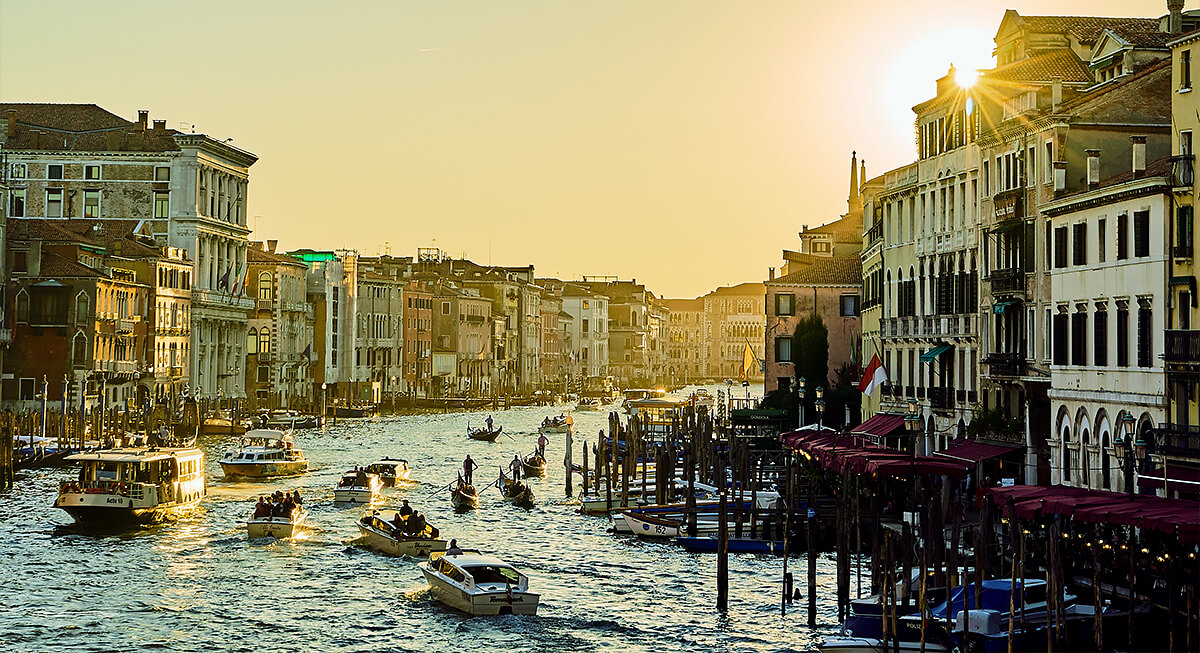
As a UNESCO World Heritage site, Venice displays its rare, historic beauty along this bustling waterway. Still, the Grand Canal is never completely silent. Engines hum, people talk, and water hits the stone walls. However, the canal lacks the loud traffic noise found on normal city streets.