10 Beaches With the Most Colorful Sand
Most beaches have sand that’s pale, soft, and familiar. But some beaches stand out because of their sand color. These beaches have sand that is green, red, black, pink, or even purple. These colors come from specific minerals, volcanic rock, marine life, or even human activity over time.
Each one tells a different story about the land it touches. If you’ve ever wondered why some shorelines look like they belong on another planet, the answers are often grounded in real science, shaped by forces both ancient and ongoing.
Papakōlea Beach, Hawaii

Credit: Wikimedia Commons
Only a few green sand beaches exist, and one of them sits on Hawaii’s Big Island. The olive-toned color comes from olivine, a crystal that forms during volcanic eruptions. Olivine is heavier than most sand particles and stays behind as lighter materials are carried away by the tide.
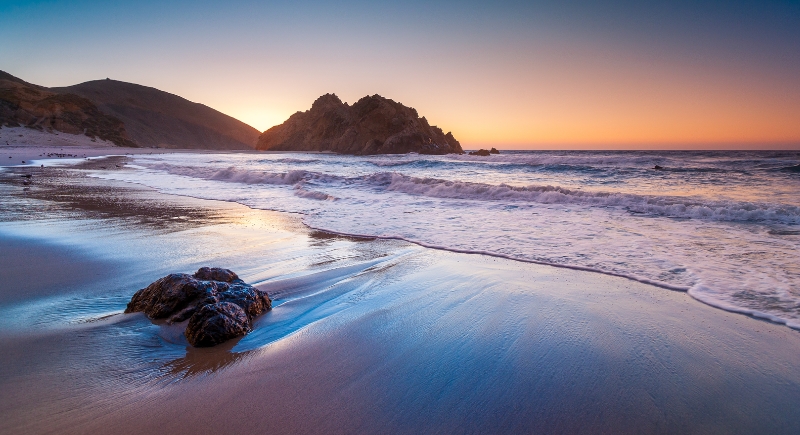
Pfeiffer Beach, California
Credit: Wikimedia Commons
At Pfeiffer Beach in Big Sur, purple streaks stand out against tan sand. These colors come from manganese garnet, a mineral found in the surrounding hills. Rain or surf loosens it, and streams deliver it to the beach. The effect isn’t constant, but it is strongest after storms or seasonal flooding.
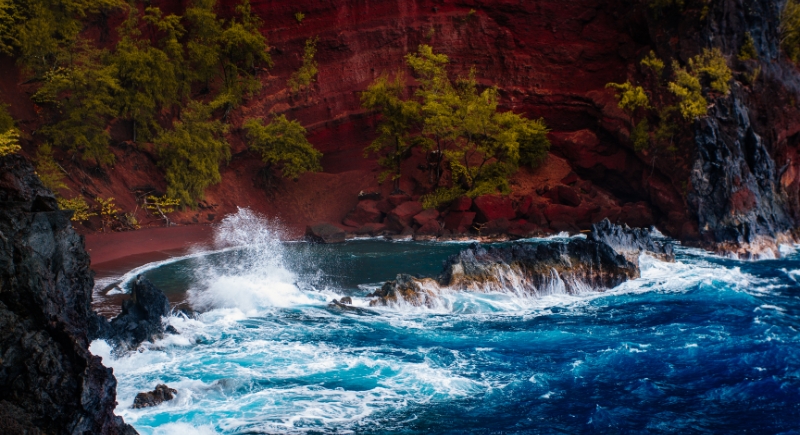
Kaihalulu Beach, Hawaii
Credit: Wikimedia Commons
This narrow strip of beach in Maui wears a red tone thanks to the crumbling walls of the nearby cinder cone. The rock here is rich in iron, which oxidizes and mixes with the surrounding sand. The beach is partially protected by a natural lava rock barrier, but access is challenging and requires a steep, unmaintained trail.
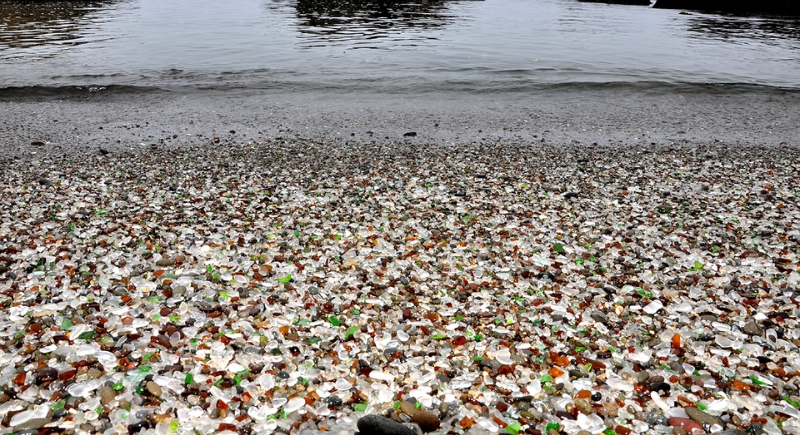
Glass Beach, California
Credit: Wikimedia Commons
Glass Beach, located near Fort Bragg, was used as a dumping ground from the early 1900s until the late 1960s. Decades of wave action broke and polished the discarded glass into smooth, multicolored fragments. Today, the sand consists of rounded pieces of sea glass mixed with natural sediment.
Pink Beach, Komodo Island

Credit: Wikimedia Commons
Komodo Island’s beach turns pink not from coral itself, but from tiny shelled microorganisms called foraminifera. When their reddish shells mix with white sand, the beach takes on a pink tint. This tint is usually more visible near the waterline, where crushed shell fragments are pushed ashore by waves.
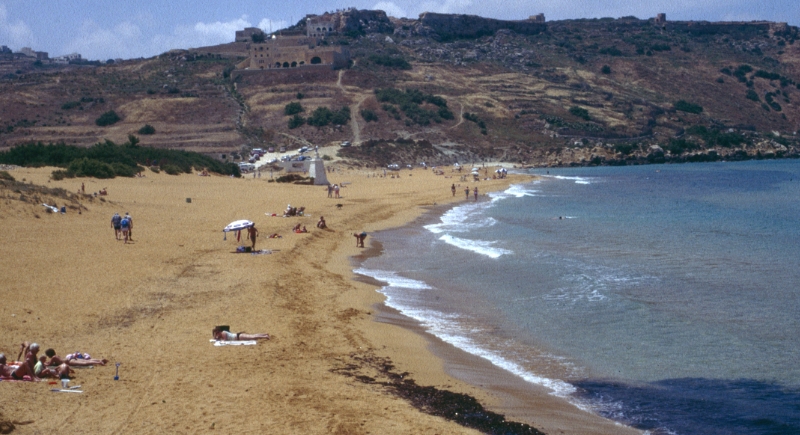
Ramla Bay, Malta
Credit: Wikimedia Commons
Gozo Island’s Ramla Bay features sand that leans toward a burnt orange hue. That color comes from the island’s clay soil, which contains iron oxide. Over time, this soil breaks down and becomes part of the beach. The area around the beach also features Roman ruins and a cave associated with Greek mythology.
Porto Ferro, Sardinia
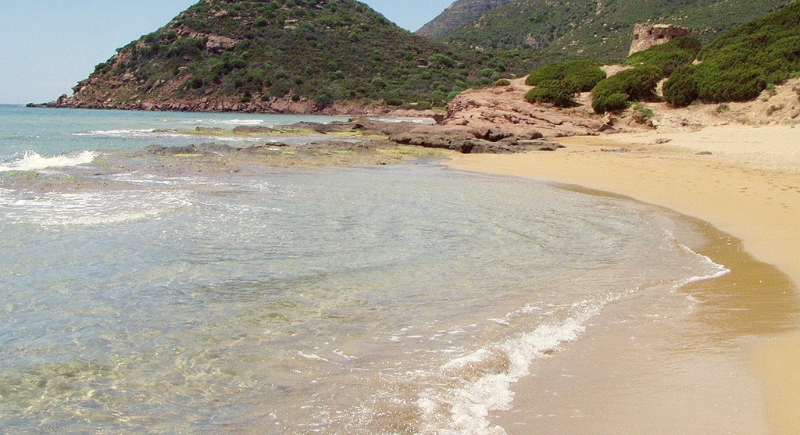
Credit: Wikimedia Commons
Porto Ferro’s orange sand results from a combination of crushed shells, volcanic deposits, and orange limestone. The mixture is uncommon and gives the beach a distinct burnt-orange tone. The area also features high dunes and observation towers built during World War II.
Punaluʻu Beach, Hawaii
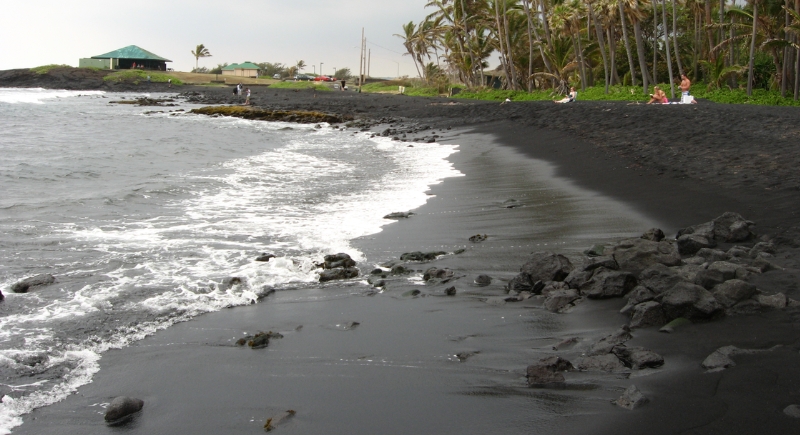
Credit: Wikimedia Commons
When lava cools rapidly upon hitting the ocean, it fractures into small, sharp fragments. At Punaluʻu Beach, these pieces collect into a beach of jet-black sand. The area is also known for its green sea turtles, which are frequently seen sunning themselves on the dark shoreline.
Whitehaven Beach, Australia
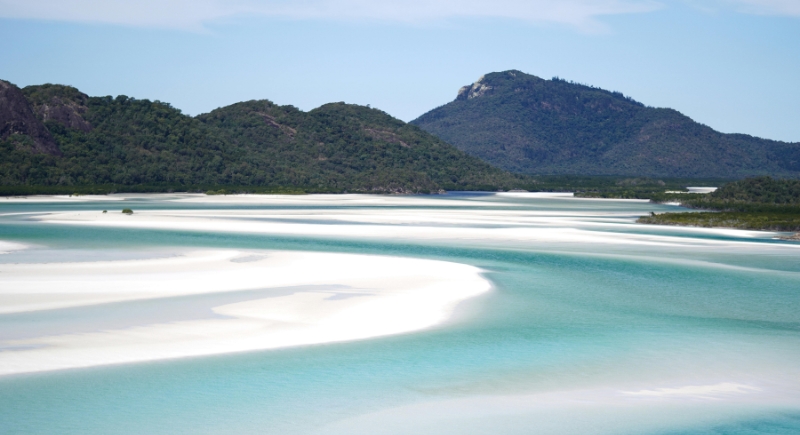
Credit: Wikimedia Commons
Whitehaven Beach, in the Whitsunday Islands, is made of 98% silica. This composition gives it a bright white color and a powdery texture. Unlike most sand, silica reflects sunlight and stays cool even on hot days. Its origin is believed to be sediment deposited by sea currents over millions of years.
Elafonissi Beach, Crete

Credit: iStockphoto
Elafonissi’s sand is mostly pale but contains patches of pink caused by broken shells of tiny marine organisms. The pink hue is most visible near the shoreline where the shell fragments collect. The sandbar connecting Elafonissi to Crete is exposed during low tide, which allows access by foot.