10 Beaches with Pink, Green, or Black Sand
Most beaches start to feel the same after a while. Pale sand, blue water, repeat. But a few coastlines stop you mid-scroll because the sand itself looks unreal. These beaches get their color naturally, shaped by volcanoes, crushed coral, tiny organisms, or rare minerals. Black, pink, and green sands each tell a different geological story. Once you know why they look this way, they become even harder to forget.
Reynisfjara Beach, Iceland
Credit: pexels
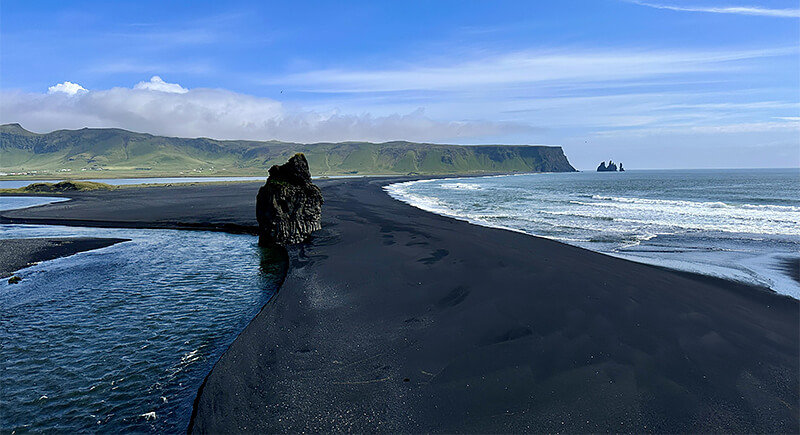
Reynisfjara sits on Iceland’s south coast, where black volcanic sand meets heavy Atlantic surf. Tall basalt columns rise along the shoreline, giving the beach a stark, sculpted look. The waves here are powerful and unpredictable, and sudden sneaker waves have knocked people over, so staying well back from the water matters. In summer, puffins nest in the nearby cliffs. Many visitors stop here on day trips from Reykjavík, often paired with Skógafoss and Seljalandsfoss.
Pink Sand Beach, Barbuda
Credit: Canva
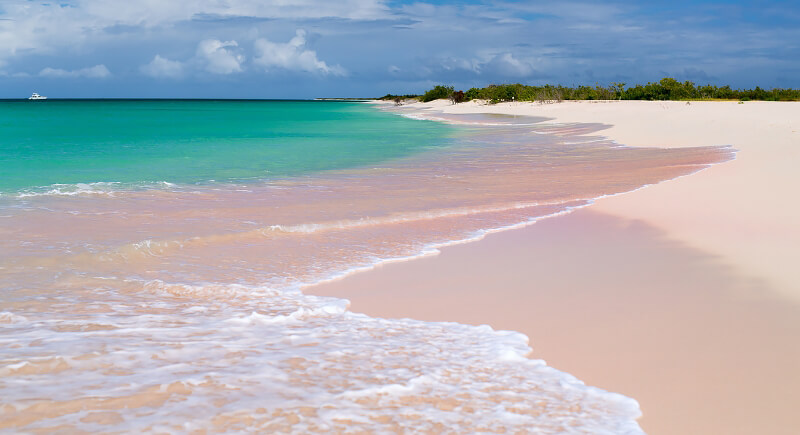
Barbuda’s Pink Sand Beach stretches for about eight miles along the island’s east coast, tinted by foraminifera. Trade winds keep the heat down and crowds thin. Long before tourism, locals used this shoreline for fishing and boat landings. In the late 20th century, English Guitarist Eric Clapton spent time near this location. Today, visitors can reach the place by ferry or small aircraft from Antigua.
Pink Sands Beach, Harbour Island, Bahamas
Credit: Instagram
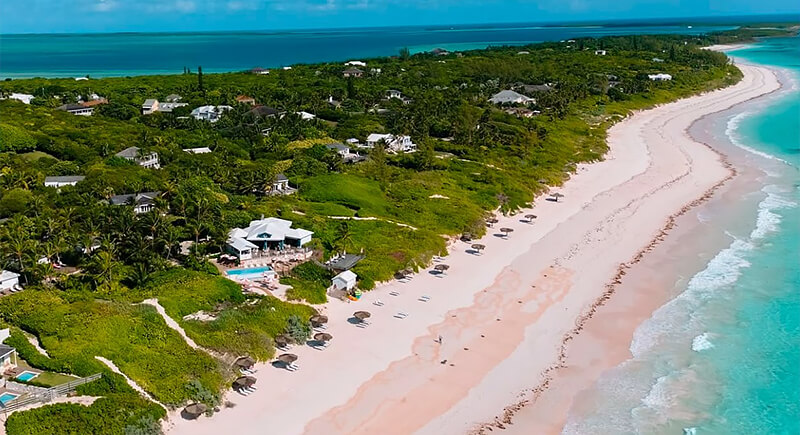
Foraminifera are microscopic organisms with red and pink shells. When they wash ashore and mix with white sand here, the result is three miles of rose-colored beach. The sand feels cool underfoot even in direct sun, which seems impossible but happens here. Anyone on Harbour Island can walk, bike, or golf-cart to the beach within minutes. It should rain from August through October, so avoid those months if you want clear skies for photos.
Papakōlea Green Sand Beach, Hawaii
Credit: pexels
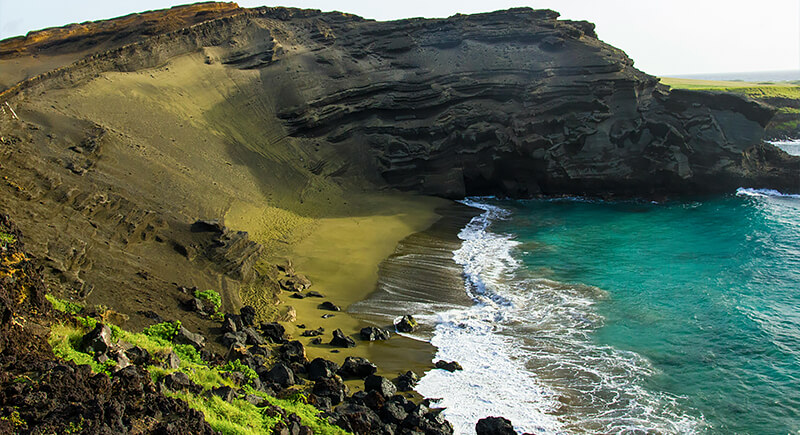
Olivine crystals created this beach thousands of years ago during a volcanic eruption. The crystals are denser than regular sand particles, so they stay put while lighter materials wash away. What remains glows olive green in the sunlight. Visitors usually endure a two-hour trip from Kailua-Kona, before a five-mile round-trip hike with almost no shade.
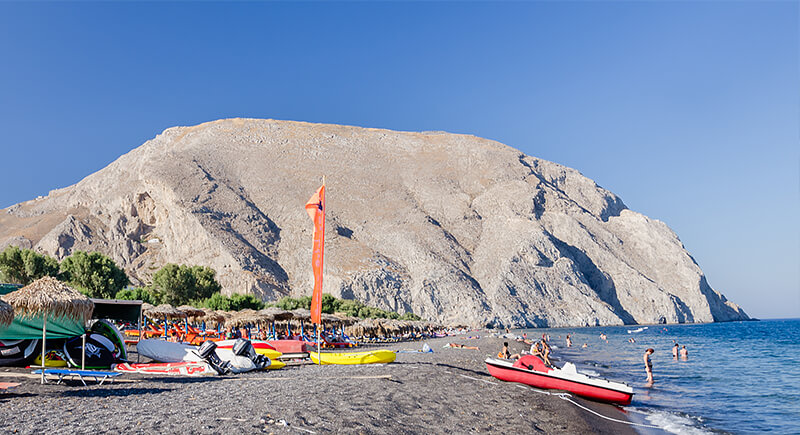
Perissa Beach, Santorini, Greece
Credit: Wikimedia Commons
Perissa runs long and dark along Santorini’s coast, with volcanic sand that warms quickly under the sun. It is not the place for barefoot wandering, but it is easy to settle in for the day. Beach bars and tavernas line the shore, filling it with sunbeds and umbrellas. The water stays calm in summer, making swimming and water sports easy. Perissa remains open year-round, and once the sun sets, the focus shifts from beach time to nightlife.
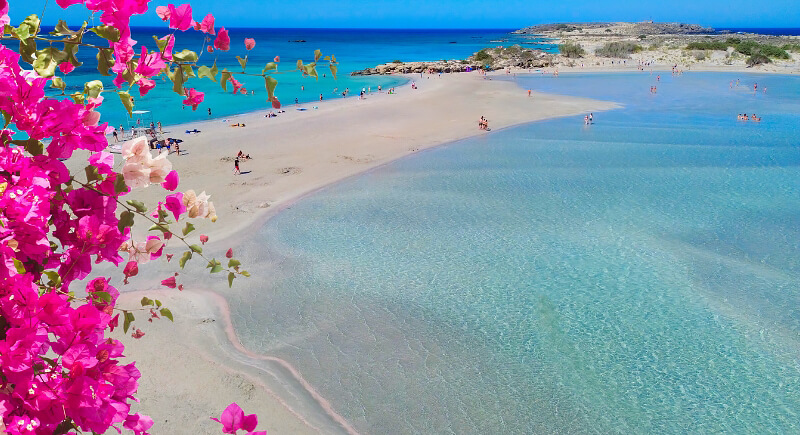
Elafonisi Beach, Crete, Greece
Credit: Canva
Elafonisi shows soft pink patches along the shoreline where fine shell fragments mix with pale sand. The color changes from place to place, so some areas look nearly white while others carry a clear rosy tint. The water stays shallow and calm, which suits families well. Small hotels and guesthouses sit nearby for longer visits. Many tours pair Elafonisi with Balos Lagoon or Falassarna Beach, offering more pink sand stops in one trip.
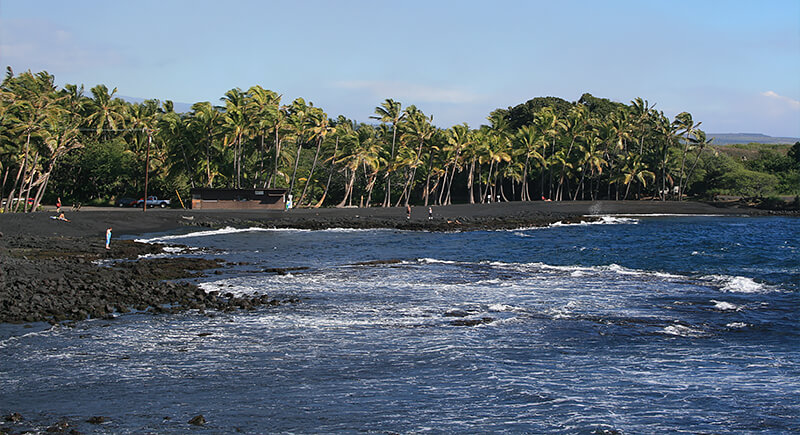
Punalu’u Black Sand Beach, Hawaii
Credit: Wikimedia Commons
Hawaiian green sea turtles climb onto the volcanic black sand here to warm themselves. Hawksbill turtles are also less common because they’re endangered. Drive an hour from Kailua-Kona or Hilo, or join a tour that includes Hawaii Volcanoes National Park. The shoreline is rocky, so bring water shoes if swimming is part of your plan. Trees at the back of the beach provide perfect spots for hammocks.
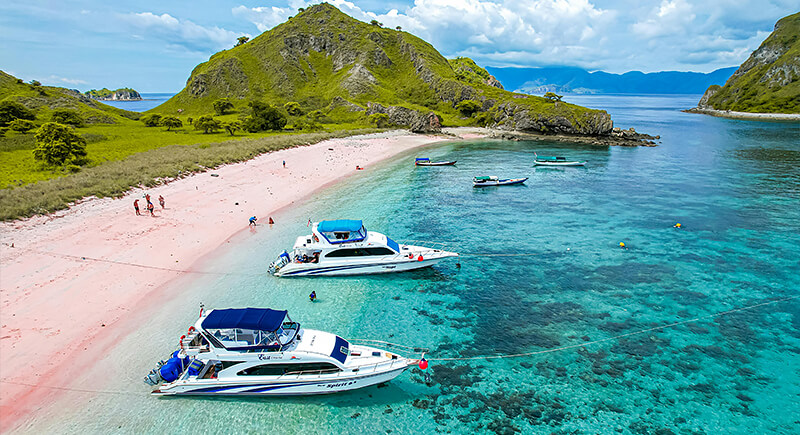
Pink Beach, Komodo Island, Indonesia
Credit: pexels
Pantai Merah translates to Red Beach, but the sand looks more rosy pink than red. Crushed foraminifera shells create the color when mixed with white sand. Clear water makes snorkeling exceptional here. September offers the best combination of cool weather and thin crowds during the April-to-November dry season. Most visitors stay in Labuan Bajo and will appreciate the rocky mountains surrounding the beach on three sides.
Honokalani Black Sand Beach, Maui, Hawaii
Credit: Canva
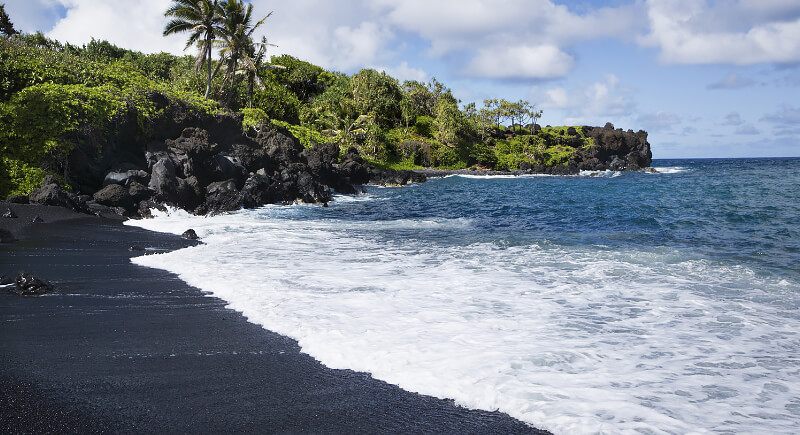
The Road to Hana winds through miles of rainforest and coastal cliffs before depositing you at Wai’anapanapa State Park. Honokalani’s black volcanic sand sits inside the park boundaries, where lava tubes and blowholes punctuate the shoreline. Summer brings swimmable water, though winter waves are better admired than entered. Park reservations are mandatory now and tend to sell out weeks in advance during peak season.
Kaihalulu Beach, Maui, Hawaii
Credit: pexels
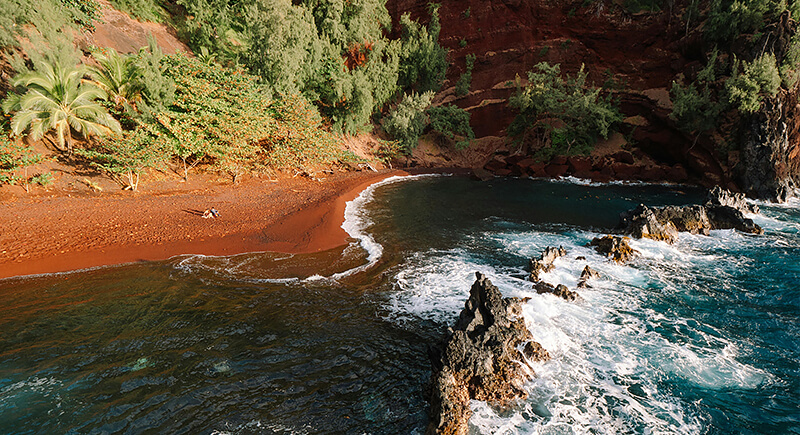
Kaihalulu Beach gets its deep red color from iron-rich rock eroding off a nearby cinder cone. The beach sits inside a small cove, with a natural lava wall that helps block stronger ocean swells. Access requires a steep trail that becomes slippery after rain, and there are no signs or guardrails along the way. Some visitors turn back on the path. Those who reach the sand usually find a calm, quiet spot that feels worth the effort.