Foods That Are Illegal to Bring Back to the U.S. From Europe
Bringing food home is like extending a trip just a little longer. This instinct clashes directly with U.S. agricultural rules designed to prevent pests and animal diseases. Europe produces a plethora of tempting items that fall squarely on the restricted list. The details matter, and inspectors hold final authority. This guide breaks down common European foods that travelers lose at customs.
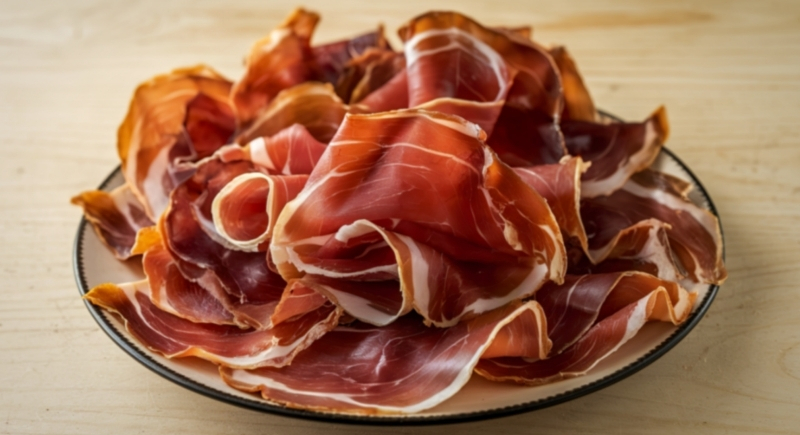
Cured Pork Products
Credit: Canva
Dry-cured favorites like prosciutto and salami regularly fail inspection at U.S. airports. The concern centers on animal diseases associated with pork production, and even vacuum sealing or careful packaging does not provide sufficient protection. Personal quantities are not exempt, and specialty labels rarely sway inspectors enforcing rules guided by the USDA.
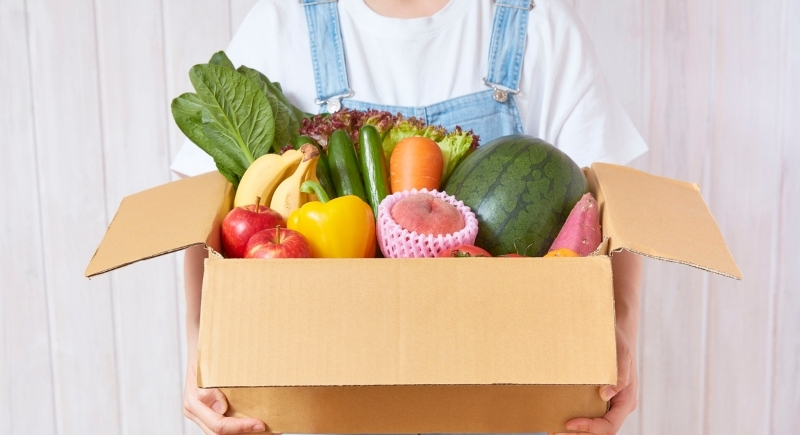
Fresh Fruits And Vegetables
Credit Aflo Images
Apples, citrus, herbs, and leafy greens picked up abroad rarely make it past inspection. These items can carry insects or plant diseases that threaten domestic crops. A single untreated fruit can cause problems well beyond one suitcase. Confiscation happens quickly, and explanations tend to be brief.
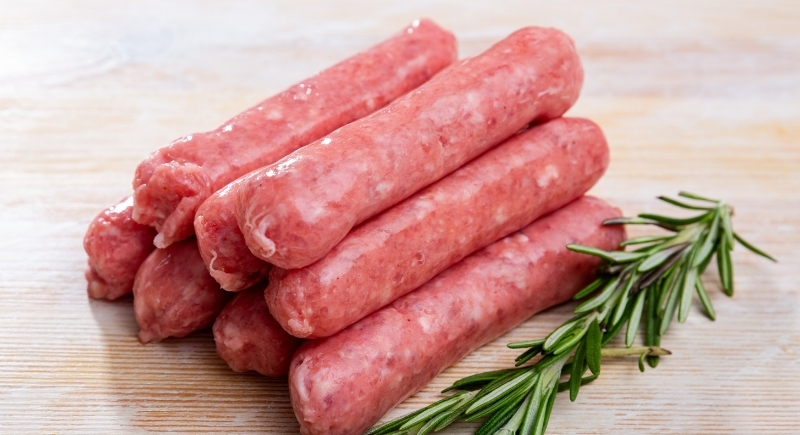
Raw Or Partially Cooked Sausages
Credit: Getty Images
Farmhouse sausages sold fresh at European markets are subject to strict limits. Pork or mixed-meat versions attract attention even when chilled or wrapped. Cooking status matters, and “looks done” does not qualify. Without commercial processing and documentation, these items fall on the prohibited side due to animal health rules applied by APHIS.
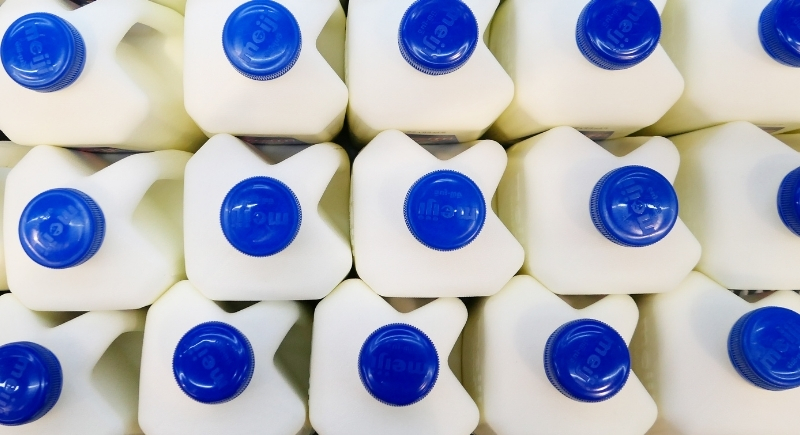
Unpasteurized Dairy Products
Credit: Getty Images
Raw-milk cheeses, yogurts, and bottled milk pose a problem at entry points. Pasteurization standards vary across countries, and inspectors tend to err on the side of caution. Liquids draw added scrutiny, and soft textures raise flags. Even prized regional products often end up discarded.
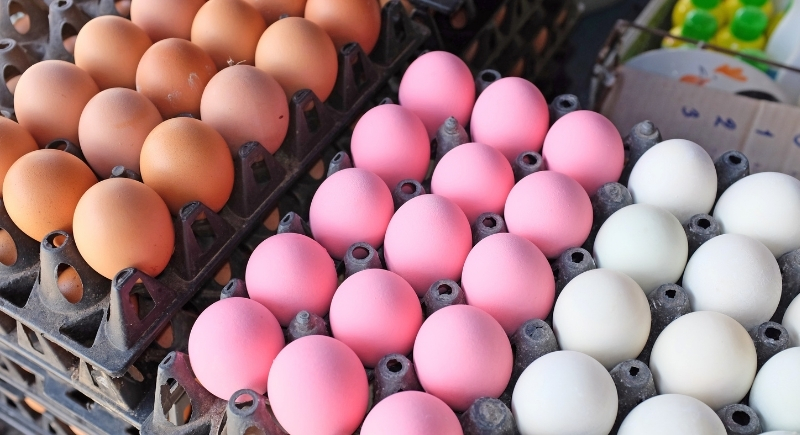
Fresh Or Preserved Eggs
Credit: Getty Images
Whole eggs and many egg-based products fall under poultry disease restrictions. Shell eggs attract immediate attention, and preserved forms often don’t pass either. Decorative shells are considered food items unless they are fully emptied.
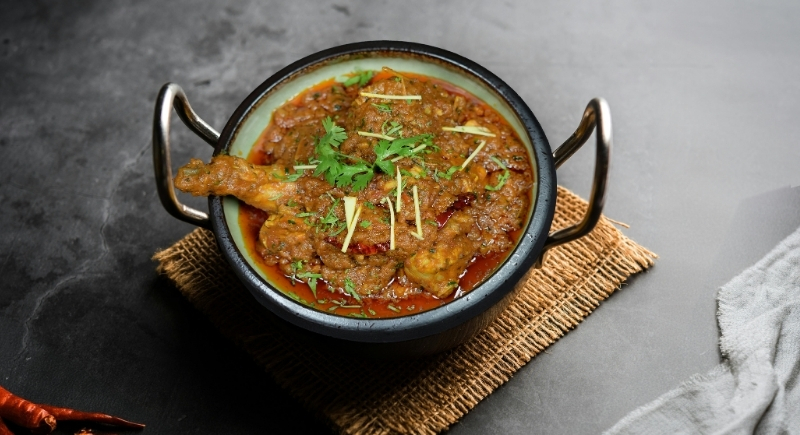
Homemade Meat Dishes
Credit: pexels
Family recipes packed for the flight home rarely survive inspection. Stews and filled pastries lack the labeling that inspectors rely on. Ingredients cannot be verified, and cooking methods remain unclear. Homemade foods carry the highest confiscation rate because documentation does not exist.
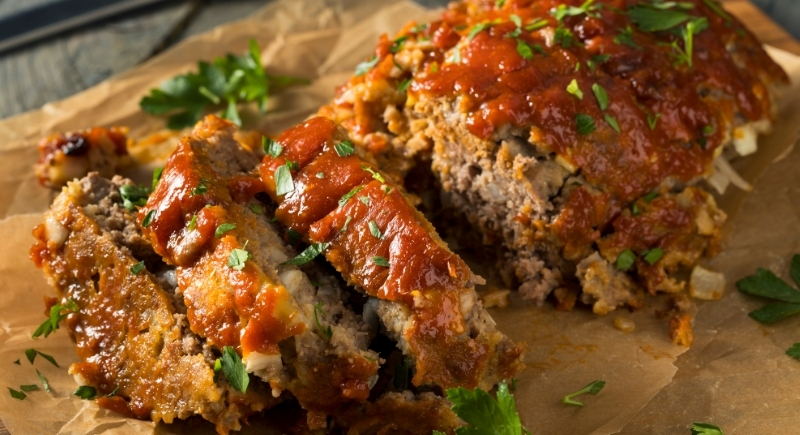
Certain Meat From Mixed Dishes
Credit: Getty Images
Prepared meals containing beef or pork can be rejected even when meat is a minor component. Stuffed pasta, meat-filled breads, and layered casseroles all qualify. Inspectors focus on ingredients rather than presentation. Removing visible meat at the airport does not change the outcome once a dish has been opened.
Citrus Leaves And Leaf-Based Spices

Credit: Canva
Citrus leaves used for cooking or spice blends face near-certain confiscation. These leaves can harbor plant diseases harmful to U.S. orchards. Dried status does not guarantee approval. Travelers often overlook this rule because the items seem harmless and lightweight.
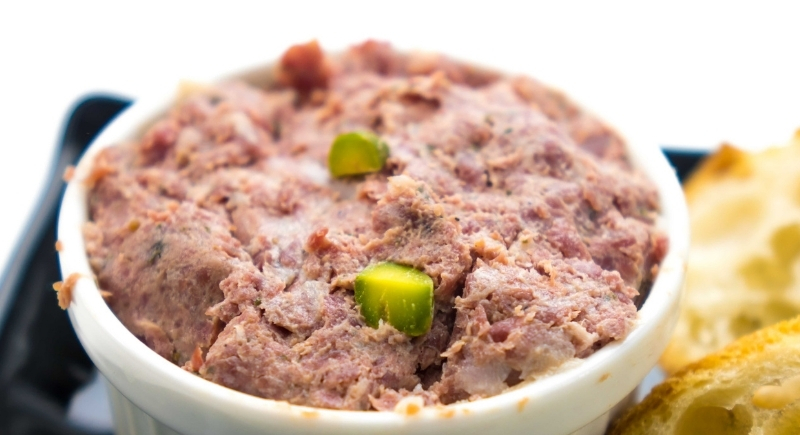
Pâté And Meat Spreads
Credit Aflo Images
Smooth spreads sold in jars or tins can cause confusion. The meat content matters more than the packaging. A shelf-stable appearance does not guarantee approval, and labels in foreign languages can slow the review process. Many pâtés contain pork or mixed meats, which places them under the same disease-control restrictions applied to larger cuts.
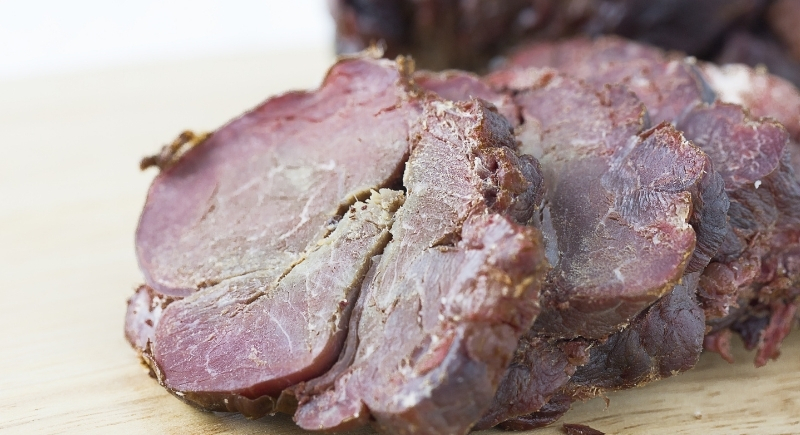
Wild Game And Specialty Meats
Credit: Getty Images
Venison, boar, and other specialty meats sold in parts of Europe are subject to automatic rejection. Wildlife diseases pose separate risks beyond livestock concerns, and processing style does not override origin issues. These products require commercial import permits, making them unsuitable for personal luggage despite their popularity in regional markets.