Why the Australian Outback Is Actually Scary
People say the Australian outback isn’t that dangerous if you stay on the roads and drink plenty of water. And sure, millions of visitors pass through every year without incident. But the outback has a way of making you feel like you’re on borrowed time with its unforgiving heat, eerie silence, and creatures that have survived for millions of years. Here are ten reasons the Australian outback deserves every bit of its reputation.
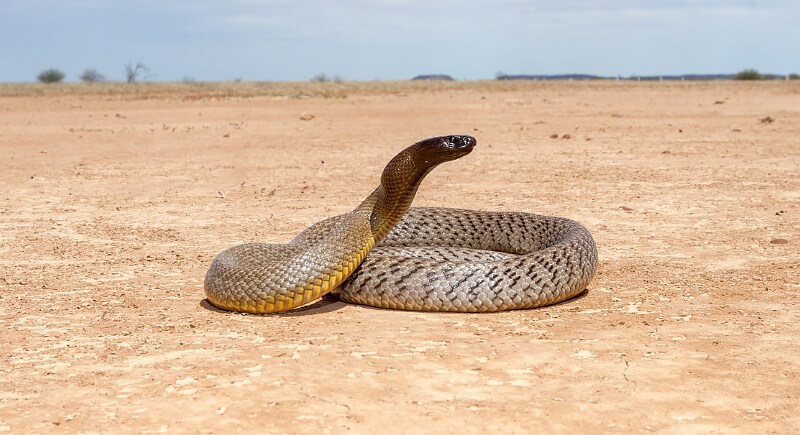
The World’s Most Venomous Snake Lives There
Credit: Getty Images
The inland taipan is widely regarded as the world’s most venomous land snake. A single bite can contain enough venom to kill around 100 adults, in theory. Its venom attacks the body at multiple levels, targeting the nervous system, blood, and muscles simultaneously. Without rapid treatment, symptoms can escalate quickly. Even so, the snake is reclusive and avoids people, and there have been no confirmed human deaths from its bites.
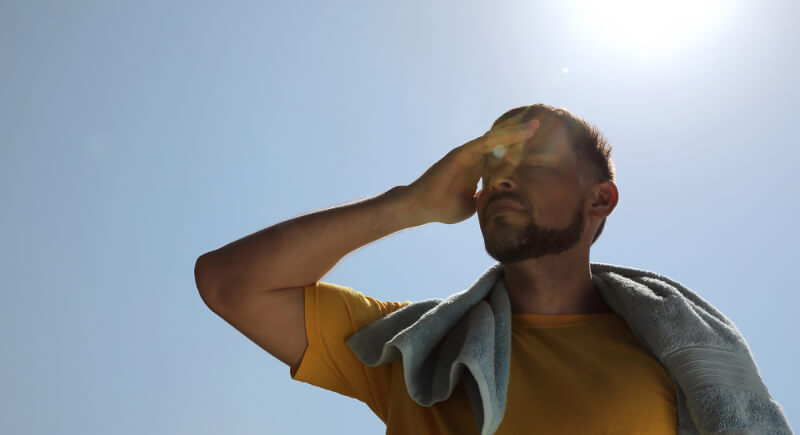
The Heat Can Kill You
Credit: Canva
Outback temperatures climb past 113°F (45°C), with ground temperatures topping 167°F (75°C). Under exertion, the body sheds a liter of water every 30 to 60 minutes, but thirst isn’t the real threat. Apparently, you can suffer from dehydration, delirium, or a judgment collapse. Some people have died with water in their bottles, unaware that small sips don’t properly hydrate a brain already starting to shut down.
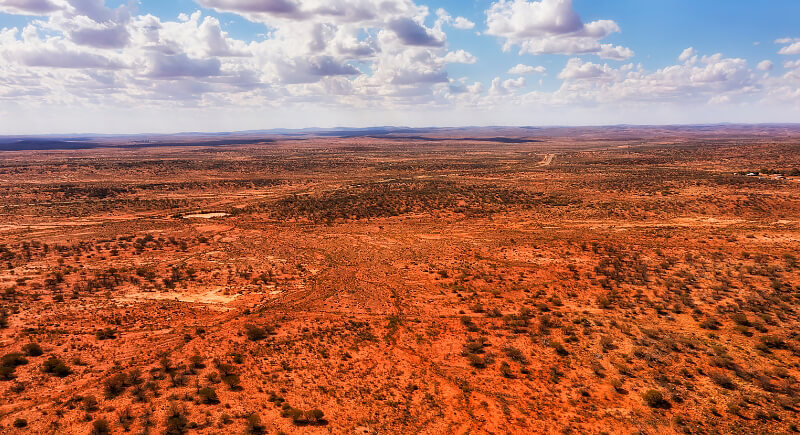
Help Is Terrifyingly Far Away
Credit: Getty Images
The nearest hospital in remote outback areas can be hundreds of miles away, and mobile coverage disappears beyond sealed roads. The “Royal Flying Doctor Service,” which serves remote locations, logs over 380,000 patient contacts each year. Two-thirds of Australia’s fatal road crashes happen in regional and remote areas, where a stalled car or snakebite can be fatal.
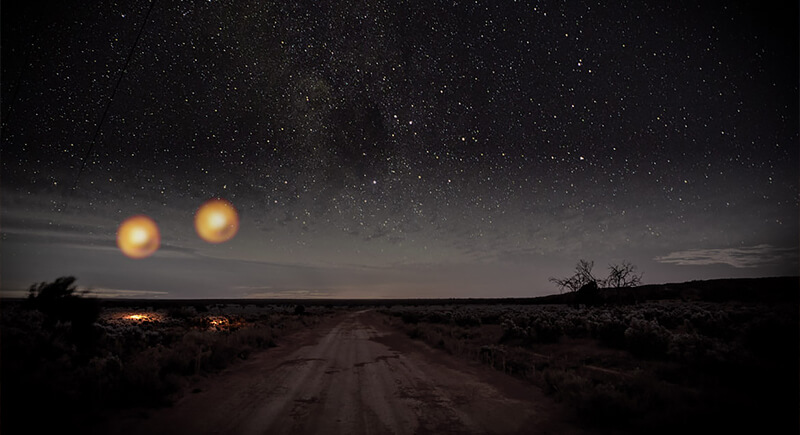
Glowing Orbs That Follow You in the Dark
Credit: Adventure Tours Australia
In remote outback Queensland, travelers have long reported glowing orbs drifting through the night, sometimes seeming to follow their cars or footsteps. Known as the Min Min lights, they sparked local legends for generations. Physicist Jack Pettigrew suggested they are a Fata Morgana, a mirage that bends distant light. Even with that explanation, seeing one can still feel deeply unsettling.
Saltwater Crocodiles
Credit: Wikimedia Commons
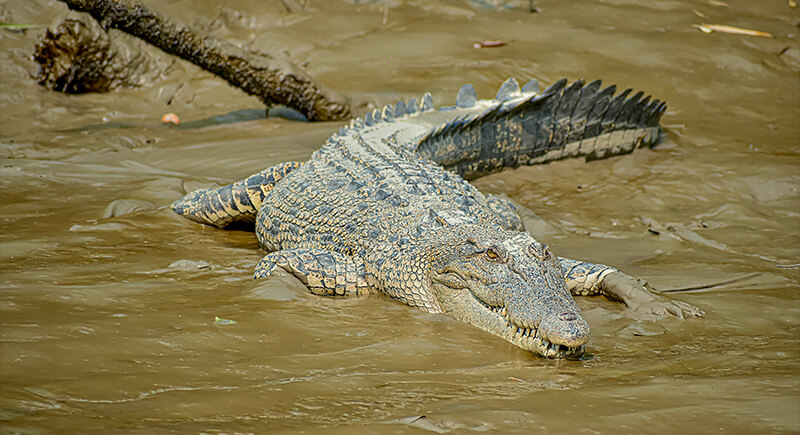
Saltwater crocodiles are the largest living reptiles on Earth. Some grow up to 20 feet long and weigh more than 2,200 pounds. They dominate rivers, billabongs, and estuaries across northern Australia, and conservation laws have helped their numbers recover. A “saltie” can stay submerged for nearly an hour, waiting still and silent near the bank. The idea of meeting one in the wild is enough to unsettle anyone.
The Sun Is a Potential Medical Emergency
Credit: Getty Images
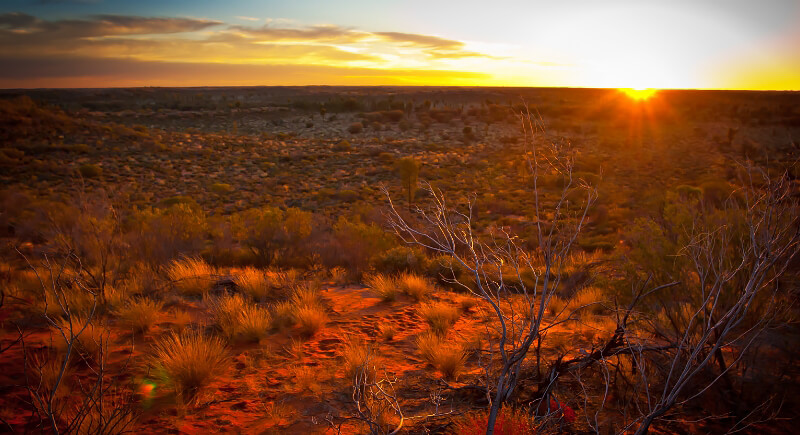
This country sits beneath one of the ozone layer’s thinnest sections, where the UV radiation is among the highest recorded on Earth. Two-thirds of Australians are diagnosed with skin cancer by age 70, per the “Royal Flying Doctor Service.” In the outback, shade is rare, and UV peaks for hours each day. Once body temperature climbs above 104°F (40°C), organ function deteriorates, and carrying water alone won’t suffice.
Flash Floods Appear Without Warning
Credit: Reddit
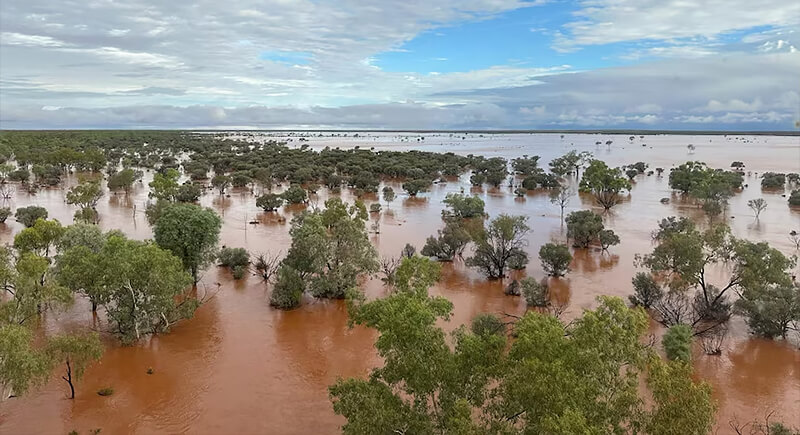
Much of this region receives less than 10 inches of rain annually, but the hard-baked soil absorbs little of it. A thunderstorm hundreds of miles away can push a wall of water through a dry creek bed with no warning to people camped in the area. Sometimes, this can mean roads get closed for days, cutting off towns. Floods in the far north can also attract crocodiles into formerly dry areas.
Crocodiles Sometimes Outnumber People
Credit: pexels
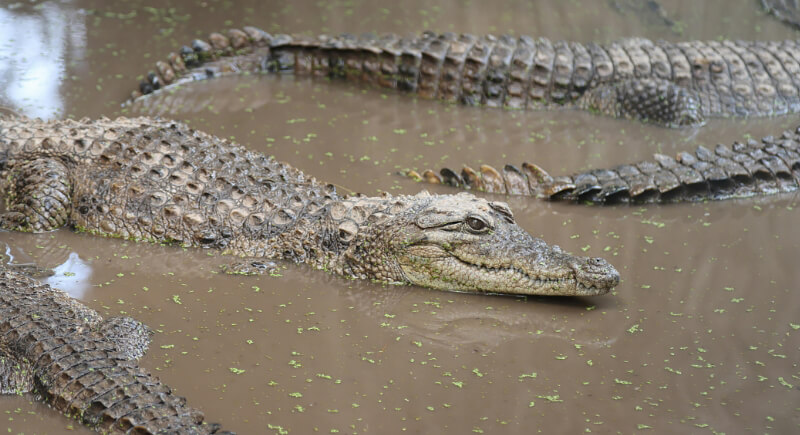
The Northern Territory is home to an estimated 100,000 saltwater crocodiles, the highest concentration on Earth. Humans here are about three times as many, but population density is where the crocs win. At Cahill’s Crossing in Kakadu National Park, researchers have counted 50 in a single 400-meter stretch of water. Sometimes floodwaters carry them beyond their typical habitat, making northern Australia’s waterholes unreliable to read at face value.
Earth’s Magnetic Field Behaves Differently
Credit: Getty Images
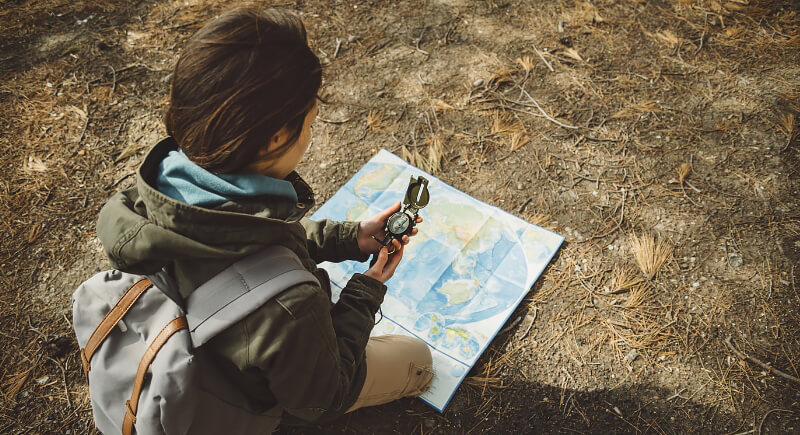
A magnetic flux patch in the Earth’s core beneath the Australasian region distorts the field above it. This phenomenon forces recalibrations across aviation, surveying, and navigation software. For outback travelers with a compass, the geological formations and local field variations can pose a risk. Iron ore deposits have been known to affect compass readings over long distances, enough to send someone walking with complete confidence in the wrong direction.
The Roads Themselves Are a Hazard
Credit: Getty Images
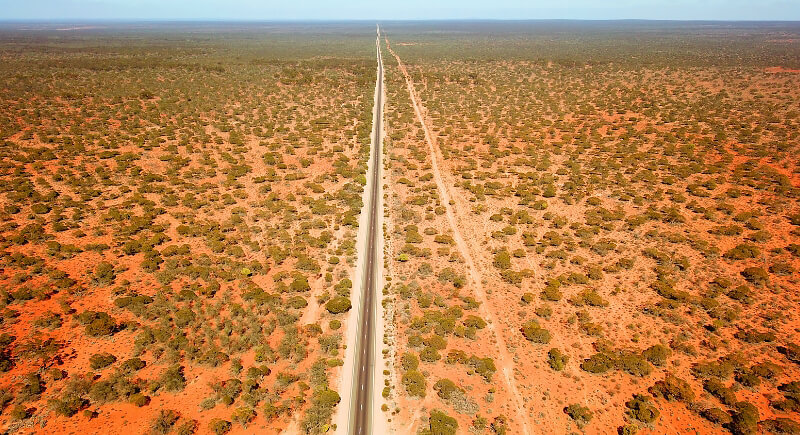
In the Australian outback, the roads can feel as risky as the wildlife. Highways stretch for hundreds of kilometers without fuel, phone signal, or even another car passing by. Kangaroos often dart across at dawn and dusk, and hitting one can wreck a vehicle. Massive road trains thunder along the same routes. Australia’s National Road Safety Strategy reports fatality rates in remote areas are far higher than in major cities.