10 Mind-Bending Facts About the Artemis II “Space Eclipse” and the Road to 2045
Space exploration is entering a phase that feels bigger than anything seen in recent history, with Artemis II right in the middle of it. This mission pushes the limits of what humans can do, what they can observe, and how future missions will operate beyond Earth’s orbit.
Every stage of the flight tested new boundaries, and several moments along the way are already changing how space missions are understood.
The crew has experienced sights that almost no one else ever will. The timeline points toward a future where lunar trips become routine, and larger goals begin to take shape as 2045 approaches.
A Solar Eclipse That Exists Only In Space
Credit: NASA
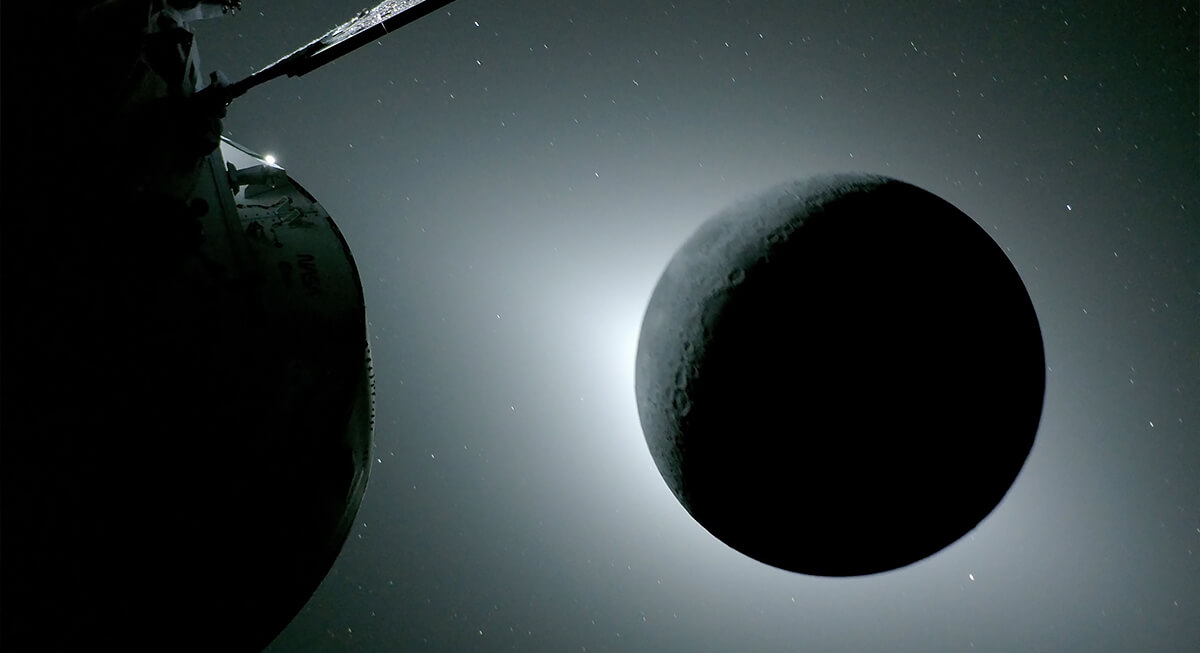
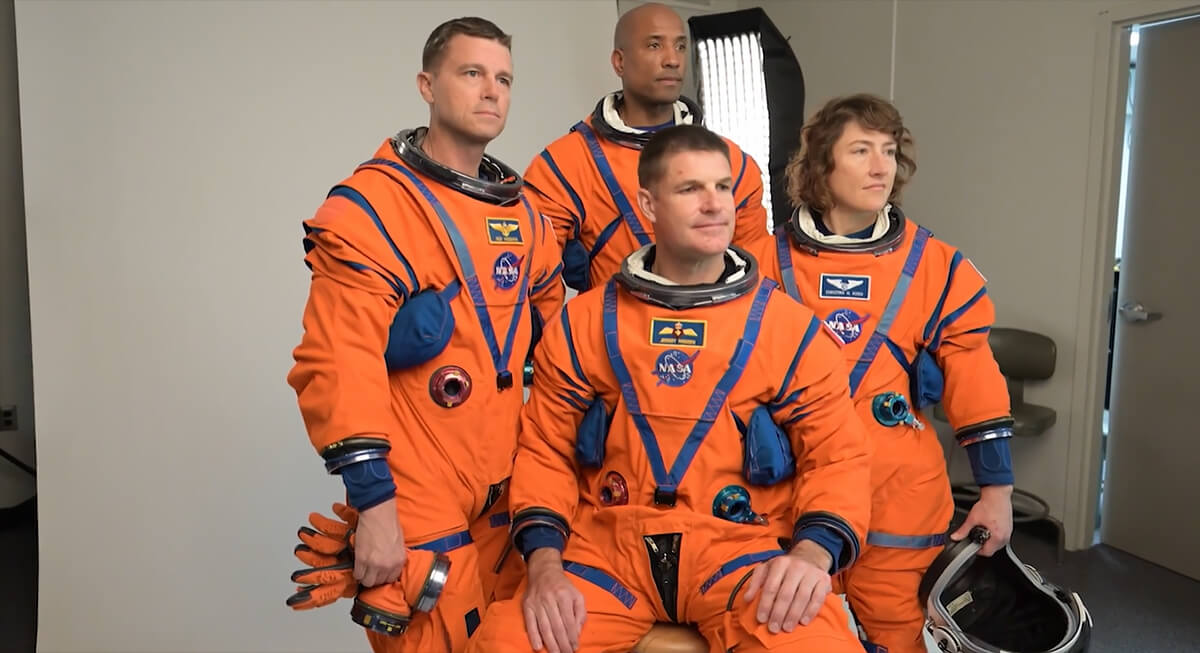
During Artemis II, the alignment meant the Moon blocked the Sun only for the astronauts positioned behind it. No one on Earth could see it or even know it was happening without being told. It was an event limited to four people inside a spacecraft.
An Eclipse That Lasts Nearly An Hour
Credit: Youtube
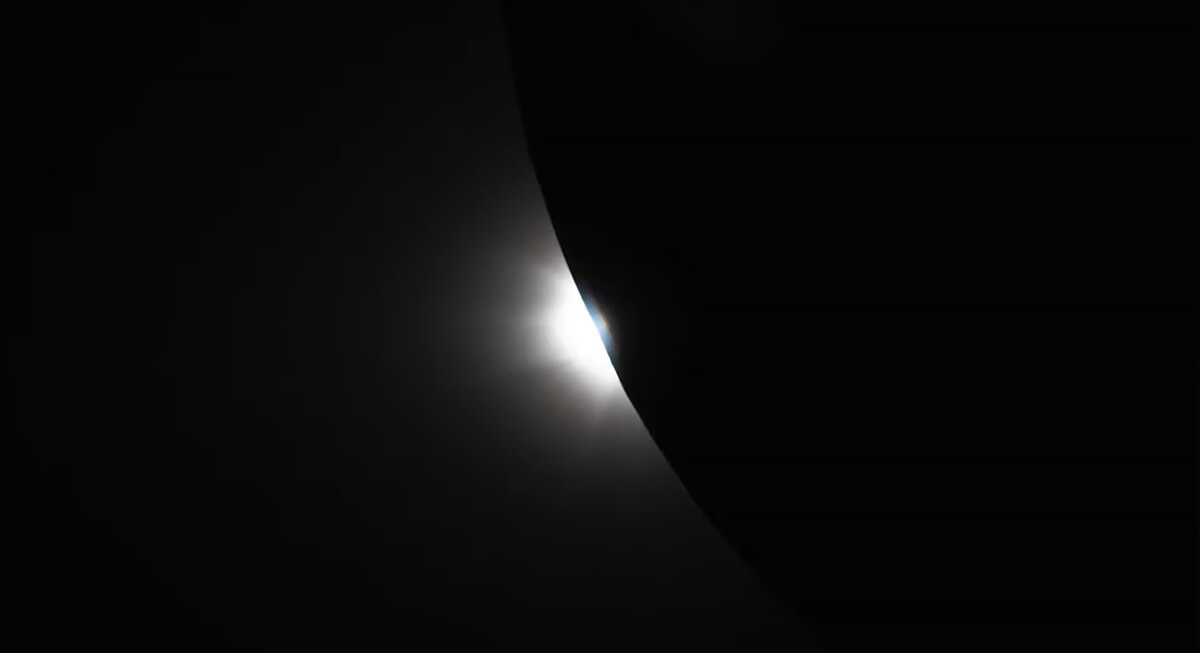
On Earth, a total solar eclipse passes quickly. Out in deep space, as Orion moved through the Moon’s shadow, the darkness stayed for nearly 57 minutes. The extended stretch allowed the crew to observe details that are easy to miss during shorter eclipses. The corona was a sustained view. The spacecraft moved along with the shadow.
The Moon’s Far Side Still Has Views Humans Haven’t Fully Seen
Credit: Wikimedia Commons
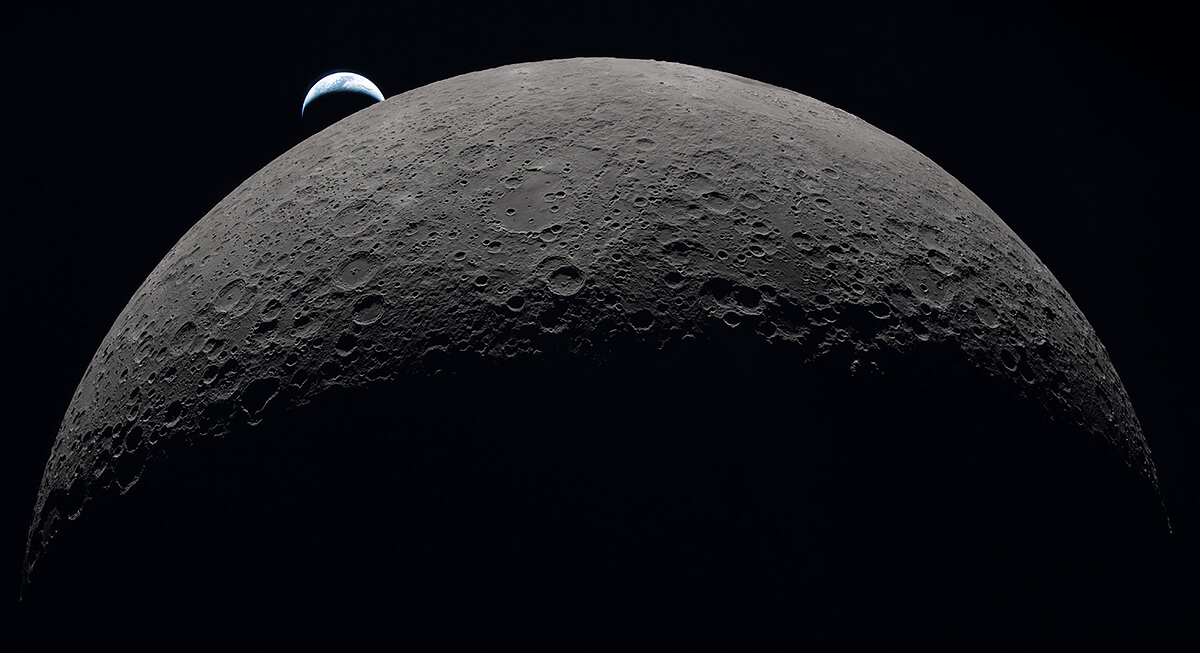
The far side of the Moon has been photographed for decades, yet it continues to reveal new details under different conditions. Artemis II offered fresh viewing angles and lighting that changed how the surface appeared. Even slight shifts in sunlight can highlight features that were harder to notice before, such as sharper crater edges and deeper shadowed regions.
A 40-Minute Silence Behind The Moon
Credit: Youtube
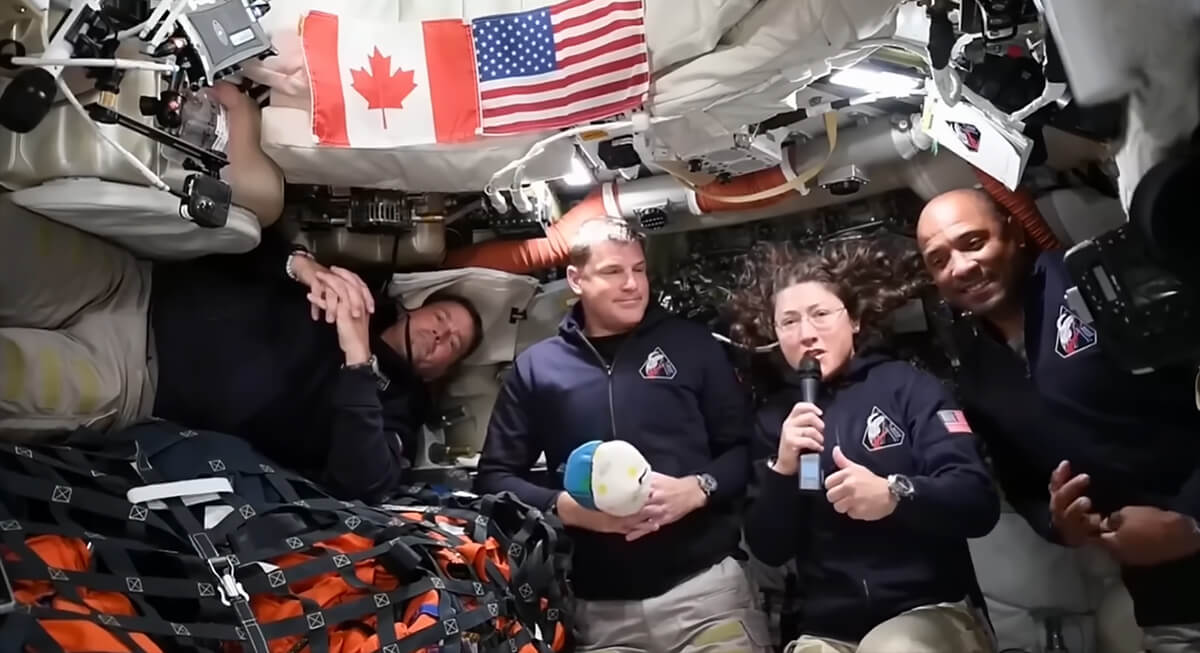
During the flyby, Orion moved behind the Moon, and communication dropped out completely. For about 40 minutes, there was no contact with Earth. The spacecraft continued on its path without direct connection to mission control. This blackout is expected, but it still carries weight. Modern missions rely heavily on constant communication. For that period, the crew operated independently and had to trust the spacecraft and the physics guiding its path around the Moon.
Humans Traveling Farther Than Ever Before
Credit: Youtube
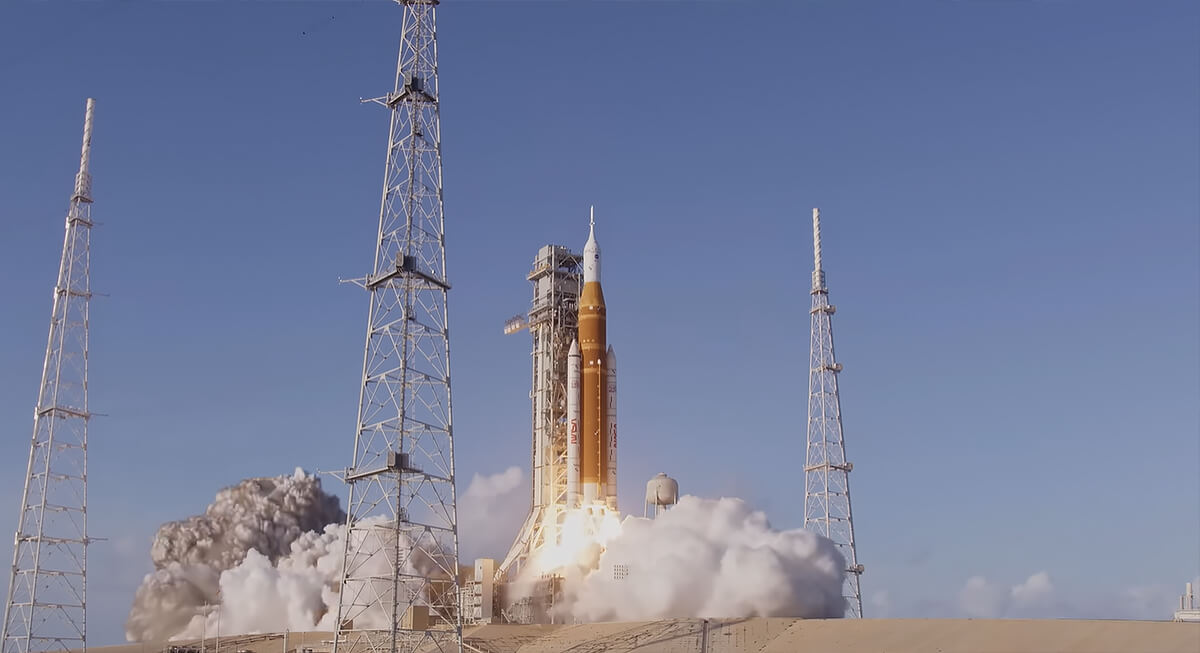
Artemis II pushed past the distance reached by Apollo 13, sending astronauts farther from Earth than any humans before them. The achievement marks a new high point for crewed spaceflight. Unlike the emergency circumstances of Apollo 13, this mission planned the distance from the start. The record shows that human exploration beyond Earth orbit is moving forward again with purpose.
A Mission Built On A Path Once Used To Save Lives
Credit: Youtube
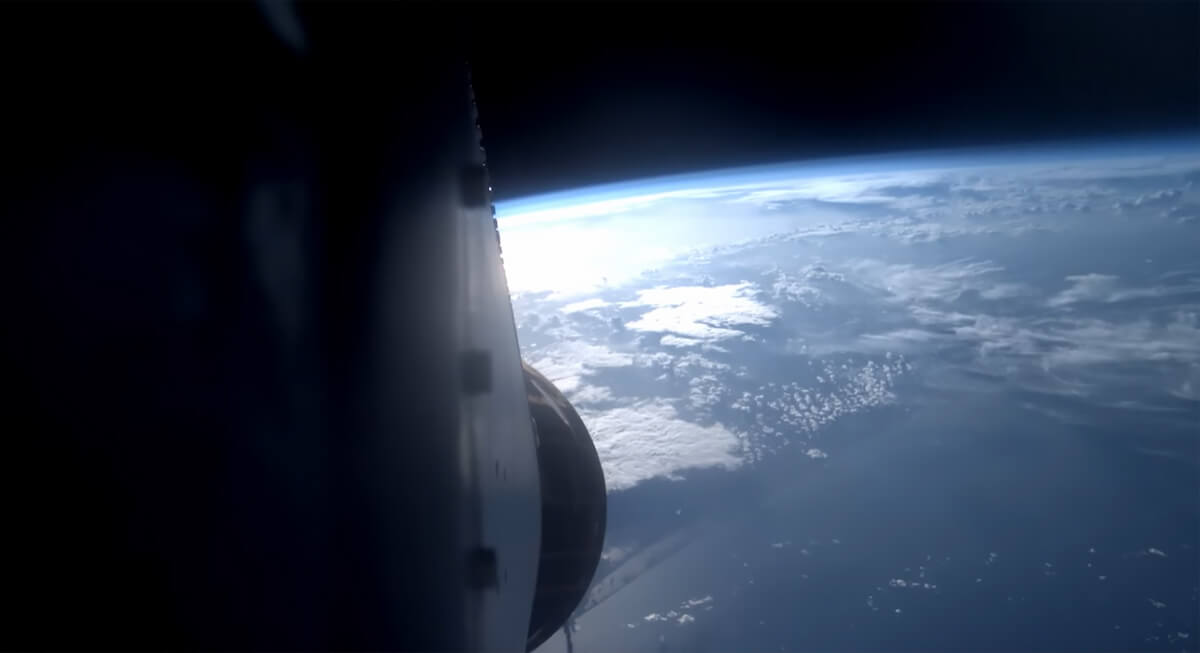
The route used by Artemis II comes from a key moment in space history. During Apollo 13, astronauts depended on a free-return trajectory to get back to Earth after a system failure. This path uses the Moon’s gravity to guide the spacecraft in a loop and bring it home without complex maneuvers. Today, the same approach is used as a dependable route for deep-space missions, improved and refined over time.
Astronauts Are Using Their Eyes As Scientific Tools
Credit: Youtube
Technology on Orion includes advanced cameras and instruments, but human observation still matters. Astronauts are trained to notice subtle details in color, texture, and light that machines might not interpret the same way. During the mission, they observe the Moon directly and describe what they see. Their perspective adds context that complements the data collected by instruments.
The Entire Mission Is A Test For Living Beyond Earth
Credit: Wikimedia Commons
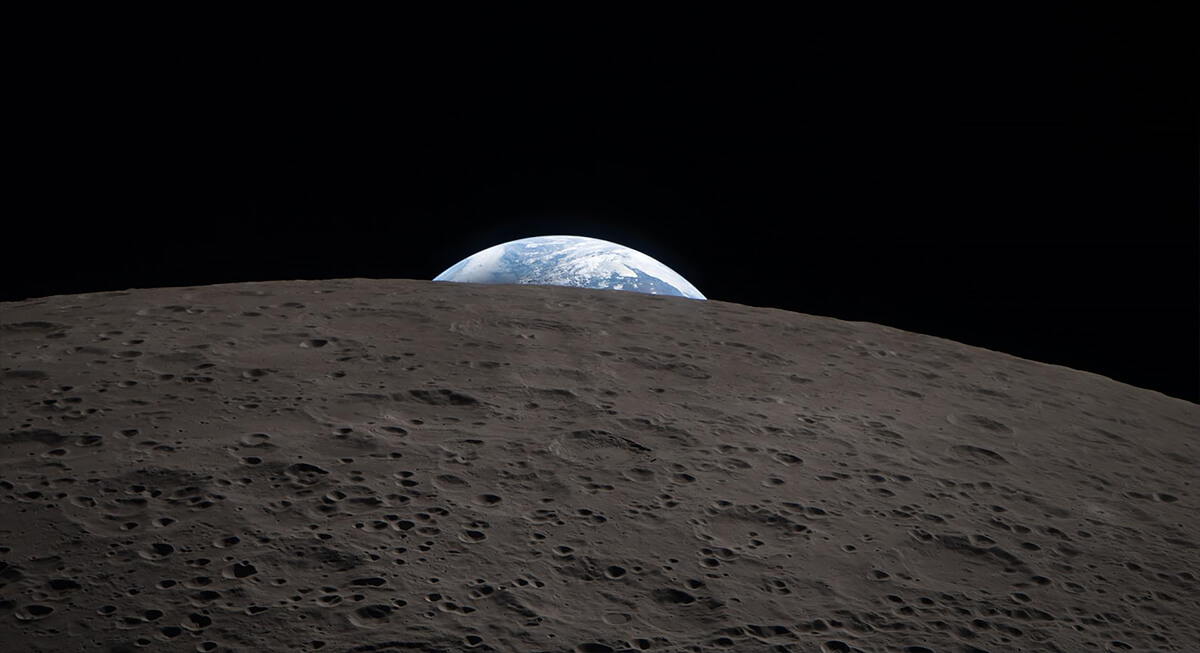
Artemis II is designed to prepare for longer missions beyond Earth’s orbit. The crew tests life support systems, navigation, communication, and daily operations in deep space. Every task contributes to understanding how people and equipment perform in that environment. Conditions inside the spacecraft are monitored closely, along with how the crew adapts over time. These details build confidence in the systems needed for sustained exploration beyond Earth.
Astronauts Experience Reentry Heat Hotter Than Lava
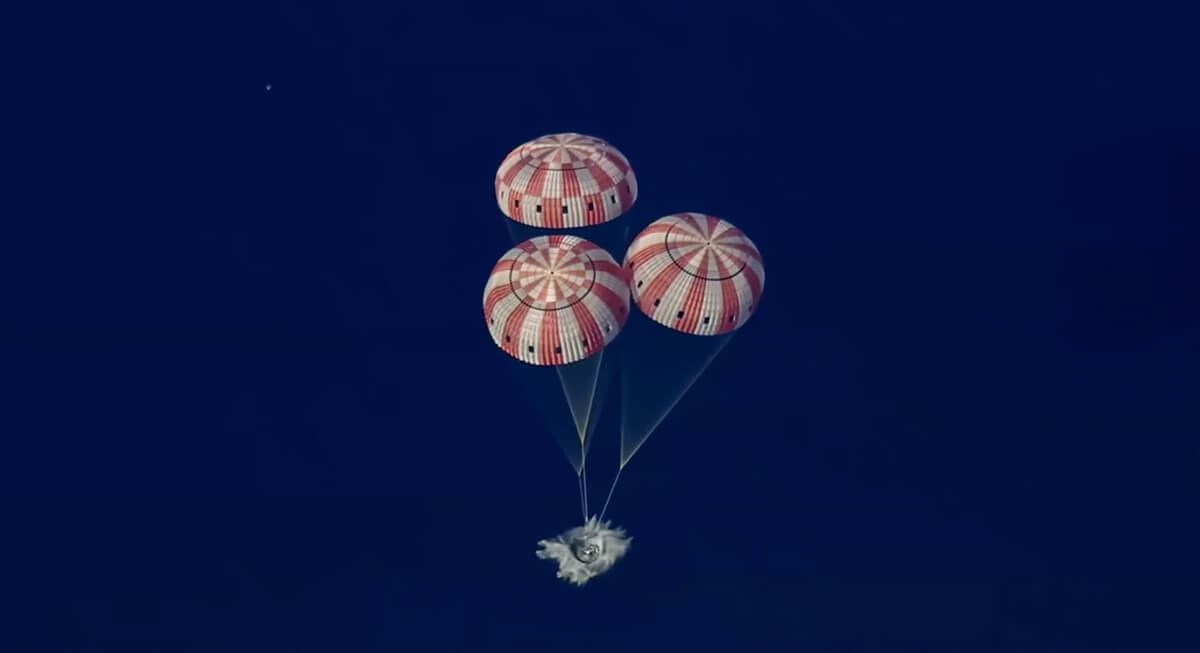
Credit: Youtube
Returning to Earth is one of the most intense parts of the mission. As Orion enters the atmosphere, temperatures around the capsule reach about 3,000 degrees Fahrenheit. That level of heat exceeds that of molten lava. The heat shield protects the crew as the spacecraft slows down from extreme speeds. The process requires precise timing and reliable engineering. Every component must perform as expected.
The 2045 Eclipse Could Happen In A Completely Different Space Era
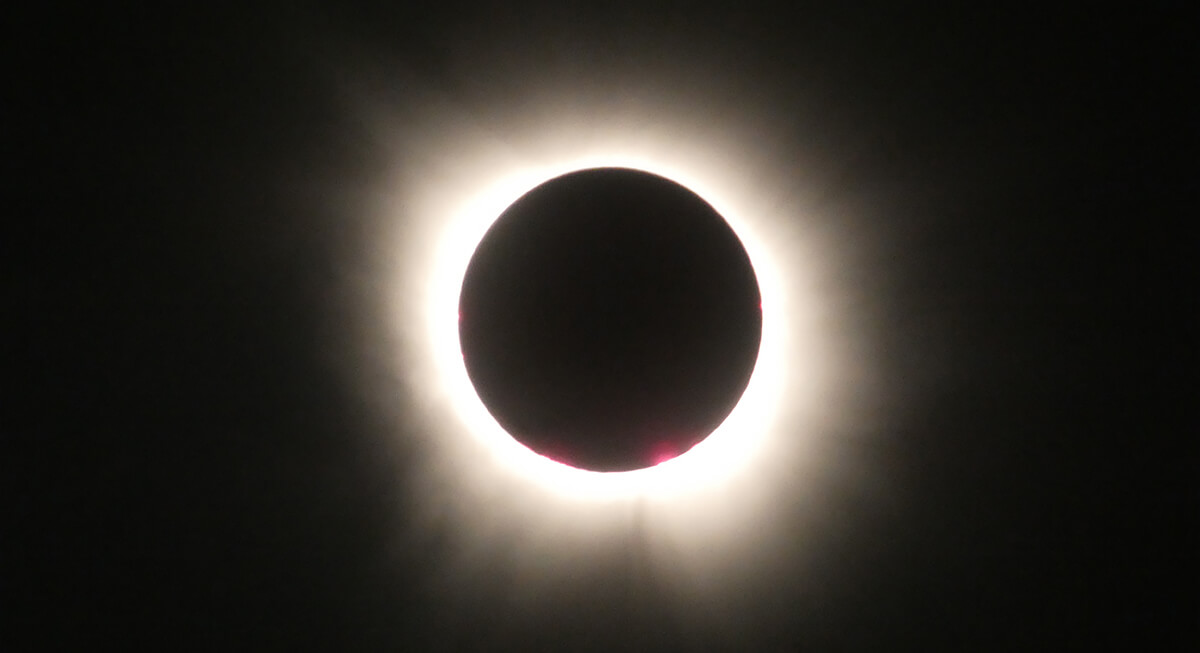
Credit: Wikimedia Commons
The total solar eclipse expected in 2045 will pass over Kennedy Space Center, but the setting surrounding it may look very different. Plans for continued lunar missions suggest a stronger human presence beyond Earth by then. Launches could be more frequent, and activity around the Moon may be ongoing.