The Dark Side of the Antarctica Tourism Boom You Need to Know Before Booking
Antarctica might seem like one of the few untouched places left on Earth. However, tourism is growing rapidly, and its impact is starting to be felt. What began as a niche adventure has evolved into a thriving industry, attracting over 100,000 visitors annually. That increase brings real risks to a fragile environment already under pressure from climate change.
If you’re thinking about going, or just curious about what’s changing, it’s worth knowing what that growth actually means in the ice.
Visitor Numbers Have Risen More Than Tenfold Since 1992
Credit: Facebook
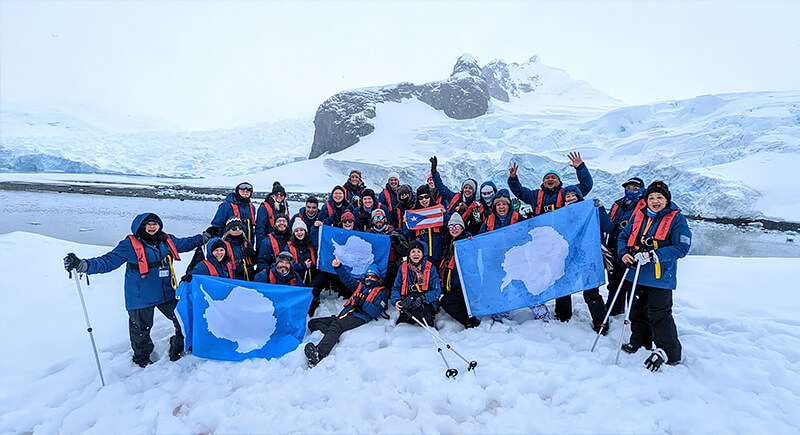
In 1992, only a few thousand tourists visited Antarctica. By the 2019–2020 season, that number reached 75,000. Following the pandemic, visits resumed, with 104,897 arrivals reported in the 2022–2023 period. Growth at this scale significantly increases the risk of environmental disturbance.
Penguin Behavior Has Been Disrupted by Human Activity

Credit: Wikimedia Commons
Some penguin colonies near tourist hotspots have exhibited changes in their nesting behavior and social interactions. While not universal, shifts in breeding and social behavior have been linked to repeated human exposure, especially from close-up photography and frequent landings during breeding seasons.
Tourism Regulation Relies on Voluntary Industry Compliance
Credit: Wikimedia Commons
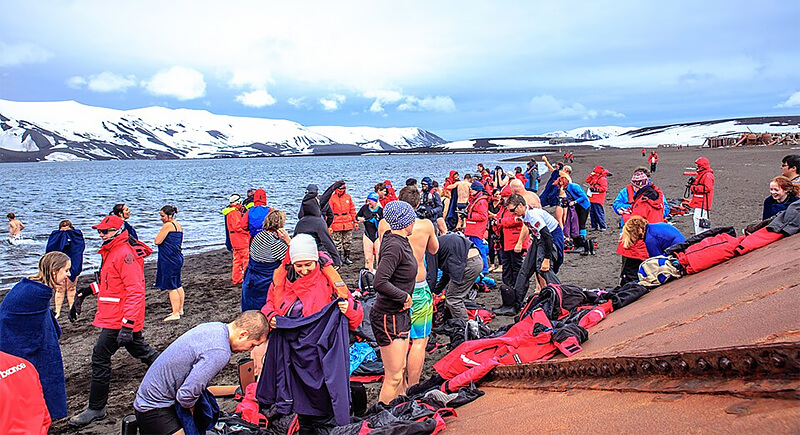
Although the Antarctic Treaty sets broad rules, much of the daily oversight is handled by the International Association of Antarctica Tour Operators. This self-policing model raises concerns, particularly when visitor numbers increase more rapidly than the capacity to monitor activities or enforce standards consistently.
Tourism Adds to Pressures From Climate Change and Invasive Species
Credit: Wikimedia Commons
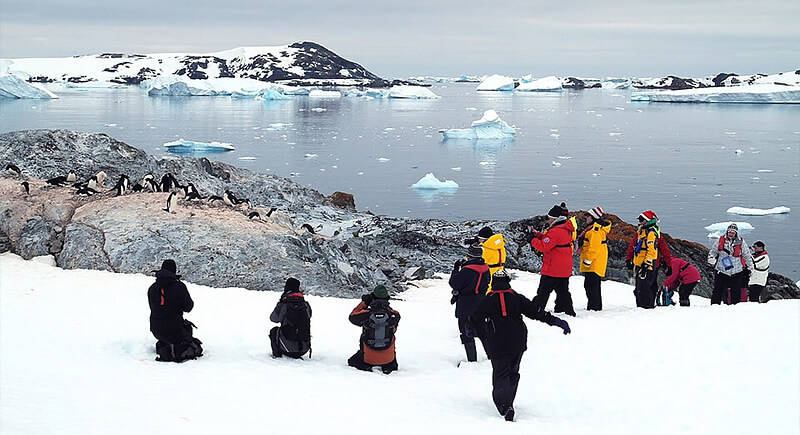
Rising temperatures and increased foot traffic create a double challenge. Tourism introduces stress through waste, noise, and physical presence, while climate change alters habitats. The two issues don’t just coexist. They magnify one another, which strains ecosystems that evolved with little outside interference.
Ice-Free Areas Are Increasing, Expanding Tourist Access
Credit: Wikimedia Commons
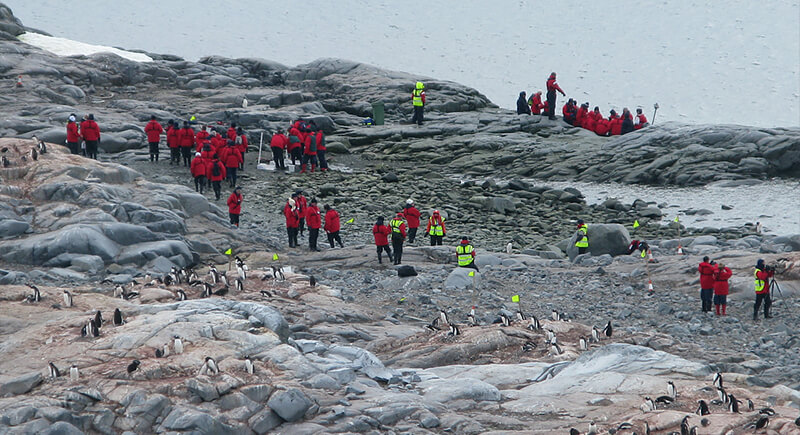
As the continent warms, more ice-free zones are appearing along the coasts. That might sound small-scale, but it creates new access points for tour groups. Some expedition seasons are also starting earlier and lasting longer. This further raises the number of landings each site may receive.
Damage at Visitor Sites and Along Travel Routes Is Documented
Credit: Wikimedia Commons
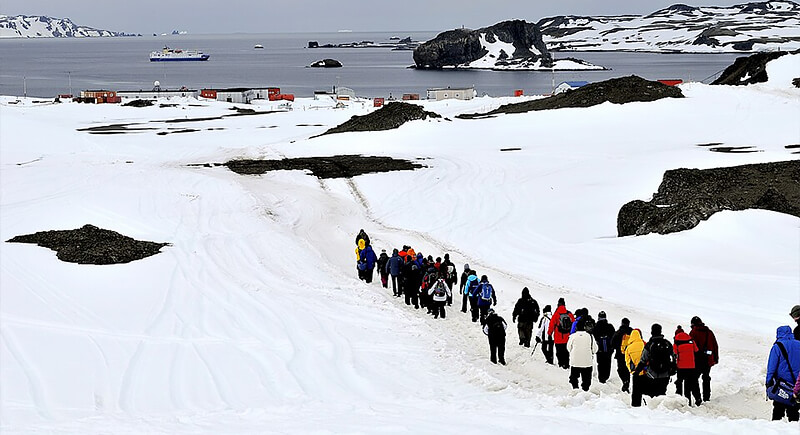
Tourist visits can lead to soil erosion, vegetation damage, and physical disturbance of sensitive terrain. These impacts are not limited to landing areas but may also occur along frequently traveled routes. This is particularly true in areas with repeated visits.
High Carbon Footprint Undermines Environmental Messaging
Credit: Wikimedia Commons
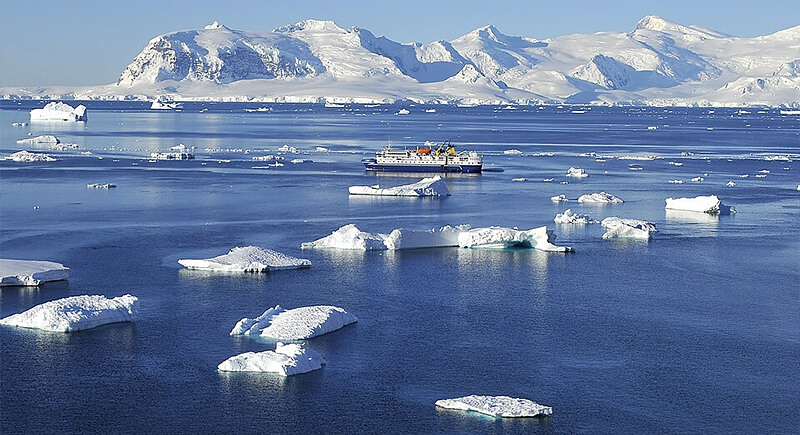
Getting to Antarctica usually involves multiple flights and diesel-powered ships. While visitors may return home with a new appreciation for conservation, the carbon footprint of a single Antarctic trip is high, undermining some of the very environmental messages shared during the journey.
Monitoring and Impact Assessment Remain Limited
Credit: Wikimedia Commons
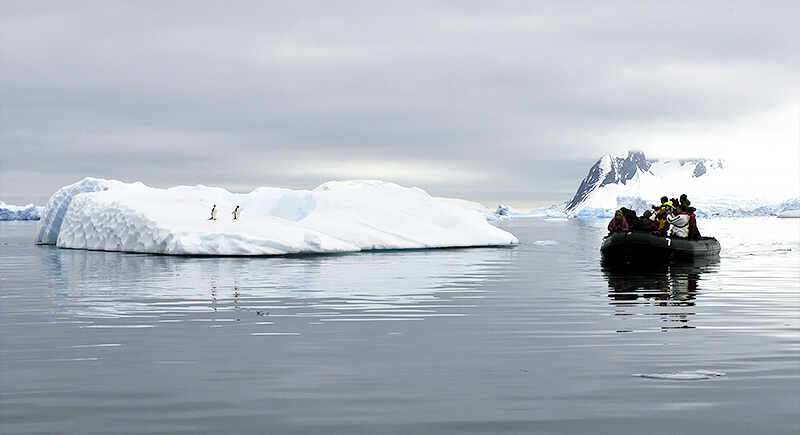
Visitor logs are kept, but broader monitoring of animal stress levels or vegetation recovery remains limited. Scientists have flagged gaps in understanding how repeated tourism impacts fragile ecosystems over time. Managing long-term risk becomes harder without consistent metrics.
Protections Vary Across Tourist Sites and Are Not Comprehensive
Credit: Facebook
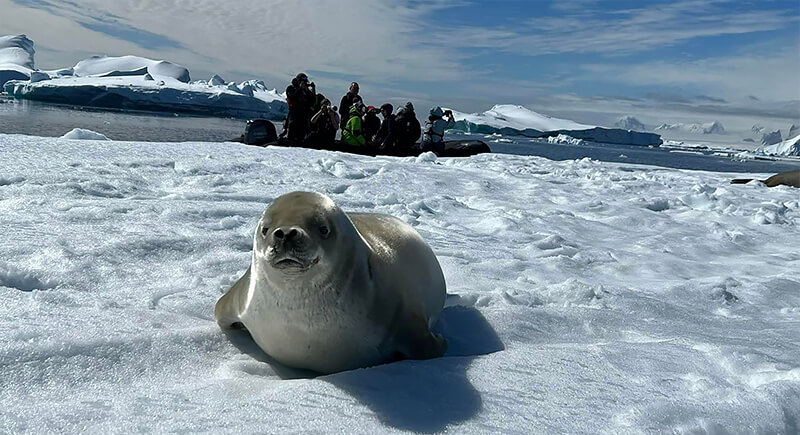
Certain tourist sites are designated as Antarctic Specially Protected Areas, but many are not. That means two spots, equally vulnerable ecologically, may receive very different levels of protection. This also depends mostly on whether site-specific management plans have been written and enforced.
Tourism Projections Are Outpacing Policy Development
Credit: Wikimedia Commons
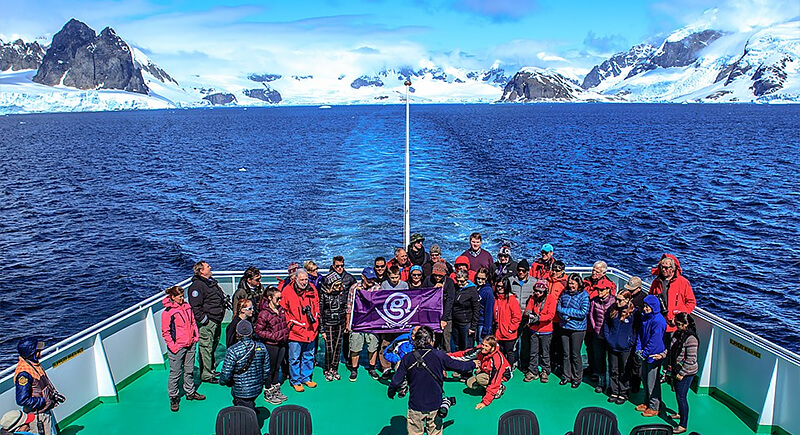
Tourism trends are expected to continue upward, with an increasing diversity of activities and visitor demographics. Policy responses have not kept pace. A science-based approach, grounded in the precautionary principle and strengthened oversight, is needed to prevent long-term harm.