10 Shocking Reasons You Should Still Think Twice Before Answering Your Phone At 35,000 Feet
Airplanes have never been peaceful for everyone, but they have at least offered one reliable boundary. Most people could not take a full-voice or video call from the seat next to you. That boundary is starting to weaken as faster satellite Wi-Fi reaches commercial cabins. British Airways now tells passengers using Starlink-powered Wi-Fi to keep their voices low, use headphones, and reduce activity on night flights if they are making calls or listening to audio. U.S. rules still block cellular calls in flight, but Wi-Fi calls are in a different regulatory space.
The Rules Are More Complicated Than Passengers Think
Credit: Getty Images
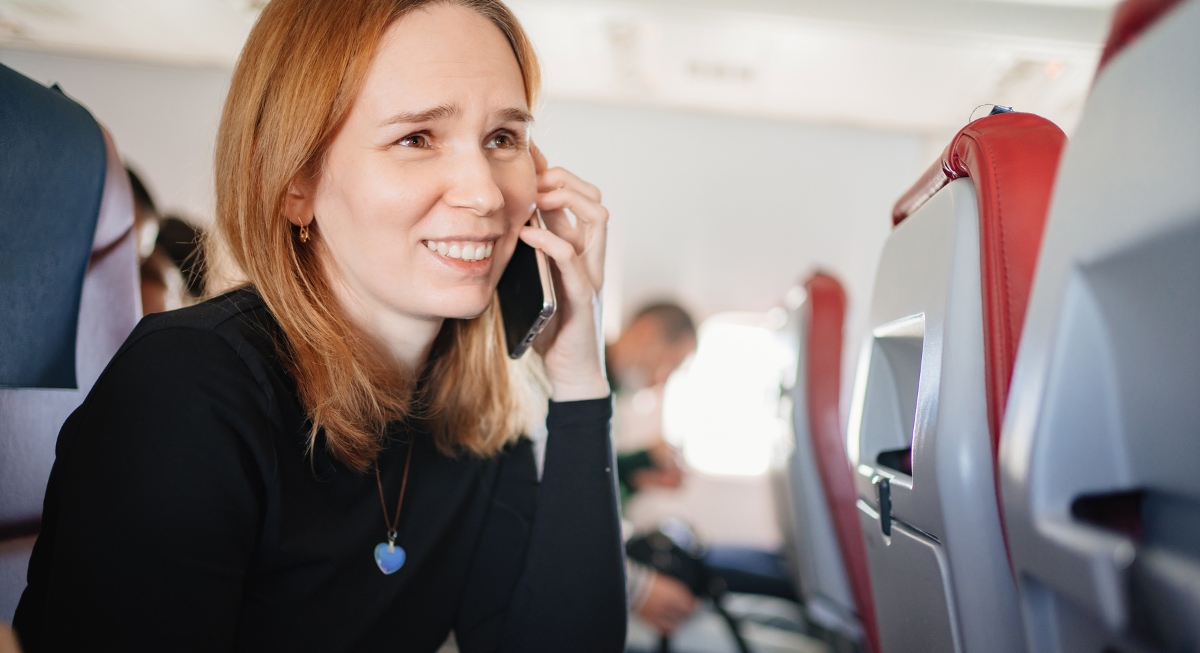
Many travelers assume all in-flight phone calls are banned for the same reason, but the rulebook is split. The FCC’s long-standing restriction applies to cellular calls made on commercial mobile spectrum while an aircraft is in flight. Wi-Fi calling is different. Federal documents note that the FCC does not prohibit voice calls over Wi-Fi, so airlines have greater control over what passengers may do on onboard internet. Passengers may see a phone working and assume permission is automatic. In reality, airline policy, crew instructions, and the type of connection all shape what is allowed.
Fast Wi-Fi Changes the Cabin Social Contract
Credit: pexels
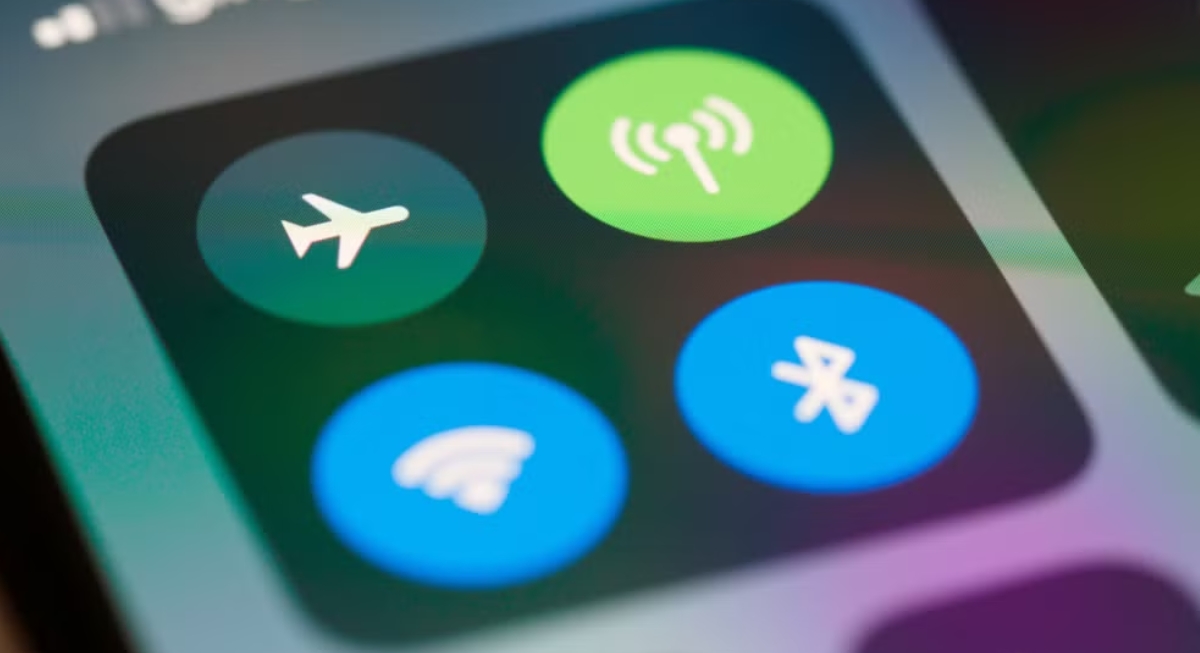
Old airplane Wi-Fi made voice and video calls impractical for most passengers. Starlink and similar satellite systems change that by offering faster, more reliable internet over long distances, including oceanic and remote routes. The technology may feel impressive, but its social impact depends entirely on how passengers use it around strangers. British Airways’ Starlink guidance now directly addresses calls, audio, video, headphones, voice volume, screen brightness, and night-flight disruption. That is a major cultural shift.
One Loud Caller Can Affect Dozens of Seats
Credit: Getty Images
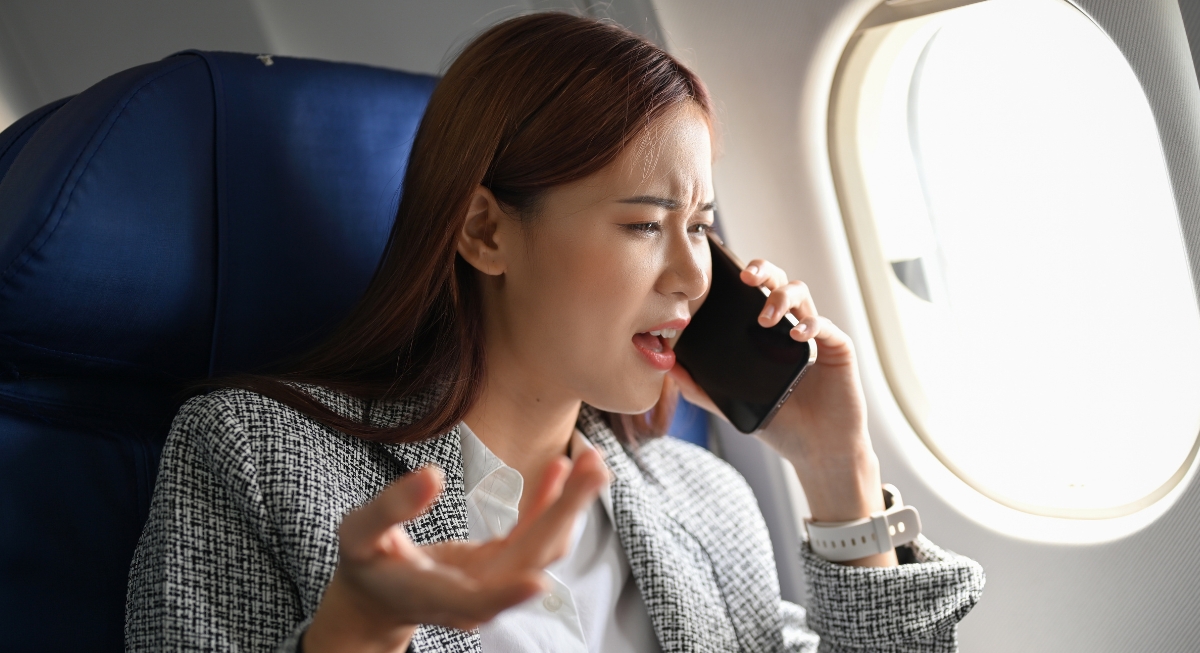
A phone call at cruising altitude is not like a call in a living room. Passengers sit close together, often with limited personal space, fixed seats, and no easy way to move away from a disruptive conversation. Cabin noise already forces people to raise their voices, which can make a “quiet” call drift across several rows. Even with headphones, one side of the conversation remains public. The problem is the possibility that long, casual calls become the norm.
Flight Attendants May Get Stuck Policing Manners
Credit: Canva
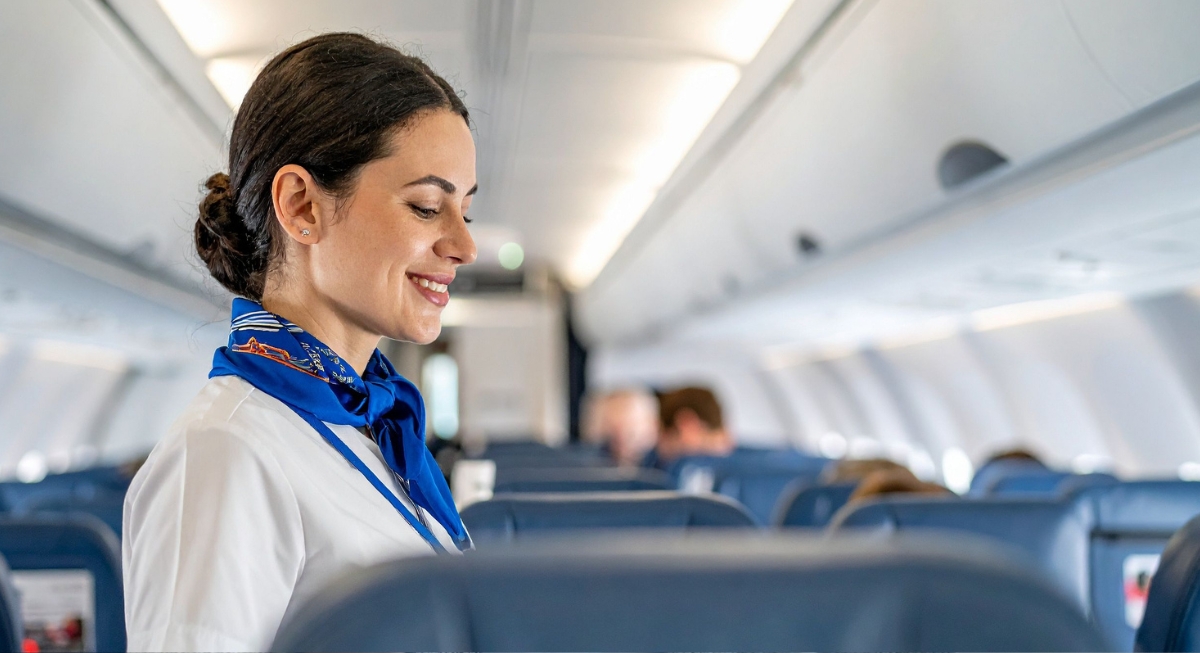
British Airways asks passengers to use headphones and keep their voices low, but cabin crew would have to manage situations when people ignore that guidance. This creates an awkward new layer of work for flight attendants who already handle safety checks, service, medical issues, boarding problems, passenger disputes, and turbulence procedures. A loud caller can quickly escalate into a customer service issue, especially if nearby travelers complain. Crew members may have to decide when a call is merely annoying and when it becomes disruptive. On a full aircraft, enforcing “be considerate” is much harder than printing it on a Wi-Fi page.
Video Calls Can Turn Private Travel Into Public Background
Credit: Getty Images
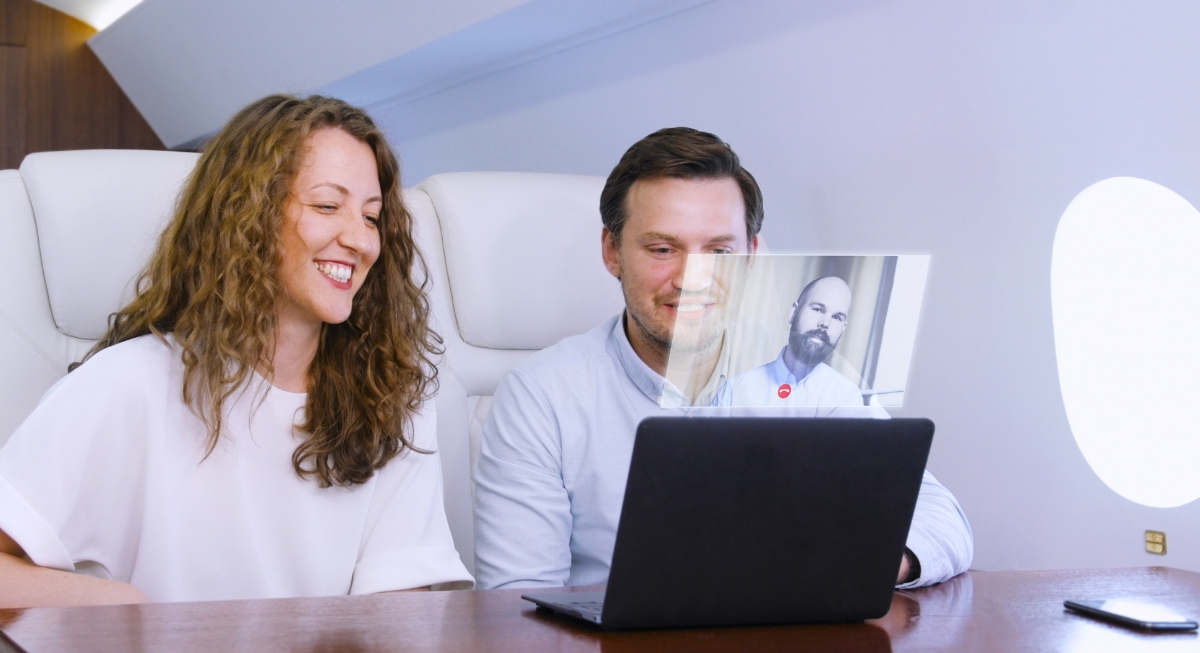
Voice calls are one issue; video calls create a different kind of discomfort. A passenger on FaceTime, Zoom, WhatsApp, or another video platform may unintentionally pull nearby seatmates into the background of a call. People could be eating, sleeping, working, caring for children, or simply trying to avoid being seen by strangers on someone else’s screen. Airplane cabins are shared spaces, but passengers still expect a basic level of privacy. Video calls make it harder to protect that expectation.
Night Flights Could Become Especially Miserable
Credit: Canva
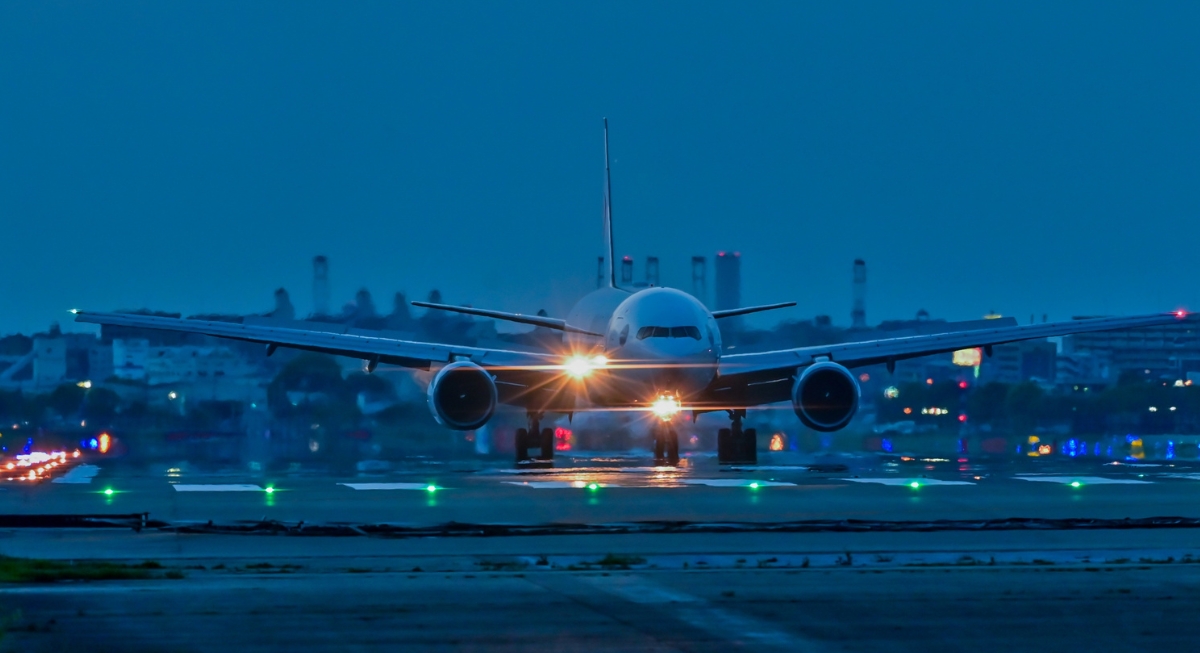
Overnight flights depend on dim cabins, reduced movement, and a shared effort to let people sleep. A single bright screen, animated video call, or raised voice can feel much more disruptive when the rest of the cabin is quiet. Long-haul travelers often land with work, family plans, or connections ahead of them. Losing sleep because someone treated the cabin like a personal office could sour the whole trip.
U.S. Airlines Have Mostly Avoided Opening the Door
Credit: Wikimedia Commons
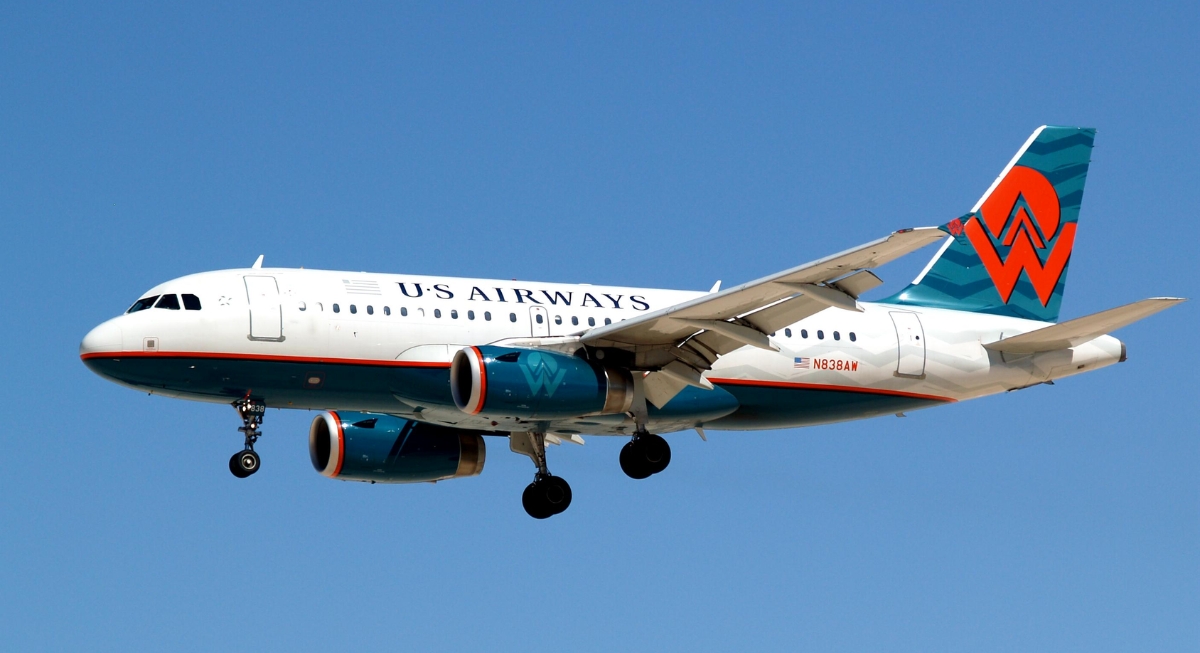
American travelers may see faster Wi-Fi on more flights, but major U.S. airlines have generally avoided allowing in-cabin voice calls. The Department of Transportation noted years ago that U.S. carriers had the capability to permit Wi-Fi voice calls, but airlines and Wi-Fi providers typically did not offer voice service. Passenger comfort has always been a concern. Airlines know cabin harmony matters, especially when customers are stuck together for hours. If one carrier eventually allows calls, competitors may face pressure to match the amenity or advertise quieter cabins as a selling point.
Emergencies Are Different From Everyday Chatter
Credit: Canva
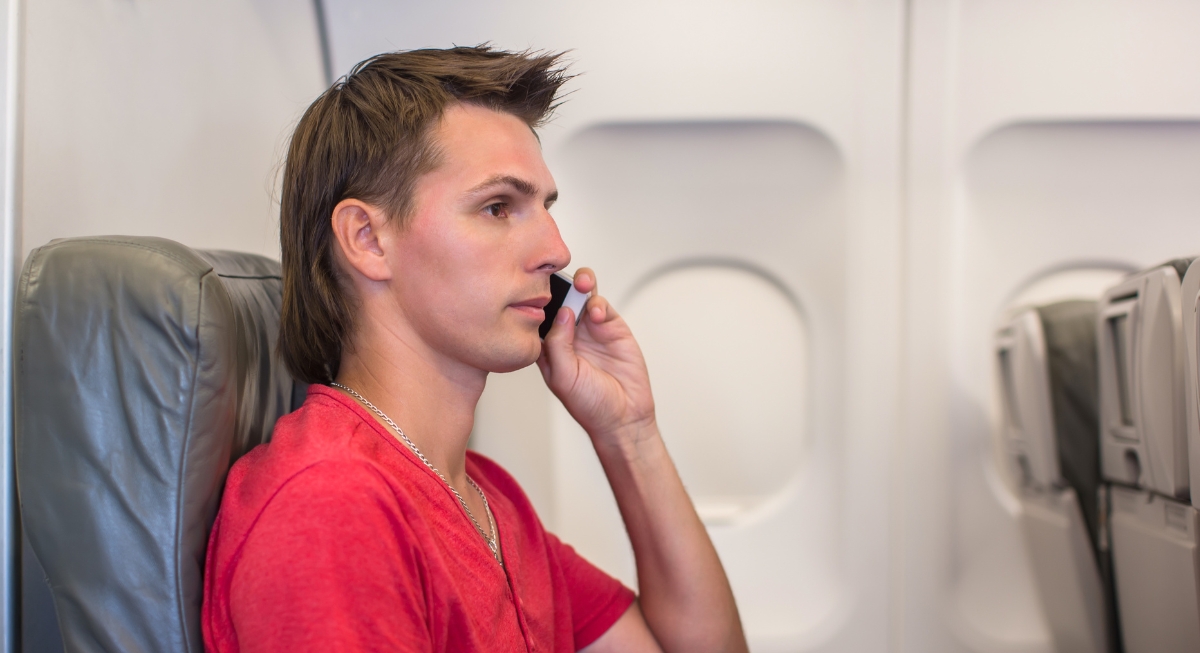
There are situations where a brief call from the air could genuinely help, like a family emergency, an urgent medical update, a major travel disruption, or a time-sensitive work crisis. Those cases are different. The challenge is that airlines cannot easily write a policy around only important calls because importance is subjective. Passengers tend to generously judge their own needs. A reasonable middle ground may be brief calls with headphones, low voices, and crew awareness when necessary.