10 Ancient Ruins That Are Older Than the Pyramids
The Great Pyramid of Giza might get all the headlines, but it wasn’t humanity’s first monumental effort. Long before pharaohs were stacking limestone in Egypt, people across the world were carving tombs, raising stones, and laying out cities in ways that still stump archaeologists. These ruins might not be as famous as the pyramids, but they’ve been around longer, and their stories are just as surprising.
Göbekli Tepe, Turkey
Credit: Wikimedia Commons
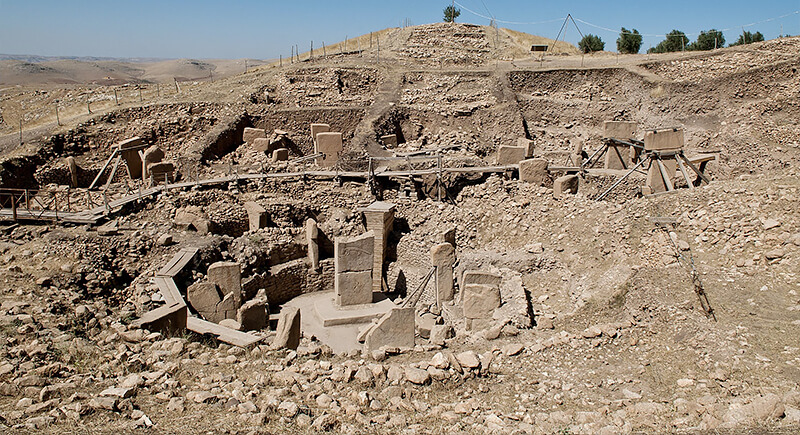
Göbekli Tepe rewrote history the moment it was unearthed. Built around 9600 BCE, this circular stone sanctuary predates agriculture and permanent settlements. It’s filled with carved animal reliefs and massive T-shaped pillars that weigh up to 20 tons. Nobody knows what exactly it was used for, but it’s clear that the builders were organized and deeply spiritual.
Bhimbetka Rock Shelters, India
Credit: Wikimedia Commons
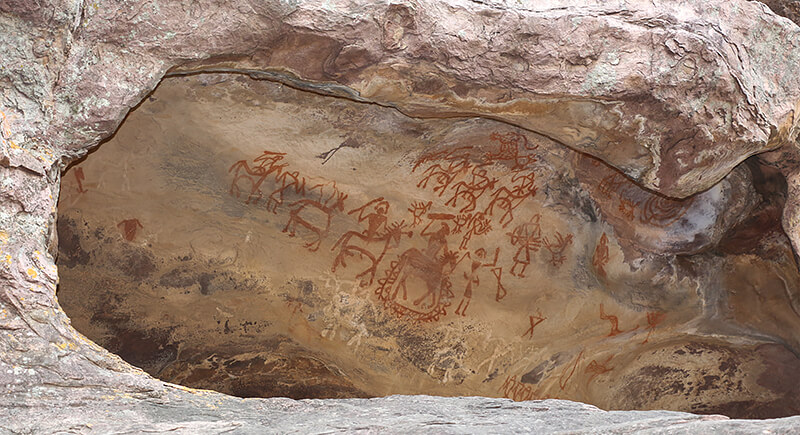
Not far from Bhopal, India, nearly 750 caves stretch across the Vindhya hills, many filled with prehistoric drawings. These rock shelters date back as far as 10,000 BCE. The paintings show people dancing and riding animals—essentially an ancient visual diary. Bhimbetka has also been recognized as a UNESCO site.
Winnemucca Lake Petroglyphs, Nevada
Credit: Wikimedia Commons
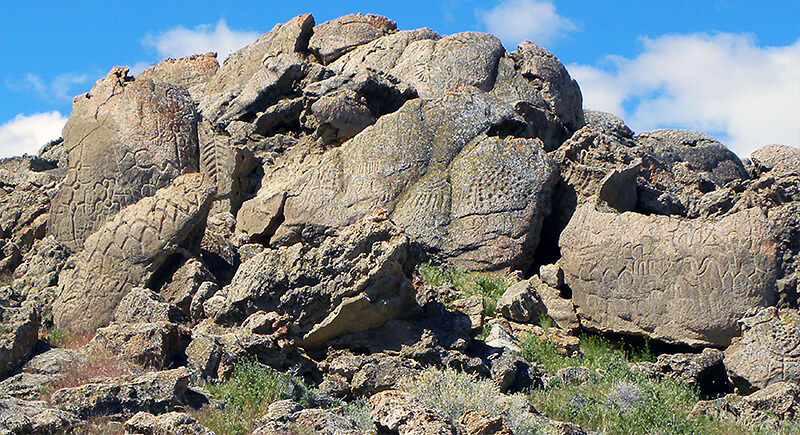
Along a dried-up lakebed northeast of Reno, hundreds of carvings sprawl across tufa rock. These petroglyphs could be the oldest in North America, with estimates placing them between 10,500 and 14,800 years old. The lines and shapes vary wildly—some look like fish, others like ladders or nets.
Caral, Peru
Credit: Tripadvisor
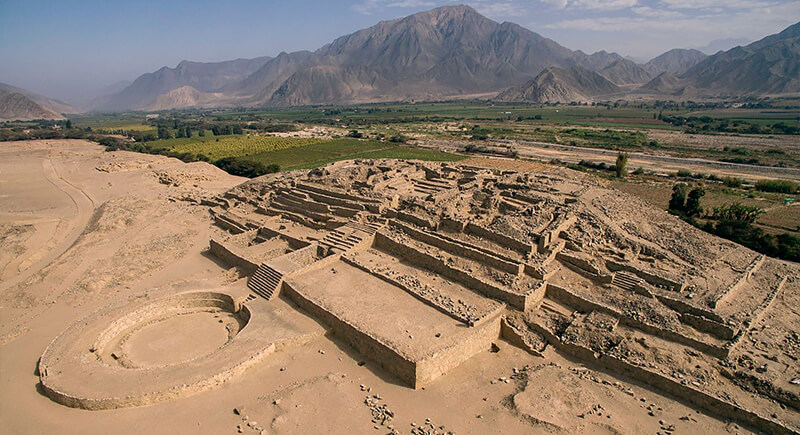
About 120 miles North of Lima, Caral rises from the Supe Valley. This pre-Incan city, built around 2600 BCE, features six pyramids and sunken plazas. What’s strange is that there are no weapons or signs of chaos. There were just trade networks and flutes made of condor bones.
Mehrgarh, Pakistan
Credit: Wikimedia Commons
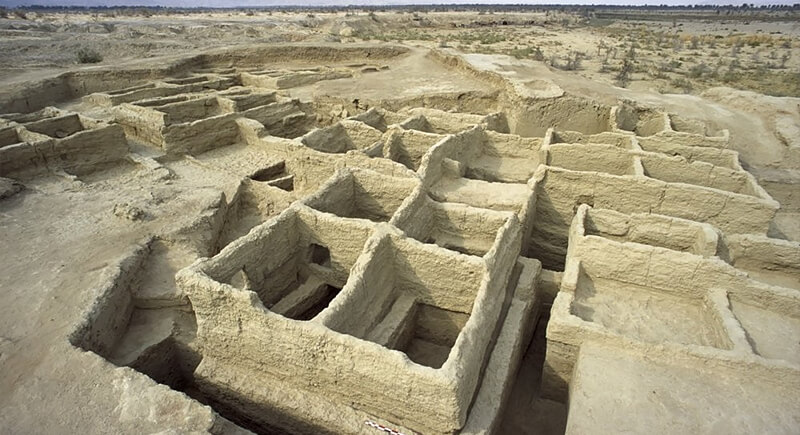
Before the Indus Valley cities came into their own, there was Mehrgarh. This Neolithic settlement dates back to around 7000 BCE and features planned houses and burial rituals. Residents used tools made from copper and even had dental work—evidence of drilling in human molars has been found here.
Dolmen Of Menga, Spain
Credit: Canva
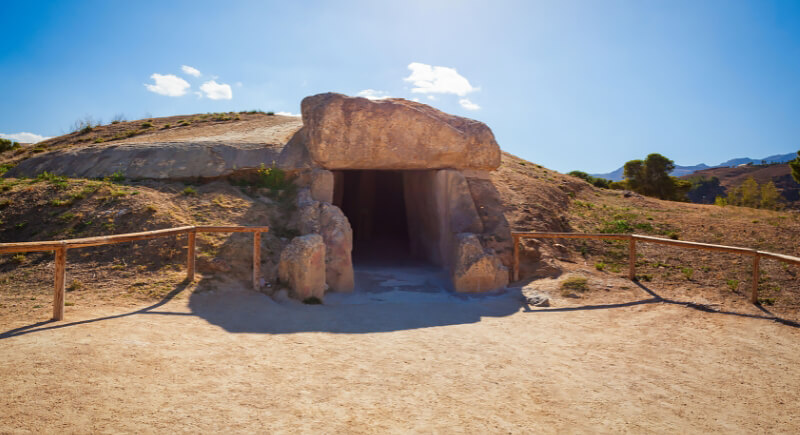
The Dolmen of Menga has stood since at least 3750 BCE. It’s a megalithic burial chamber built with stones so heavy that one of them weighs about 180 tons. Instead of pointing to the sun or solstices, this dolmen aligns with a nearby mountain, Peña de los Enamorados, which might have held sacred meaning for its builders.
Monte d’Accoddi, Italy
Credit: Wikipedia
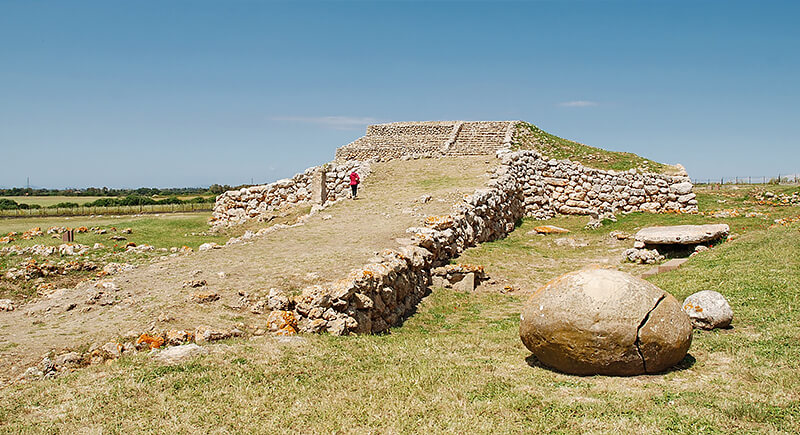
On the island of Sardinia, there is what looks oddly like a ziggurat. Monte d’Accoddi began as a simple platform around 4000 BCE but morphed into a step-pyramid over time. It’s unlike anything else in Europe. With ramps and altars, it may have been used for rituals involving animal sacrifice.
Vinča-Belo Brdo, Serbia
Credit: Getty Images
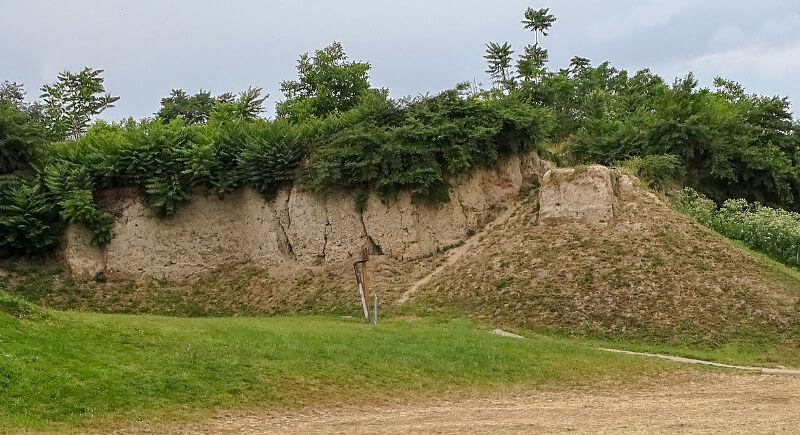
Just outside Belgrade, this Neolithic site flourished around 5700 BCE. It had drainage systems and even early writing symbols. Known as the Vinča symbols, these markings predate Mesopotamian cuneiform. While they haven’t been decoded, they suggest that people in southeastern Europe were experimenting with written communication much earlier than expected.
Nabta Playa, Egypt
Credit: Wikipedia
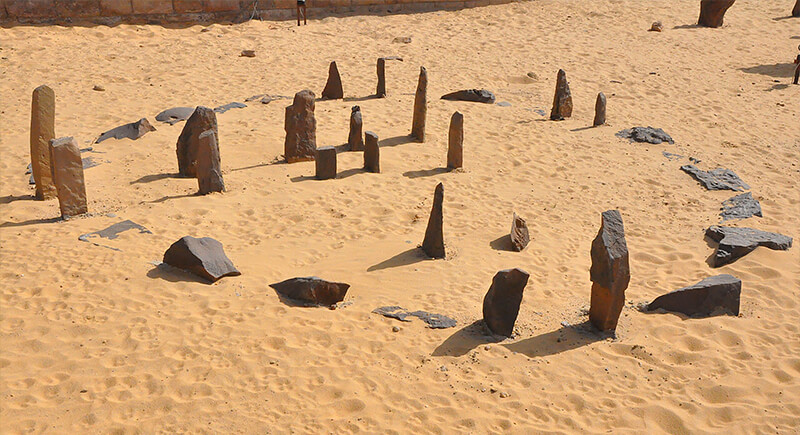
A circle of stones appeared deep in the Nubian desert. Nabta Playa, dated to about 5000 BCE, might have been used to track the summer solstice. The people who built it were nomadic herders, but the precision of their astronomical alignments hints at great sky-watching skills. It’s been called the world’s oldest known astronomical site.
Tumulus Of Bougon, France
Credit: Wikimedia Commons
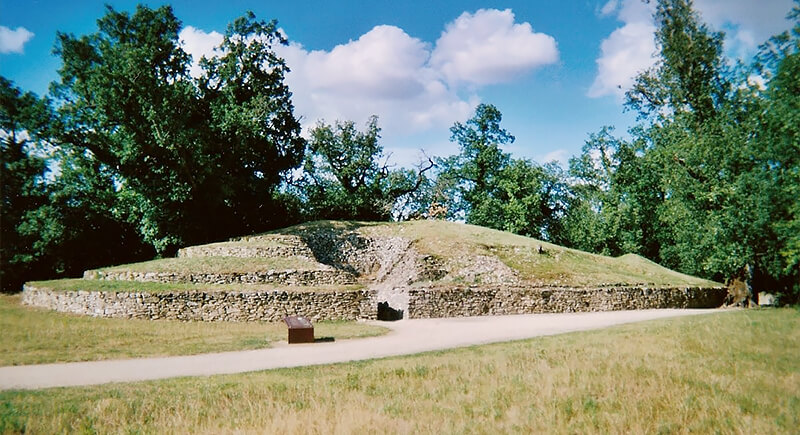
Western France doesn’t often come up in conversations about ancient architecture, but Bougon deserves more attention. Built around 4700 BCE, this series of stone burial mounds includes corbelled roofs and multi-chambered tombs. One of the largest mounds measures over 70 meters long.