An Active Volcano in Antarctica Is Literally Venting Gold Into the Sky
There’s a place so remote, so cold, and so wild that it might just have you questioning reality. Antarctica is usually the place we associate with endless sheets of ice and the occasional huddle of penguins, but it is also home to Mount Erebus. It is the southernmost active volcano on the planet, and it is doing something that doesn’t sound real at all. It is quite literally releasing gold into the atmosphere.
The gold isn’t coming out in visible pieces like coins or nuggets. Instead, the volcano releases extremely fine particles of gold mixed into the gases from the crater. These particles are microscopic, more like dust than anything solid, and they disperse into the air with the volcanic emissions. It’s a real process, just one that happens on a very small, almost unnoticeable scale.
What’s Going On at Mount Erebus?
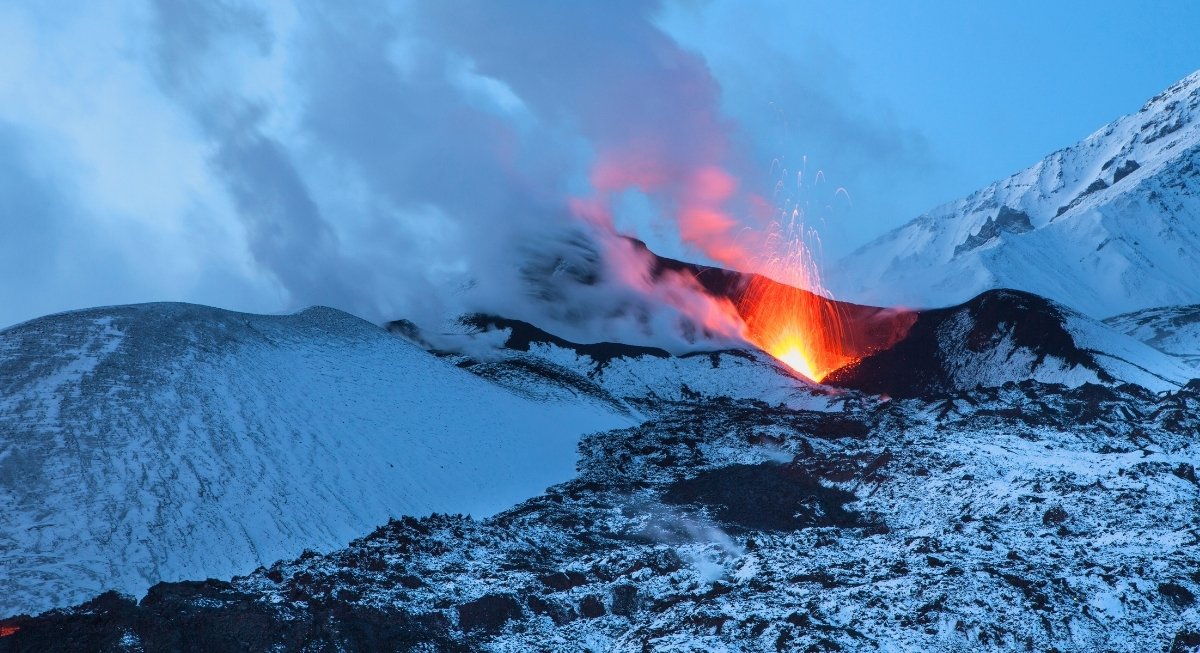
Image via Getty Images/Vershinin-M
Mount Erebus is a bit of a geological oddity. Standing tall on Ross Island, it features a persistent lava lake, which is a rare sight for any volcano, let alone one surrounded by glaciers. Researchers have found that these plumes of gas carry a very specific passenger: crystallized gold.
On an average day, the volcano vents about 80 grams of this gold. In the current market, that is worth around $6,000, which sounds like a lot until you realize it is spread out over hundreds of miles of frozen wilderness. These particles are ejected at high temperatures and then instantly hit the freezing Antarctic air, crystallizing into tiny metallic specks.
Why Gold, Though?

Image via Getty Images/bieshutterb
The reason gold is showing up here is the specific chemistry of the magma inside Erebus. All magma contains a mix of metals and minerals, but the conditions at this particular volcano are just right for gold to be carried up with the gas. As the lava churns in the lake, the gases escaping the molten rock pick up trace amounts of gold.
When those gases reach the surface and meet the cold air, the gold solidifies. It is a process that occurs at other volcanoes as well, but Erebus is unique because its eruptions are relatively gentle and constant. Instead of one massive explosion that buries everything in ash, Erebus quietly sifts its gold into the wind day after day.
A Tiny Gold Rush You Can’t Tap Into
It is tempting to imagine a trip to the South Pole to strike it rich, but the reality is much more grounded. Collecting this gold would be practically impossible. We are talking about particles that are only a few micrometers wide.
You could walk through a cloud of it and never even see a shimmer. By the time the wind carries it across the continent, it is so diluted that it becomes just another part of the background dust.
Beyond the physical difficulty, there is the matter of the law. Antarctica is governed by international treaties that strictly prohibit mining and commercial exploitation. The continent is preserved for science and peace, meaning even if you could find a way to gather the dust, you wouldn’t be allowed to set up a shop. The gold belongs to the mountain and the wind.