10 Airports with the Best Food in the World
Not long ago, airport food was something you planned around, not something you looked forward to. You ate because you had time to kill or because the next flight was long. That logic has flipped at a handful of major hubs. These airports assume travelers will spend real time eating, meeting, wandering, and resetting.
Istanbul Airport, Turkey
Credit: Wikimedia Commons
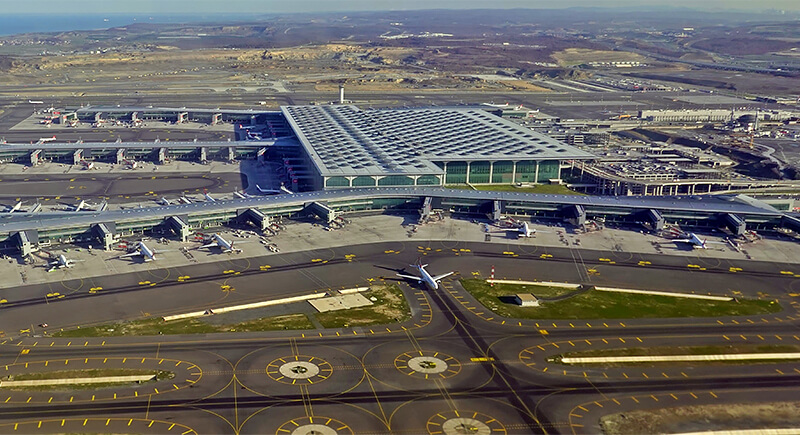
With a terminal so large that it can take 15 minutes just to walk between sections, eating becomes part of how travelers manage time at Istanbul Airport. Bakeries turn out fresh simit continuously, while Turkish Airlines lounges cook dishes like gözleme and manti to order. It’s common to see people sit down without checking the clock.
Singapore Changi Airport, Singapore
Credit: Facebook
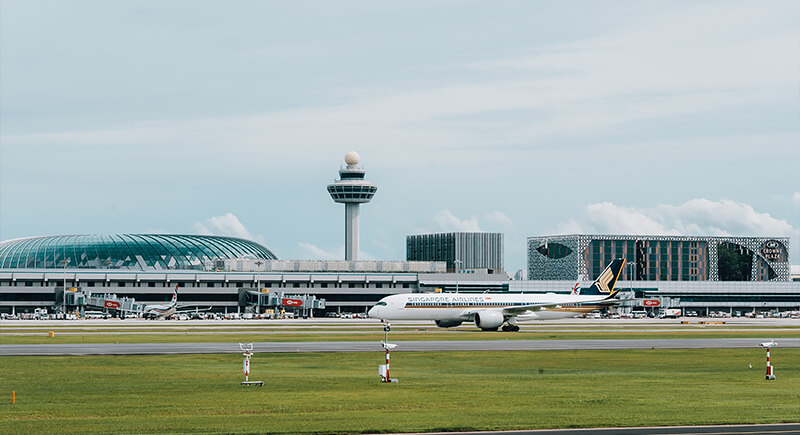
Changi doesn’t separate “good food” from “airport food.” Hawker-style stalls, heritage restaurants, and employee canteens are located alongside upscale dining, which keeps standards consistent across price points. Staff eat the same laksa and chicken rice offered to passengers, and that matters. Short connections still allow a proper meal, while long layovers turn into grazing sessions across terminals.
Incheon International Airport, South Korea
Credit: Wikipedia
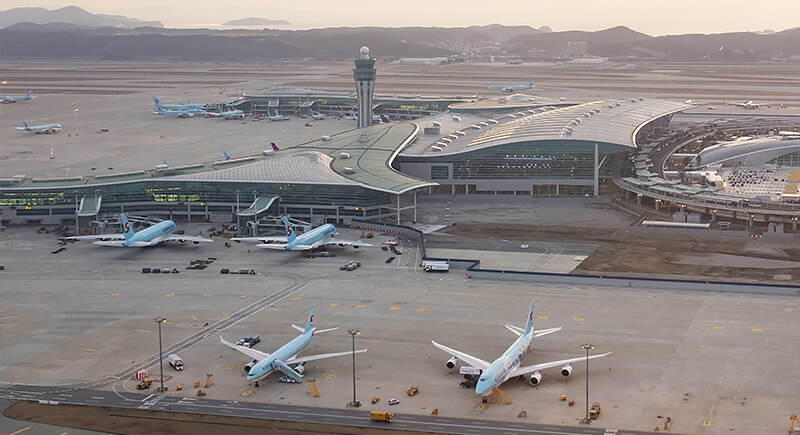
Long-haul arrivals hit Incheon at awkward hours, and the airport plans for that reality. Restaurants stay open late, serving bibimbap, soups, and rice bowls. Food here focuses on comfort, speed, and familiarity for tired travelers resetting their internal clocks.
Hamad International Airport, Qatar
Credit: Facebook
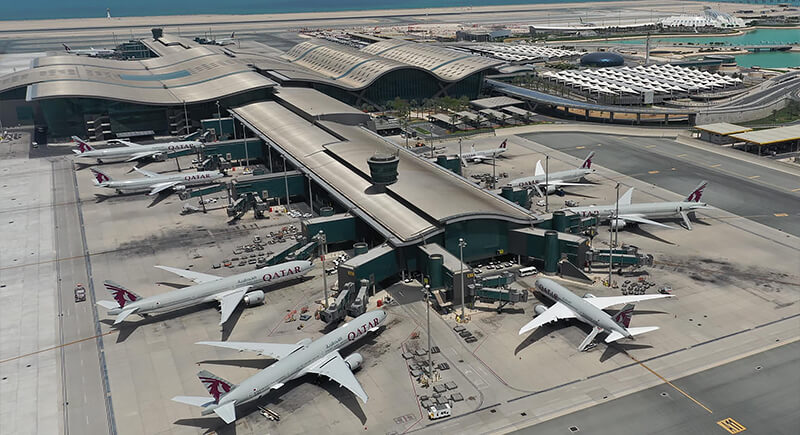
Hamad is built around long-haul transfers, often six to ten hours between flights. Dining areas cluster near lounges and the indoor garden, so people eat, walk, then eat again. In premium zones, meals are plated and served at the table.
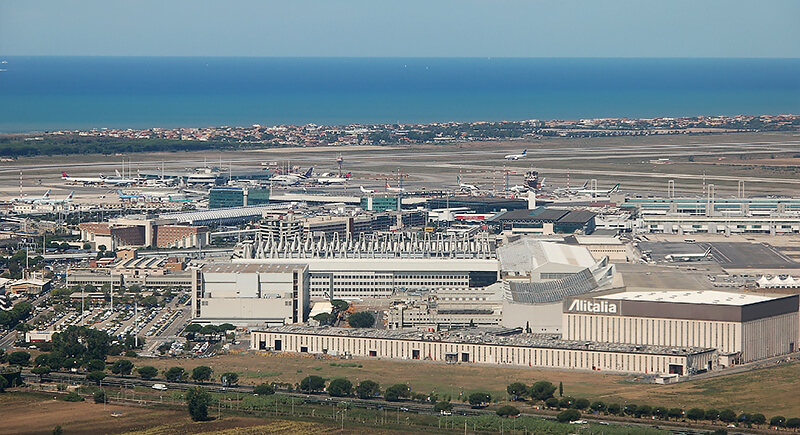
Leonardo da Vinci–Fiumicino Airport, Italy
Credit: Wikipedia
At Fiumicino, food mirrors how Italians actually eat. Espresso bars handle quick stops, while nearby counters serve pasta and panini that can be finished in under 30 minutes. Renovations brought in well-known regional operators instead of generic chains.
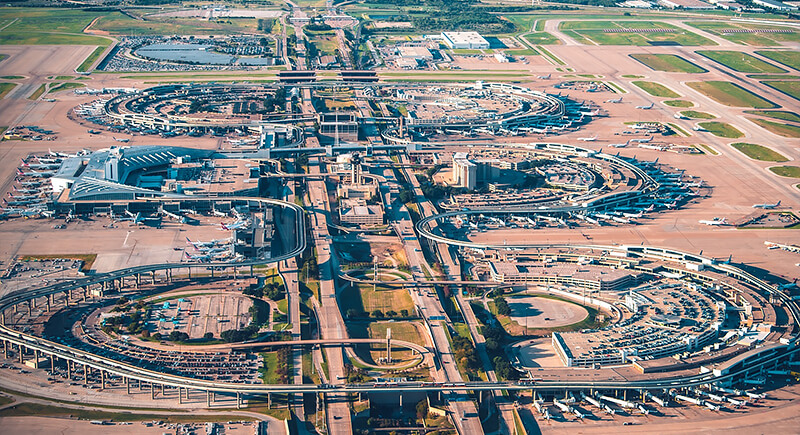
Dallas Fort Worth International Airport, U.S.A.
Credit: Facebook
Covering five terminals and connected by Skylink, DFW turns long walks into natural meal breaks. Visitors often plan connections around barbecue stops, sitting down for brisket or burgers. Even Whataburger and Texas smokehouses are spread across concourses.
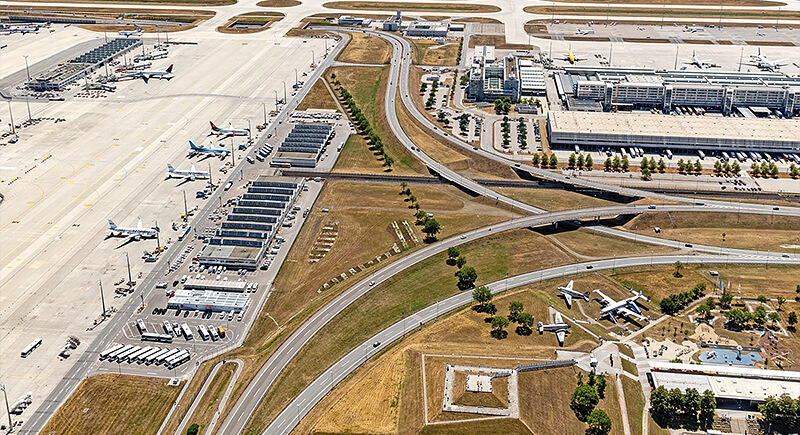
Munich Airport, Germany
Credit: Facebook
Meals at Munich Airport follow local habits. Airbräu brews beer on site, and passengers settle at communal tables with sausages and pretzels while tracking flights overhead. Seasonal stalls bring in regional specialties, so waiting is both familiar and social.
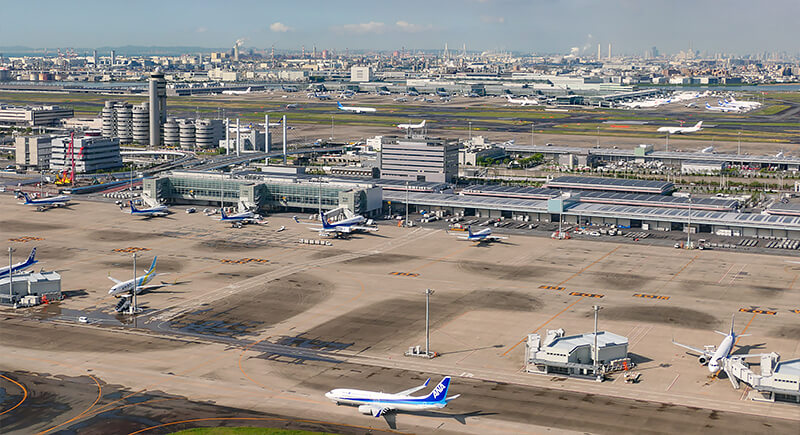
Tokyo Haneda Airport, Japan
Credit: Wikimedia Commons
Domestic flights at Tokyo Haneda Airport start before sunrise, and international departures run late into the night, so ramen shops, curry counters, and set-meal restaurants stay open when most airports go dark. Many spots focus on a single menu.
George Bush Intercontinental Airport, U.S.A.
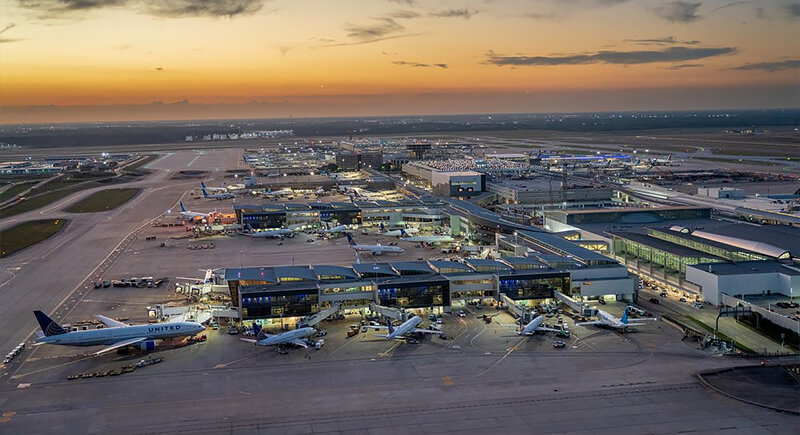
Credit: Facebook
Houston’s airport prioritizes convenience over presentation. Tex-Mex counters, burger spots, and casual bars are close to gates. Portions are large, drinks are easy to find, and food travels well.
Hartsfield-Jackson Atlanta International Airport, U.S.A.
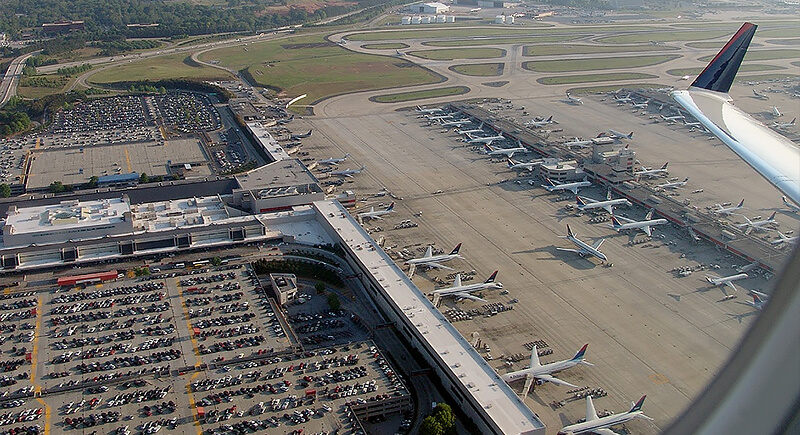
Credit: Wikimedia Commons
Atlanta processes more than 100 million passengers a year, which forces food to operate like infrastructure. Each concourse has its own dense cluster of restaurants, so people don’t have to backtrack or guess. Visitors often order at boarding gates, eat quickly, and walk straight onto planes without changing terminals.