10 Wardrobe Malfunctions Waiting to Happen at Airport Security
Airport lines move fine until someone’s outfit throws off the rhythm. Scanners aren’t judging style; they’re reading shapes and density, especially when it comes to metal and anything that blocks a clear body outline. What looks harmless in the mirror can trigger a stop for a wand check or a pat-down in seconds. Take note of these few small outfit choices that can be the difference between walking through or getting pulled aside.
Sequins And Metallic Fabrics

Credit: pexels
Metallic threads and sequins reflect signals and appear as dense spots on millimeter-wave imaging systems used in most U.S. airports. The machine automatically flags unclear areas, prompting additional screening. The machine can’t tell what it’s looking at, so it flags it, turning a quick walk-through into a slow, awkward pause.
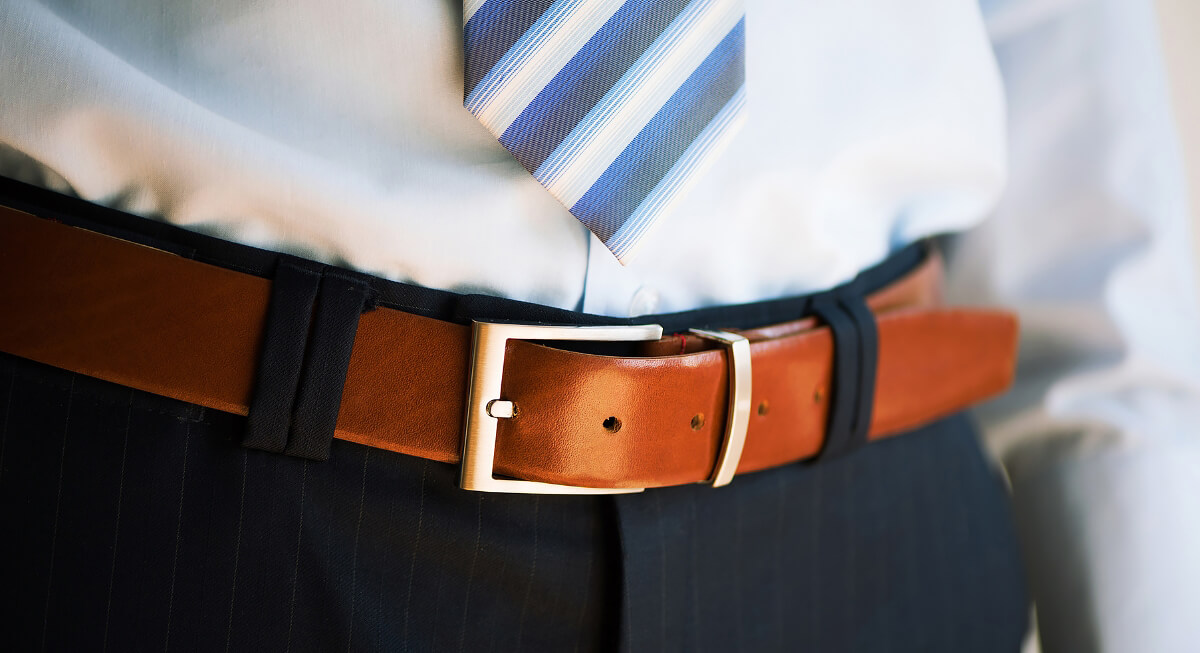
Belts With Buckles
Credit: Canva
TSA procedures require passengers to remove belts before screening in many lanes. Agents expect it, so you’ll be asked to remove it or step aside. Belt buckles, even small ones, almost always trigger detectors in walk-through metal scanners used at checkpoints. To avoid that whole uncomfortable moment completely, skip the belt entirely or choose elastic waistbands.
Jewelry And Piercings

Credit: pexels
Some days, accessories cooperate. Other days, they light up the scanner like a warning sign. Millimeter-wave scanners detect dense objects against the body, so thick chains, watches, and stacked bracelets commonly trigger alerts. Metal body piercings can also appear during imaging scans. Piercings add another layer, particularly if they can’t be removed quickly.
Hoodies Tied Around The Waist

Credit: Instagram
That hoodie knot sitting at your waist creates a bulky, undefined shape that the scanner struggles to read. Advanced imaging technology flags dense clusters because they obscure body contours during screening. Officers must resolve those flagged areas before allowing passengers through. Carrying this piece of clothing or wearing it normally keeps the scan simple and drama-free.
Loose And Baggy Clothing

Credit: Instagram
Advanced imaging systems analyze body outlines and highlight areas where objects might be concealed beneath folds of clothing. Oversized garments create gaps that trigger alarms during screening. That uncertainty often leads to a quick pat-down. More fitted clothing gives the machine a clean read and keeps you moving forward.
Shoes That Are Hard To Remove

Credit: pexels
The delay begins the moment you sit down to take off your shoes. TSA policy still requires most passengers to remove their footwear before screening unless they are enrolled in TSA PreCheck. Boots, lace-ups, and high-top sneakers take longer to remove in crowded checkpoints. Slip-ons make the process almost automatic.
Long Flowy Dresses

Credit: Canva
Light, airy fabric doesn’t translate well to scanners because advanced imaging technology analyzes the body surface and flags unusual shapes created by the clothing. Air pockets between layers often appear as anomalies during scanning, and officers must resolve those flagged areas before clearing the passenger. The goal is a clean silhouette that doesn’t leave room for confusion.
Items Left In Pockets

Credit: Getty Images
It’s rarely the obvious stuff, so a single coin, folded receipt, or set of keys is enough to stop you mid-scan. TSA rules require pockets to be completely empty before entering advanced imaging scanners. Even small metal or dense objects trigger alarms during the scan. Keeping pockets completely empty before you step up is one of the easiest ways to avoid unnecessary delays.
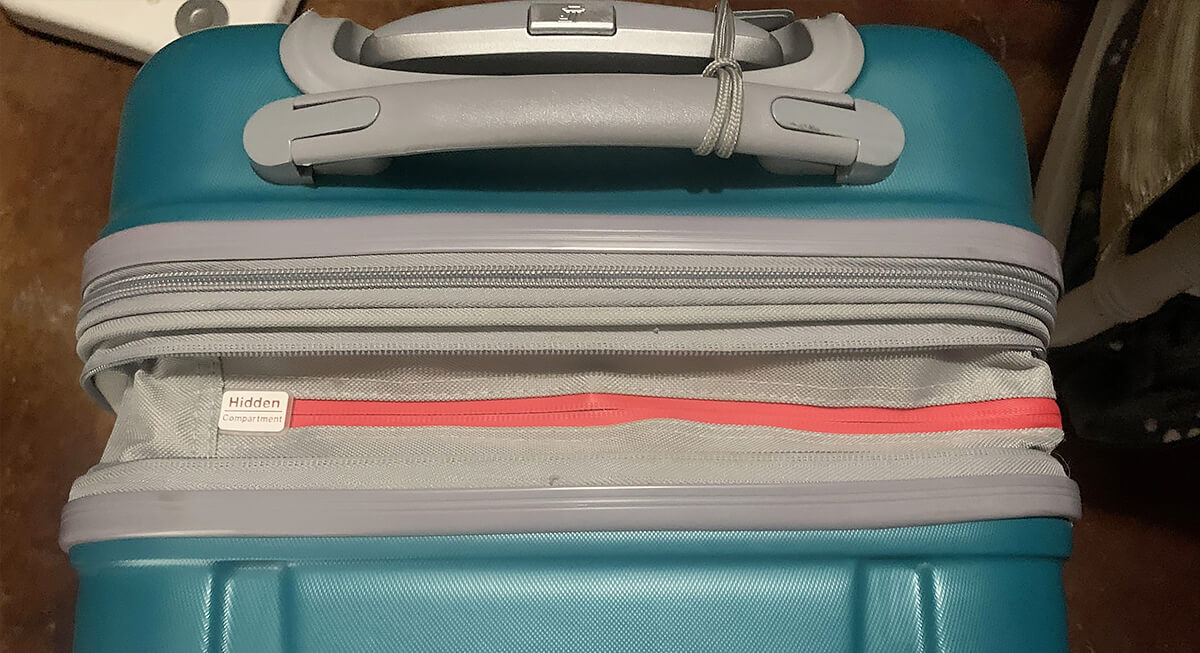
Hidden Compartments
Credit: Reddit
Although they might feel like a smart travel move, scanners treat hidden compartments as suspicious shapes that don’t match your body outline. Money belts and concealed pouches are clearly visible on advanced imaging scans, which must be resolved before clearing the passenger. Keeping valuables in your carry-on and putting them on after security saves time.
Coats And Jackets

Credit: Getty Images
TSA checkpoint procedures require passengers to remove outerwear, such as coats and jackets, before entering the scanner. Those items must be placed in bins for X-ray screening with carry-on bags. Holding your outerwear instead of wearing it through the line keeps things moving. Less unpacking, less repacking, and fewer chances to get stuck.