Airlines Are Saving Millions on Fuel Because Passengers Are Losing Weight on Ozempic
Airlines treat weight like an enemy hiding everywhere. For decades, carriers trimmed ounces wherever possible, paper stock got thinner, seat frames lost bulk, and in-flight magazines vanished. Even salad olives lost their pits. Each change sounded minor, but together they helped manage fuel burn, which remains the single largest operating expense.
What airlines never controlled was passenger weight. Average body assumptions came baked into planning models, set by aviation authorities and updated slowly. Fuel loads reflected those averages, plus luggage and cargo. Every extra pound was important, yet it remained outside the airline’s reach. That limitation explains why analysts perked up once weight-loss drugs moved beyond niche use and into mainstream conversation.
Why GLP-1 Drugs Changed the Math

Image via Wikimedia Commons/무난러
GLP-1 medications such as Ozempic and Wegovy gained traction quickly. Initially tied to diabetes care, they moved into weight management at scale. Usage expanded again once pill versions gained approval late in 2025, removing the barrier many people felt around injections.
Jefferies analysts examined what happens if society becomes lighter. Their model used a simple premise: a 10 percent drop in average passenger weight does not translate into a 10 percent lighter aircraft, since people account for only part of the total mass. Still, even that modest shift created meaningful results.
Passenger weight falling by roughly 2 percent led to fuel savings of nearly 1.5 percent. That figure sounds small until airline fuel budgets enter the picture. The four largest United States carriers plan to spend about $38.6 billion on jet fuel this year. A 1.5 percent reduction trims close to $580 million without changing routes, schedules, or service.
The Aircraft Example That Made It Click
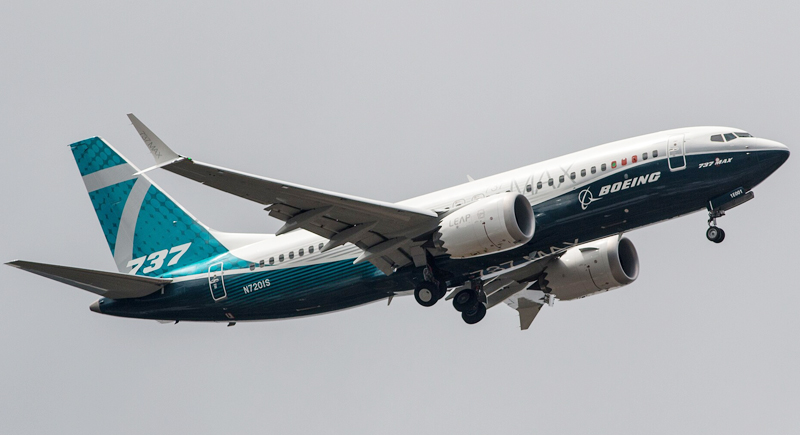
Image via Wikimedia Commons/Steve Lynes
Jefferies used a Boeing 737 Max 8 to illustrate the point. Empty, the plane weighs about 99,000 pounds and carries up to 46,000 pounds of fuel. Add 178 passengers averaging 180 pounds each, plus luggage and cargo, and takeoff weight lands near 181,200 pounds.
Lower the average passenger weight by 10 percent, and the math changes. Total weight drops to roughly 178,000 pounds, and that difference alone changes fuel needs across thousands of flights. Multiply those savings across fleets, months, and years, and the effect stops being theoretical.
Why Airlines Did Nothing to Cause This
No airline planned this outcome. Carriers did not promote medications, adjust marketing, or rewrite policies. The savings arrived passively, which makes them appealing. Unlike seat densification or baggage fees, no passenger experiences discomfort or backlash tied to this change.
Analysts also note an important caveat. Their estimates exclude lost snack and beverage sales, which could dip if appetite suppression is carried out. Even accounting for that, fuel savings dwarf ancillary losses. Airlines rarely see cost reductions arrive without tradeoffs, making this one very noticeable.
Obesity rates among United States adults already show a multi-year decline, and reported GLP-1 use doubled. Pill-based options widen access further. Airlines plan fuel purchases years ahead, so even gradual shifts influence forecasts.