10 U.S. Cities Where Air Conditioning is Practically Non-Existent
Summer isn’t what it used to be in some U.S. cities. Once known for mild, manageable heat, they’re now sweating through record-breaking temperatures and without much help from air conditioning. Some skipped installing AC altogether, thinking they’d never need it. Others are only now catching up. Here’s where staying cool still mostly means opening a window, not flipping a switch.
Seattle, Washington
Credit: Getty Images
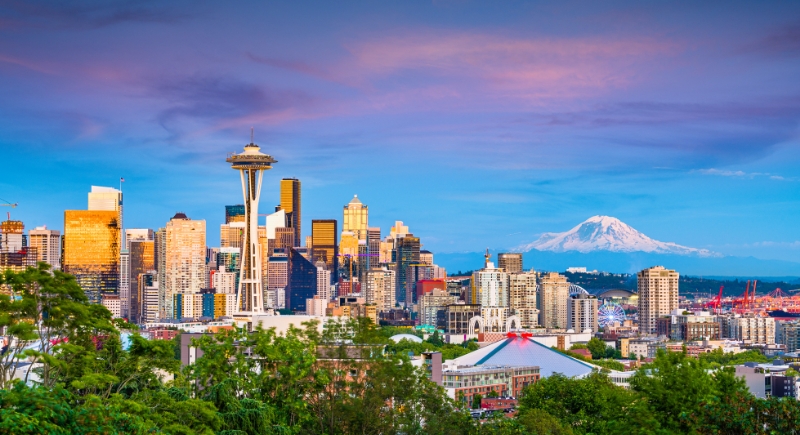
More than half of the households in Seattle—around 55.7%—don’t have air conditioning, according to Census Bureau data. Historically cool summers made it feel unnecessary, but recent heat waves, including a 108°F scorcher in 2021, have shifted public opinion. Sales of portable units have spiked, but central air still isn’t the norm across the metro.
San Francisco, California

Credit: Canva
Even with million-dollar homes and tech wealth everywhere, AC in San Francisco remains rare. Coastal fog and a historically stable climate lulled the city into skipping cooling systems. However, rising temperatures and wildfire smoke have made it harder to rely on just cracked windows and ceiling fans to stay comfortable indoors.
Portland, Oregon
Credit: Getty Images
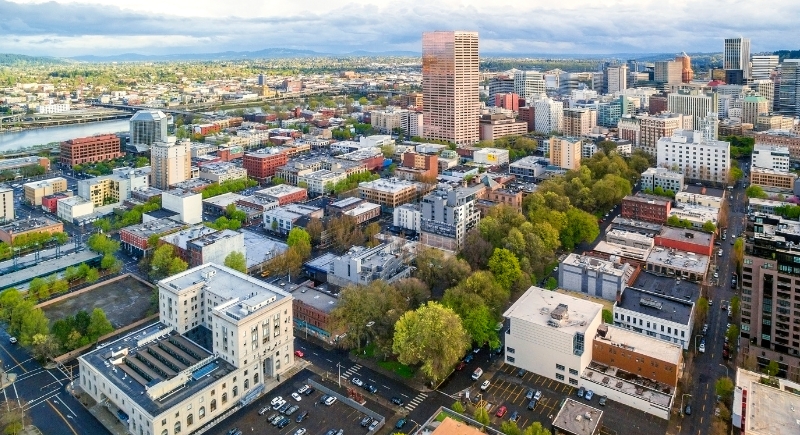
Portland didn’t worry much about AC until record-breaking 116°F highs hit in 2021. Still, over 21% of households in the area lack air conditioning. Many homes were built in decades when insulation mattered more than cooling. The city has responded by adding cooling centers and urging residents to prepare for hotter summers ahead.
Boston, Massachusetts
Credit: Getty Images
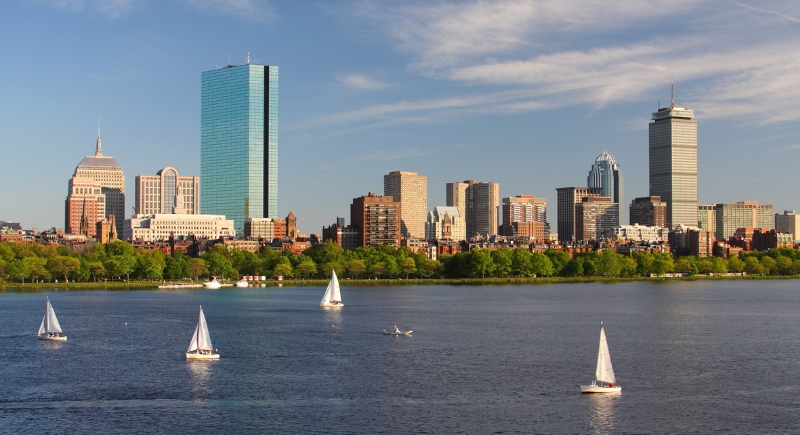
New England weather is full of surprises, but many Boston homes were built before modern HVAC systems were standard. About 9% of households in the Boston-Cambridge metro lack air conditioning, according to federal data. Older brownstones and triple-deckers weren’t designed for it, and retrofitting can be costly.
New York City, New York
Credit: Getty Images
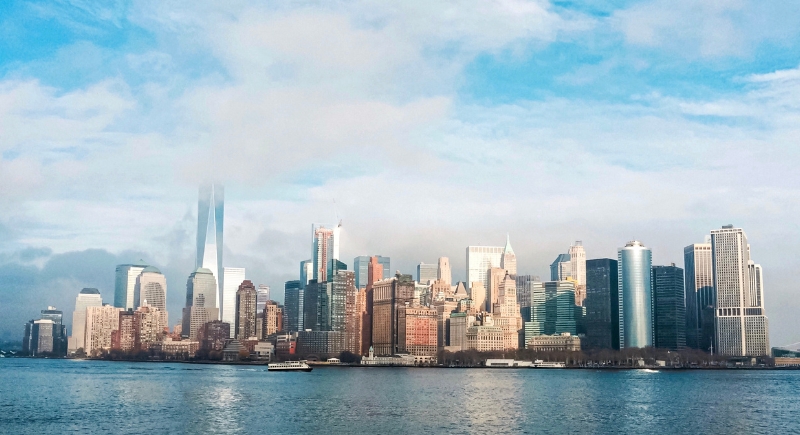
With nearly 600,000 households lacking AC, New York’s numbers are high both in percentage and in total volume. Rent-controlled apartments and aging infrastructure contribute to the problem. Heat waves push the city to open cooling centers in libraries and schools. For many, window units are the only option.
Denver, Colorado
Credit: Getty Images
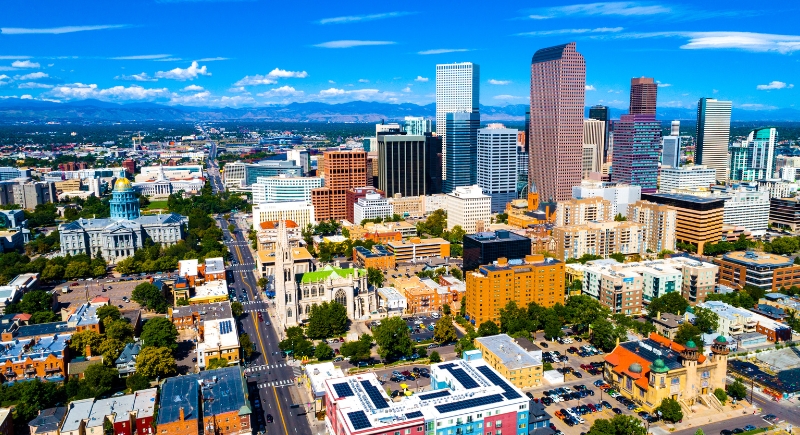
Its reputation for crisp, dry mountain air helped Denver avoid widespread air conditioning for decades. But with nearly 15% of households still without it, the city is slowly rethinking that choice. Homes built before the 1990s often skipped AC installations entirely.
Cleveland, Ohio
Credit: Getty Images
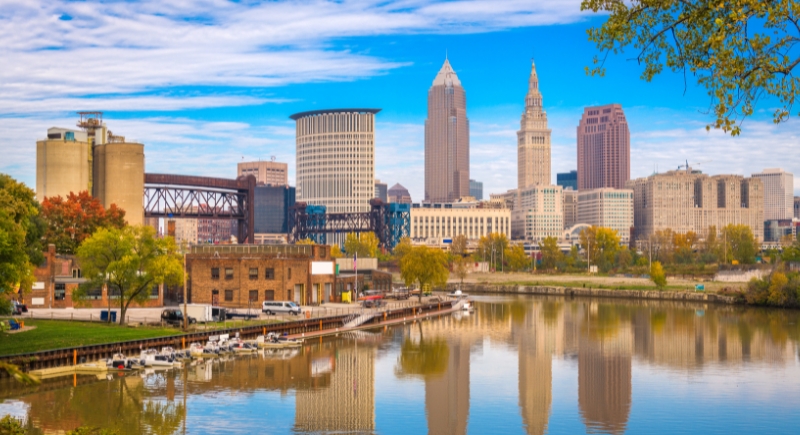
Cleveland’s older homes often prioritize furnaces over AC units. That’s a legacy of colder climates and cheaper construction costs. Today, over 9% of households still don’t have air conditioning. Many rely on basement living spaces or fans during heat waves. Energy assistance programs have started targeting the area with cooling upgrades.
Los Angeles, California
Credit: Getty Images
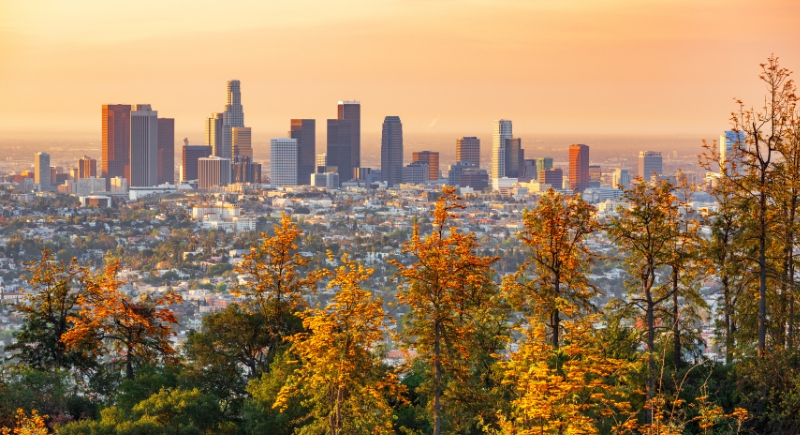
About 19% of households lack air conditioning in the LA metro area. That’s hundreds of thousands of residents navigating triple-digit days without a cooling system. Many of these homes were built in cooler coastal neighborhoods where central air once felt unnecessary and expensive to retrofit later.
Pittsburgh, Pennsylvania
Credit: Getty Images
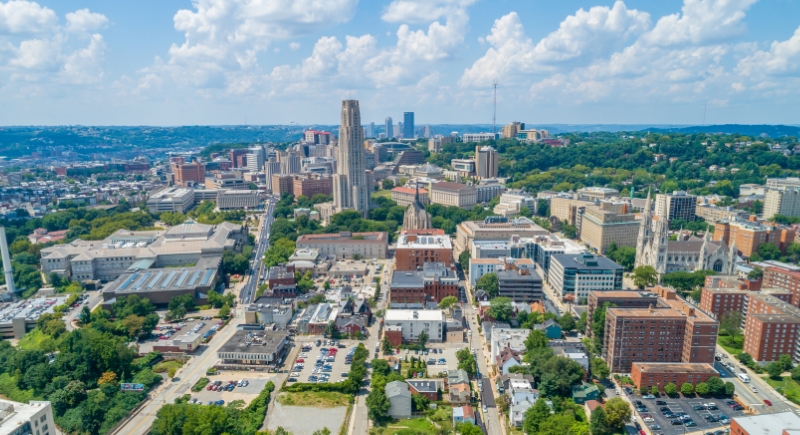
In Pittsburgh, around 6.2% of households don’t have air conditioning. The city’s hilly terrain and older architecture helped regulate indoor temperatures naturally for years. But climate patterns have shifted, and summer highs now test the limits of that insulation.
Chicago, Illinois
Credit: Getty Images
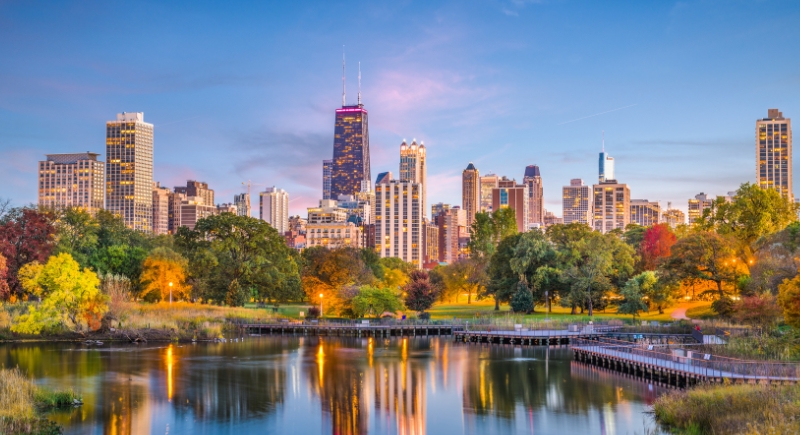
Despite harsh winters, Chicago’s summers can be brutal. And yet, nearly 4% of households in the metro still don’t have AC. Apartment buildings from the early 20th century often skipped central cooling, banking on Lake Michigan breezes instead. The city now includes AC access in its public housing policies and promotes local cooling centers during heat waves.