Top 10 Major African Cities With the Lowest Cost of Living in 2025
Africa’s economic centers continue to shift in pace and price, and a few major cities stand out for offering an affordable lifestyle in 2025. While many urban hubs across the continent are becoming increasingly expensive, these places have managed to keep costs manageable without compromising access to services or opportunities. If lower rent, cheaper groceries, and budget-friendly transport sound appealing, this list might surprise you.
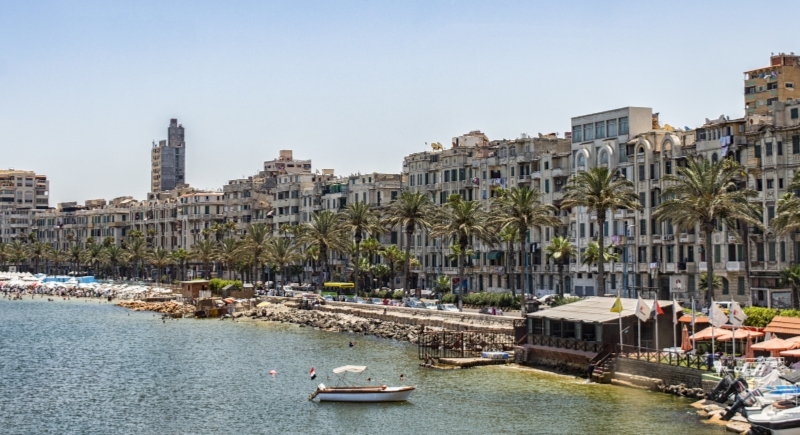
Alexandria, Egypt
Credit: Wikimedia Commons
The city topped several affordability rankings this year, including a Numbeo cost of living index under 18. That’s lower than most places in North Africa. Daily expenses, from bread to bus fare, run well below global averages. Alexandria also benefits from cheap local produce and a growing number of co-living spaces that make rent more manageable.
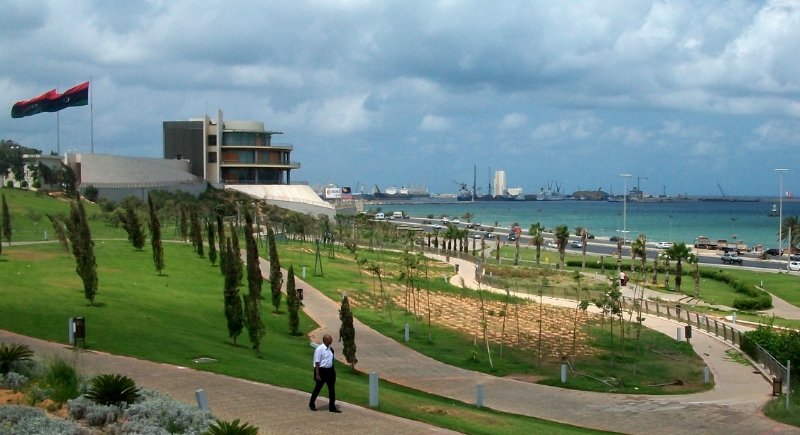
Tripoli, Libya
Credit: Wikimedia Commons
Despite its political complexities, Tripoli remains one of the most affordable capitals in Africa in terms of daily expenses. Housing costs are significantly lower than in many other North African cities, and public transportation fares remain low due to fuel subsidies.
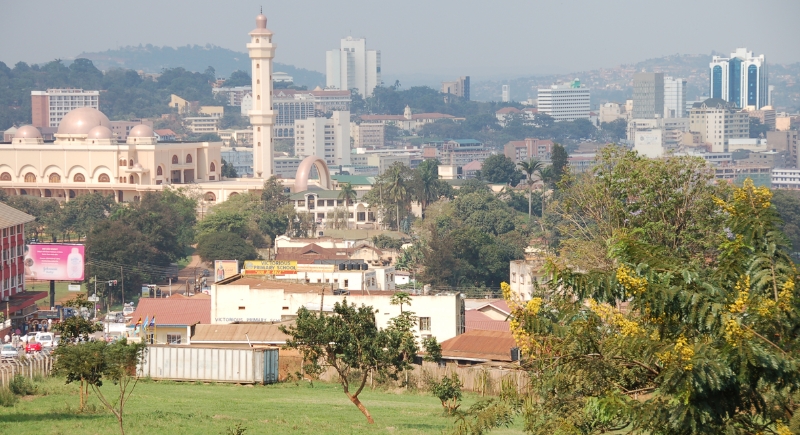
Kampala, Uganda
Credit: Wikimedia Commons
Uganda’s capital maintains an affordable atmosphere without feeling underdeveloped. Kampala’s cost-friendly public minibuses, known as matatus, offer an efficient way to get around. Recent reports show steady housing costs despite urban growth. Many residents find it easier to save here than in other East African cities with similar population sizes.
Cairo, Egypt

Credit: Wikimedia Commons
A 2025 Numbeo index ranked Cairo as one of the top 20 most affordable cities, thanks to low food prices and widespread public transportation. The city’s metro system moves millions daily for pocket change. While rent varies by district, shared housing and older apartment buildings provide numerous affordable options. Cairo’s street food culture also means dining out doesn’t require a special occasion.
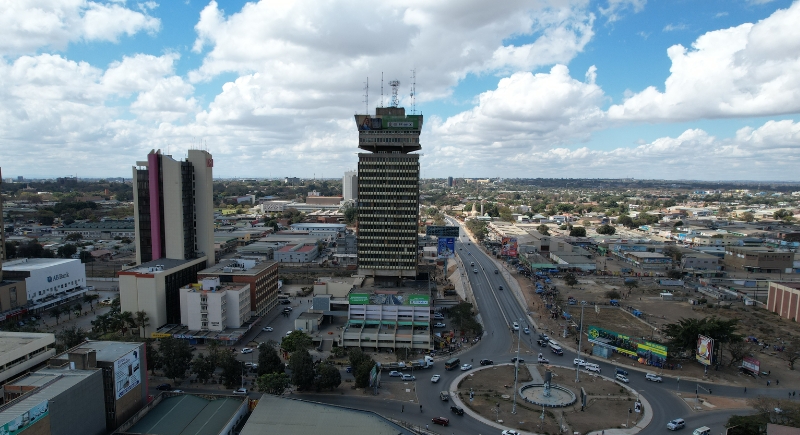
Lusaka, Zambia
Credit: Wikimedia Commons
Zambia’s capital continues to draw attention for staying affordable even as costs rise in other southern African cities. Housing remains reasonably priced, and commuting expenses are kept manageable through the widespread use of minibuses. Many households rely on prepaid electricity, which helps keep monthly spending predictable and easier to manage.
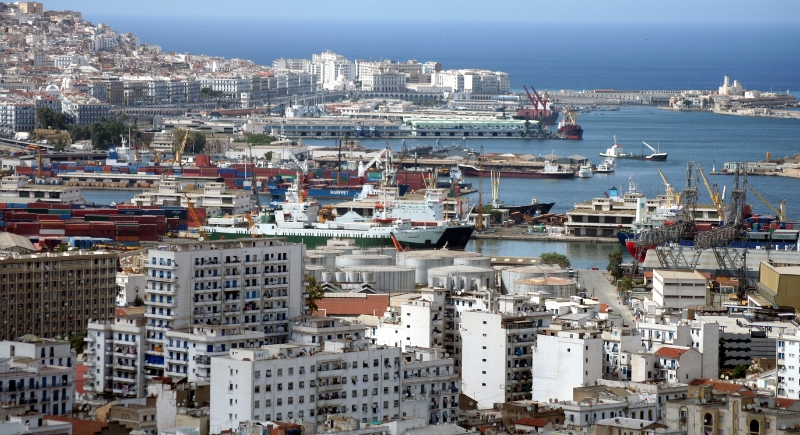
Algiers, Algeria
Credit: Wikimedia Commons
Algiers has a rare mix of coastal life and economic stability. Public transport costs are kept low through government policy, and many residents still rely on shared taxis for short trips. The city’s housing prices, though rising slightly in 2025, remain within reach, especially in the suburbs.
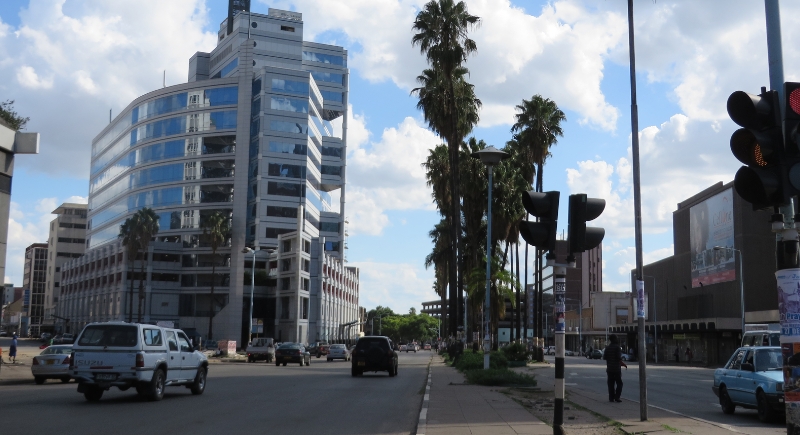
Harare, Zimbabwe
Credit: Wikimedia Commons
Harare’s economic situation remains complex, yet the city still ranks among Africa’s most affordable for basic living. Informal markets dominate daily commerce and even offer better prices than official outlets. Public minibuses, commonly referred to as kombis, provide widespread and affordable transportation. Rent is variable, but many residents opt for multi-family homes to reduce their costs.
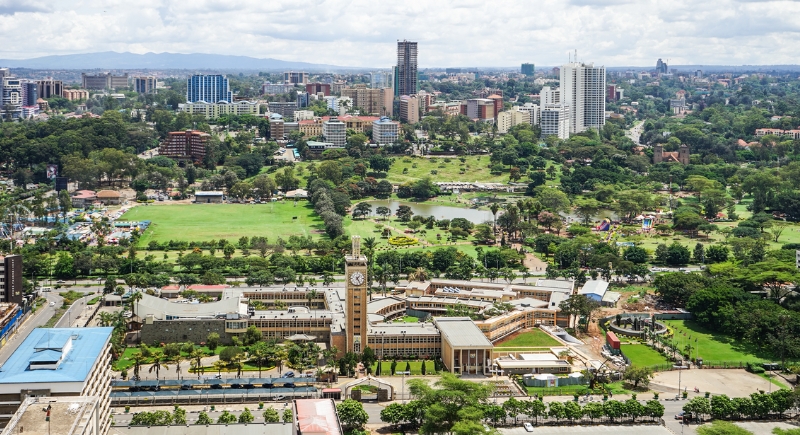
Nairobi, Kenya
Credit: Wikimedia Commons
While specific neighborhoods in Nairobi require higher rents, many areas still offer reasonably priced housing and food options. Public transportation, especially matatus, plays a crucial role in making daily commuting costs affordable in a rapidly expanding city.
Casablanca, Morocco

Credit: Getty Images
Casablanca offers a comparatively moderate cost of living by North African standards, particularly outside the city center. Housing prices remain manageable in many districts, and public transportation, including trams and buses, is widely used and affordable. Local markets and domestic food production help keep everyday expenses within reach.
Johannesburg, South Africa

Credit: Canva
Johannesburg is one of Africa’s largest economic hubs, with living costs that vary widely depending on location. While central and high-demand areas can be expensive, many outer neighborhoods offer more affordable housing options. Public transport and ride-hailing services help manage commuting expenses.