10 Abandoned Ghost Towns Built Specifically for the Wealthy Elite
There’s been a pattern throughout history where entire communities are built as playgrounds for the rich, then left behind once circumstances shift. These places were never meant to last forever, yet many still stand in partial form.
Here are 10 ghost towns and luxury enclaves that once catered to elite lifestyles but have since slipped into abandonment.
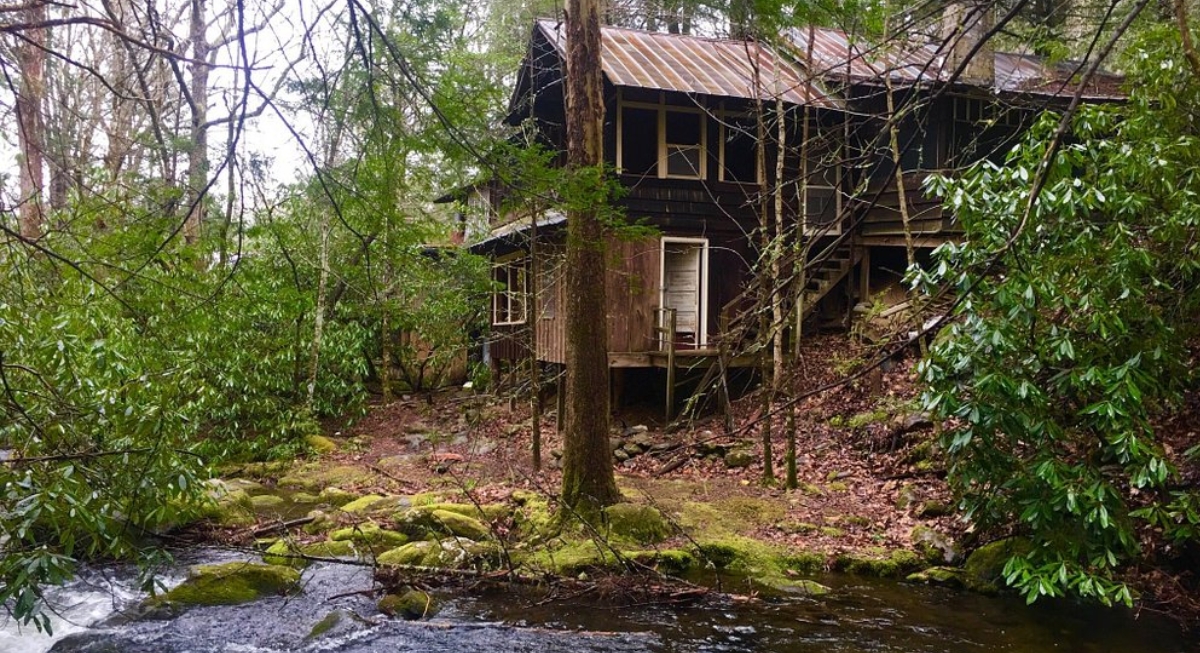
Elkmont, Tennessee, USA
Credit: Tripadvisor
Inside the Great Smoky Mountains, Elkmont began as a logging hub before turning into a summer retreat for Knoxville’s wealthiest families. A train line made it easy to access, and private clubs hosted social gatherings. When the national park was formed in the 1930s, owners sold their cabins. By the 1990s, leases expired and the area emptied.
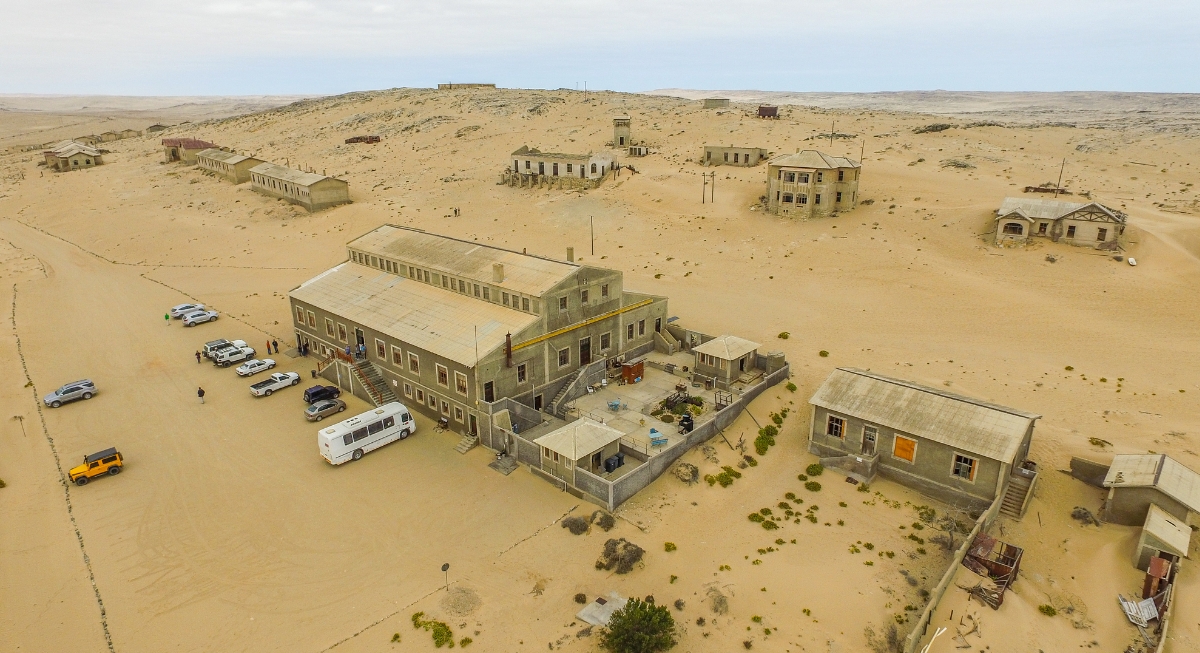
Kolmanskop, Namibia
Credit: Wikimedia Commons
In the early 1900s, Kolmanskop rose quickly as a diamond boomtown filled with German elites. Residents enjoyed ballrooms, ice factories, and even a hospital with advanced equipment. As diamond supplies dwindled, attention shifted elsewhere. By the 1950s, the town sat empty. Sand gradually pushed through doors and windows, burying interiors.
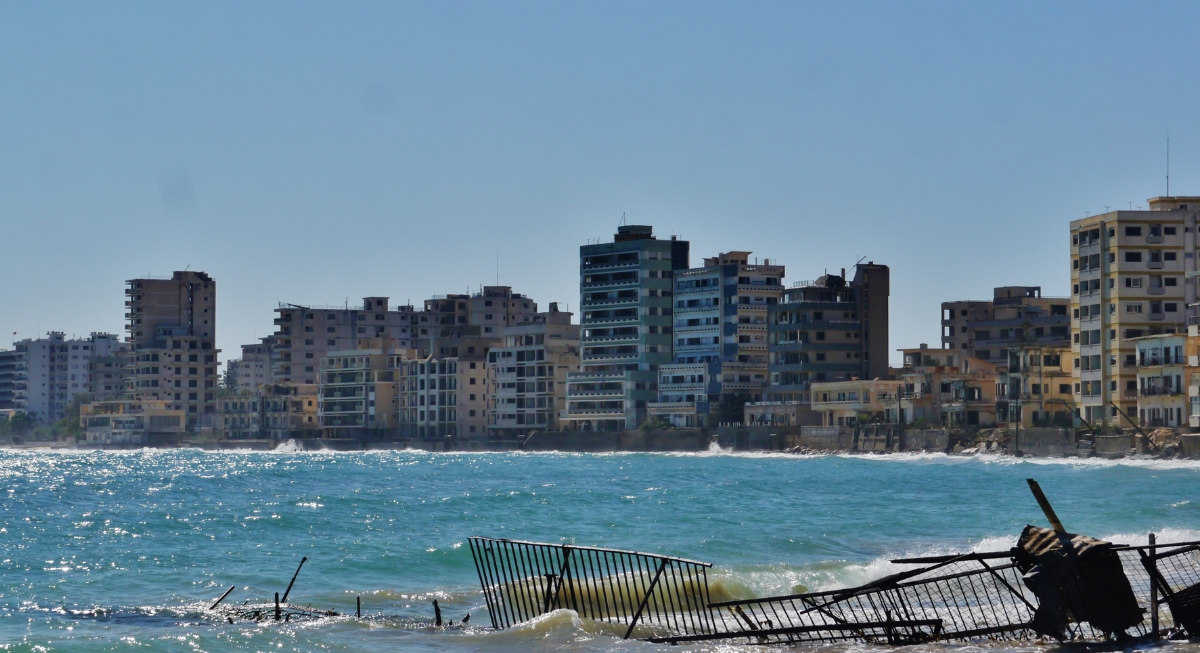
Varosha, Cyprus
Credit: Wikimedia Commons
Varosha once drew celebrities and wealthy tourists to its beachfront hotels in the 1960s and early 1970s. High-rise resorts lined the coast, and luxury shops catered to international visitors. In 1974, conflict forced residents to leave abruptly. Buildings remained sealed for decades under military control. Recent partial reopenings have sparked renewed interest, though large sections remain untouched.
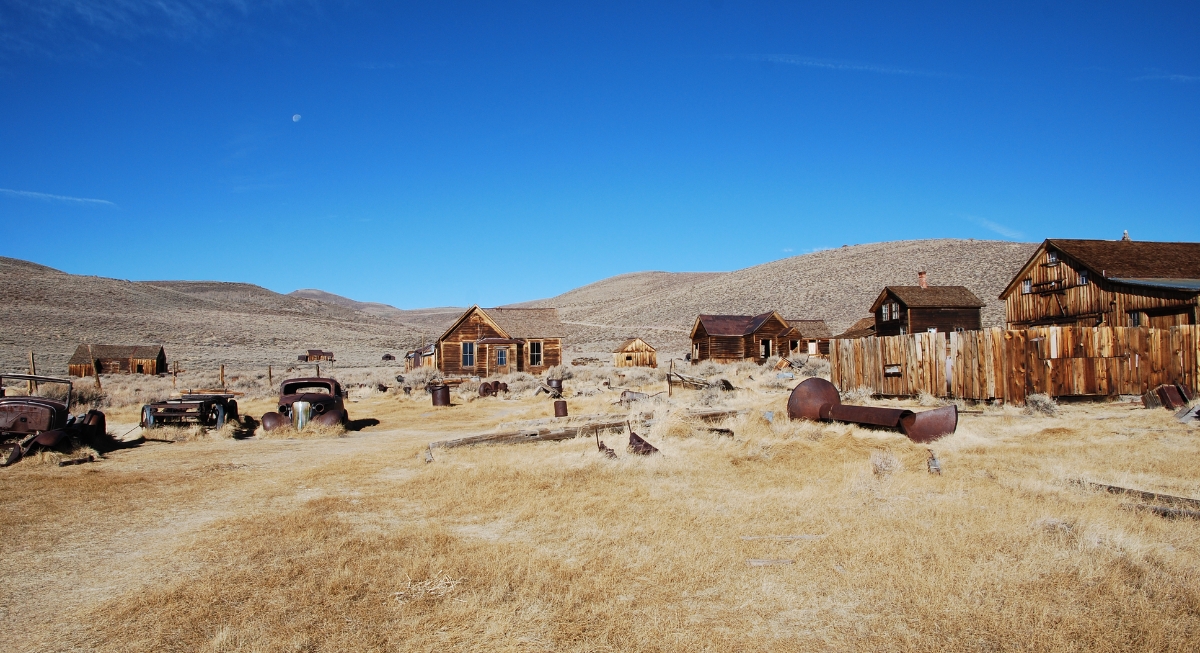
Bodie, California, USA
Credit: Wikimedia Commons
Gold transformed Bodie into a thriving town filled with opportunity seekers and entrepreneurs. As wealth poured in, amenities expanded to include hotels and entertainment venues that catered to the rich. When gold supplies ran thin, people moved on quickly. Fires destroyed much of the town.
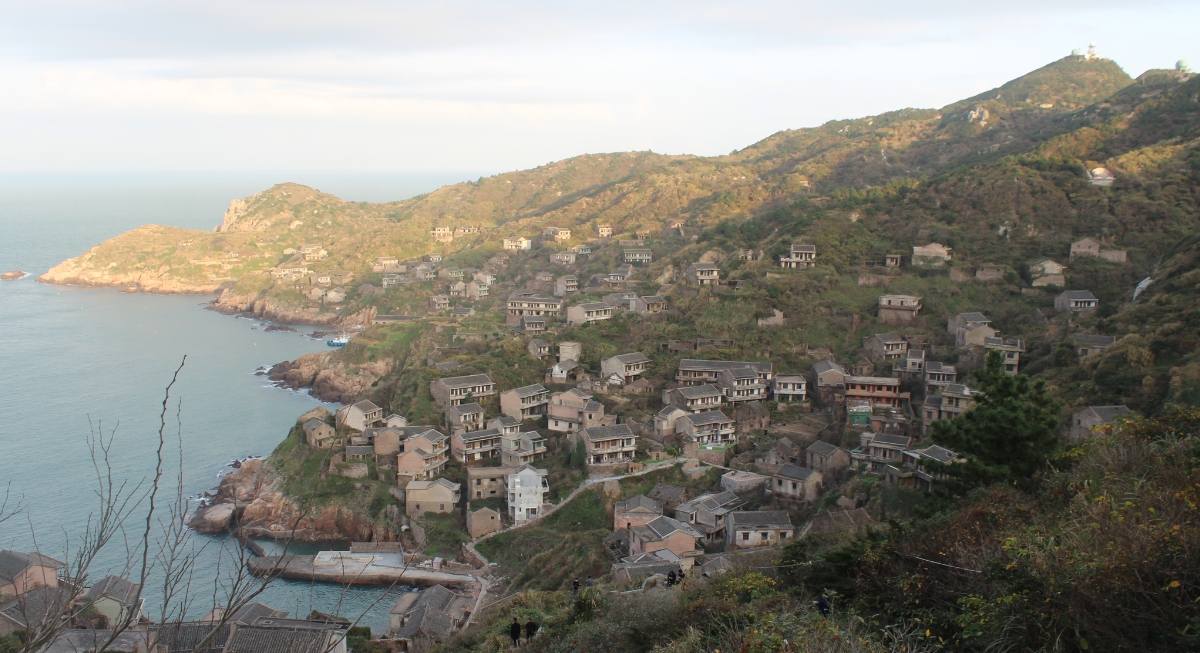
Houtouwan, Shengshan Island, China
Credit: Wikimedia Commons
Built in the 1950s, Houtouwan became home to a busy fishing community that supported local prosperity. Over time, limited access to education and jobs led residents to relocate to mainland China. The village was emptied by the early 2000s. Nature took over at a steady pace. Vines now cover entire buildings.
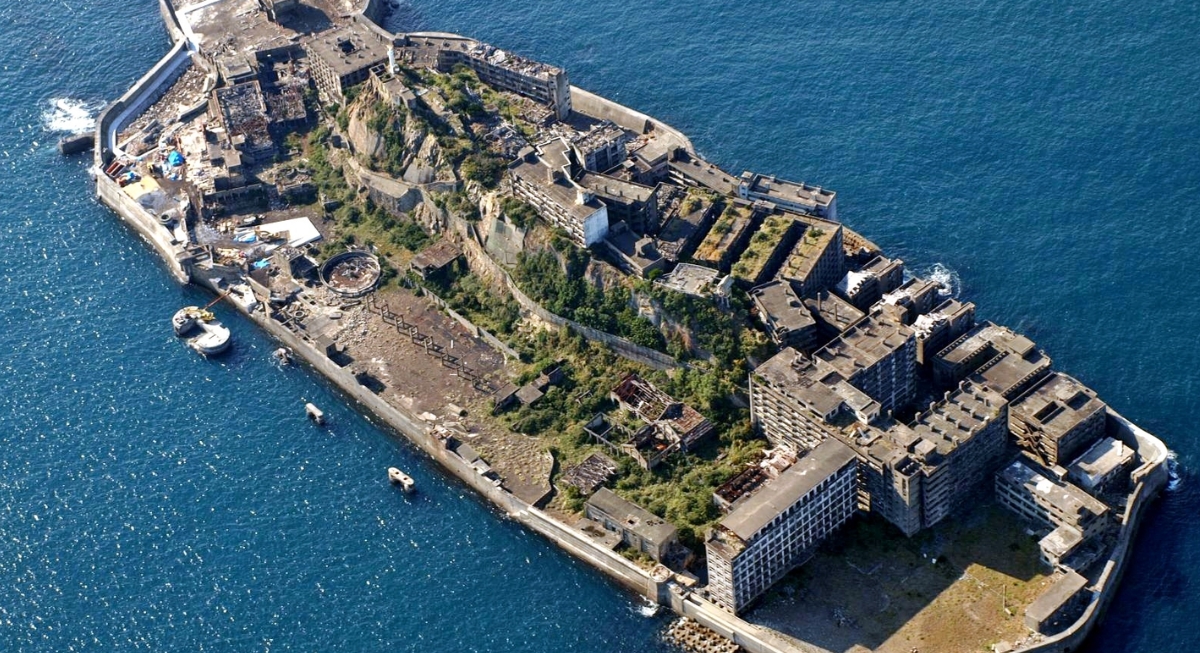
Hashima Island, Japan
Credit: Wikimedia Commons
Hashima Island served as a densely populated residential complex for coal mining executives and workers. At its peak, it held thousands of residents within concrete apartment blocks surrounded by seawalls. As Japan shifted away from coal in the 1970s, the mine closed. Residents left within weeks. The island remained off-limits for years.
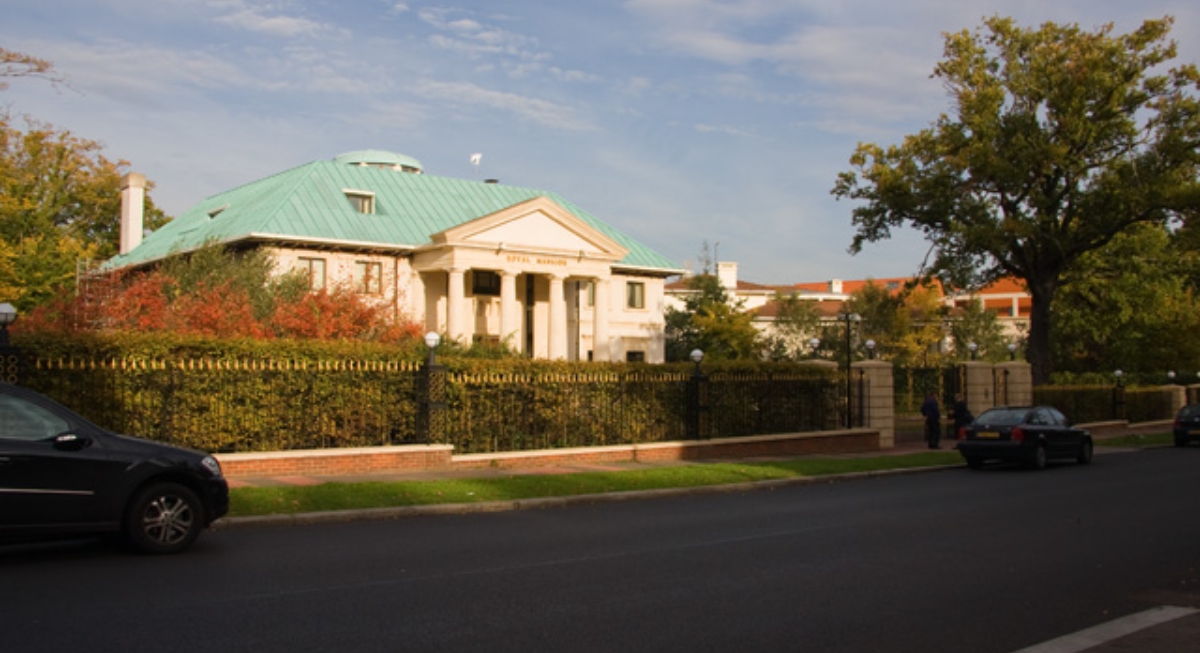
The Bishops Avenue, London, UK
Credit: Wikimedia Commons
Often called “Billionaires’ Row,” this London street became known for its grand mansions owned by international elites. Many properties were purchased as investments. Inside, expensive materials aged without maintenance. The contrast between wealth and neglect sparked debate about housing inequality.
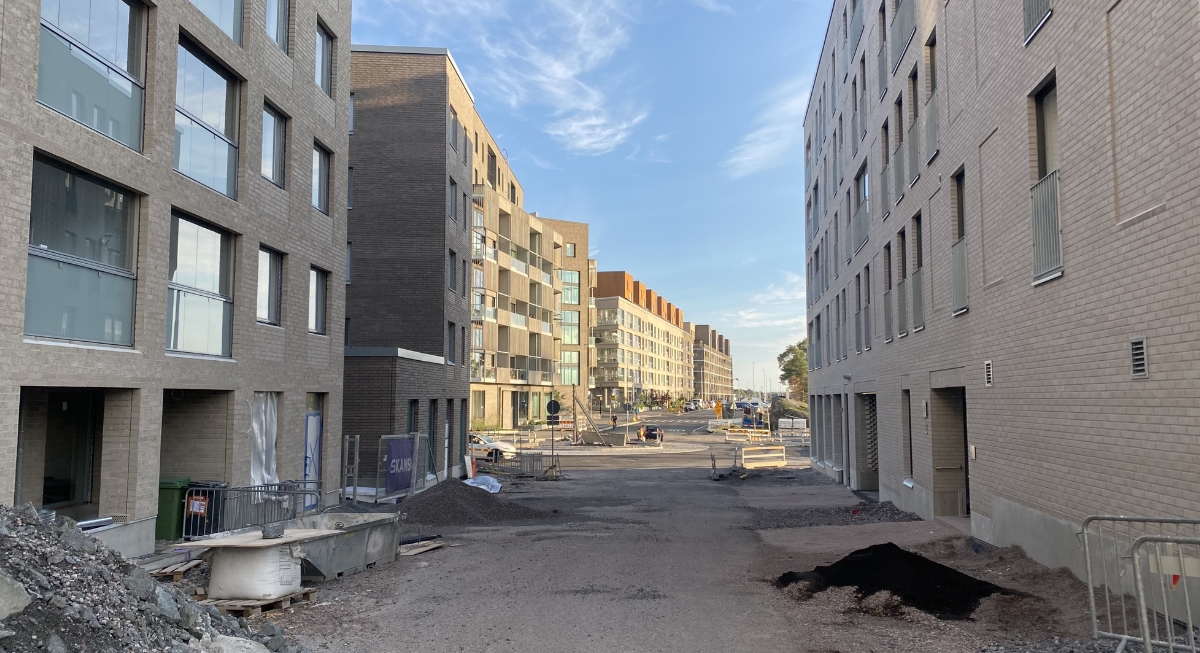
Kruunuvuori, Helsinki, Finland
Credit: Wikimedia Commons
Kruunuvuori developed as a seaside retreat for Helsinki’s upper class, filled with villas and summer homes. Economic changes after WWII made maintaining these properties less practical. Owners left, and the area was never fully repopulated. Forest growth slowly overtook the buildings.
Craco, Italy
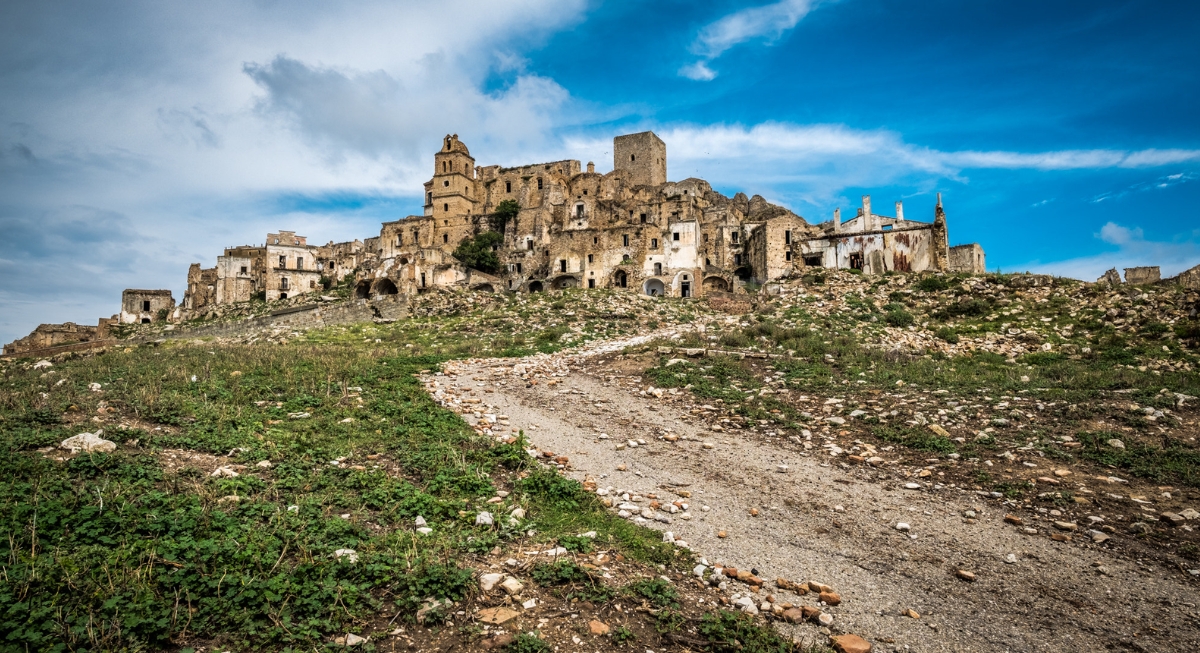
Credit: Wikimedia Commons
On a hill in southern Italy, Craco attracted wealthy families and scholars during its peak, complete with a university and established civic life. Geological instability changed its future. Landslides in the 1960s forced evacuations, followed by flooding and earthquakes. Film crews now use its dramatic setting.
Silverton, New South Wales, Australia
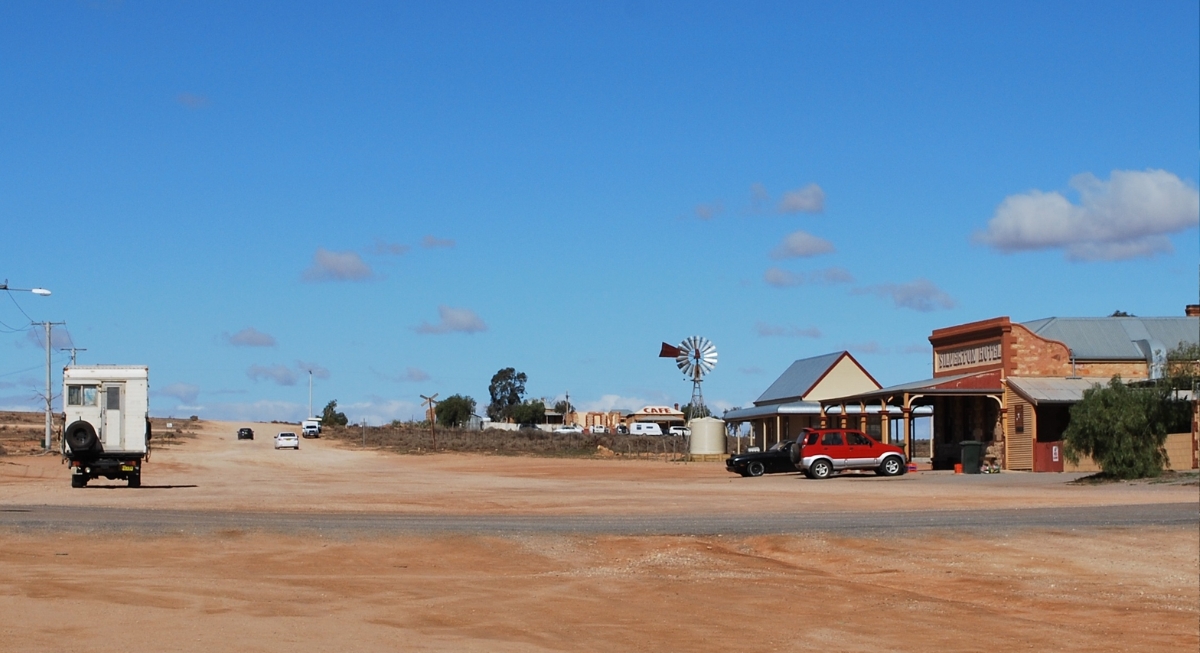
Credit: Wikimedia Commons
Silverton grew rapidly during a silver mining boom that drew investors and entrepreneurs seeking fortune. Elegant buildings and community spaces followed as wealth flowed in. Once high-quality ore ran out, mining activity declined. Most residents relocated in search of new opportunities. A small population remains today, maintaining parts of the town. Artists have also adopted the area.