5 Travel Upgrades to Avoid This Year
Travel companies have mastered the art of selling comfort in small, expensive pieces. During booking, check-in, or even at the gate, travelers are offered a steady stream of upgrades promising smoother flights, better hotel stays, and more convenient sightseeing. The usual pitch is to spend a little more, and the trip will feel easier.
In reality, many of these upgrades barely change the experience. Airlines, hotels, cruise lines, and tour operators rely heavily on these add-ons because they generate high profit margins. Travelers may accept them quickly while rushing through a booking screen or standing in line at an airport. They end up with a trip that costs far more than expected while delivering almost the same experience. Knowing which upgrades rarely deliver real value can save a surprising amount of money.
Priority Boarding
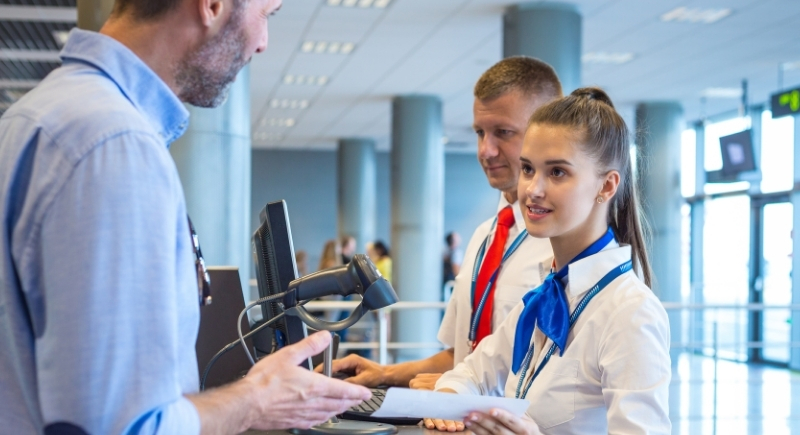
Image via Getty Images/izusek
Priority boarding sounds appealing because it promises a smoother start to a flight, but it often changes very little. Passengers who pay for early boarding simply get onto the plane sooner and spend more time sitting.
The flight still departs at the same time, and the arrival time remains the same. Many airlines also board premium cabins, families with children, and elite-status passengers before paid priority groups, further reducing the advantage.
Overhead bin space is the one situation where priority boarding can help, but even that benefit is inconsistent. On busy flights, bins fill quickly regardless of boarding group. For most travelers, paying extra to board earlier simply means sitting in a cramped seat longer than everyone else.
Seat Upgrades on Short Flights
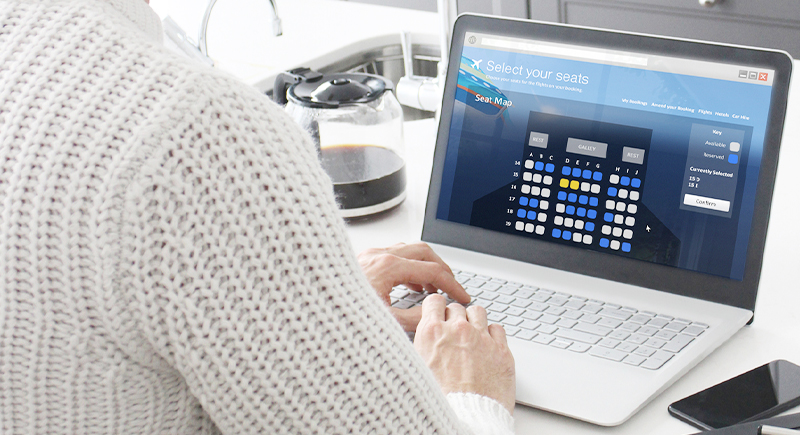
Image via iStockphoto/glegorly
Airlines have become extremely effective at selling seat upgrades. Some are marketed as “preferred seats,” while others promise extra comfort closer to the front of the cabin. The problem is that many of these seats are identical to standard economy seats.
Preferred seats often have the same width and legroom as the rest of the cabin. The only difference may be leaving the aircraft a few rows earlier after landing. On flights that last one or two hours, that advantage rarely matters.
Even larger upgrades can quickly become expensive. Business-class seats on some routes cost several times more than economy tickets. That difference might be worth it for some travelers on long international flights. On short routes, the time in the seat is so limited that the extra cost rarely makes sense.
Airport Lounge Access
Airport lounges are marketed as peaceful escapes from crowded terminals. Comfortable chairs, food, drinks, and quiet spaces make them sound like a luxury worth paying for.
But annual lounge memberships can cost hundreds of dollars, with some airline programs charging between about $695 and $850 per year. Even one-time passes can be expensive, especially when travelers only spend an hour or two inside.
Lounges can also become crowded during peak travel periods. Limited seating, basic buffet food, and long lines for drinks can make the experience feel far less exclusive than advertised. Buying a meal in the terminal often costs less and provides nearly the same level of comfort, especially if your flight requires only a short wait.
Hotel Room View Upgrades
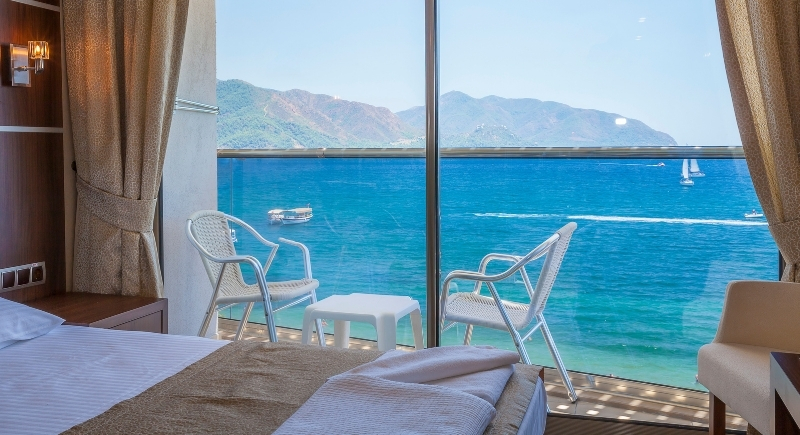
Image via Getty Images/denizunlusu
Unless the upgrade includes significantly more space or a private balcony, the difference between standard rooms and view rooms or higher floor rooms is often smaller than expected.
Hotels frequently advertise view upgrades with images of sweeping city skylines, ocean sunsets, or scenic landscapes, yet in practice, travelers may spend very little time in their hotel rooms during the hours when those views are visible. Many guests are out exploring during the day and return to their rooms late in the evening.
Higher floors also do not guarantee a better stay. Noise from hallways, elevators, and mechanical systems can still disturb sleep. In some hotels, higher floors simply mean longer elevator waits during busy periods like breakfast or check-out times.
Cruise Beverage Packages
Cruise lines often promote unlimited drink packages as a convenient way to enjoy cocktails, wine, and specialty beverages throughout the trip. The concept sounds appealing because it removes the need to think about prices during the cruise.
The math behind these packages can be surprisingly difficult to justify. Many cruise drink plans require passengers to consume a large number of drinks each day to break even. Guests who prefer a few drinks with dinner or an occasional cocktail in the evening often spend less by paying individually.
Port days can reduce the value even further because travelers spend many hours off the ship. Some packages also exclude premium drinks, bottled water, or specialty coffee unless passengers upgrade to more expensive tiers.