
From food storage to species-specific encounter planning, these are the routines I use before and during remote heritage visits.
Food smells: the problem starts before you see an animal
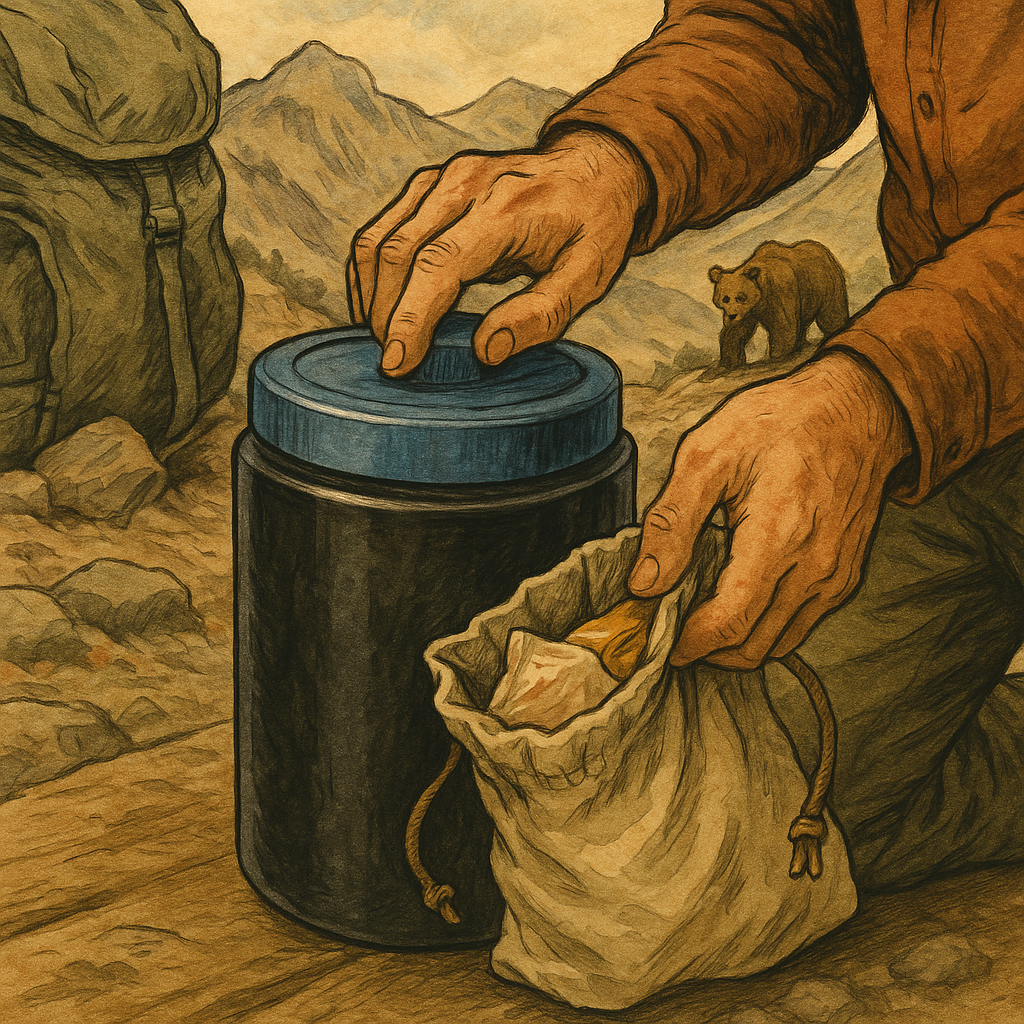
If I have one rule for remote heritage sites, it's this: I treat food odor like a campfire ember. Tiny, invisible, and it travels. I learned that the hard way on a windy saddle above an old mining cabin where we ate lunch with our packs open and thought nothing of it. Ten minutes later, we had a curious visitor pacing below the talus, not aggressive, just locked in on the smell. That was enough for me.
Now I run a smell protocol that starts in the parking pullout. Anything scented goes into the approved storage method required for that location, such as a certified bear-resistant canister, food locker, or properly hung bear bag where hanging is permitted. Not just snacks. Lip balm, toothpaste tabs, trail mix dust at the bottom of a pouch, trash, sunscreen, and even the wrapper you plan to reuse. If it has a smell, it counts. I keep a dedicated "stink kit" stuff sack, so I'm not playing scavenger hunt at dusk.
At camp, I set up a clean triangle on day one: sleeping area, cooking area, and food storage, each separated by real distance, not ten lazy steps. Cooking stays boring and contained. No wandering around with a jerky stick in hand while I admire petroglyphs. After dinner, I wipe my hands and face with unscented wipes, pack out every crumb, and do a quick ground scan with a headlamp for dropped noodles and micro-trash. It takes three minutes. It also keeps animals from learning that humans equal calories, which is the whole point.
If you're visiting heritage spots where human history is the draw, this is how you keep the place feeling wild while you pass through. The rock art doesn't need a side show, and neither do you.
When something big is on the trail, I get boring and predictable
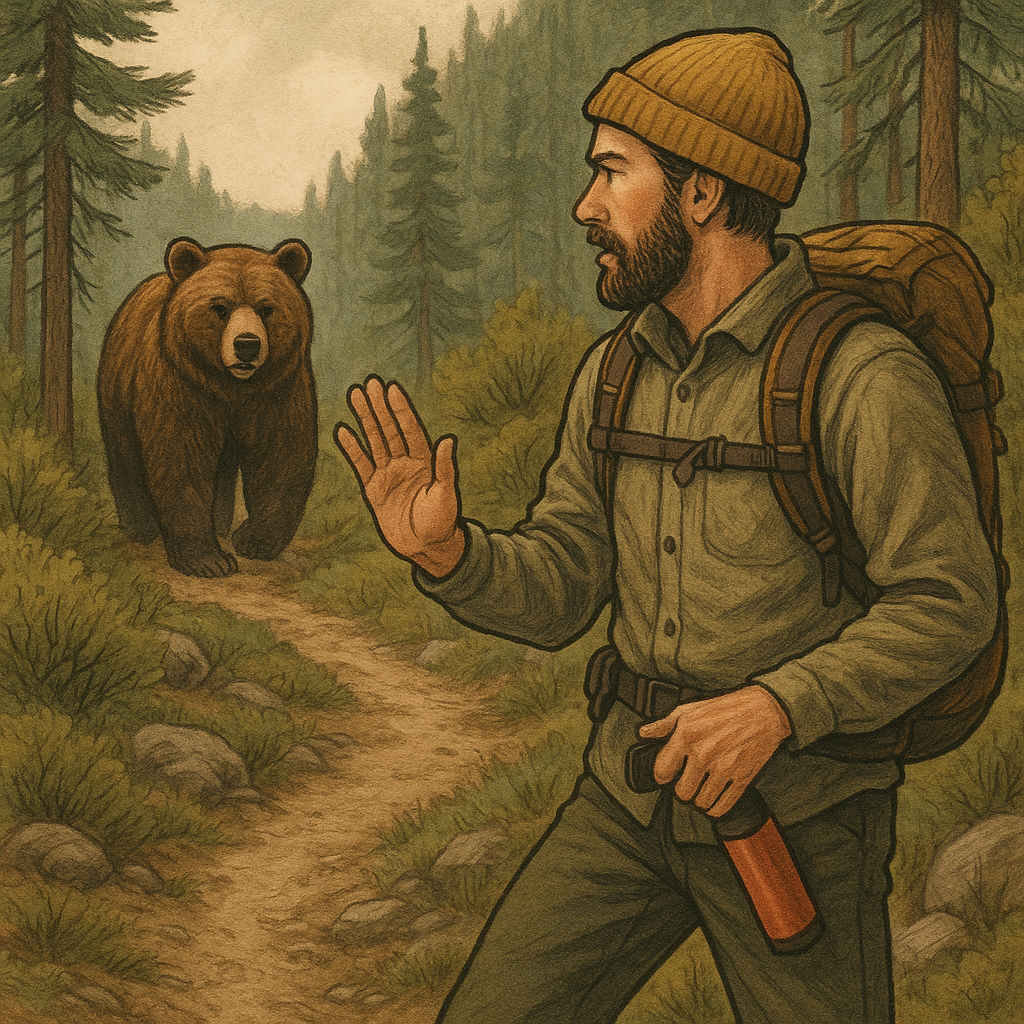
People love to ask, "What do you do if you see a bear?" or swap mountain lion lore like it's trading baseball cards. Out on a long approach to a ruin or a historic lookout, I try to take the drama out of it. Drama makes you move fast. Fast makes you trip, drop a pack, or do something loud and dumb.
My first response is to stop, avoid running, give the animal space, and identify the species before choosing what to do next. I follow current guidance for that animal and location because the correct response to a bear may differ from that to a mountain lion, moose, or bison. When local guidance recommends speaking calmly and creating distance, I use a steady voice and move away without sudden movements. I do not shout, clap, approach, or assume the same response is appropriate for every species.
If I'm with a partner, we stay together unless official guidance for that species says otherwise. We avoid splitting up, approaching the animal, or trying to squeeze past it. Where bear spray is legally permitted and officially recommended, I keep it readily accessible and follow the manufacturer’s safety guidance and local land-agency instructions.
I follow the recommended response for the species while maintaining as much distance as possible. If the animal blocks the route or conditions feel unsafe, I change the plan. Turning around can sting when you've driven hours to see a specific panel or foundation line. But if you're off-grid, help is far away, and radios are spotty. I treat a refusal to yield as a closed gate, not a negotiation.
And if you're thinking, "What about photos?" If I have time to frame the shot, I have time to back away. That's my rule, and it keeps my heart rate at a level where my brain still works.
Before you go: build a wildlife plan that fits the site
Remote heritage trips have a funny rhythm. You're thinking about dates etched into stone, old wagon grades, or the way a chimney sits exactly where the wind must have been worst, and then you realize you haven't heard a human-made sound in hours. That quiet is part of why you're there, and it's also why I do my wildlife planning before the tires leave pavement.
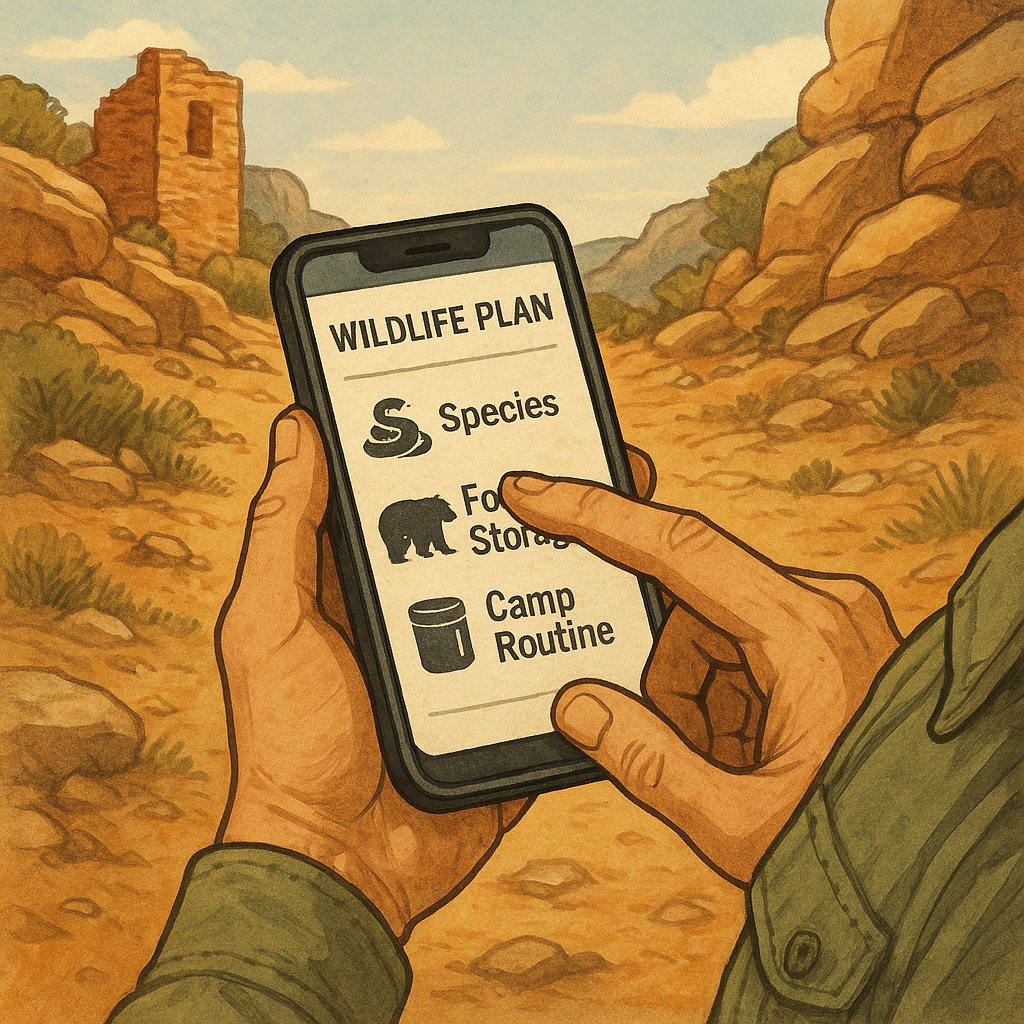
I make a one-page plan in my notes app and keep it blunt. First: what species are most likely in that specific range and season? Not a generic list. If I'm in desert canyons, I'm thinking about rattlesnakes in warm months and where my hands go when I scramble. If I'm in high country near berry patches, my bear behavior tightens up. Second: food storage requirements for the land agency and what I'm bringing to meet them. If a canister is required, I bring it. If it isn't required, but I'm camping in classic bear habitat, I still often bring one because hanging a bag well takes time, good trees, and a willingness to redo it when the cord slips.
Third: a camp routine that doesn't depend on willpower. I decide in advance how any recommended wildlife deterrent will be carried according to local and manufacturer guidance, where trash will be stored, and what we will do with clothing that smells like dinner. I also set a hard rule for movement at dawn and dusk. Those are gorgeous hours for photos of ruins and old homesteads, but they're also active wildlife hours. I slow down, I keep my head up, and I don't wear earbuds. Ever.
Finally, I pick a non-emotional turnaround trigger. Fresh scat on the trail every few minutes. A carcass smell. A lot of ravens and silence in the trees. Those cues don't guarantee danger, but they do tell you you're in the middle of someone else's lunch schedule. When I'm off-grid, I'd rather be annoyed in the truck than improvising with shaking hands in a narrow wash.