
From a tarp pitch you can do in gusts to a stove routine that avoids cold meals, these are the wilderness habits I rely on when help is far away.
The tarp pitch I can do with numb fingers
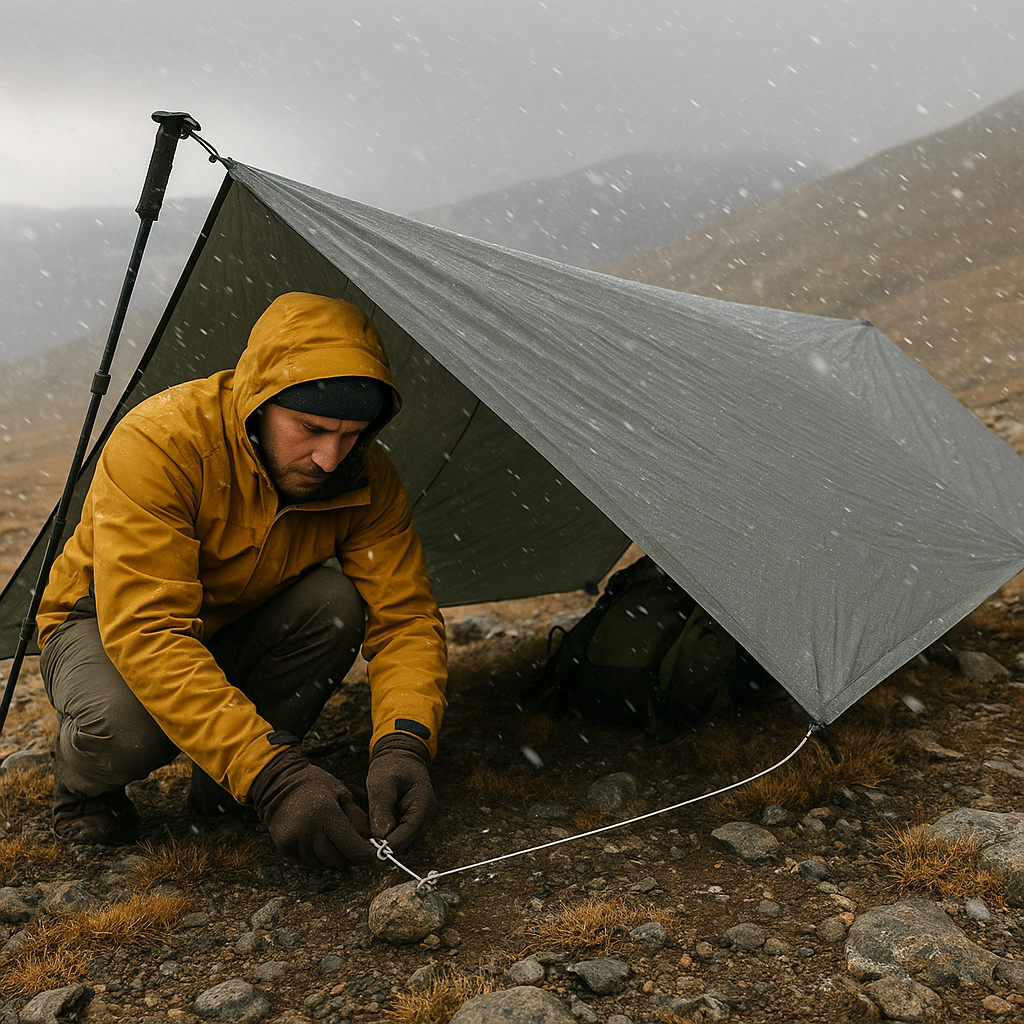
I used to carry a tarp as a "nice-to-have" and then I got caught above treeline with graupel coming in like someone was throwing handfuls of rice. That was the day it stopped being optional. The trick is not owning a fancy tarp. It's being able to make a clean, tight shelter without a bunch of fiddly knots or perfect ground.
My go-to is an A-frame that can also turn into a low, mean lean-to if the wind shifts. I keep it simple: an 8x10 or 10x10 tarp, six stakes, and two extra guylines that live in a zip bag so they don't turn into a bird's nest. If I've got trees, I'll run a ridgeline between them (a trucker's hitch works fine), clip the tarp up, then stake the corners. If I don't have trees, trekking poles become the uprights. The part people skip is orientation: I point one end into the wind and I drop that windward edge lower than feels comfortable. That's what stops the spindrift and splashback from bouncing under your shelter and soaking your sleeping pad.
When the ground is too rocky for stakes, I go straight to deadmen anchors. Wrap the guyline around a fist-sized rock, set it a couple feet out, and wedge it so the pull tightens it instead of popping it loose. If the soil's soft, bury the rock sideways and stomp it in. It's not pretty, but it holds.
Once it's up, I do one last walk-around and tighten every line until the tarp sounds like a drum when you tap it. Flappy fabric isn't just annoying, it can shred itself on a seam at 2 a.m. Then I put my pack on the windward side like a boulder. It buys you calm air where you sleep, which is the whole point.
Cold, wet, and hungry: my stove routine never changes
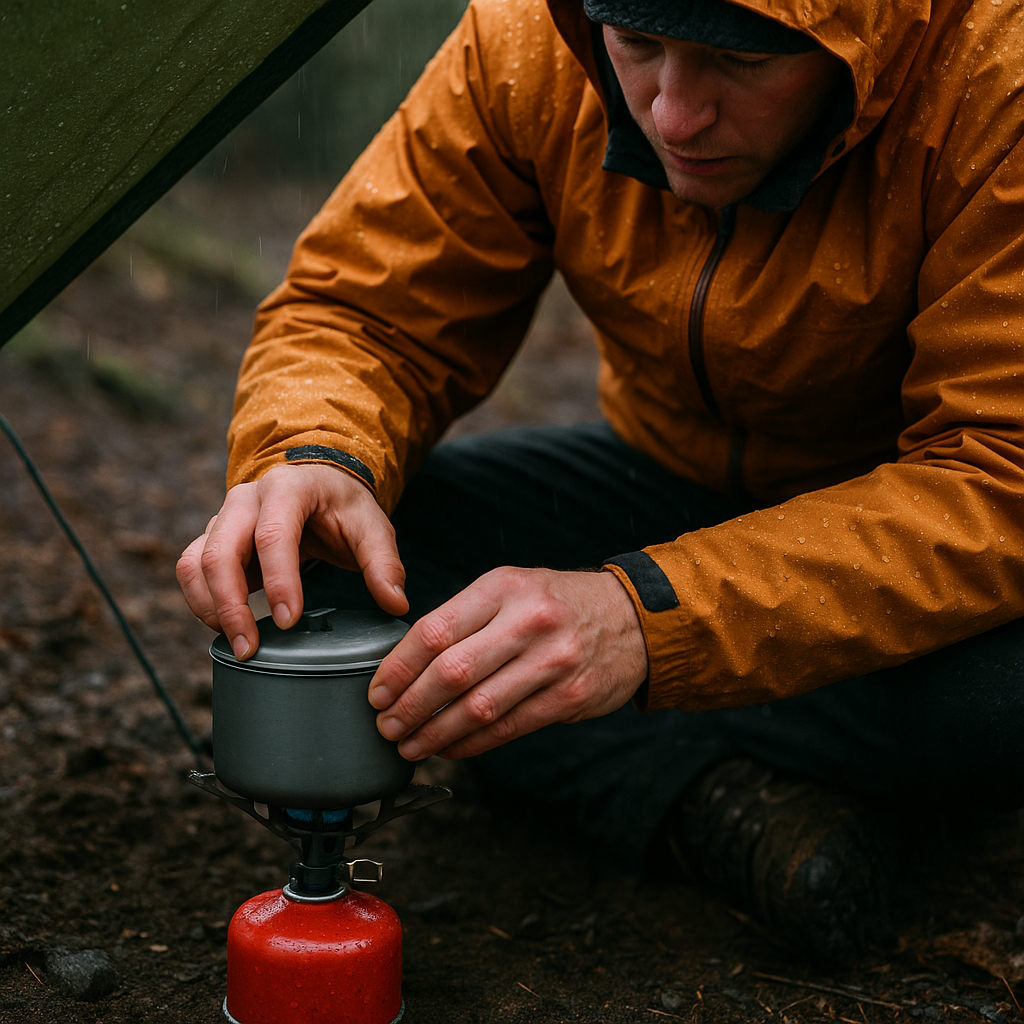
I don't care if I'm using a PocketRocket-style canister stove, a Jetboil, or a little alcohol setup for short trips. The routine is the same every time because the mistakes are always the same: cooking too close to the shelter, firing it up on a wobbly rock, or discovering your fuel situation after your hands are already shaking.
Before I even pull out the stove, I pick a kitchen spot. Flat ground, not inside the tarp, and not right next to dry grass or duff. If the weather's gross, I use the tarp as a windbreak by pitching one side higher and cooking just outside the drip line. That keeps the flame where it belongs and keeps me from turning my shelter into a smoke trap. I also clear a little circle down to dirt or gravel. It takes 30 seconds and it means you're not melting snow onto leaves and wondering why your pot smells like a campfire you didn't start.
Then I do a fast, boring check: is the canister obviously dented or leaking, are the threads clean, and does the valve turn smoothly? I don't pretend a sniff test can prove anything, but it will catch the obvious: a damaged canister, a cracked O-ring, or a stove that was cross-threaded last time. If anything looks off, I don't argue with myself about it in the field. I switch plans, eat cold, and hike out with daylight.
My water move is also repetitive on purpose. I start with a small boil, not the full pot. First cup is for a drink, second is to jumpstart a meal. Once I'm warm and fed, I can deal with anything else. If it's freezing, I keep the canister off the snow by putting it on a foam sit pad or even my glove. Cold fuel makes for sad flames and long waits. When I'm done, the stove and lighter go back in the same pocket every time, not "somewhere in the pack." When it gets windy and your head's tired, muscle memory is what keeps dinner from turning into a scattered pile of gear.
A lost-person plan that fits on an index card
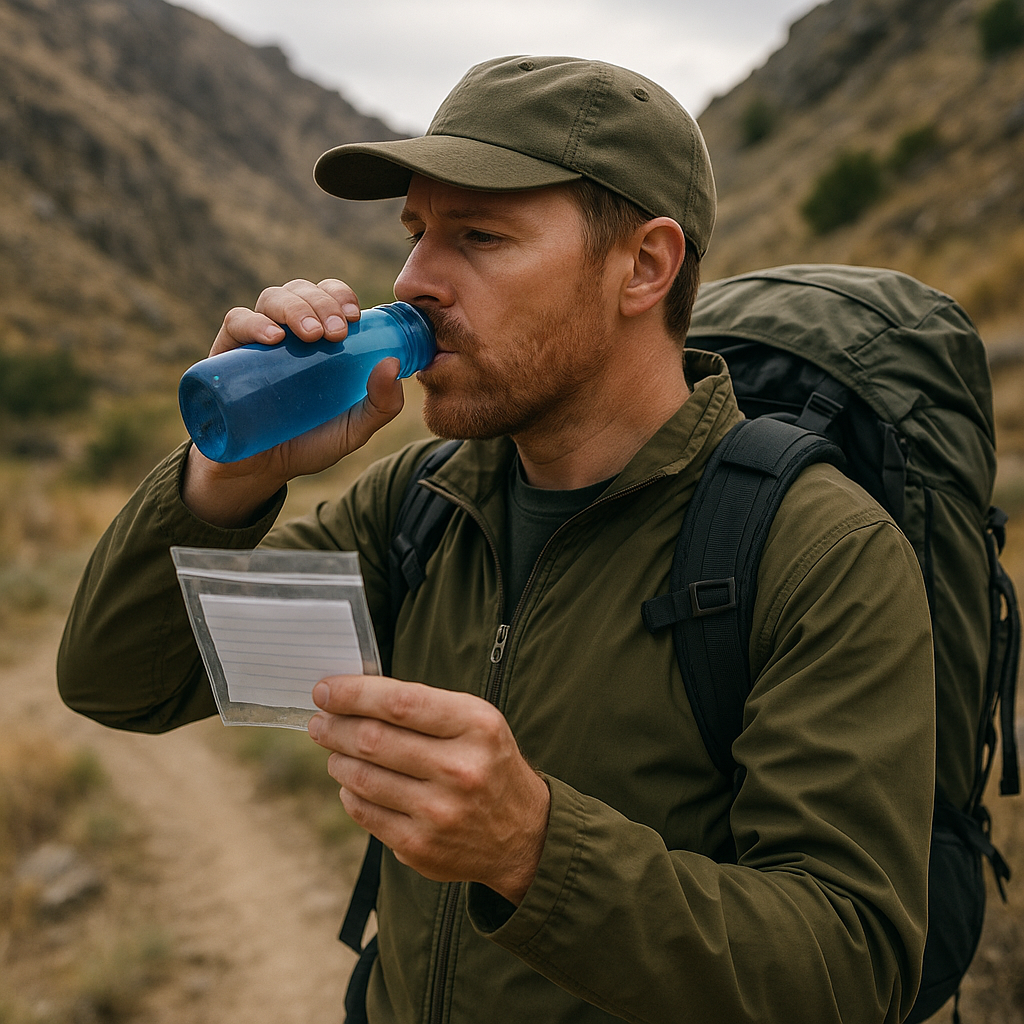
I've watched smart people get weirdly stubborn the moment the trail stops making sense. They'll push just a little farther because turning around feels like admitting something. In remote country, that little farther is how you burn daylight, water, and decision-making all at once.
So I keep a lost-person plan that isn't philosophy. It's an index card in a zip bag, and it's the same on every trip. If I feel that first flicker of doubt, I stop right there. Not at the next switchback. Not after the next creek crossing. Right there. I drink water, I eat something with salt, and I make myself do a two-minute inventory: am I cold, am I wet, and how much daylight is left? That sounds dramatic until you've tried to think clearly while shivering.
Then I do three checks in order, and I don't add a fourth. One: confirm my last known point. That might be a creek junction, a saddle, a bridge, a numbered backcountry sign, or even a very specific feature like "the spot where the trail ran on slickrock for 40 yards." Two: pick a handrail. In practice, that's a river, a ridge, a shoreline, or a road cut. Something long and obvious that I can follow without doing constant mental math. Three: set a hard limit and a return line. I use my watch for this, not vibes. If I haven't regained certainty in 15 minutes of careful movement, I turn around to that last known point and reset.
If turning around doesn't fix it quickly, I shift from finding the route to staying put with intent. That means shelter first (even if it's just my tarp and an extra layer), then warmth, then signaling. If I'm carrying a satellite messenger, that's when I use it, not after I've wandered a mile deeper into bad terrain. I like paper maps for big-picture sense, but the index card is what keeps me from negotiating with myself when I should be making simple, conservative moves.