10 Secrets to Scoring a Massive RV Adventure for Less Than Twenty Bucks
A five-night trip worth about $2,000 dropping to $17.76 sounds like a pricing error, but that’s exactly why it’s been getting attention. RV rental platform Outdoorsy has been running limited promotions tied to the United States’ 250th anniversary by giving travelers a shot at heavily discounted road trips. The catch is that you have to catch the timing and play it smart.
These deals don’t last long. You have to watch for them, especially around seasonal travel periods or major events when platforms like Outdoorsy tend to run these promotions. Timing and quick action usually decide whether you get the deal or miss it.
Treat Entry Requirements Seriously

Image via Pexels/Viktoria B.
Some of these promotions ask for more than a quick click. One recent giveaway required a short written response about what freedom outdoors means, capped at 250 words.
That alone filters out rushed entries. Clear, direct answers that stick to the prompt tend to stand out. It doesn’t require anything dramatic.
Choose The Right RV For The Trip
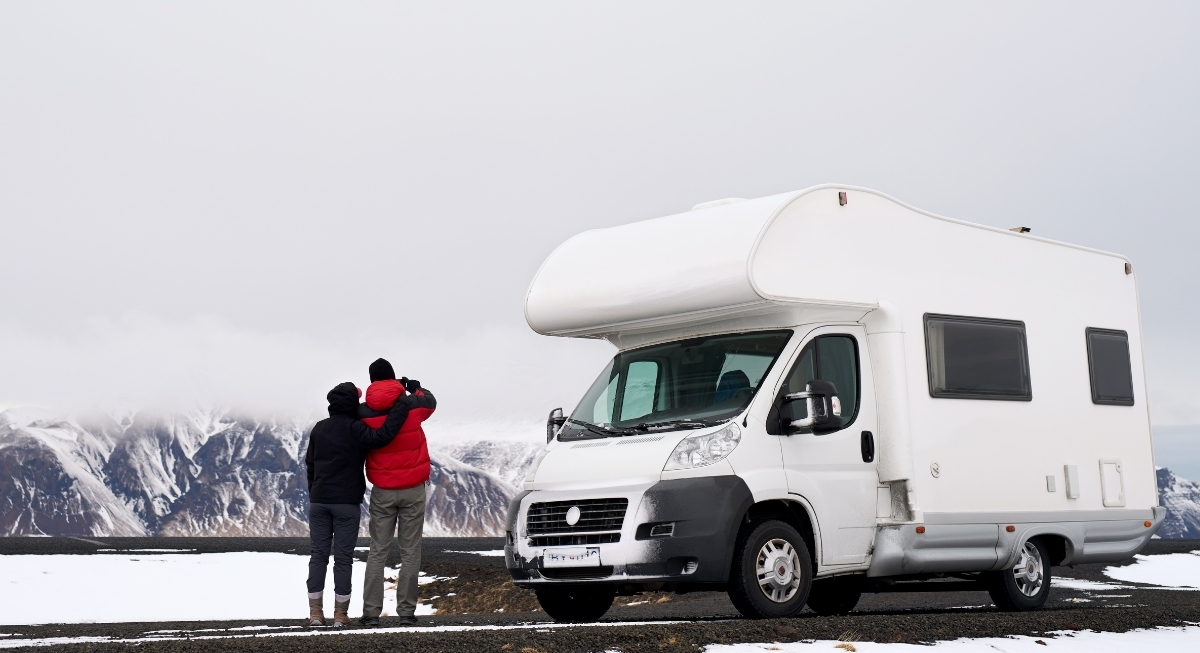
Image via Getty Images/warrengoldswain
Scoring a low-cost booking still leaves one big decision, which is the type of RV. Options usually range from compact camper vans to larger motorhomes and towable trailers.
Smaller vans are easier to handle and park, especially for first-time drivers. Larger units offer more space and built-in amenities, which work better for longer trips or groups.
Use Delivery Options To Cut Extra Costs
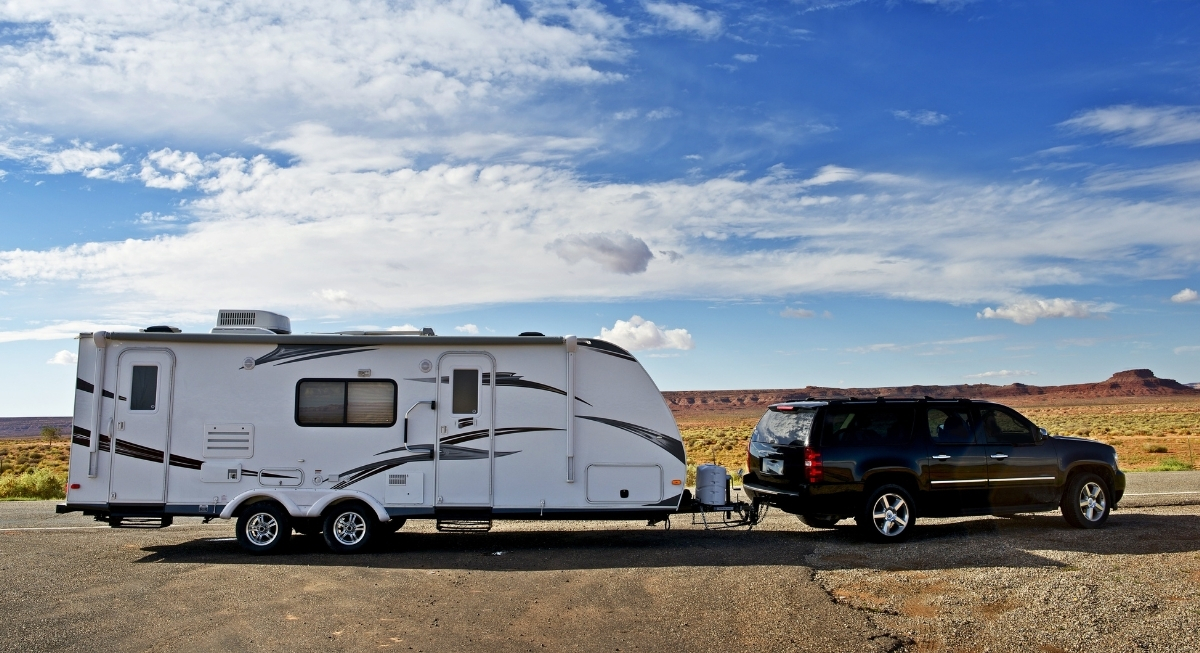
Image via Canva/Virrage Images Inc
Many RV platforms offer delivery, where the vehicle is brought directly to a campsite, airport, or home. That removes the need to travel just to pick up the rental.
It also cuts fuel use and avoids adding extra rental days before the trip begins. For short promo-based bookings, that convenience can make a noticeable difference.
Travel When Demand Drops
Recent travel data shows that cost-conscious planning is driving behavior. Many travelers are actively trying to reduce trip expenses, and some are choosing off-season travel to keep costs lower.
Lower demand means better availability and fewer price spikes around campsites and nearby services.
Forget The Busiest Parks
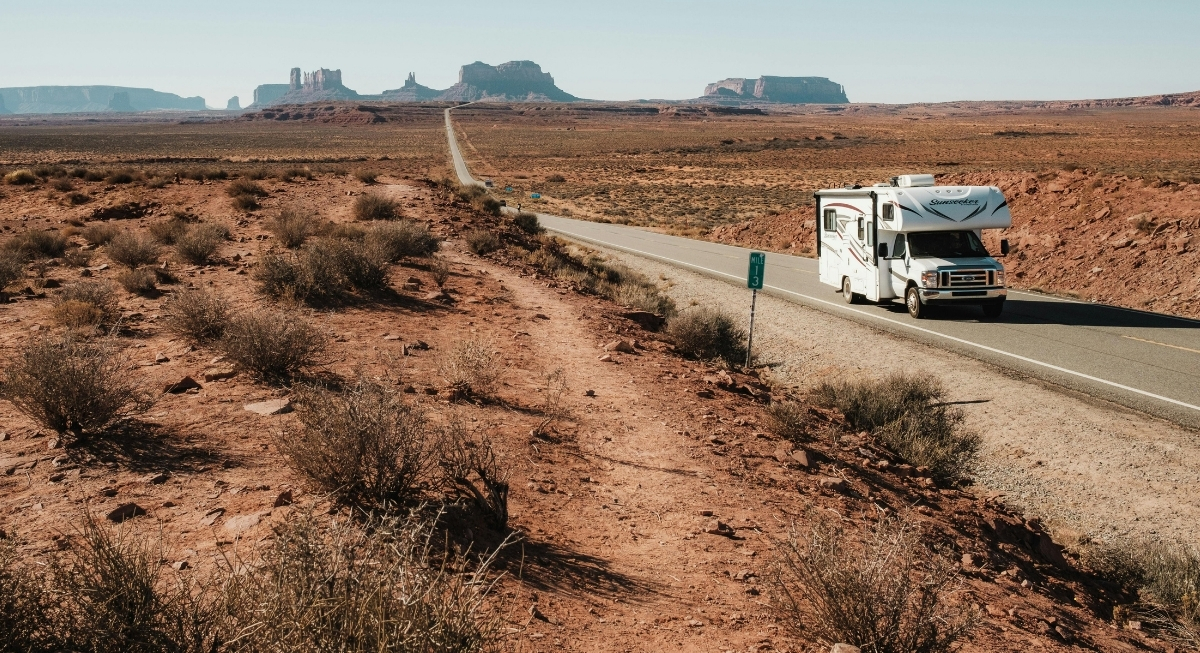
Image via Pexels/Airam Dato-on
Grand Canyon National Park remains one of the most visited destinations in the U.S., drawing around five million visitors each year. That level of traffic makes booking campsites and nearby services more competitive.
Interest has been growing in parks that see fewer visitors, including the Black Canyon of the Gunnison, Crater Lake, and Canyonlands National Parks. These locations offer similar landscapes with fewer crowds and more booking flexibility.
Stack Discounts When Available
Some platforms offer additional discounts for specific groups, including active and retired military personnel, police, firefighters, and EMS workers. Outdoorsy, for example, has offered around 20% off bookings for verified users in those categories.
Combining those savings with already discounted trips can reduce total costs even further.
Plan Routes That Keep Costs Down

Image via Pixabay/mkphotovideo
Shorter routes with multiple stops close together help manage fuel use and time. Common examples include trips starting in Las Vegas with stops at the Grand Canyon and Hoover Dam, or routes through South Dakota that include Mount Rushmore.
Keeping distances manageable allows travelers to spend more time at destinations instead of on the road.
Use Platform Filters To Stay Within Budget
Modern RV rental platforms operate similarly to vacation marketplaces. Filters allow users to narrow results by price, location, pet-friendly options, and host ratings.
Listings under $150 per night and highly rated hosts tend to offer more consistent value. These tools help match the deal to the kind of trip you actually want.
Pay Attention To Travel Trends
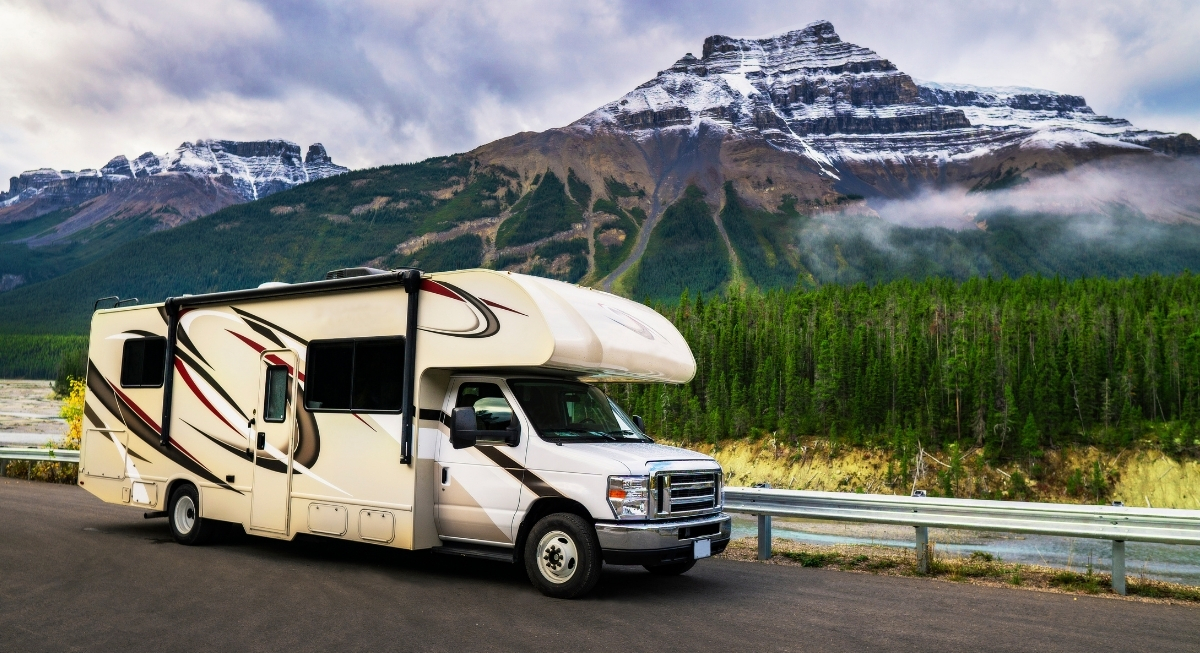
Image via Getty Images/Cavan Images
RV travel continues to grow as an alternative to flights and hotels. Some platforms have reported booking increases compared to previous years.
That rise in demand is pushing companies to offer more competitive pricing and limited-time promotions.