10 Famous US Tourist Traps That Might Just Ruin Your Vacation
Planning a trip in the U.S. usually starts the same way: you pull up a few “must-see” lists, save the big names, and assume they’re worth the time. Places like Times Square or Hollywood Walk of Fame show up again and again, so they start to feel non-negotiable.
What those lists rarely explain is how these spots actually play out once you’re there. Crowds, long waits, and inflated prices can take over quickly if you walk in without a plan. Most of these places still have something to offer, but they work better when you approach them with a bit of intention rather than building your entire day around them.
Times Square, New York City
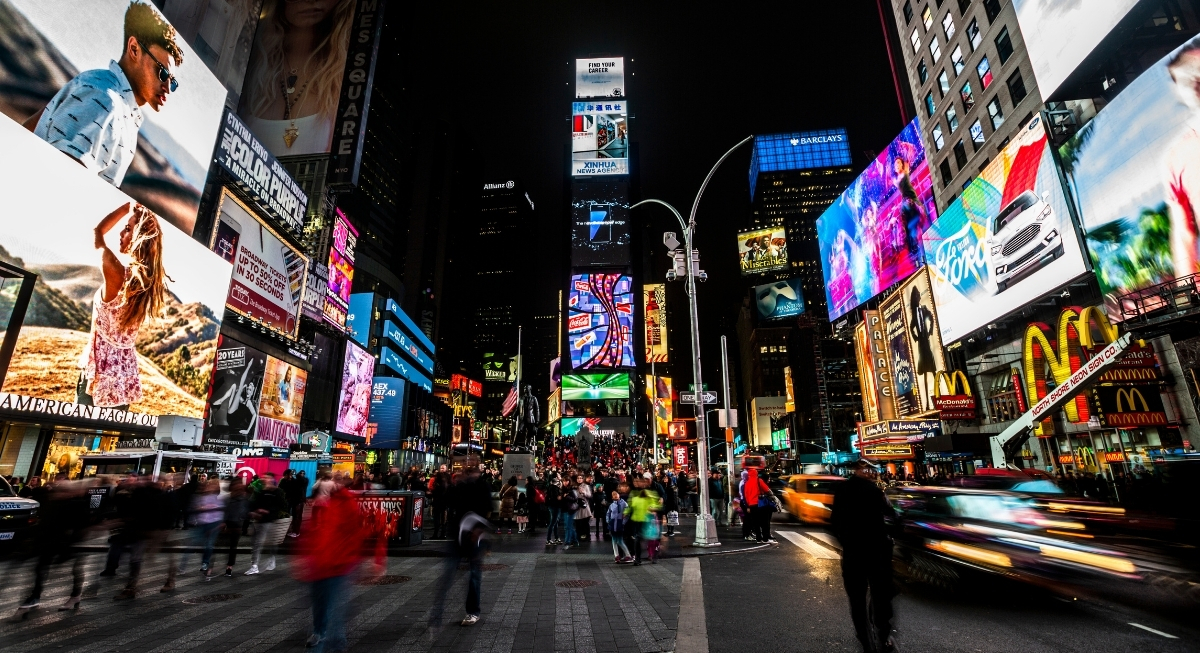
Image via Getty Images/Schroptschop
With hundreds of thousands of people moving through it each day, Times Square functions more like a crossroads than a place to settle in. The scale stands out right away, with towering screens and constant motion, but most visits end up being brief once you’ve taken it in.
What shapes the experience is everything around that first impression. Foot traffic stays heavy, prices run higher than nearby areas, and simple stops like grabbing a drink or finding space to stand can take more effort than expected. It works best as a short stop on the way to something else rather than a place to build your time around.
Hollywood Walk of Fame, Los Angeles
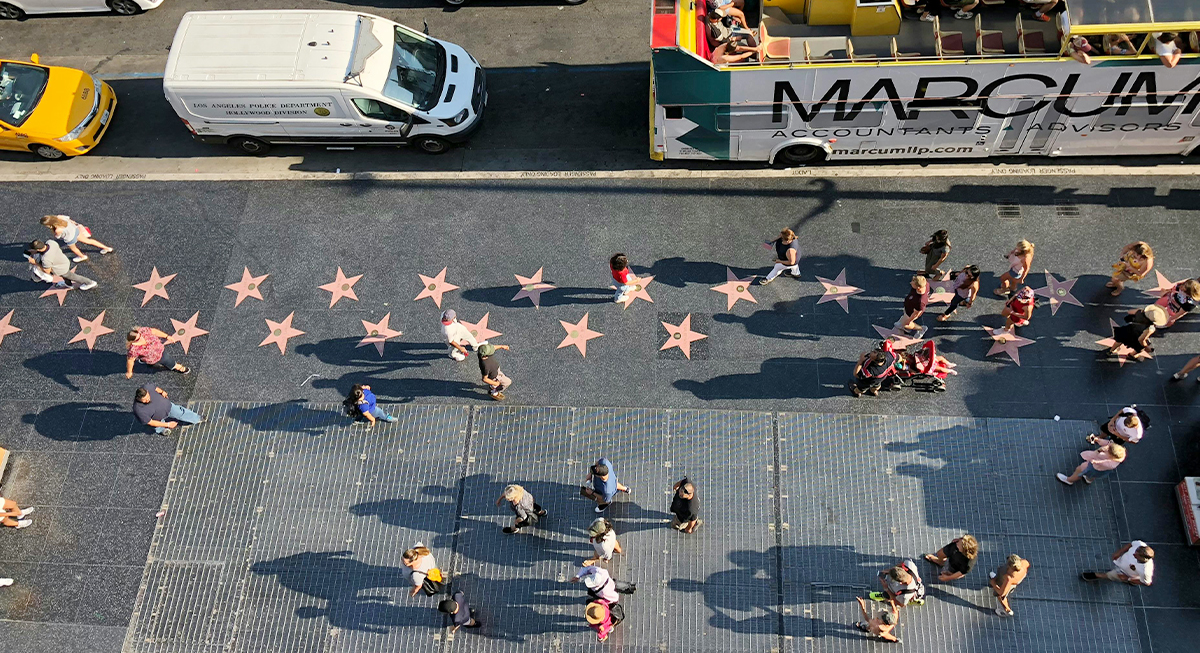
Image via Pexels/Rino Adamo
The idea sounds better than how it usually plays out. You picture a stretch of Hollywood history, but most of your time ends up spent scanning the ground while moving with the crowd, trying to spot names without getting in someone else’s way.
The area itself can feel worn and packed, especially during peak hours. Once you’ve found a few stars you recognize and taken a photo, there isn’t much that keeps you there. Most visitors end up moving on pretty quickly to places that show a different side of Los Angeles.
Fisherman’s Wharf, San Francisco
The sea lions at Pier 39 are genuinely fun to watch, and the view of the bay is undeniable. However, the rest of the area is heavily dominated by the same souvenir shops and chain restaurants you can find in any other city. If you’re looking for the authentic, foggy charm of San Francisco, you’re more likely to find it in the neighborhoods uphill than on the Wharf’s main drag.
Navy Pier, Chicago
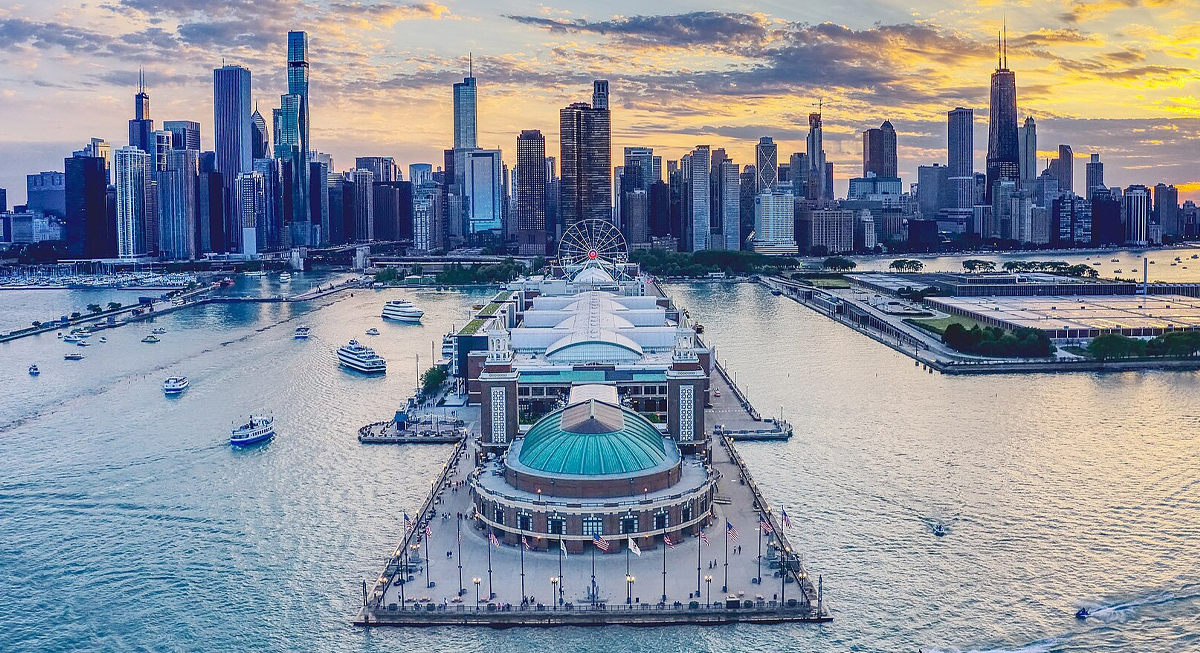
Image via Wikimedia Commons/Moses8910
The setting does a lot of the work here. Sitting right on Lake Michigan, the views are easy to enjoy, especially if you catch it on a clear day or near sunset. But once you step further in, the focus shifts away from the waterfront pretty quickly.
Most of the space is built around shops, food counters, and ticketed attractions, so the visit can start to feel more commercial than expected. Costs stack up fast between parking, food, and activities, and in a city with spots like Millennium Park just a short distance away, it doesn’t always justify the time unless you go in with a specific plan.
Graceland, Memphis
For fans of Elvis Presley, this stop carries real weight. The house, the personal items, and the way the tour is laid out all lean into that legacy, so if you already care about his story, it feels like a meaningful visit.
For everyone else, the experience can feel narrower than expected. Tickets sit on the higher side, and the tour follows a set path with little room to explore beyond what’s presented. By the end, it can come across as a very focused piece of pop culture history rather than something with broader appeal.
Grand Canyon Skywalk, Arizona
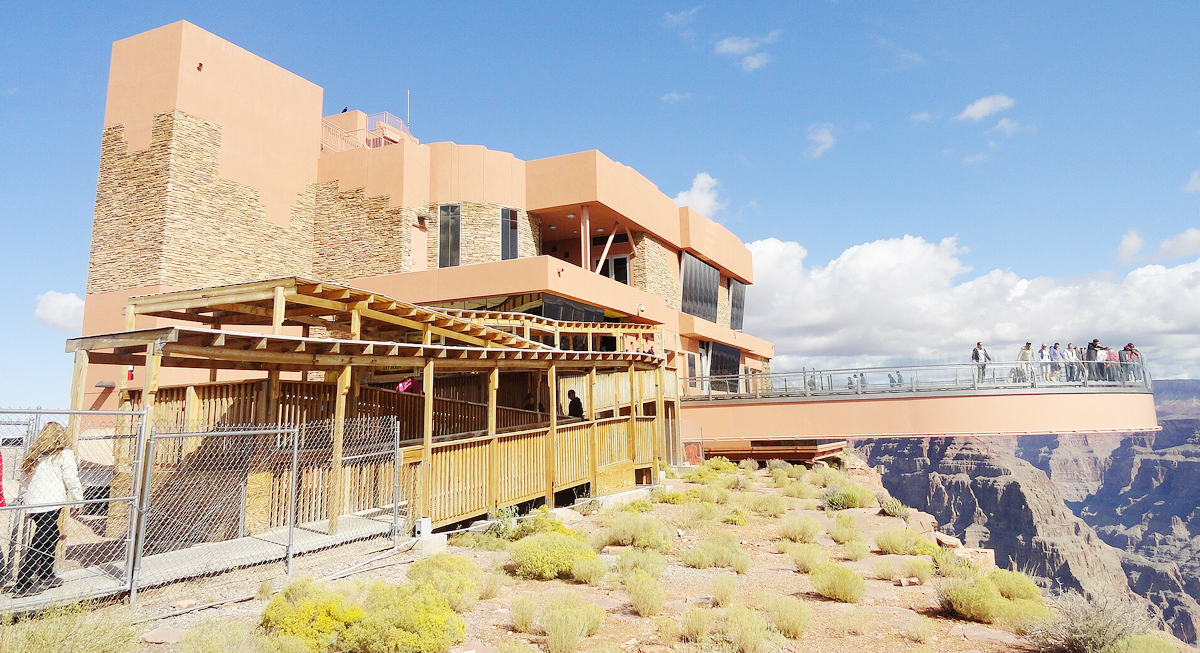
Image via Wikimedia Commons/l0da_ralta
The Grand Canyon is a natural wonder that everyone should see, but the Skywalk is a polarizing way to do it. It’s located on tribal land outside the National Park, and once you pay for the access packages and the bridge itself, the bill is significant. Because you aren’t allowed to take your own photos on the glass, some people leave feeling like the experience was more about the transaction than the view.
Four Corners Monument, Southwest U.S.
This is the only place in the U.S. where Arizona, New Mexico, Utah, and Colorado meet at a single point, marked by a bronze disk set into a concrete plaza. The site is managed by the Navajo Nation, and visitors pay an entry fee, usually around $8 per person. Most people line up briefly to stand on the marker and take the photo.
The location is part of what shapes the visit. It sits far from major cities, with long stretches of highway between services, so getting there often takes several hours. Aside from the monument, there are a few vendor stalls and open space, but no major attractions nearby. For many travelers, it ends up being a quick stop rather than something that fills a full day.
Plymouth Rock, Massachusetts
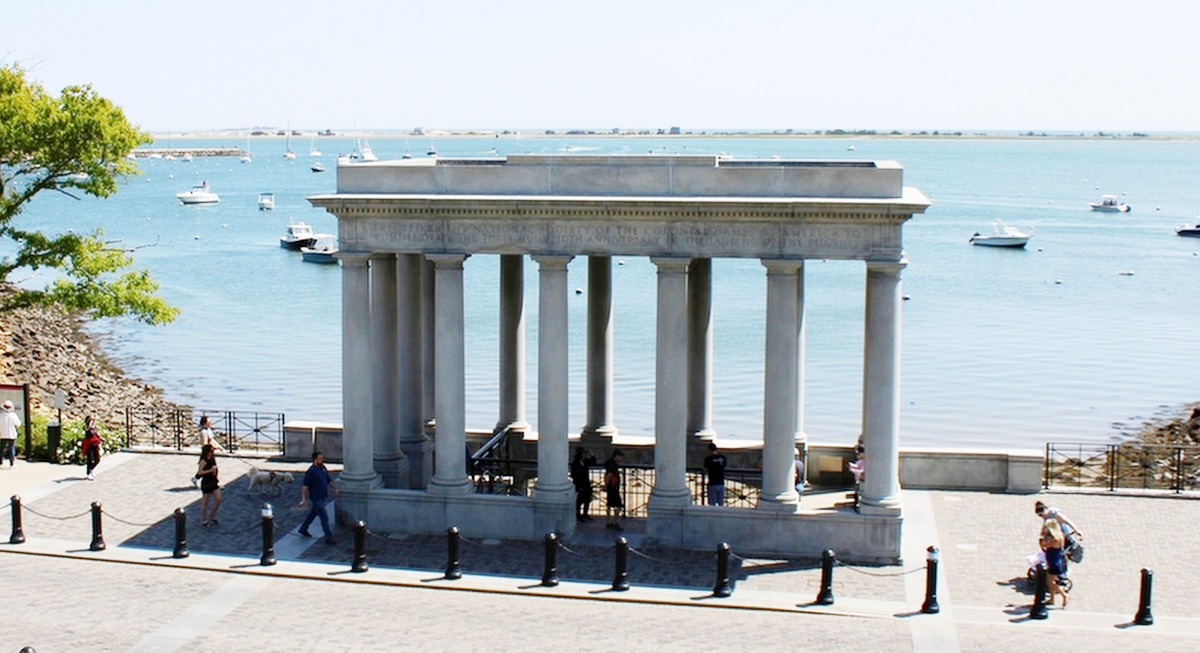
Image via Wikimedia Commons/Raymond H. Fogler Library
People often arrive in Plymouth expecting a massive, imposing monument. Instead, they find a relatively small boulder tucked inside a granite canopy. If you go in knowing it’s just a symbol and not a landmark on the scale of the Statue of Liberty, you’ll avoid the “that’s it?” feeling.
Liberty Bell, Philadelphia
The Liberty Bell is a beautiful piece of American history, but the experience of seeing it is often defined by long security lines and a very brief viewing window. Since you can actually see the bell through the glass walls of its pavilion from the outside, many visitors realize too late that they could have skipped the wait entirely.
Miami Beach
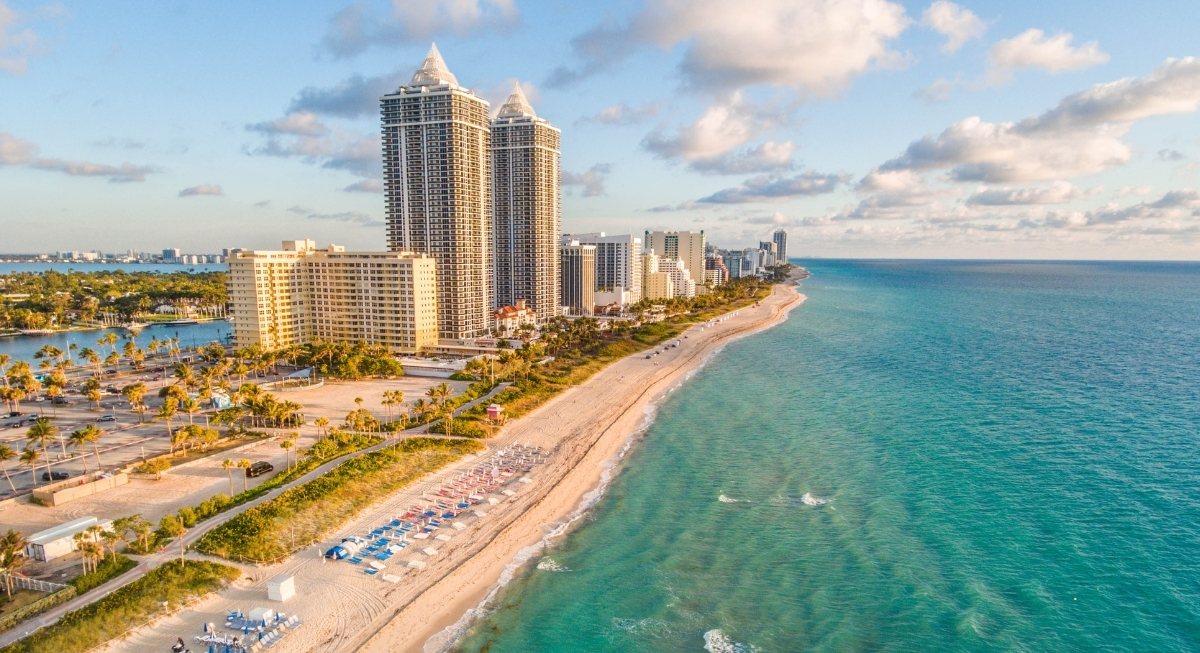
Image via Getty Images/Adam Goldberg Photography
Miami Beach in March is a completely different world due to spring break, involving heavy security and massive crowds that erase any hope of a quiet beach day. With over a million visitors hitting the small streets, the historic charm is often buried under the sheer difficulty of finding a parking spot.