10 Brutal Truths Tour Guides Secretly Keep From Their Groups
A tour guide’s day-to-day involves navigating historic streets, demonstrating confidence, and cracking jokes while pointing out famous buildings and hidden corners of the city. The performance and storytelling seem effortless, but the job runs on long hours and a surprising amount of crowd management. The profession is built on a few truths travelers rarely hear on tour.
When History Runs Out, The Storytelling Begins

Credit: Getty Images
Sometimes a guide reaches a landmark with very little documented history. The record may include only a construction date or the name of a former owner. That information alone would not hold a group’s attention. To keep visitors engaged, guides rely on storytelling and local anecdotes. Skilled guides know how to turn limited historical facts into an engaging moment for the audience.
Celebrity Homes Come With Flexible Facts

Credit: Getty Images
On celebrity home tours, guides sometimes present uncertain information as fact. A house may be linked to a famous actor even if the connection was brief or unclear. The suggestion that a movie star once lived there excites visitors. Most guests enjoy the story and rarely question the details.
Free Tours Are Rarely Actually Free

Credit: Getty Images
Walking tours often advertise a price of zero dollars, which sounds fantastic to travelers. The catch appears at the end when the guide politely reminds everyone that tips keep the tour alive. Many guides also pay booking platforms around $5 per guest just to appear on reservation sites. A slow tipping crowd can turn a long day into a financial headache.
Freeloaders Sometimes Trail The Group
Credit: Canva
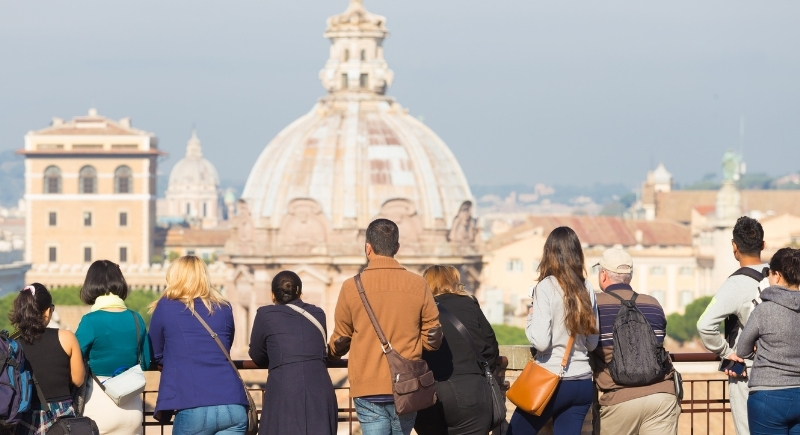
Every guide eventually notices the shadow walkers. These listeners drift beside the group and soak up the entire tour without officially joining. Guides recognize the move immediately because it happens in almost every busy city. Paying guests usually spot the freeloaders too, and the awkward glances say everything.
Guiding Is Basically A Talking Marathon
Credit: Getty Images
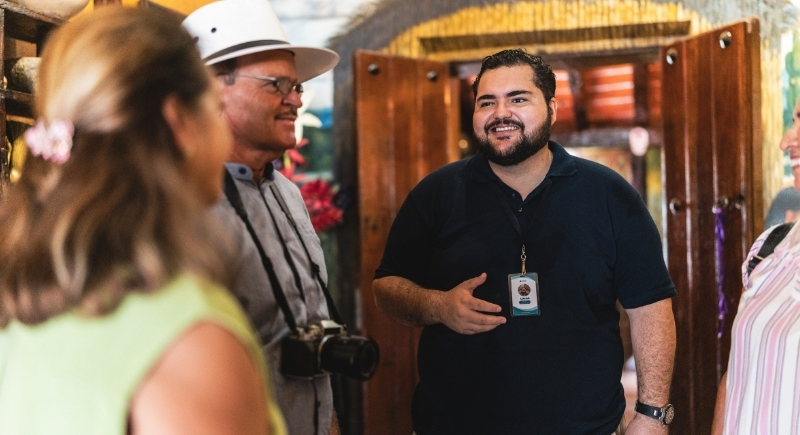
The job actually feels closer to public speaking, which never stops. Guides repeat the same stories several times a day for different groups, and the voice must stay strong throughout. By the final tour of the afternoon, that microphone feels like a workout.
One Curious Traveler Can Change The Timeline

Credit: Getty Images
While guides genuinely enjoy curious visitors, there is still a structure in place that rarely allows extra time for long discussions. A single enthusiastic guest can turn a quick stop into an unexpected lecture.
Side Conversations Echo Across The Tour
Credit: pexels
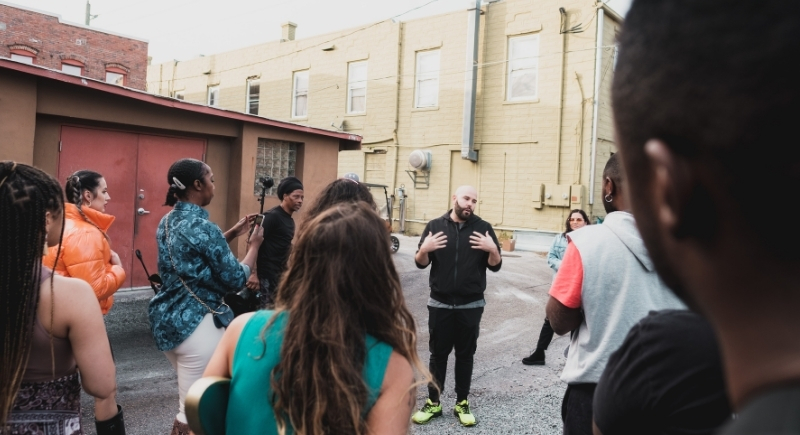
City streets already create a soundtrack of traffic and crowd noise. Guides project their voice so everyone can hear the explanation clearly. When a few people start chatting during the story, the entire rhythm falls apart.
Travelers Occasionally Start Petty Arguments

Credit: Getty Images
Groups on guided tours often include strangers with different expectations and habits. Small issues, such as blocking a photo spot or stepping ahead of others, can quickly lead to minor disputes. Guides usually intervene early to prevent escalation and maintain the group’s focus on the tour.
Tall Guests Become Unofficial Landmarks
Credit: Canva
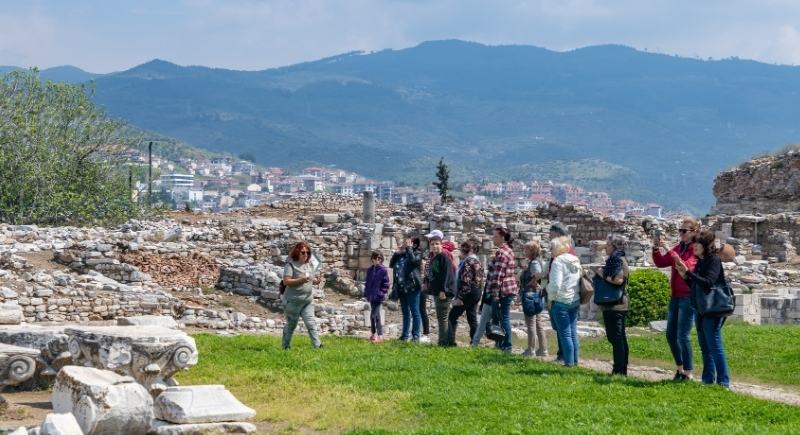
Guides often scan the group to make sure no one gets separated in busy areas. A tall person near the back can become an easy visual marker for the end of the group. That height helps the guide quickly confirm everyone is present, especially when crossing crowded streets or moving through dense areas.
Respect And Fair Tips Keep The Job Viable

Credit: Getty Images
Tour guides cover expenses such as marketing fees and platform commissions. Heck, they even pay for local taxes. The work also requires researching history and memorizing stories while interacting with strangers every day. Many visitors assume guides simply enjoy walking around town. A little respect and a fair tip can make the entire profession sustainable.