
From bath-size towels to the quietest wake-up, these three small details are why overnight rail feels fancy again.
The turn-down cart is the whole vibe shift
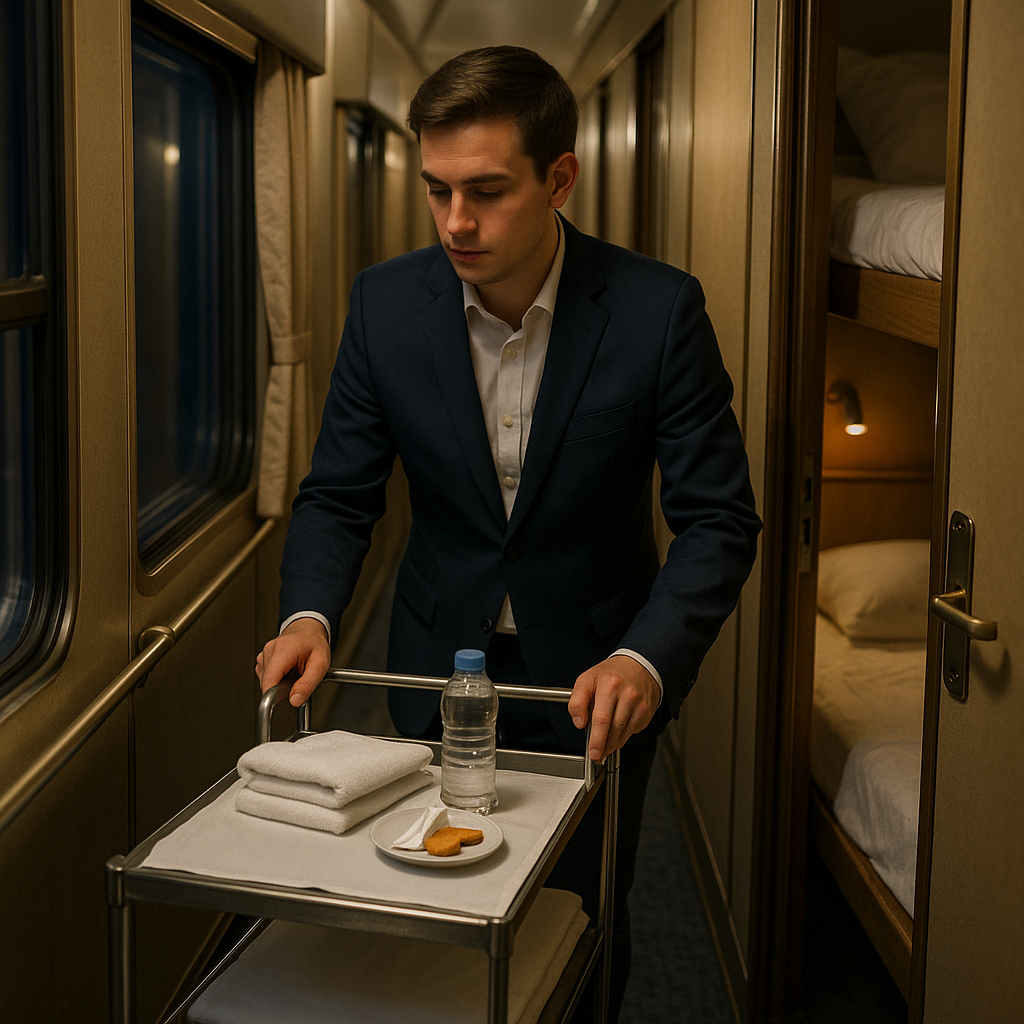
I didn't think I'd care about a turn-down service on rails. I figured the modern sleeper comeback was going to be about the big stuff: private cabins, a better mattress than the old couchette, maybe a shower that doesn't feel like an apology. Then I watched the attendant roll a small cart down the corridor and I got it. A cart instantly changes the social contract. You're not camping in a moving tube, you're being hosted.
On the trips where it feels properly revived, the cart isn't just sheets. It's the little, practiced sequence. Freshly made-up bunk with crisp corners. A towel that's closer to hotel-bath size than gym-towel sad. A bottle of water placed where you can grab it at 3:00 a.m. without knocking over your phone. In one cabin I got a tiny tray with a teabag and a couple of biscuits, not because I needed them, but because someone thought about the hour you'd want something small and quiet.
The travel part matters here. You're moving through distance while someone is prepping your room around you. The best attendants do it like they've done it a thousand times, because they have, and you feel that competence in your bones. They'll time it to the lull between station stops so the corridor isn't a parade, and they'll tell you when the next longer halt is coming if you want to step off for air. The least successful versions of this trend skip the cart and hand you a bag of linens at check-in like it's a self-assembly bed kit. That isn't luxury revival. That's a bunk reservation.
When the cart shows up, though, the whole night clicks into place. It's the moment you stop treating the route like an endurance event and start treating it like a night out that happens to be taking you somewhere.
Why the shower schedule feels like a spa appointment
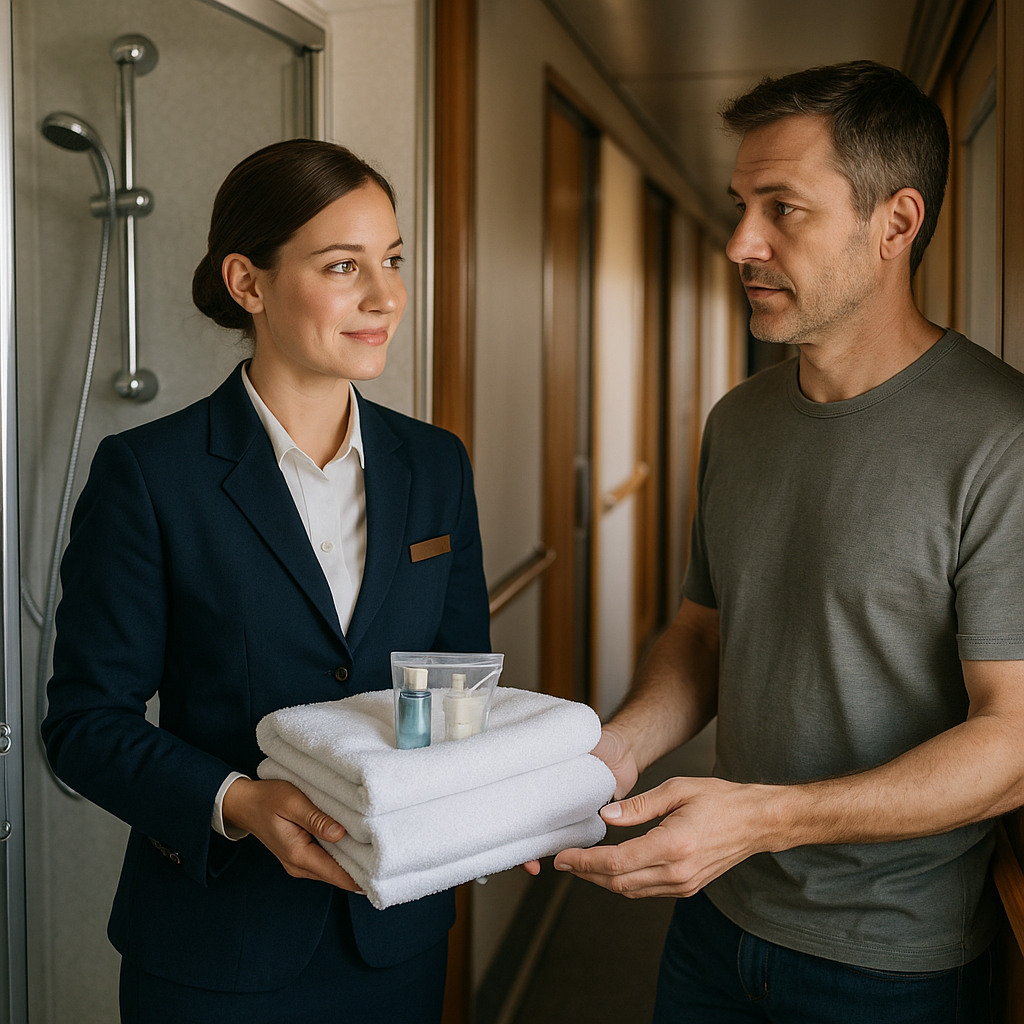
Every glossy brochure has a photo of an onboard shower, and sure, it helps if the water pressure doesn't give up halfway through your shampoo. But the more interesting part of the luxury revival is that some operators are treating the shower like a scheduled amenity, not a grimy free-for-all. That sounds tiny until you've tried to wash up on an older overnight service where you're doing mental math about who else might be waiting and whether the floor is going to be wet enough to soak your socks.
On a good run, you get a real system. The attendant will offer a time window and make it feel normal, like picking a breakfast seating. They might hand you a fresh set of towels and a little kit (toiletries you can actually use, not the single-use packet that explodes in your bag). And they'll tell you the practical stuff without making it awkward: which end of the corridor the shower is on, how the latch works, where to hang your clothes so they don't brush the damp wall.
It also changes how you think about arrival. A shower on the move isn't just hygiene, it's narrative. You go to sleep somewhere, wake up somewhere else, and you can step off at a station feeling put together. Not dressed up, just human. That's why overnight rail is stealing a slice of the hotel experience. You aren't paying twice for the same hours.
One tip I learned the hard way: pack a pair of lightweight shower sandals and a small zip pouch for your clean clothes. Even on the nicest routes, the logistics are still train logistics. Hooks are small, shelves are narrow, and your towel will land on the floor the second you assume it won't. When the operation is thoughtful, that doesn't ruin anything. It just reminds you you're traveling, which is kind of the point.
The wake-up knock you don't resent
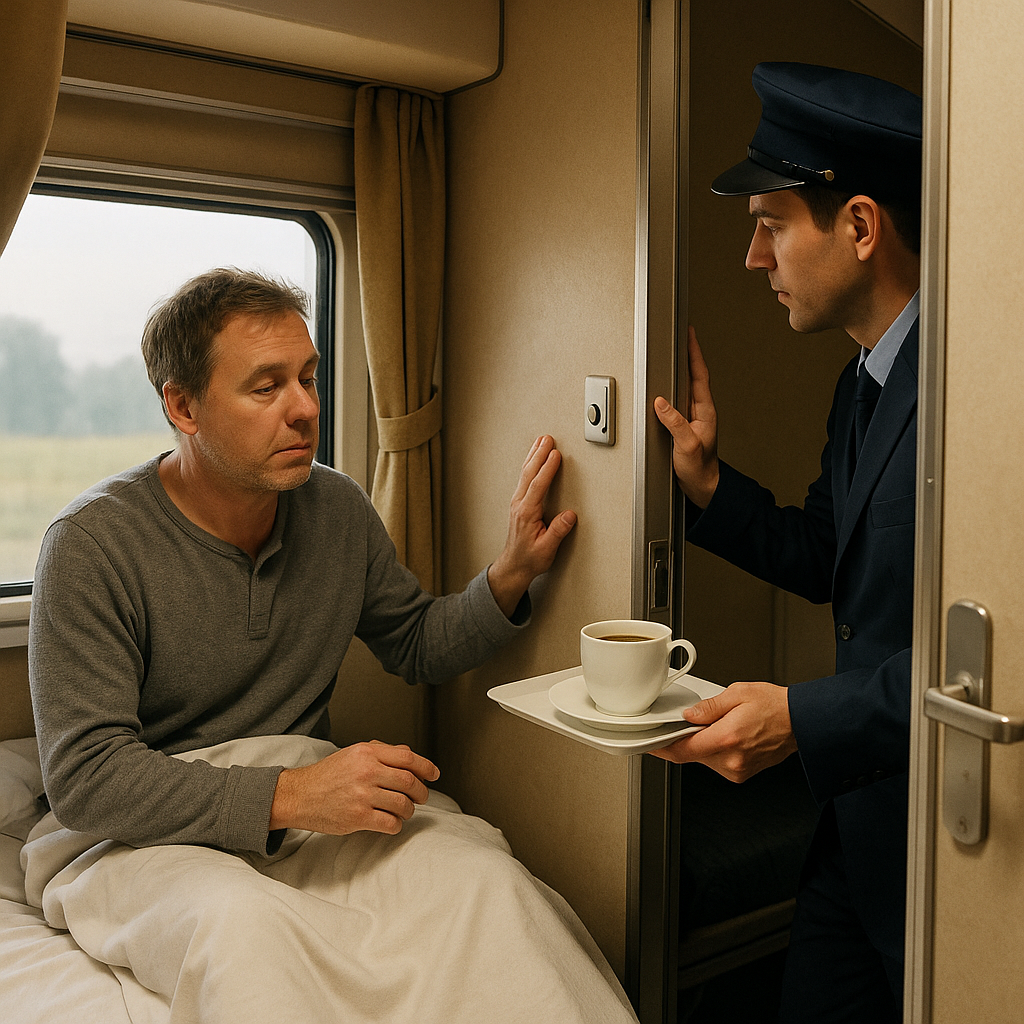
I've noticed something funny about the revived sleeper experience: the flashiest part isn't the bed. It's how they wake you up. If you've taken enough overnight trains, you know the default morning can be rough. Lights snap on. Doors bang. Someone's suitcase wheels rattle like a shopping cart with a bad wheel. And your body is trying to decide if that curve you just felt was a dream or a station approach.
When it feels luxurious, the morning is staged. There's a soft knock at a time you agreed on, not a random corridor announcement. The attendant speaks low, like they can hear your brain still rebooting. Coffee or tea shows up in a cup you can hold without spilling it the second the train shifts. Sometimes breakfast is as simple as a yogurt and fruit, but it comes on a tray, and that small choice is doing a lot of work. You sit on the edge of the bunk, curtain half-drawn, and suddenly the distance you covered overnight feels earned rather than survived.
It also changes how you plan the last hour of the route. Instead of scrolling a map and watching your ETA like it's a deadline, you use the time to pack slowly, wipe your face, and look out the window. I've had mornings where the view was fog lifting off fields, and because I wasn't stressed, I actually noticed the way the landscape was changing. That's the point of an overnight journey: the travel is the experience, not just the obstacle between two hotel keys.
If you're trying to tell whether a sleeper is leaning into the luxury revival or just borrowing the word, listen for this detail in reviews: do people mention how they woke up? It sounds minor, but it's a reliable tell. The nicest ones make the morning feel deliberate, and you step off the platform a little steadier, like you got away with something.