
Three things I look for at old border stations: platform markings, traces of customs layouts, and the best view on the approach.
Look for traces of a station's past
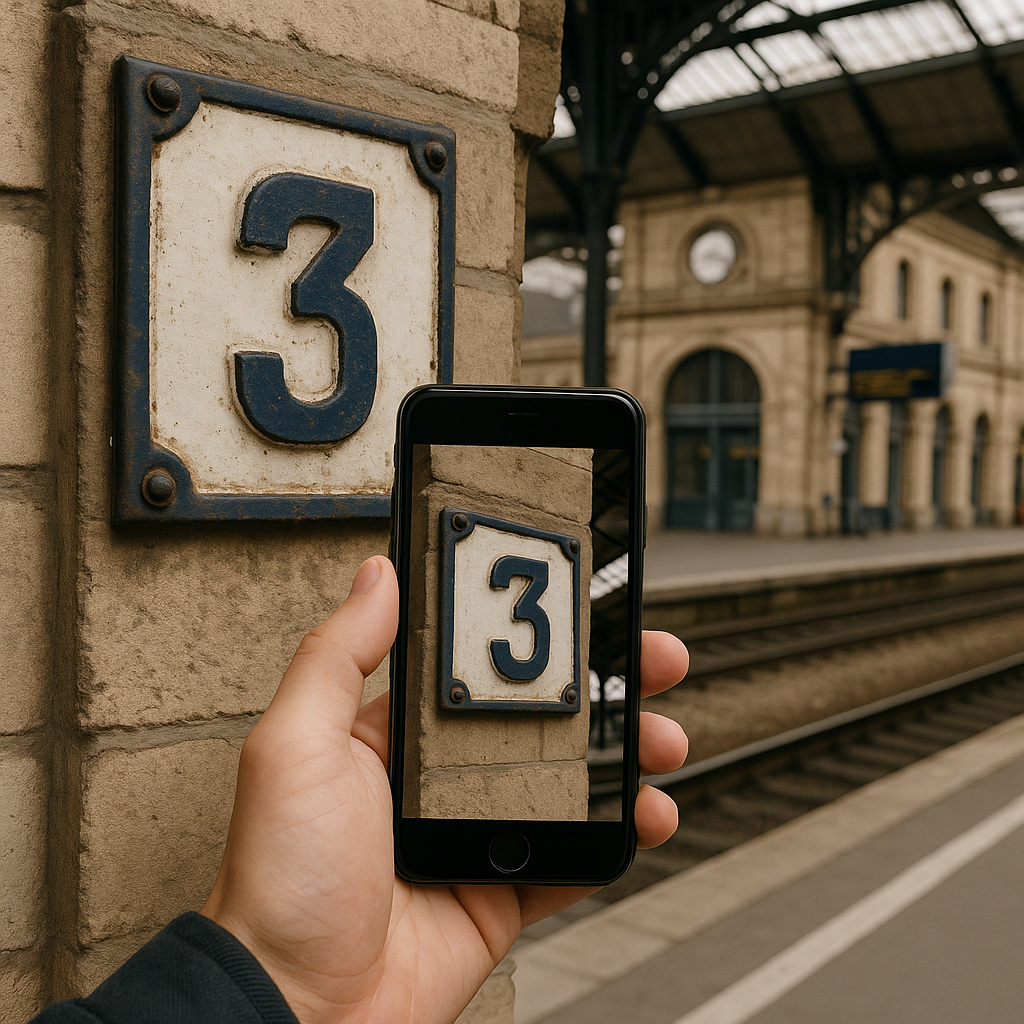
Border stations love a grand entrance, and I get why. Big crest above the doors, a clock you can see from the taxi stand, maybe a mural of a steam engine doing heroic things. I still walk past all that first and look for the smaller details that reveal how the station has changed over time.
One easy thing to look for is an old platform marker. At some older stations, you may still find platform numbers, carriage-position markers, or other signs that predate the current station layout. They can look ordinary until you notice they don't quite agree with the current arrangement. Platform 3 may now be a stub, or the canopy line may not match the current numbering.
A mismatch can be a clue that the station has changed over time, whether because of track alterations, renovations, or changes in how border controls are handled. I like to take a quick phone photo of the marker, then look around for other clues that might help explain the change. Is there a bricked-up doorway facing the tracks? A long, narrow room that may have served a different purpose? If there's an old baggage hatch, check how low it sits. Features like these can offer clues about how passengers and luggage once moved through the station.
If you have a few minutes before departure, look at the carriage-position signs, sometimes just numbers on posts. If there are more carriage-position markers than your train needs, the platform may reflect an earlier operating pattern or longer trains.
Stay in publicly accessible passenger areas while you're looking around. Don't enter fenced sections, staff-only spaces, restricted platforms, or operational areas, even if an old feature looks interesting.
Look for traces of former customs areas
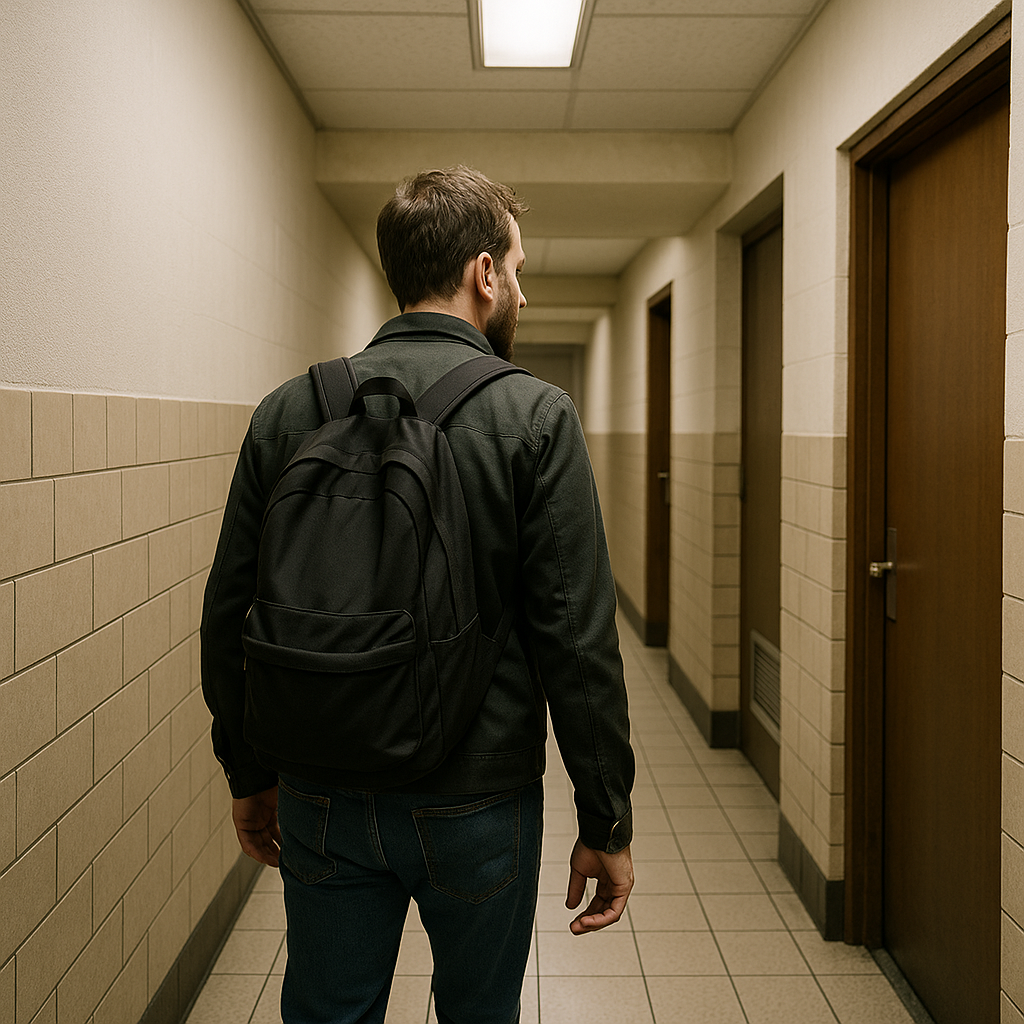
There are border stations where nothing is labeled anymore, but the building may still contain features from earlier periods of use. When I'm killing time between arrivals and connections, I like to look for spaces that seem disproportionate to the station's current use.
Former inspection areas may have been incorporated into later renovations or changes to the station. You might notice banks of identical service windows, counters, unusual room layouts, or other features that no longer have an obvious purpose. These details can be interesting clues, but it's difficult to know their original function from the architecture alone.
If you find parallel corridors or separated passageways, they may reflect older circulation patterns, but their original purpose can be difficult to determine without station records or signage. Those features may reflect how the station was used before its current layout was established.
You can also look for old notices, engineering information, or transit diagrams that offer clues about how the station and its connections have changed. Take a photo if photography is permitted because it can help you investigate the station's history later.
Watch the station approach from the train
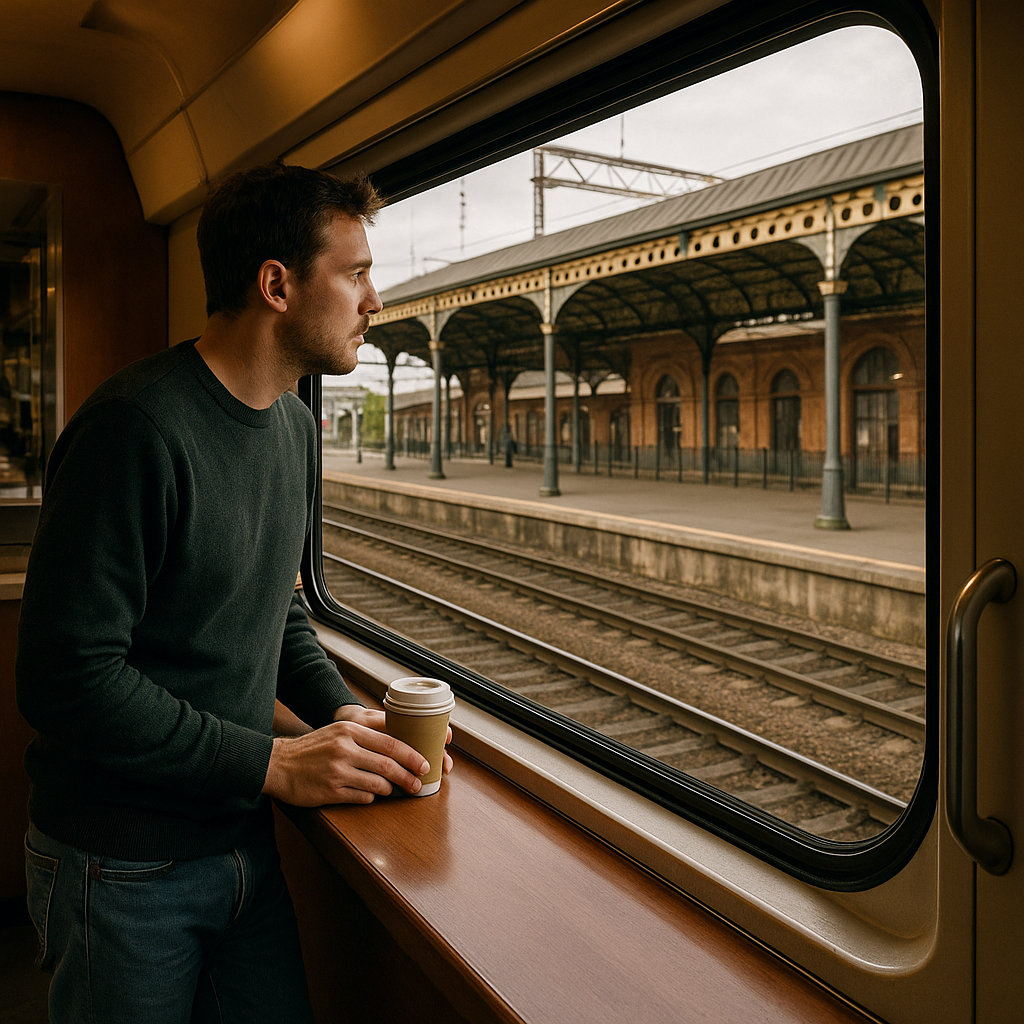
If your train has a restaurant or bistro car, it can also be a useful place to watch the approach to the station. If there's a window seat or standing area with a clear view, I sometimes move there before arriving at a station I'm interested in.
From the approach, you can see the station as part of the wider rail layout rather than just as a building. You'll notice how the tracks spread or narrow and how the platforms and signals are arranged. At some historic stations, long canopies and other platform features may reflect the needs of earlier passenger and border-control arrangements.
A fenced section may have served a practical purpose, but its original function is worth checking before assuming it was part of border control. The same goes for unusual platform layouts, gates, or changes in track alignment. They can be interesting clues, but the physical feature alone may not tell you exactly why it was built.
I also like watching the station from the approach because you can sometimes notice details that are easy to miss once you've stepped onto the platform. At some stations, you may notice multiple clocks or other features that reflect how different services were once coordinated.
As the train slows, you may notice changes in the sound of the wheels as it moves through different sections of track. It's an easy detail to miss from your seat. And when you step off, you have already had a chance to take in the station's layout before starting your connection.