
A branch, a tide chart, and a damp sock test: three field moves that kept our waterfall hunt fun, not sketchy.
The silt line clue you only notice at knee height
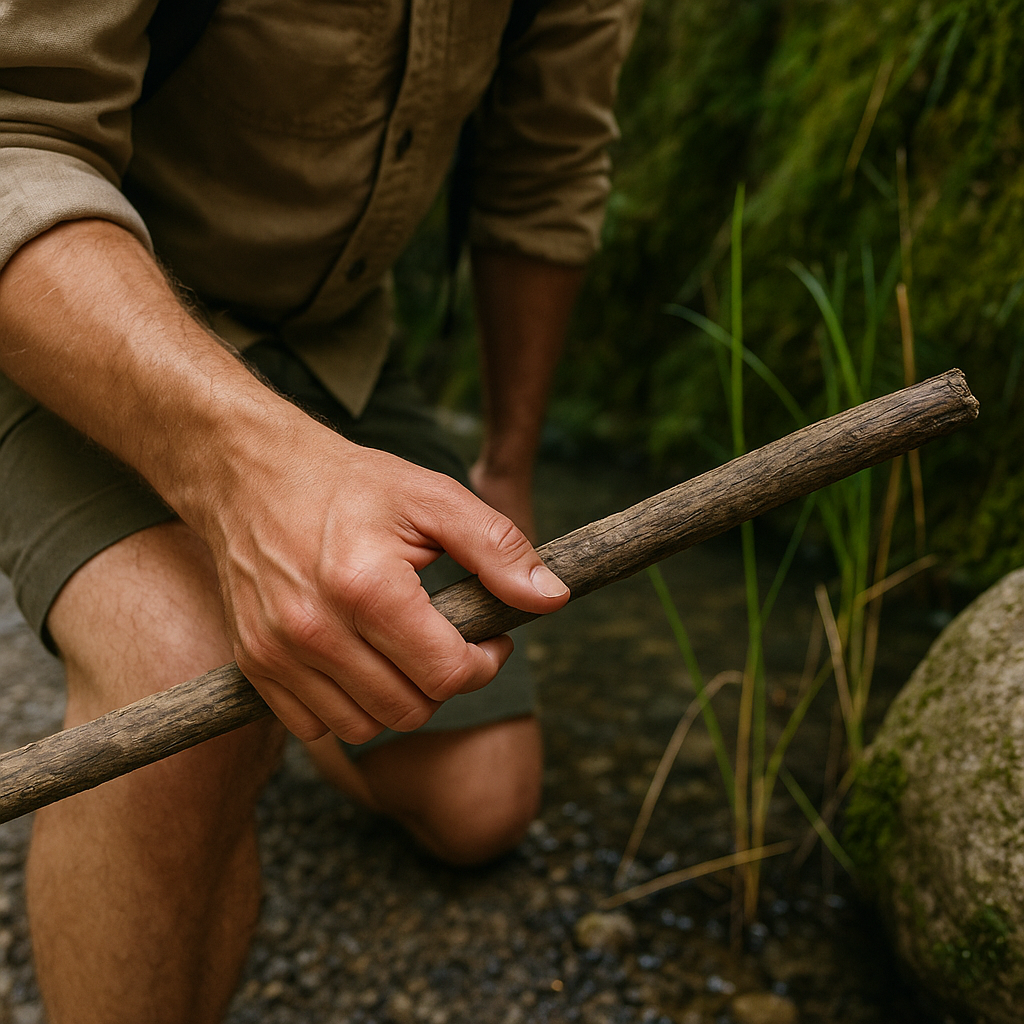
The moment I start hunting for an off-route waterfall, I quit looking at the pretty stuff and start looking low. Knees and ankles. The giveaway isn't the sound of water (wind lies) or a random patch of greener moss (everything is green in a wet canyon). It's that pale, chalky silt line on sticks and grass stems that shows where water sat recently, and how high it got. If you pick up a branch from the gravel bar and it has a clean band of fine grit around it, that's a recent high-water mark. Same for a thin tan smear on reed stalks, or a little tide-like line on a boulder where it looks like someone dusted it with flour.
Here's why it matters: hidden falls are often on a side channel that only runs for part of the day or part of the season. The main creek can look healthy, but the chute you need is either bone-dry or turns into a slick hallway. I use the silt line to decide which fork is worth committing to. If the silt band is fresh and unbroken on the inside of the bend, that channel has been moving water hard enough to sweep it clean. If it's patchy, with little islands of dust still clinging, you're looking at a trickle that might end in a sad seep.
I also pay attention to what the stick feels like when I drag it across the rock. Sandy scrape and a little chatter usually means small, loose grit and decent flow upstream. Sticky, clay-like drag means the bottom is going to be greasy, especially on polished bedrock. That's when I tighten my pack straps, swap to grippier shoes if I brought them, and keep the stick in my downhill hand. It's not a hiking pole replacement, it's a cheap probe for the next step, and it has saved me from planting a boot on algae more times than I'd like to admit.
Before you commit, do the damp sock test
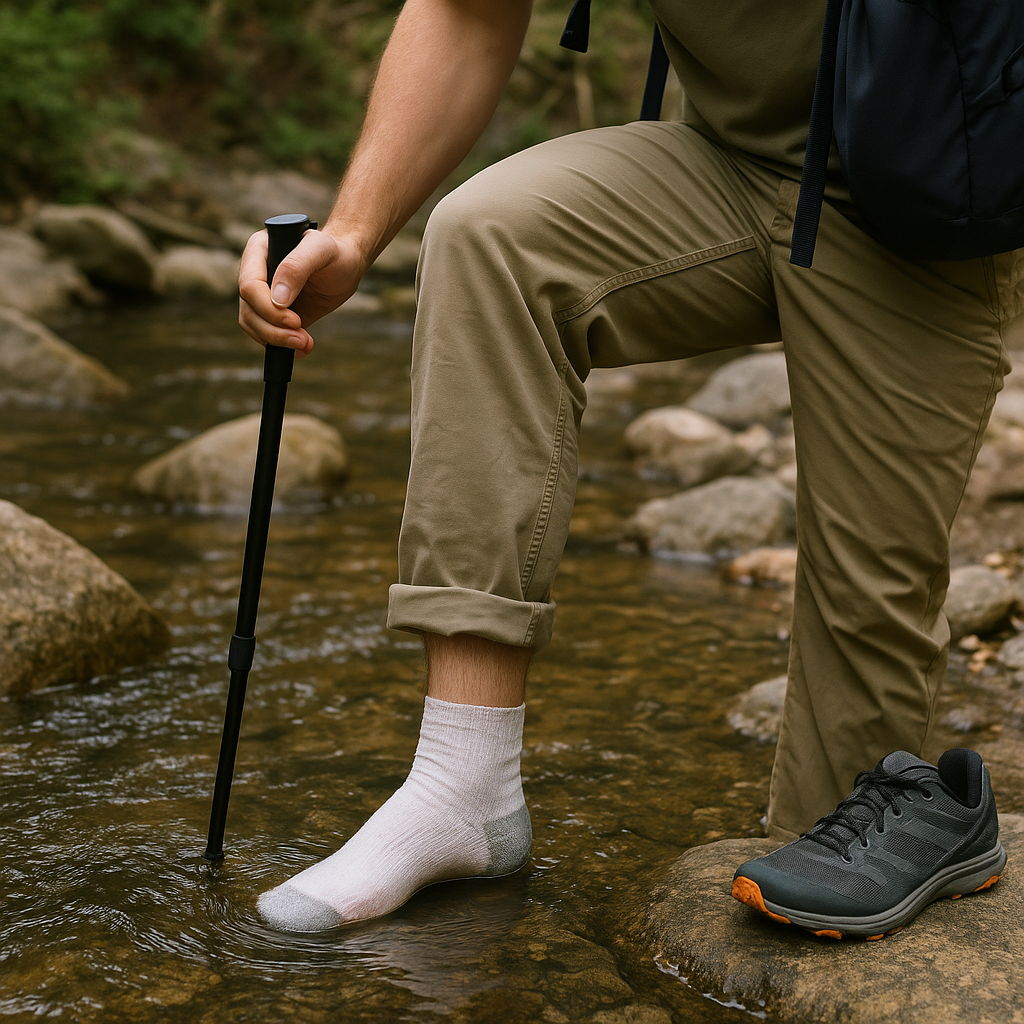
Most waterfall hunts die from a slow drip of minor annoyances. Wet feet. Sand in the shoe. Socks that turn into a cold rag. People think they can tiptoe around all that and stay comfortable, and then they spend the next hour doing awkward bank gymnastics that burn time and nerves. I flip it early with what I call the damp sock test: I choose a safe, shallow spot near the start, step in up to mid-ankle, and let one foot get wet on purpose. Not a plunge, not a stunt. A controlled data point.
Two things happen immediately. First, you find out if your shoes are going to be miserable when wet, or just wet. Trail runners with decent drainage can feel fine after ten minutes; some boots turn into sponges that stay heavy and cold. Second, you learn what the bottom is made of. Pebbles that roll, sand that shifts, or that slick algae film that feels like someone oiled the rock. That texture matters more than the depth, because the sketchy part of a hidden waterfall approach is often a short slab of angled bedrock right where the stream narrows. If the creekbed at the easy crossing already has that slippery, buttery feel, I know to slow way down later and to keep three points of contact when I'm scrambling beside the flow.
I also use the test to set my own rules before I'm tired. If the sock is already wet, I stop trying to keep it pristine. I step where the footing is best, even if it means wading a few steps, and I save my balance for the parts that need it. I keep a small quick-dry towel in an outside pocket and do a one-minute shake-out when grit builds up. Not a full spa moment, just: shoe off, wipe, shoe on, move.
If you're traveling with someone who hates wet feet, this is where you decide whether you need a different plan entirely, like staying on the rim and viewing the falls from above. People can muscle through discomfort for a bit, but it changes their decision-making fast. I'd rather learn that at the first creek than at the final scramble where the waterfall finally starts to roar.
Tide charts aren't just for beaches
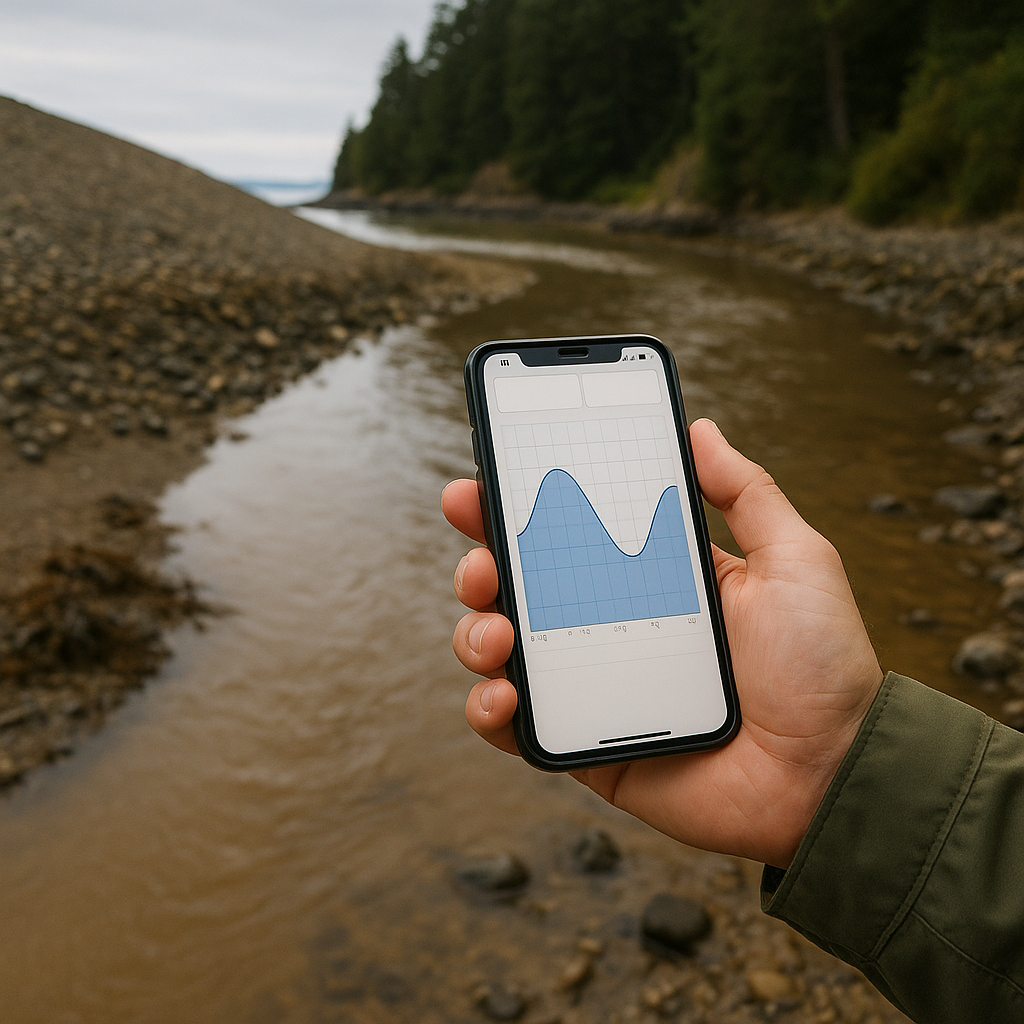
One of my favorite hidden waterfall days started like a mistake: the creek mouth looked blocked off by a gravel berm, and the first hundred yards upstream were a slow, brown push instead of clear water. It didn't feel like a waterfall day at all. The only reason I stayed curious was because I'd checked the tide chart the night before, and I knew the tide was falling hard through the morning.
If a waterfall is on a short coastal drainage, the lower approach can be controlled by the ocean. High tide can back water up into the creek, turning the bottom into soft soup and hiding the little side channel you need. As the tide drops, the creek suddenly gets a direction again. You can watch it happen. The flow stops hesitating, the surface wrinkles, and the waterline on the banks starts to reveal fresh rocks and little stranded kelp ribbons that weren't visible twenty minutes earlier.
When I'm planning one of these, I look at three things together: the tide timing, the size of the swing (a bigger drop usually means more current in the creek mouth), and the simple reality of daylight. Then I build a turnaround time that isn't based on optimism. If the falls are upstream in a slot and you have to walk the creekbed, you want the lower section as drained as it's going to get, both for traction and for not getting surprised by water pushing upstream when the tide turns.
In the field, I confirm I'm reading it right by watching floating foam and leaf bits. If they're drifting seaward, great. If they're hanging in place or creeping upstream, I don't go charging into a narrow section where I'd have to climb polished rock with water at my calves. That's how you end up committed to a move you didn't mean to make. I also keep my phone in airplane mode and use a downloaded tide table or a screenshot, because the one place you can count on losing signal is the exact little canyon where the waterfall finally appears.
When the timing works, it's magic in a very unglamorous way. The creekbed firms up, little rivulets start chattering down the walls, and the hidden falls you came for sounds closer with every bend. When it doesn't, you still got a solid walk and a better read for next time. I'd take that over pretending the ocean doesn't get a vote.