The Secret Revival of 10 Abandoned American Main Streets
Many American downtowns were built around a single local industry. Coal mines, railroads, tobacco warehouses, and steel mills once supported busy Main Streets filled with hardware stores, diners, theaters, and banks. When those industries declined in the 20th century, many streets lost their crowds, and storefronts closed.
Yet some of those downtowns never completely faded away. Artists began renting empty buildings, preservation groups worked to restore historic storefronts, and visitors slowly returned. In several towns, the same history that once built the local economy is now helping bring Main Street back to life.
Cairo, Illinois
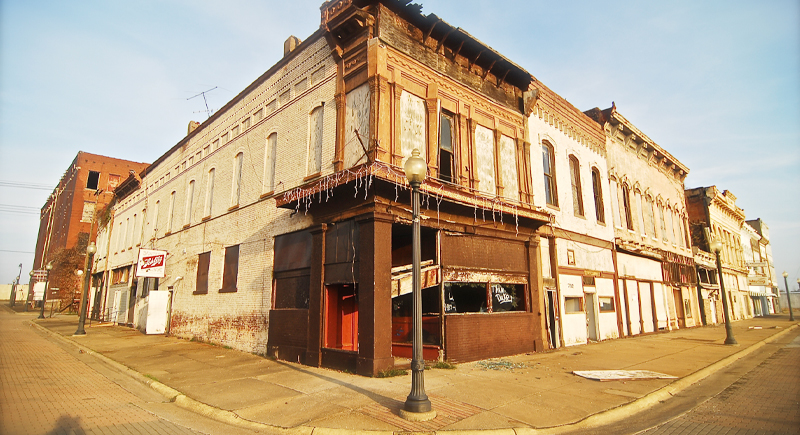
Image via Wikimedia Commons/Photolitherland
Cairo is where the Mississippi and Ohio Rivers meet, a location that once made it a major shipping center in the 1800s. Grand brick buildings still line Commercial Avenue, the town’s historic downtown strip. Economic decline during the late 20th century left many storefronts empty.
Yet preservation groups and regional tourism programs have started promoting the city’s Civil War history and river heritage. Visitors now explore historic structures like the Magnolia Manor, built in 1869, while local leaders push small restoration projects along the old commercial corridor.
Selma, Alabama
Selma’s Broad Street has enormous historical weight. The city played a central role in the civil rights movement, particularly during the Selma-to-Montgomery marches of 1965. Economic changes left downtown businesses in the late 20th century, but the area has slowly regained attention through heritage tourism.
Museums, walking tours, and preservation projects now highlight Selma’s history, drawing visitors who want to understand the events that shaped voting rights legislation in the United States.
Gary, Indiana
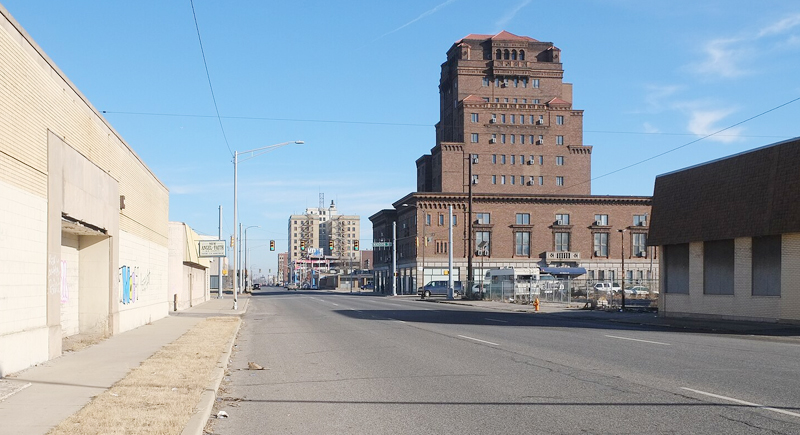
Image via Wikimedia Commons/Paul Sableman from St. Louis, MO
United States Steel founded Gary in 1906 as a company town during America’s steel boom. Broadway, the city’s main commercial street, filled quickly with theaters, stores, and banks as workers moved into the region.
When steel production declined late in the century, Gary’s downtown suffered heavy losses. Recently, redevelopment plans and arts initiatives have begun bringing activity back to parts of Broadway.
East St. Louis, Illinois
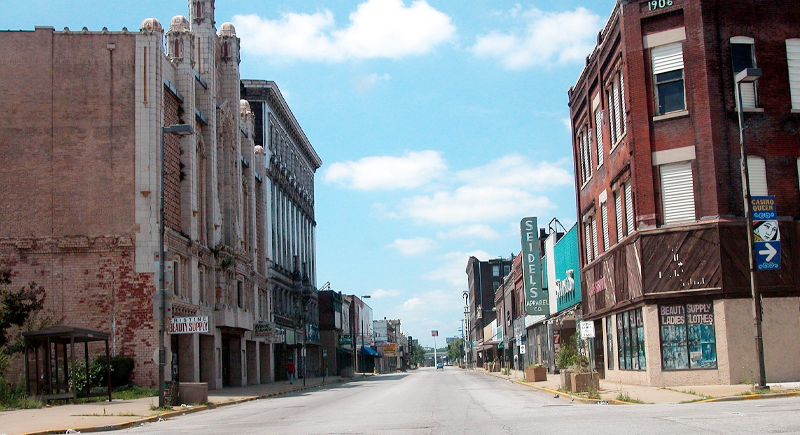
Image via Wikimedia Commons/David Wilson from Oak Park, Illinois, USA
East St. Louis developed as a major railroad and industrial hub in the late 1800s. Its downtown once buzzed with theaters, nightlife, and small businesses serving workers from across the Mississippi River region. Population decline later left many parts of the commercial district largely empty.
Today, local efforts focus on restoring historic buildings and encouraging new small businesses. The city also highlights its deep musical roots, especially its connection to early jazz and blues.
Tonopah, Nevada
Silver discoveries in 1900 turned Tonopah into one of Nevada’s busiest mining towns. Main Street is filled with saloons, hotels, and shops serving miners chasing fortune. Mining slowed in the early 20th century, and many businesses went out of business.
Tonopah’s survival came through heritage tourism. Visitors now walk the same streets as they explore the Tonopah Historic Mining Park and the preserved early-1900s buildings that document Nevada’s mining boom.
Braddock, Pennsylvania
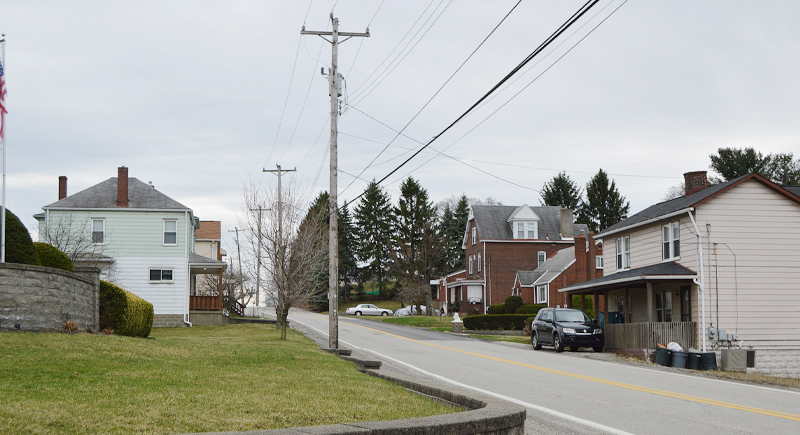
Image via Wikimedia Commons/Nyttend
Braddock rose alongside Andrew Carnegie’s steel empire during the late 1800s. Mills along the Monongahela River powered the town’s economy while Braddock Avenue supported busy local commerce.
The steel industry’s decline hit the community hard, but in recent years, artists and community developers have started renovating old storefronts. Creative projects, small galleries, and cultural programs now bring new energy to sections of Braddock Avenue.
Wilkes-Barre, Pennsylvania
Anthracite coal fueled Wilkes-Barre’s prosperity through much of the 19th and early 20th centuries. Downtown Market Street is filled with banks, hotels, and department stores serving the mining economy. Coal’s decline changed everything. Today, Wilkes-Barre has invested in downtown restoration projects and riverfront development along the Susquehanna River. Historic buildings now house restaurants, offices, and entertainment venues that attract both locals and visitors.
Danville, Virginia
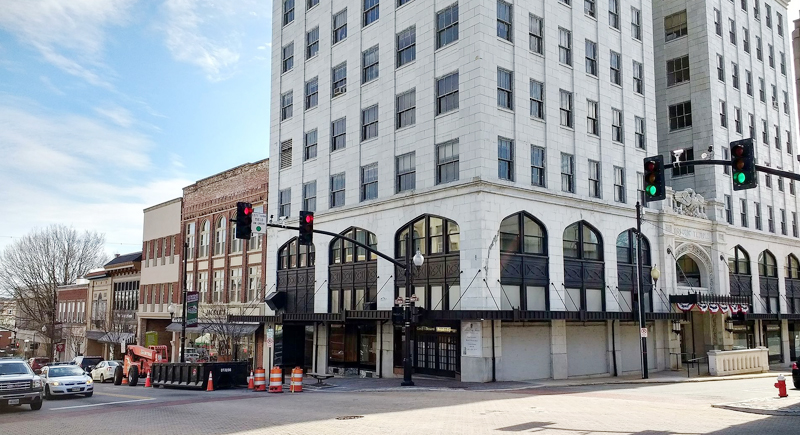
Image via Wikimedia Commons/Mx. Granger
Danville became a major tobacco and textile hub during the late 1800s. Its commercial district grew alongside those industries, filling with warehouses, shops, and civic buildings. When tobacco and textile production moved elsewhere, downtown slowed. In recent years, the city restored its River District, converting old warehouses into restaurants, apartments, and galleries.
McComb, Mississippi
Railroads built McComb. Established in the late 1800s as a railroad maintenance hub, the town’s downtown served passengers and railway workers moving across the region. As rail operations changed, the city’s commercial center quieted. Restoration projects now celebrate the town’s railroad heritage through the McComb Railroad Museum and downtown preservation efforts that encourage new businesses.
Bluefield, West Virginia
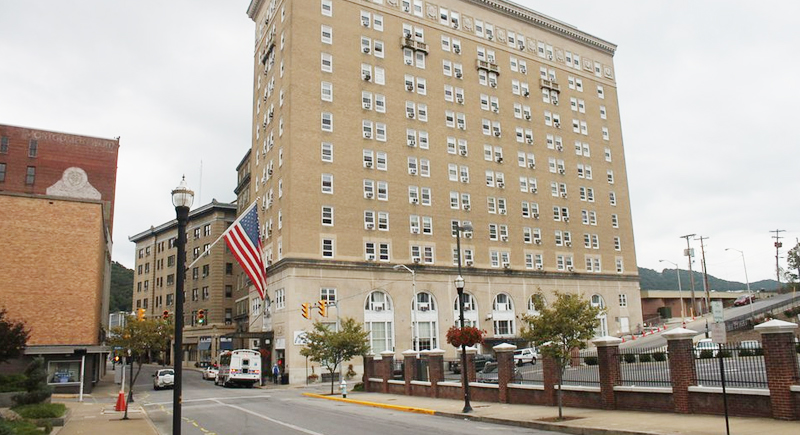
Image via Wikimedia Commons/MarkMcCain
Coal production powered Bluefield’s early growth, earning the city the nickname “Nature’s Air-Conditioned City” during the early 20th century. Downtown once hosted theaters, hotels, and department stores tied to the coal economy. Community events, historic preservation, and small business development now aim to bring people back to the downtown district. Festivals and local markets have begun reintroducing steady foot traffic to the old commercial blocks.