
Three port cities where one waterfront clue explains the whole mixed-up streetscape.
Valletta's stone balconies and British-aftertaste streets
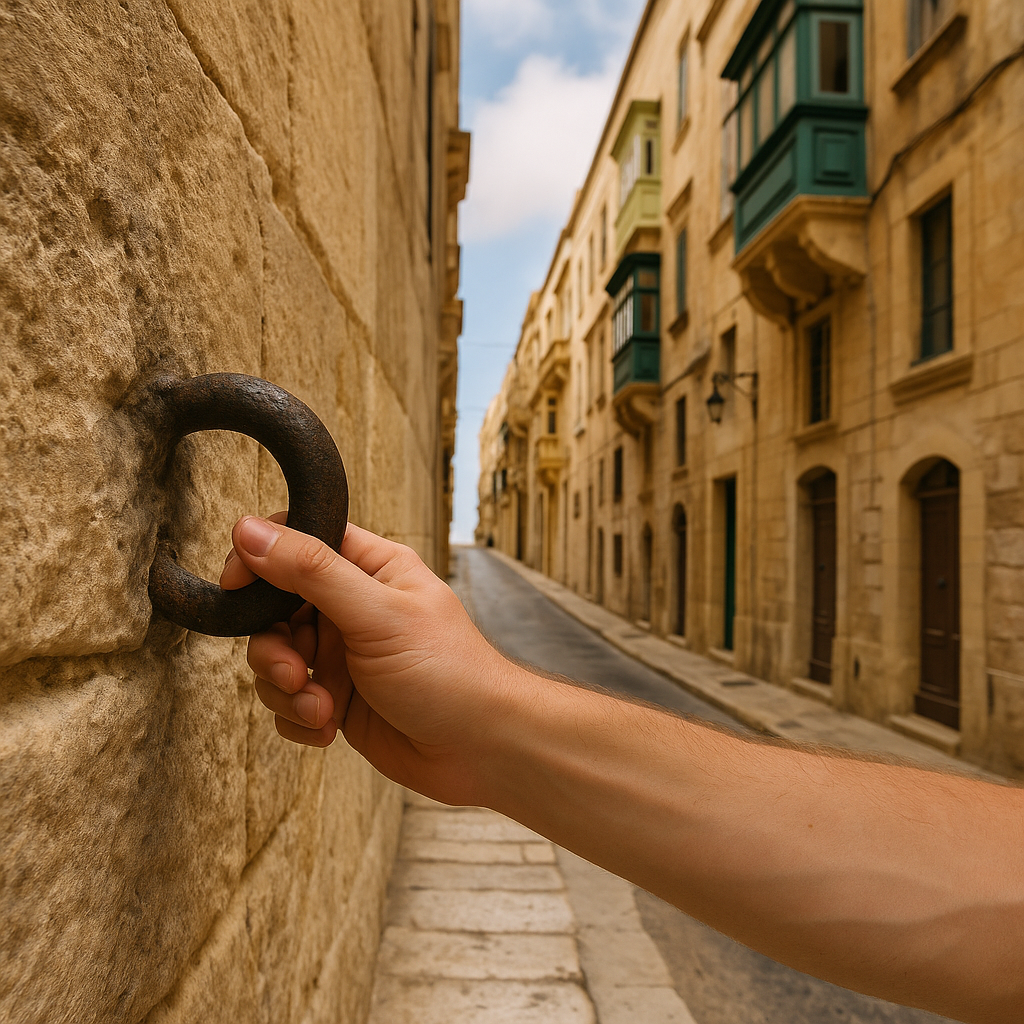
I first noticed it in Valletta because I was looking down, not up. On the Grand Harbour side, the waterfront hardware is blunt and practical: mooring rings set into limestone, iron staples that look like they were meant to survive a century of ropes snapping tight, and steps worn smooth where people kept climbing in the same spots. If you start your walk there and then climb toward the tight streets, the building style shifts in a way that makes more sense once you remember this was a working port before it was a postcard. The Knights of St. John left the heavy, defensive bones: thick walls, straight lines, narrow windows in places where you can imagine heat and glare bouncing off the stone. Then you get hit with the enclosed wooden balconies, the gallarija, and suddenly it looks like the city learned a new trick from across the water. Those boxed-in balconies are not just decorative. They catch air, give shade, and let you watch the street without being on it, which is a very port-city habit when your street is crowded and loud.
What surprised me is how quickly you stumble into British layers once you stop treating the city like one continuous era. You can spot it in the little planning choices: straighter runs, civic buildings that feel more administrative than fortress, and details that look imported rather than locally evolved. I always do the same small test here: on one block, count how many doors and windows have deep limestone surrounds versus lighter timber work, then step into a side street and do it again. The ratio flips. That flip is the trade story in miniature. Valletta's architecture reads like a ledger where one hand wrote in stone for protection and status, and another hand added wood and glass for everyday life as commerce and governance changed. If you want a single place to feel it, stand by the water near the Lower Barrakka area, put your hand on one of those rings, and then walk until the streets feel domestic instead of martial. The materials change under your fingertips long before your brain catches up.
Macau: pastel facades, tiled thresholds, and a China-facing front door
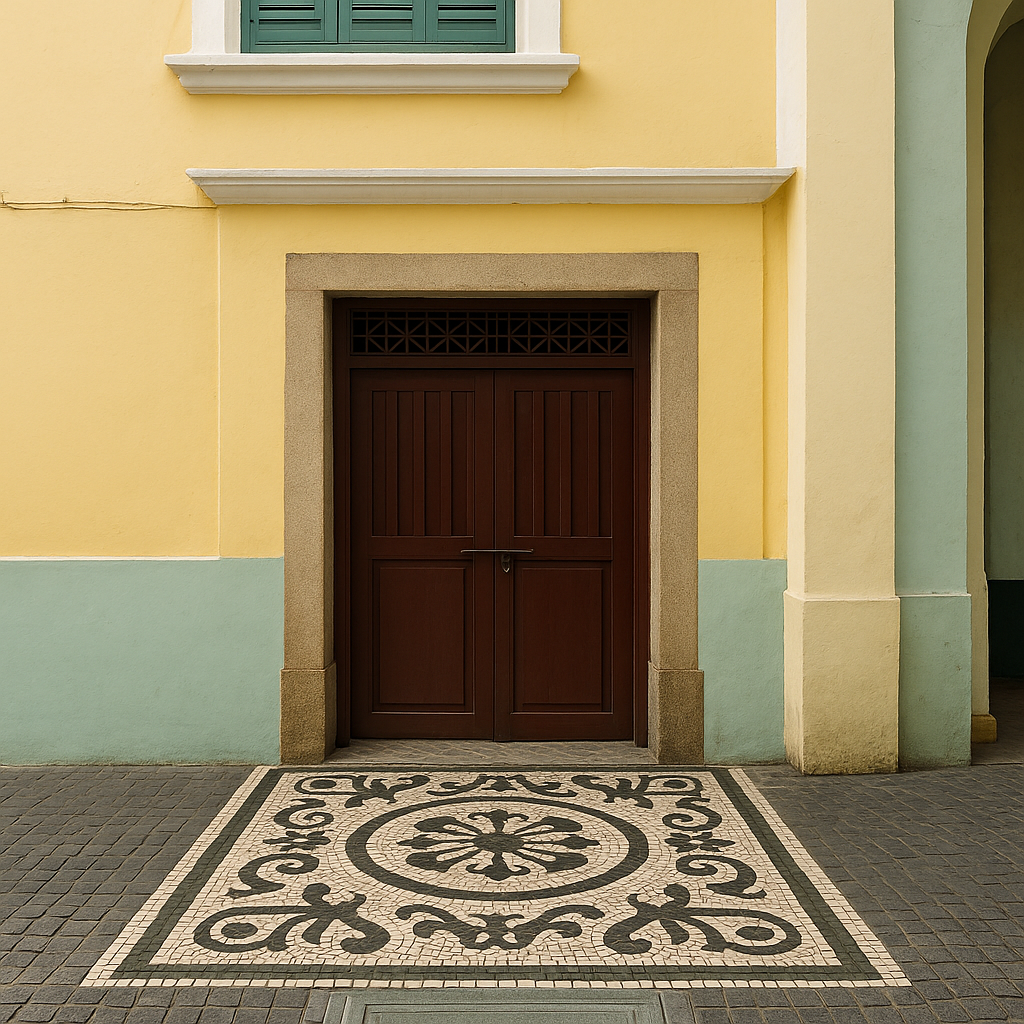
Macau is the place I use when someone says, politely, that a port city's blended architecture is just a vague East-meets-West thing. No. It's specific, and it shows up at foot level. In the historic center, you'll get Portuguese-looking facades with soft colors and stucco, but then your shoes step onto Chinese-style threshold details and tile choices that feel like they belong to a different building culture entirely. I kept noticing how often the public face of a building reads one way, and the practical surfaces you touch read another. That makes perfect sense for a port that made its money by being a hinge: outward-facing enough to transact with foreigners, inward-facing enough to stay legible to local life.
Here's the on-the-ground move that made the city click for me: pick one street that runs toward the water and treat it like a slow scan, not a sightseeing sprint. Look for azulejo tile panels and Catholic cues, then look right beside them for Chinese signboards, lattice patterns, and the kind of interior courtyard logic that doesn't care what the facade is doing. The best examples aren't the big monuments. It's the small commercial buildings that had to stay flexible. A shopfront where the door is framed with one tradition and the ventilation is solved with another. Balconies that feel European in outline but are arranged like they're meant to handle humid summers and dense street activity.
Because it's a port, the money trail is visible too. Around the older streets, you can spot where repair happened in different generations: patched plaster, newer metal grilles, air-conditioning units stuck onto buildings that were never designed for them. That patchwork doesn't ruin the place for me. It confirms it. Ports don't get to freeze in time, even when a tourism board wishes they would. The architecture is a negotiation between what the city wants to present and what it needs to function as a trading node. If you want one vivid detail to watch for, look at how entrances are handled. In Macau, doors are where cultural influence shows up as a practical choice: how you manage privacy, airflow, and street access when you expect constant movement in and out. Stand still for five minutes near a busy corner and you can see why the buildings ended up this way. The street is a current. The architecture had to stop fighting it and start channeling it.
Zanzibar Stone Town and the doors that feel like shipping labels
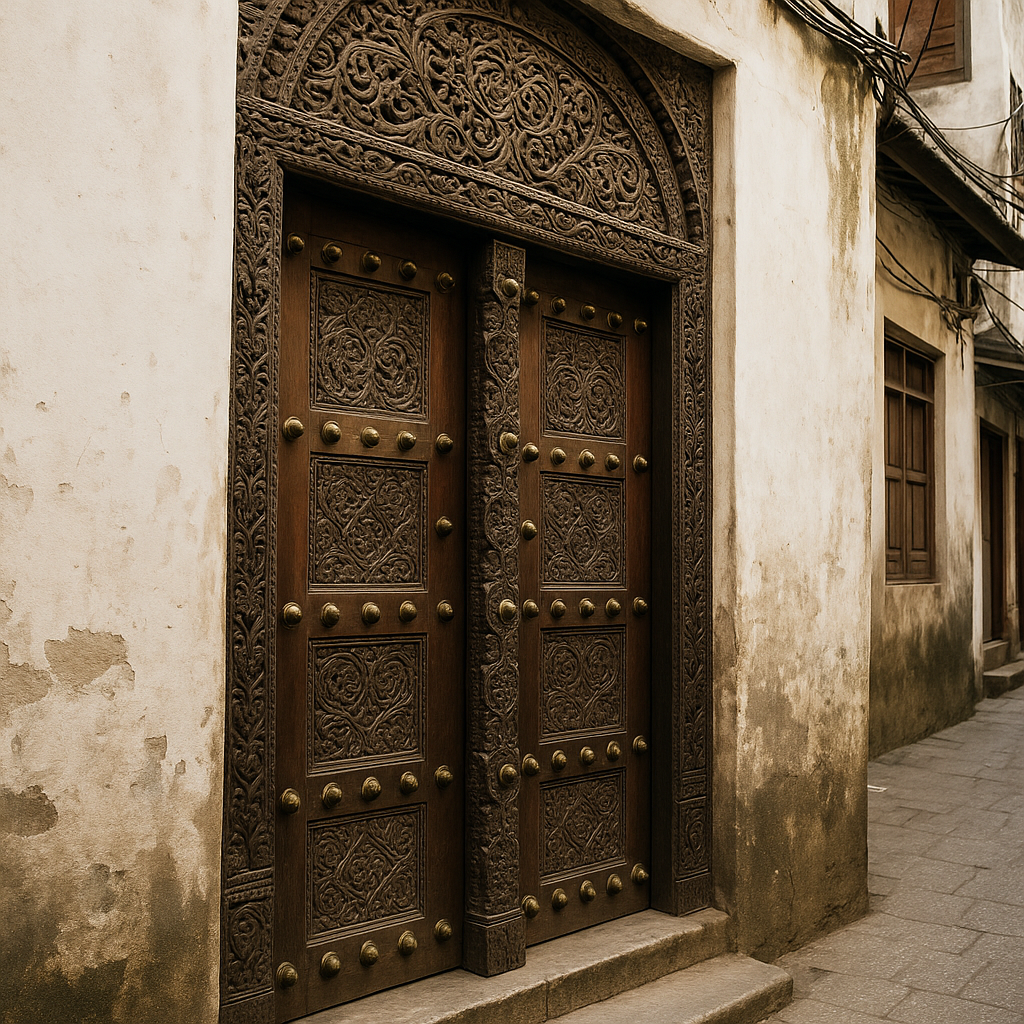
In Stone Town, Zanzibar, the doors do the talking. I don't mean that in a poetic way. I mean you can walk one block and read a whole coastal-trade story in the woodwork: heavy carved frames, brass studs, and lintels that look like they were commissioned by people who expected to be noticed. When you're in a port that spent centuries handling goods and people from multiple directions, the front of a building becomes a kind of credential. A door says who you traded with, what you could afford, and what you wanted the street to understand about you.
The first time I walked the lanes there, the narrowness itself felt like a clue. The streets aren't built for cars; they're built for shade, foot traffic, and the daily logistics of moving things by hand in humid heat. Then you hit the waterfront edge and the city loosens up, and you can feel how the shoreline shaped the whole plan. If you want to see cultural influence without needing a guidebook paragraph, pick three doors within a ten-minute walk and compare them with your phone's camera held at the same height each time. You'll catch differences you miss with your eyes alone: how deep the carving goes, which motifs repeat, where the studs are placed, and how much of the design is about durability versus display.
And then there are the materials around those doors. Coral rag and plaster walls, shaded verandas, and interior courtyards that keep air moving when outside feels like a wet blanket. Those aren't abstract style choices. They're solutions made by builders who knew the climate and the pace of a trading town. The influence part comes in because ports borrow solutions fast. If a merchant has seen a better way to ventilate a house or protect an entrance in another coastal city, that idea travels home with the cargo. In Stone Town, that borrowing doesn't land as a neat blend. It's layered. Some buildings feel Omani in massing and restraint, then you turn a corner and the decorative choices lean more Indian Ocean mercantile. If you only have energy for one detail, make it the door hardware. Touch isn't allowed everywhere, obviously, so don't, but get close enough to see how worn the brass is at hand height. That's the part that tells you the building wasn't made for photos. It was made for constant coming and going, the same rhythm a port runs on.