
From electric tugs to kitchen-scrap composting, these three tells show which regional airports are serious about cleaner ops.
The quietest thing on the ramp is often the biggest clue
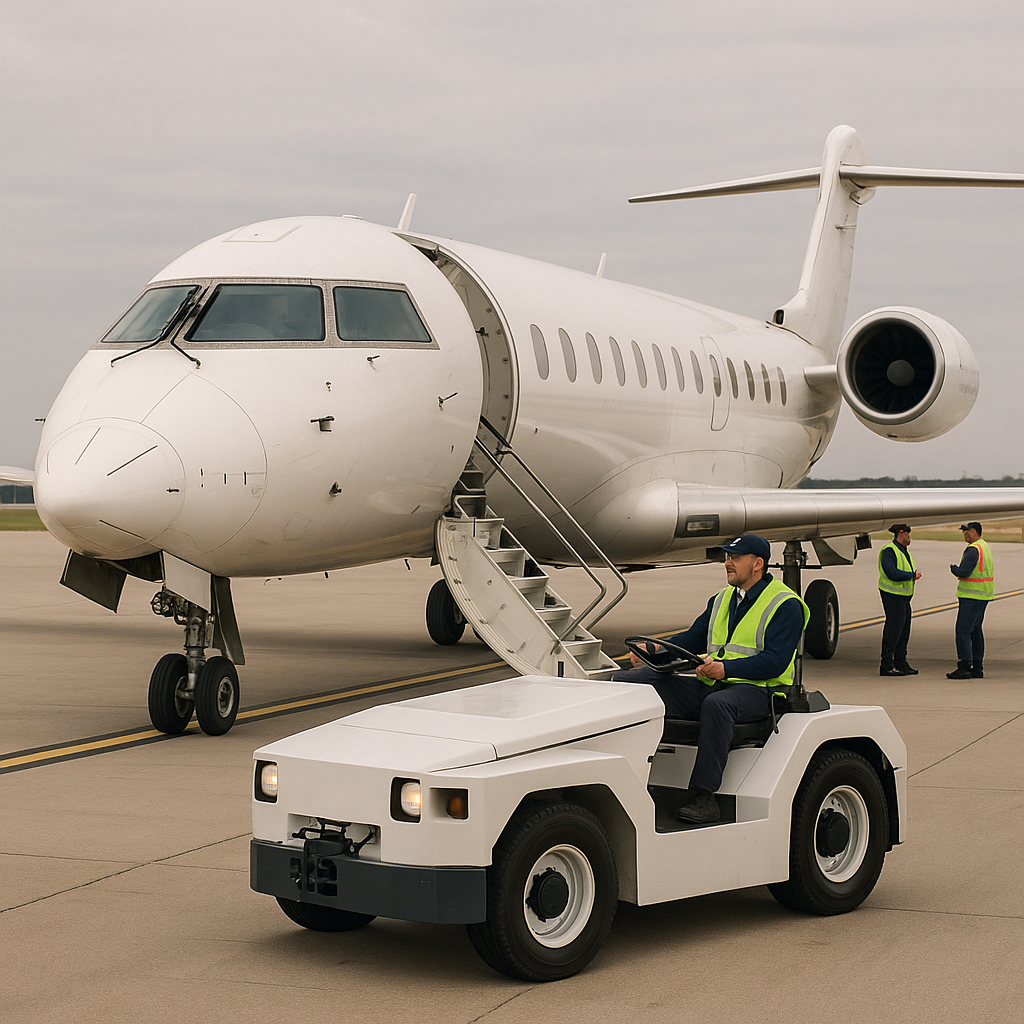
If you want to know whether a smaller airport is serious about cutting emissions, don’t start with the press release. Start with your ears. On a lot of regional flights, you’ll board via a jet bridge or a set of mobile stairs and you’ll see a tug lined up to push the aircraft back from the gate. When that tug is electric, the whole scene changes: no diesel rattle, no exhaust hanging low in the morning air, and the ramp crew can talk to each other without yelling over an engine. The first time I noticed it, I thought something had broken because pushback felt strangely calm, like the gate area had a volume knob.
You can usually spot it in motion. An electric tug often has a boxier profile and a smoother start, and the operator isn’t feathering the throttle to keep it from lurching. If you’re in a window seat near the wing, you’ll also notice less of that shudder that travels up through the cabin floor when a conventional tug starts pulling. None of this requires you to know fleet models or to quiz a ramp agent. You’re just watching the choreography during pushback and taxi, the part of Getting There that most travelers mentally skip.
Why it matters for new routes: when regional airports add service to places that used to require a long drive to a hub, they also add a lot more ground handling cycles. A switch to electric ground support equipment (tugs, belt loaders, even baggage tractors) is one of the few changes you can witness with your own eyes in the five minutes you’re staring out at cones and marshaling wands. If you hear the jet engines but not much else, that’s a pretty good sign the airport is upgrading the unglamorous stuff that adds up.
Follow your cup: what the concessions can tell you
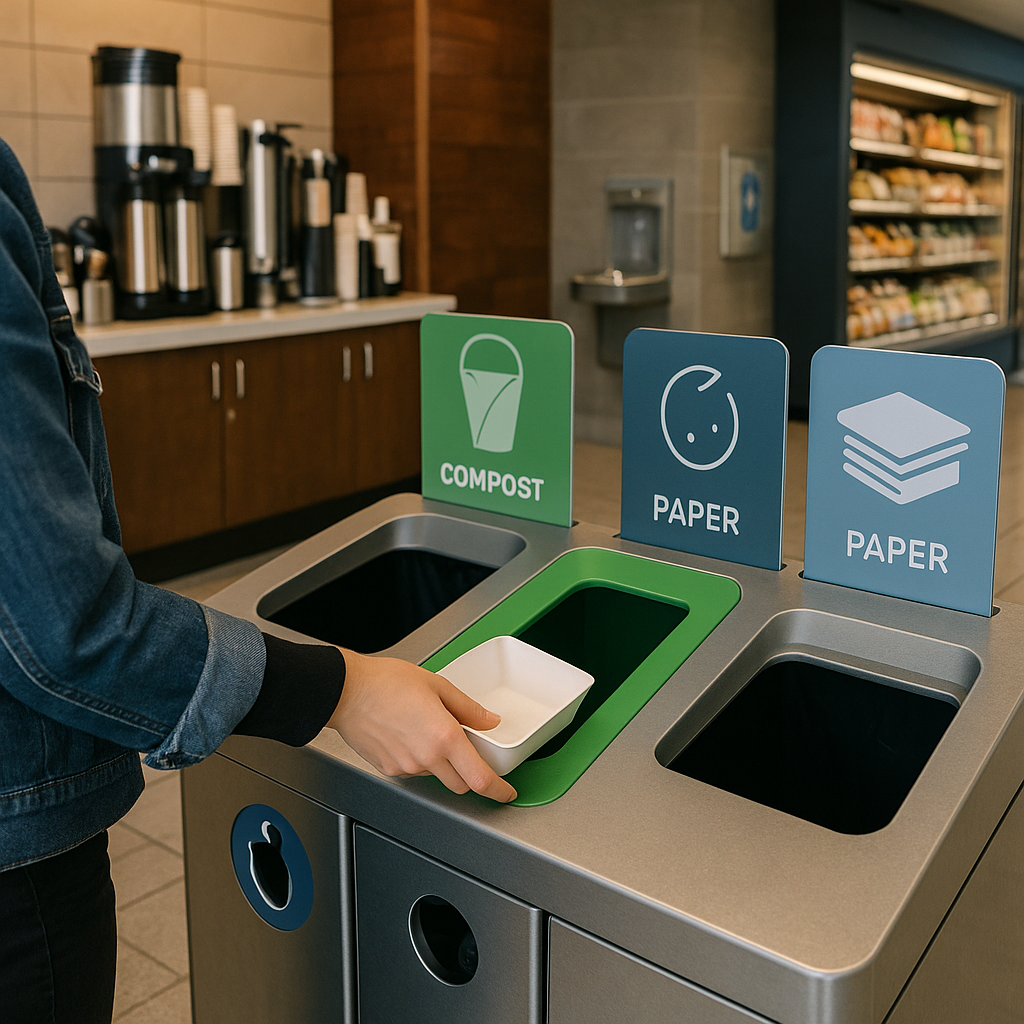
Regional terminals don’t have room to hide bad systems behind glossy branding. That’s why I always take a lap past the concessions before I camp out at my gate. The easiest tells are clustered right where people make a mess: coffee, grab-and-go sandwiches, and the water bottle refill station. If the airport has one lonely landfill bin and everything else is wishful signage, you’ll feel it immediately. But when an airport has gotten serious, the bins are specific, consistent, and placed where your hands naturally end up after you’ve peeled the lid off a yogurt or ditched a napkin.
Here’s what I look for, and it’s all practical, not performative. First: compost is clearly labeled and not treated like a novelty. You’ll see it near food, not only in a back hallway. Second: the bin openings match the label. A tiny round hole for bottles and cans, a wide slot for paper, a big flap for food scraps. When the openings don’t match, travelers just shove everything into the easiest gap and walk away. Third: the coffee setup isn’t stuck in 2009. Bulk stir sticks, pump dispensers, and fewer individually wrapped packets is the kind of boring choice that quietly cuts a lot of waste on a route that’s turning several times a day.
I also pay attention to the water situation because it changes what ends up in your bag on travel day. A working bottle filler (not just a sad fountain dribbling in the corner) means people refill. You can see it in real time: families topping off Nalgenes, business travelers with Hydro Flasks, a line that moves fast because the sensor isn’t broken. If the only option is buying plastic at a kiosk, that’s what everyone does, especially when they’re sprinting from TSA to boarding.
None of this makes your flight shorter, but it does tell you which airports are upgrading the everyday parts of the journey while they add new links to smaller destinations. And selfishly, it’s also a comfort thing. A terminal that can keep its waste stream organized can usually keep the rest of the operation from feeling like chaos.
Gate-check tags, valet carts, and the bag-handling footprint
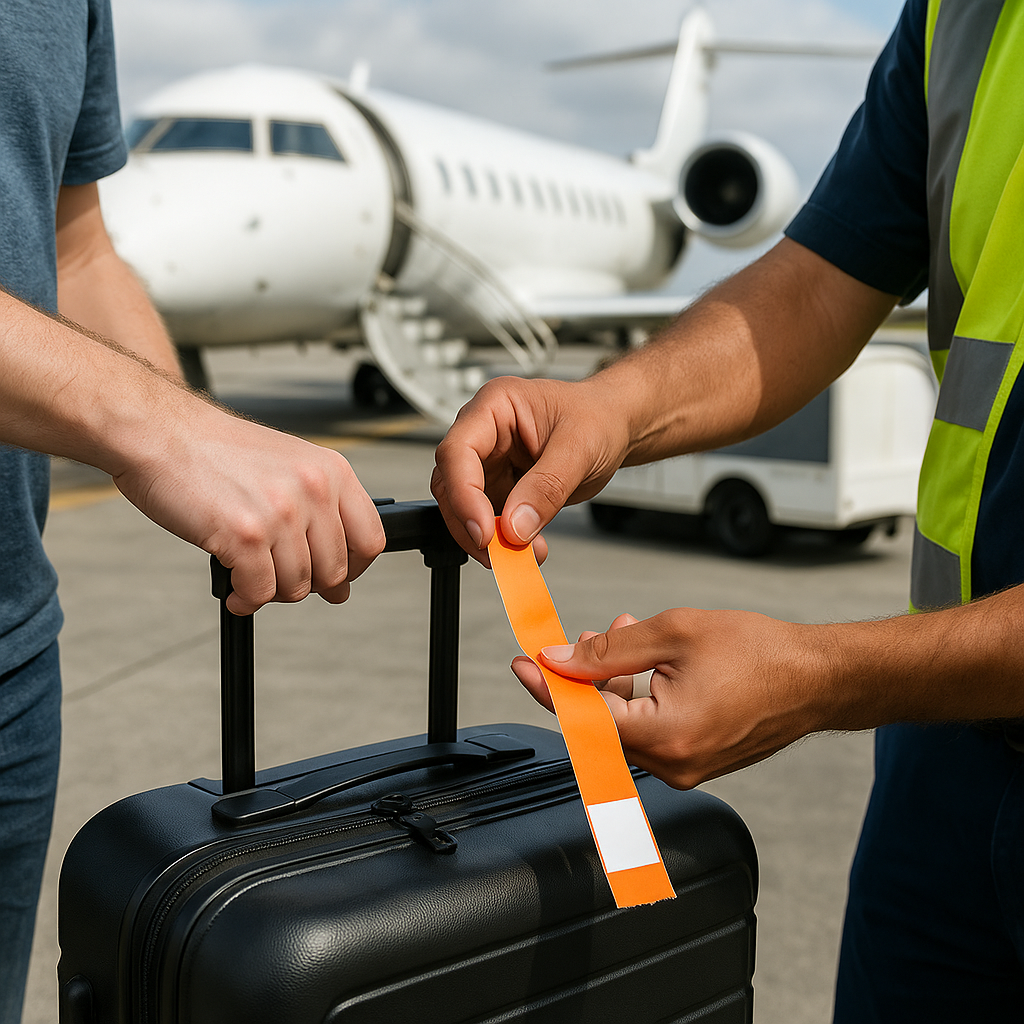
On a lot of new regional routes, you end up gate-checking a roller because overhead space is tight, especially on CRJ and ERJ aircraft. Most travelers treat the tag as a mild annoyance and then forget it the second they sit down. I do the opposite. I watch what happens after the agent tears off that bright strip and loops it through the handle, because baggage handling is where a small airport can either run clean and efficient or burn fuel doing tiny, avoidable laps on the ramp.
The greener version is surprisingly easy to spot from the boarding door. The gate-checked bags get staged neatly, then loaded onto a single valet cart, and the cart goes straight to the aircraft without a bunch of extra shuttling. The cart itself is the tell. Some airports have newer, enclosed carts that keep bags from blowing around in bad weather, which reduces the frantic re-sorting that turns into extra vehicle trips. The crew looks unhurried because the system is predictable. It sounds small, but repeated across several turns a day, that predictability keeps engines from idling while people hunt for one missing bag.
Then there’s the arrival side. When the route is well run, gate-checked bags come back to the jet bridge quickly and in one batch. When it’s not, you’ll see a baggage tractor creep up, stop, creep again, idle, then finally deliver half the bags. That stop-and-start is usually a process problem, not a single lazy driver. Regional airports that are modernizing tend to pair new service with tighter coordination between the gate, the ramp, and the baggage belt so the ground equipment is moving with purpose.
If you want one more clue that doesn’t require insider access, glance at the tag itself. Many airlines have shifted to thinner stock or more compact tagging, and some stations are better about not printing extra duplicates “just in case.” You can’t judge an entire sustainability program off a strip of paper, obviously, but you can use that moment as your prompt to look up and watch the whole chain: gate, cart, tug, and the path across the ramp. That’s the part of traveling to newly connected places that’s changing first, even before the terminals get their shiny remodel.