
Three ways I use cross-continent low-cost partnerships to dodge bad hubs, protect my connection, and still land in the hard-to-reach places.
The hidden handoff: one ticket, two worlds
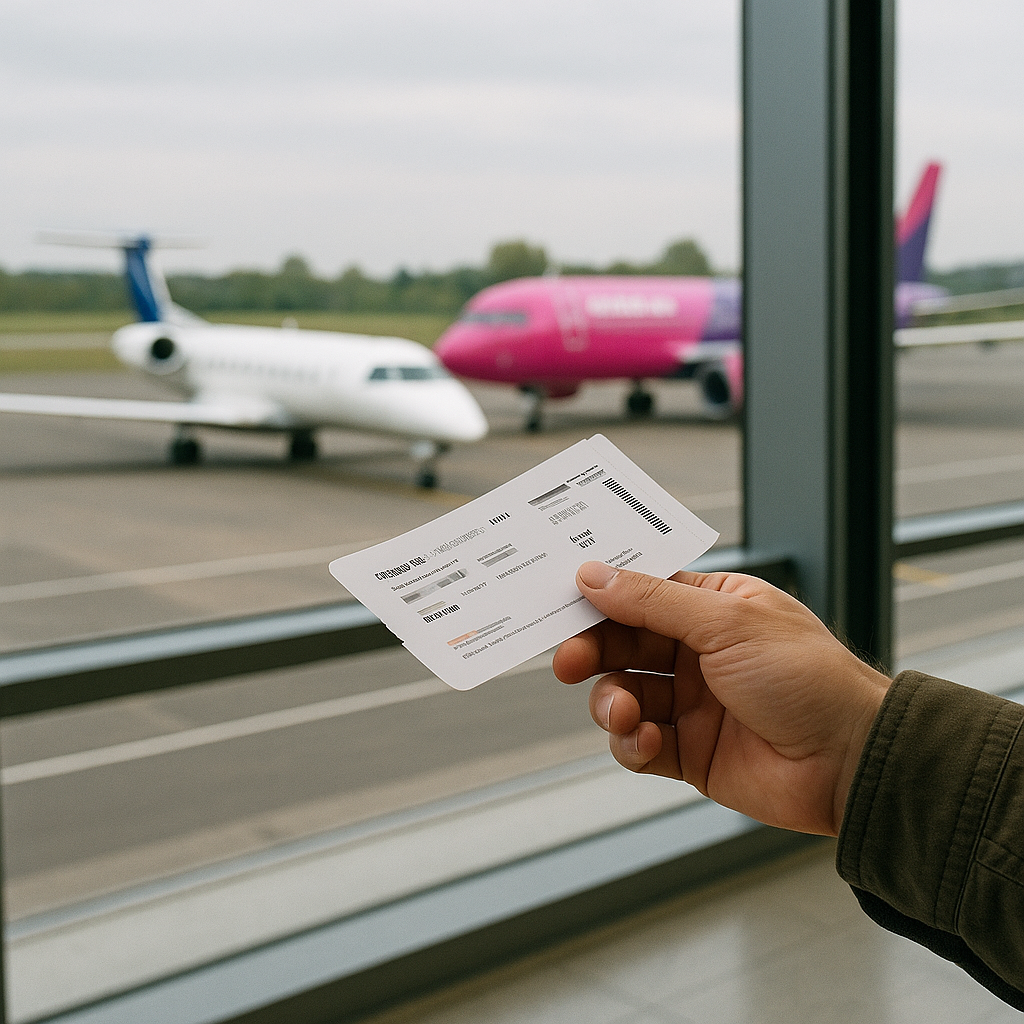
Most people picture new access as a shiny nonstop. What I keep seeing in practice is the quieter thing: a low-cost carrier and a regional airport teaming up so the trip becomes possible on one itinerary, even when the planes, baggage rules, and vibes are totally different. It matters because the places that used to be a pain to reach are rarely hard because they are far. They are hard because the last 200 miles require a weird connection or a backtrack through a mega-hub that breaks the whole day.
When I am hunting these cross-continent budget airline partnerships, I start with the handoff point, not the destination. Look for a mid-sized airport that has (1) a steady stream of narrowbody flights to a big connecting city and (2) a newer long-haul or pseudo long-haul option that a budget carrier can feed. Think of the airports that have been quietly expanding customs capacity, adding a few extra gates, and suddenly showing up in Google Flights results where they never used to.
Here is the move: try building the trip as a single ticket with a regional-to-gateway first leg, then the cross-continent leg on the partner budget carrier. If you can get it as one itinerary, you usually get clearer minimum connection times, a bag transfer path that is at least defined, and an easier argument if the first flight runs late. If you have to book it as two separate tickets, I pad it aggressively and I treat the connection like a small project: earlier flight, longer buffer, and no last-seat anxiety. I will happily sacrifice a perfect departure time to avoid the kind of connection that turns one weather wobble into an overnight on an airport floor.
And yes, I read the fine print. Some of these pairings are branded as "virtual interlining" and the protection level varies. The difference between a handshake and a real partnership shows up in the boring places: whether the itinerary offers through-checked bags, whether the second carrier will rebook you if the first leg slips, and whether the connection airport is realistic for a recheck and security loop.
Stop routing through the famous hub if your goal is a small place

If you are trying to reach a place that always used to require two connections, the reflex is to route through the biggest, most famous hub and hope for the best. I get it. The schedule looks dense and comforting. But the moment regional airports started pairing with cross-continent low-cost networks, the best path often became the least glamorous one.
Here is what I do on a real search day, coffee and laptop, three tabs open. First tab: Google Flights with the destination locked. Second tab: the airline's own site for the budget carrier I suspect is doing the long leg. Third tab: the airport's departures page for the regional airport I can actually reach without a 3-hour drive.
Then I run what I think of as the anti-hub test. I pick a smaller connection city that is not the famous one, then I see whether the partnership creates a clean line to the destination without the usual backtrack. These are the routings that used to be missing from the map because nobody could make the connection inventory behave. Now they show up because the carriers want to feed each other.
Concrete example of how this changes the trip: instead of driving to the giant hub because it has the long-haul, I can fly from my regional airport to a secondary gateway where the budget partner runs a cross-continent flight a few days a week. The schedule is not as frequent, but the day is calmer. Fewer terminal changes, shorter security lines on the outbound, and a better chance that I am not sprinting past a row of people sleeping under departure boards.
The practical bits that decide whether it is worth it:
- Connection layout. If the airport forces an exit and re-enter for an international-to-domestic handoff, I assume it will take longer than the minimum time suggests.
- Bag policy mismatch. Budget carriers can be strict about carry-on size and weight. I measure my bag before I leave home, not at the gate.
- Which days the long leg runs. A route that is only 2 to 3 days a week can be amazing, but it can also strand you if you miss it. I do not schedule a tight return connection on those patterns.
This is the part that feels new: regional airports are not just feeding mega-hubs anymore. They are becoming the first step in a stitched-together corridor that gets you into smaller cities abroad without forcing you through the same old pressure points.
Build your buffer like you expect the first flight to be late

I love the new map these partnerships are drawing, but I do not romanticize the mechanics. A regional-to-gateway hop is the most likely place for a ripple delay, and a cross-continent low-cost flight can be the least forgiving segment to miss because it might not operate again until tomorrow or the next day. So I plan the connection like someone who has sat on a regional jet staring at a maintenance clipboard, because I have.
If I can get the whole thing on one itinerary through the partnership, I still choose a connection that gives me time to breathe. If the handoff includes customs, a terminal change, or a bag recheck, I want enough slack that I can stop to fill my water bottle and still make it without that tight-chest feeling. If it is two separate tickets, I behave like I am building a bridge out of toothpicks. I add hours, not minutes.
What that looks like in a checklist I actually use:
- Pick the first flight of the day out of the regional airport when possible. Early flights have fewer upstream delays.
- Know your rebook options before you leave home. I screenshot later flights on both carriers and keep the airline apps logged in so I am not fighting passwords on airport Wi-Fi.
- Pack for the connection you might miss. Medication, a charger that fits your phone and your laptop, and one clean shirt go in the personal item. Not because I am paranoid, but because I have watched checked bags go on a different adventure.
- Be honest about the last-mile arrival. If the destination is one of those places with two buses a day or a car rental desk that closes at 6, I do not arrive late at night on a fragile chain. I would rather land at 3 p.m. than at 11:30 p.m. and then start bargaining with a locked door.
When it works, it feels almost unfair compared to how it used to be: a smaller home airport, one sensible connection, and suddenly you are stepping out somewhere that used to require a big-city detour. When it does not, you want every inch of that buffer. That is the difference between a long day and a ruined trip.