
Three community-run touchpoints that keep money local without turning an island into a theme park.
The co-op kiosk at the pier tells you who benefits
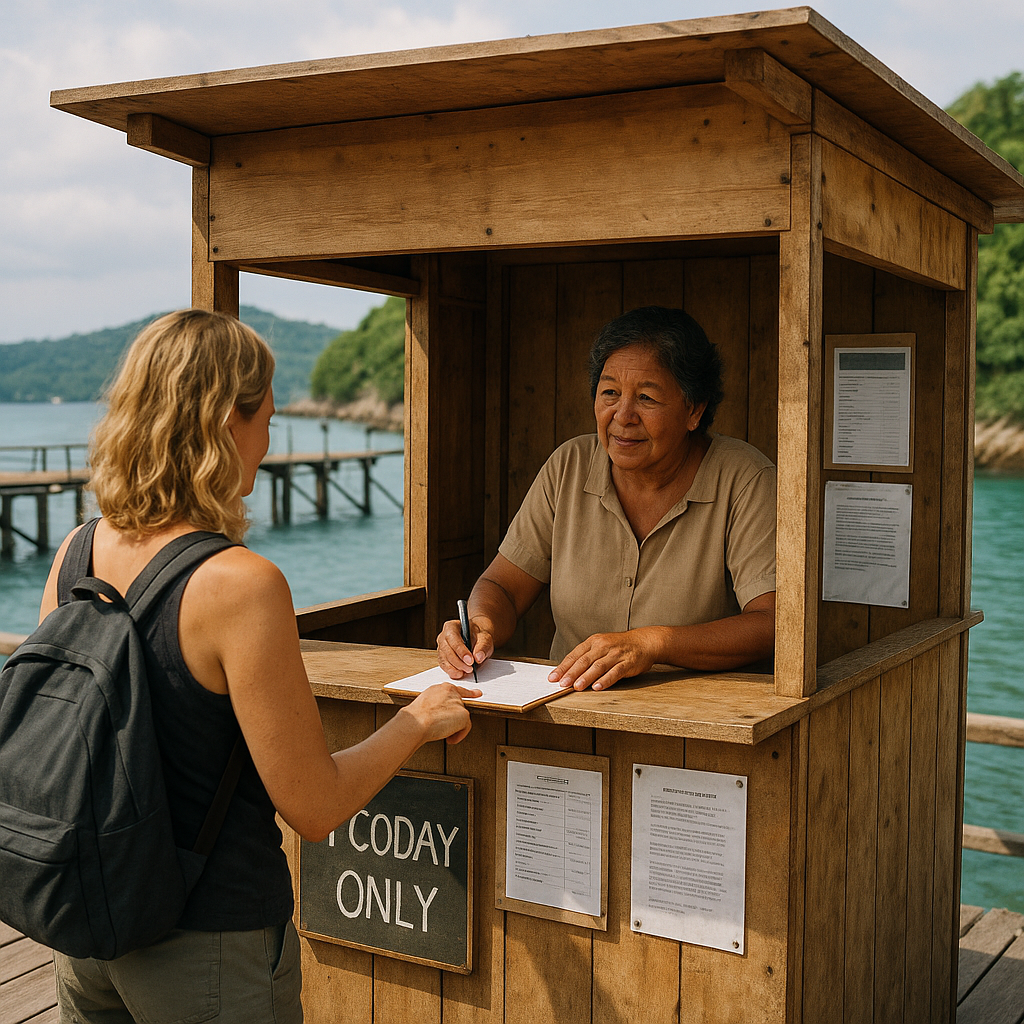
If I'm trying to figure out whether an island's tourism is community-led or just community-adjacent, I start at the pier. Not with the views, not with the selfie spot. I mean the little plywood kiosk that sells boat tickets, snorkeling slots, or a hand-drawn "today only" walking tour. When that booth is run as a co-op or a village committee, you can feel it in the boring details: a price list that doesn't change based on your accent, a laminated sheet that spells out the refund rules, and a clipboard where the same handful of names rotate through the day.
Here's the move I use. I ask one question that has a right answer if the thing is truly local: who owns the boats or vans? If the person behind the counter can tell you, without hesitating, that it's five families and they split days, or that the boats belong to the fishing association and tourists only go out after the morning catch is landed, you're in a different ecosystem than the generic "our partners" script. Pay attention to how they handle capacity. Community-run setups are more likely to say no. "Not today, the water's up" or "we've already got the school group." That's not bad service. That's a community guarding its own rhythm.
And yes, limited infrastructure shows up here in a practical way. If there's only one decent jetty and one fuel delivery a week, there's a natural ceiling on how many trips can run. The co-op kiosk tends to treat that ceiling like a feature, not a problem to be solved with louder marketing. If you want to support the right thing, buy the ticket at the booth, not through a glossy third-party site that skims off the top. Keep a little cash on you for this, because the card reader often depends on a temperamental cell signal and a battery pack that looks like it's lived through a monsoon.
Community homestays: the bathroom reality check

I'll take a good community-run homestay over a shiny new eco bungalow any day, but only if you go in with your eyes open. The point isn't to cosplay hardship. It's to accept the island's limits without demanding they be fixed for your convenience.
When a homestay network is genuinely community-led, it usually has a simple intake process that feels more like a school sign-up than a hotel booking engine. You might be asked your arrival boat, dietary needs, and whether you mind a shared bathroom. That's the phrase I listen for: shared. On islands where water comes from a rain tank or a communal tap and power flickers after sunset, the bathroom is the honest part of the listing. A real host will tell you the shower setup. Bucket and dipper. Low-pressure hose. Hot water only if the sun did its job. If they promise constant hot water and luxury fixtures on an island that doesn't even have reliable garbage pickup, I'd be suspicious of who built it and who it's for.
The practical tip: bring a headlamp (hands-free matters when you're balancing a toiletry bag), reef-safe soap in a small bottle, and a quick-dry towel. I'm not saying that to be precious. I'm saying it because the family might be rationing laundry water, and your damp beach towel can turn into a science project overnight in humid air. Ask where your fee goes. In a well-run homestay cooperative, part of it is pooled for things that visitors indirectly strain: water system repairs, a communal freezer for fish, school supplies, the one generator that gets everyone through storm week. The answer doesn't need to be polished. It just needs to be specific.
Finally, respect the house pace. If dinner is at 7 because the kitchen runs when the solar batteries are topped up, that's not negotiable. This is where limited infrastructure preserves local character in a way you can taste and hear: fewer appliances, more conversation, and a menu that tracks whatever came off the boat that afternoon.
How to spot a local guide collective (not a solo middleman)
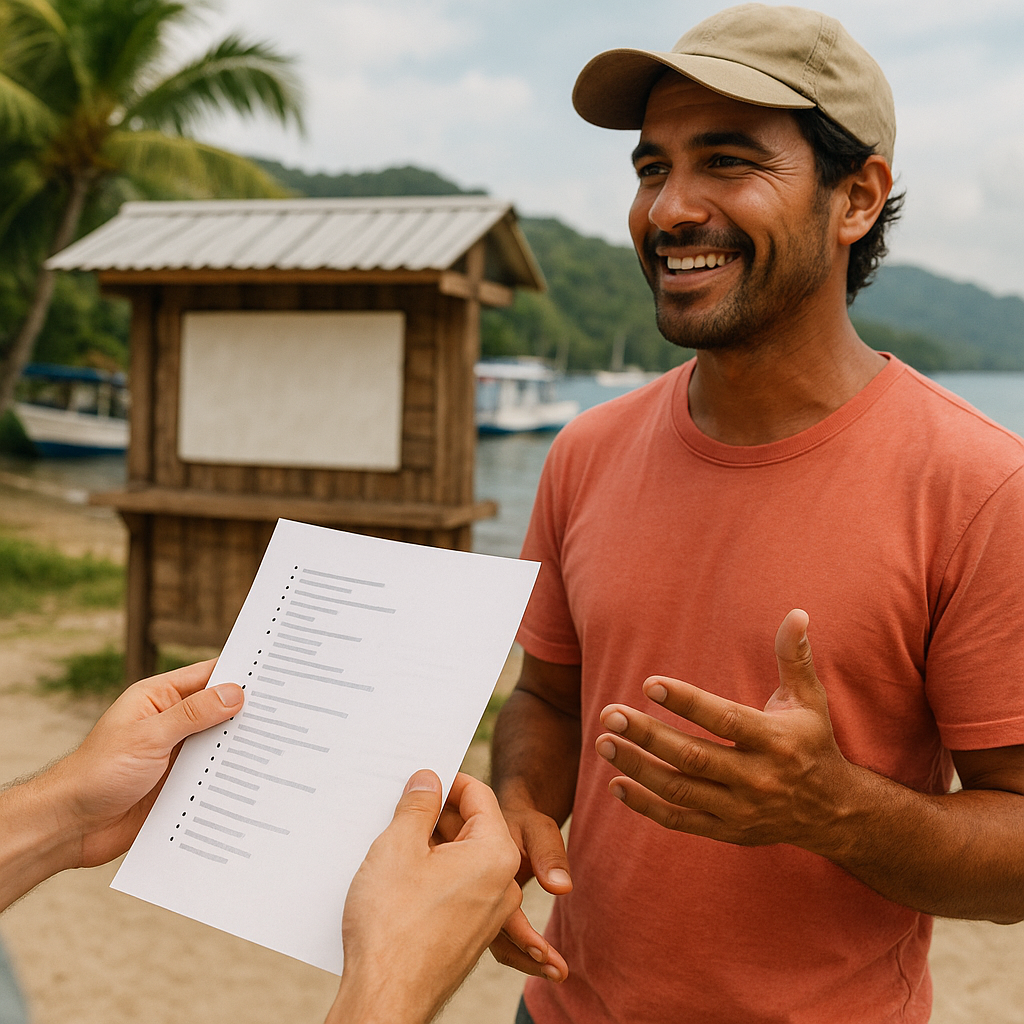
I used to book private island tours because it felt cleaner. One person, one itinerary, done. Then I watched how the money moved. On small islands with limited roads, limited fuel, and limited patience for tourist buses, a local guide collective is often the healthier structure for the place. Not healthier in the self-help sense. Healthier as in: fewer incentives to overwork one charismatic guide until they burn out, and fewer reasons to cram ten stops into a day just to hit a commission target.
You can usually spot a collective by how they talk about logistics. They use a roster. They mention who is on today, and who is off because it's their cousin's wedding or because they're taking supplies to the outer settlement. They don't promise every activity every day, because their equipment is shared. One kayak trailer, two boats, one set of radios. When the infrastructure is thin, shared gear is normal. So is shared responsibility.
Here's what I ask before I hand over a deposit: if the weather turns, what happens? A collective answer is simple and fair. You can reschedule, you can switch to a land walk, or you get your money back minus a clearly stated fee if fuel was already bought. A solo middleman tends to get vague here, because they may not control the boat, the driver, or the timing. I also listen for how they handle sensitive places. A community-run group will tell you where you can't go, or where you can go only with permission, or where photos are a no. They don't make it sound mysterious. It's practical, like closing a gate.
On the day itself, the tells keep coming. The guides greet each other at the harbor like coworkers. They share a cooler with water, not branded energy drinks. The route includes a stop that isn't an attraction, just a necessary thing: the only shade tree on the exposed track, the fresh-water tap, the spot where the tide lets you cross without turning it into a knee-deep slog. Those little choices are what keep an island from being love-bombed by tourism, especially when there isn't the infrastructure to absorb a sudden surge.